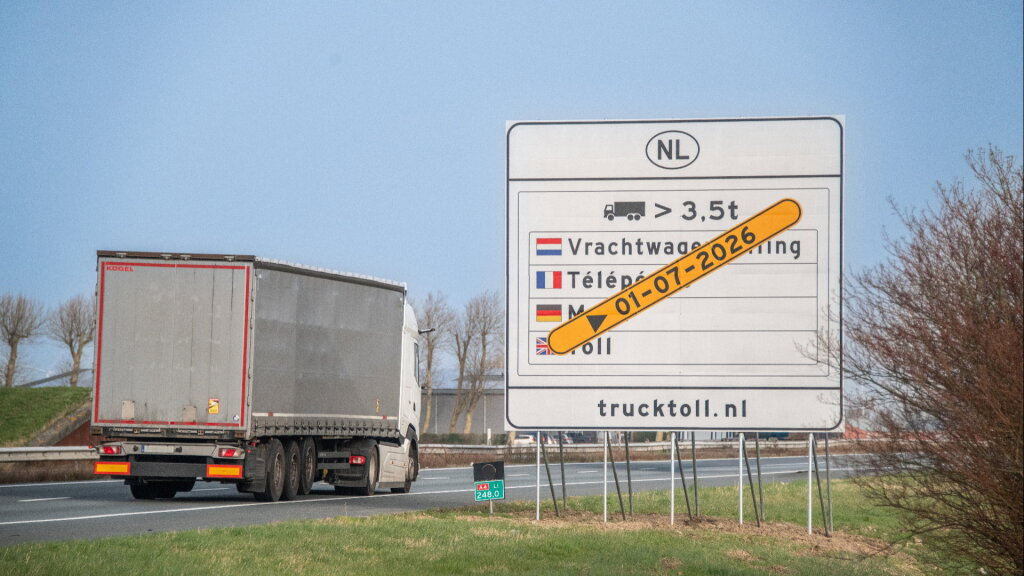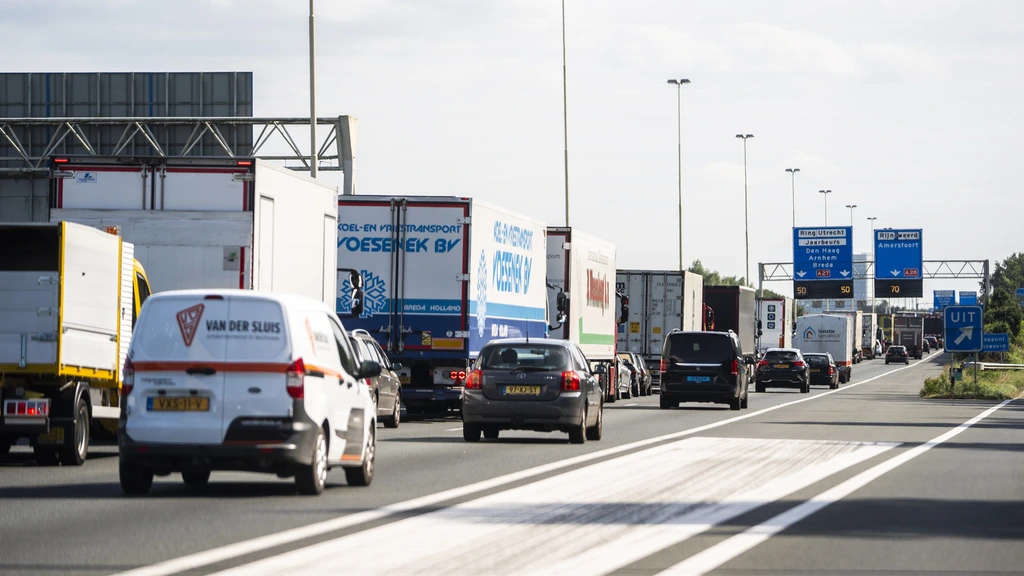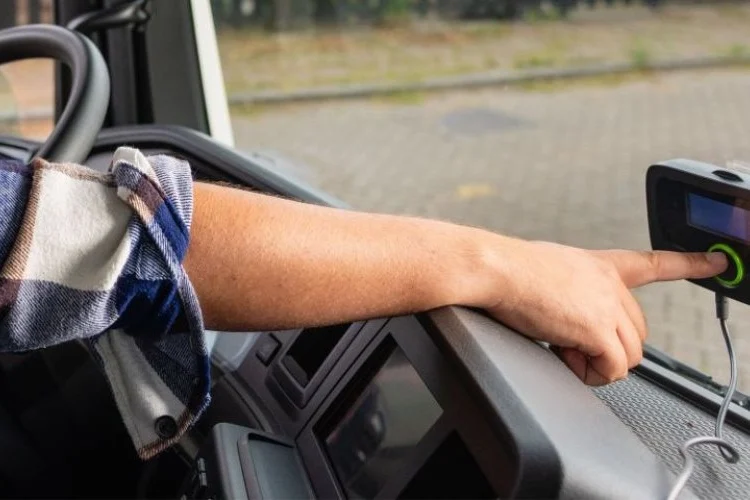
As of 1 July, a truck toll has come into effect in the Netherlands. Trucks weighing 3.5 tonnes or more must now pay per kilometer driven for road usage. The cleaner and lighter the vehicle, the lower the per-kilometer fee. However, even electric trucks must contribute a small amount.Image: RDWThe new toll applies to lorries in vehicle classes N2 and N3 – that is, trucks with a gross vehicle weight rating exceeding 3.5 tonnes. It came into effect this week on nearly all Dutch motorways, as well as numerous provincial and municipal roads. Distances travelled are recorded via a mandatory toll transponder (OBU) installed in the vehicle, which is linked to a contract with a toll service provider. Billing is calculated per kilometre, based on the vehicle’s weight and emission class. There are four weight categories (3.5–12 tonnes; 12–18 tonnes; 18–32 tonnes; over 32 tonnes) and five CO₂ emission classes (numbered 1 to 5), with class 5 being the ‘cleanest’. This category also includes battery-electric lorries.Important: Battery-electric lorries are not exempt from the toll, unlike in Germany or Switzerland. The only exemption applies to battery-electric vans up to 4.25 tonnes. For example, operating a battery-electric lorry with a gross vehicle weight rating of 32 tonnes or more on toll roads in the Netherlands now incurs a charge of €0.038 per kilometre. In contrast, a comparable diesel lorry in the mid-range CO₂ emission class 3 is subject to a toll of €0.165 per kilometre.According to the responsible authorities, a significant portion of the revenue generated from the lorry toll will be reinvested in the road transport sector. This includes subsidies for companies investing in battery-electric lorries, charging infrastructure, and more efficient transport solutions.Additionally, the introduction of the toll coincides with the abolition of the Eurovignette requirement in the Netherlands. The domestic vehicle tax for lorries up to 12 tonnes is also being scrapped, providing relief for domestic logistics operators. For heavier lorries, the Dutch vehicle tax will be reduced to the European minimum level starting in 2027. Prior to this, for the N3 vehicle group, a temporary zero rate will apply from 1 July 2026 to 1 January 2027.Vincent Karremans, the Dutch Minister for Infrastructure and Water Management, commented: “After years of preparation, the lorry toll has been introduced today. The majority of the revenue will flow back into the sector. Thanks to this ‘reflux mechanism’, the electrification of the sector can be accelerated.” He added that this is not only better for air quality and leads to lower CO₂ emissions but also ultimately makes the transition to electromobility economically attractive for transport companies. Furthermore, Karremans noted that the crisis in the Strait of Hormuz has demonstrated “how important it is to reduce dependence on fossil fuels.”In the initial months, some transitional regulations will apply to the toll. For instance, vehicles caught without the mandatory transponder will only face half the fine amount during the first six months. Additionally, from 1 September to 31 December 2026, a temporary reduction of 22.3 per cent on the lorry toll will be in effect. This measure, requested by the House of Representatives, aims to temporarily relieve the road freight sector in light of the currently high fuel costs resulting from the Middle East conflict. However, this also means that from 1 July to 1 September – covering the summer and holiday period – the full toll rate will apply.rijksoverheid.nl, vrachtwagenheffing.nl (both in Dutch)
Netherlands introduces lorry toll – with battery-electric trucks liable - electrive.com
As of 1 July, a truck toll has come into effect in the Netherlands. Trucks weighing 3.5 tonnes or more must now pay per kilometer driven for road usage. The
569 words~3 min read