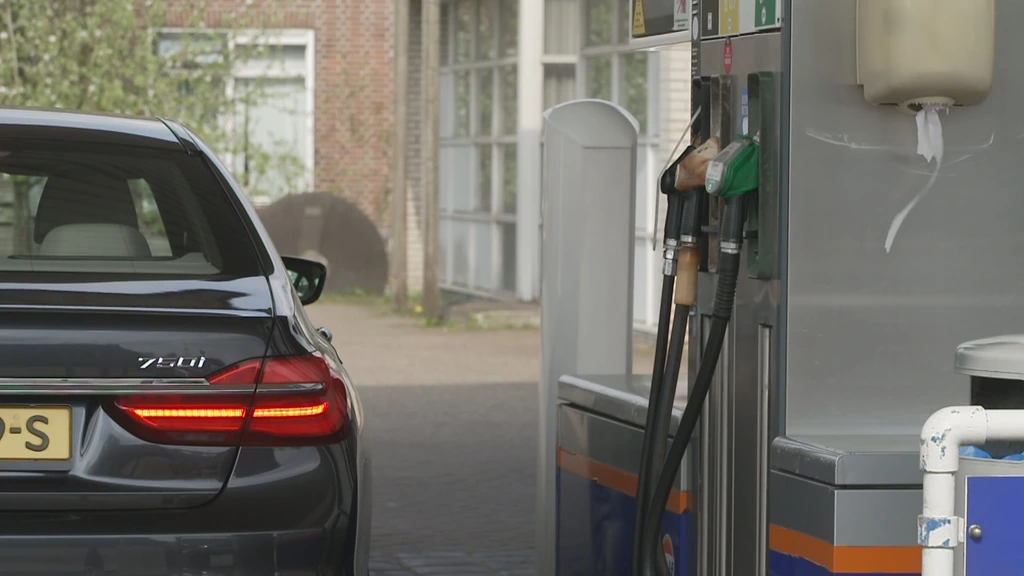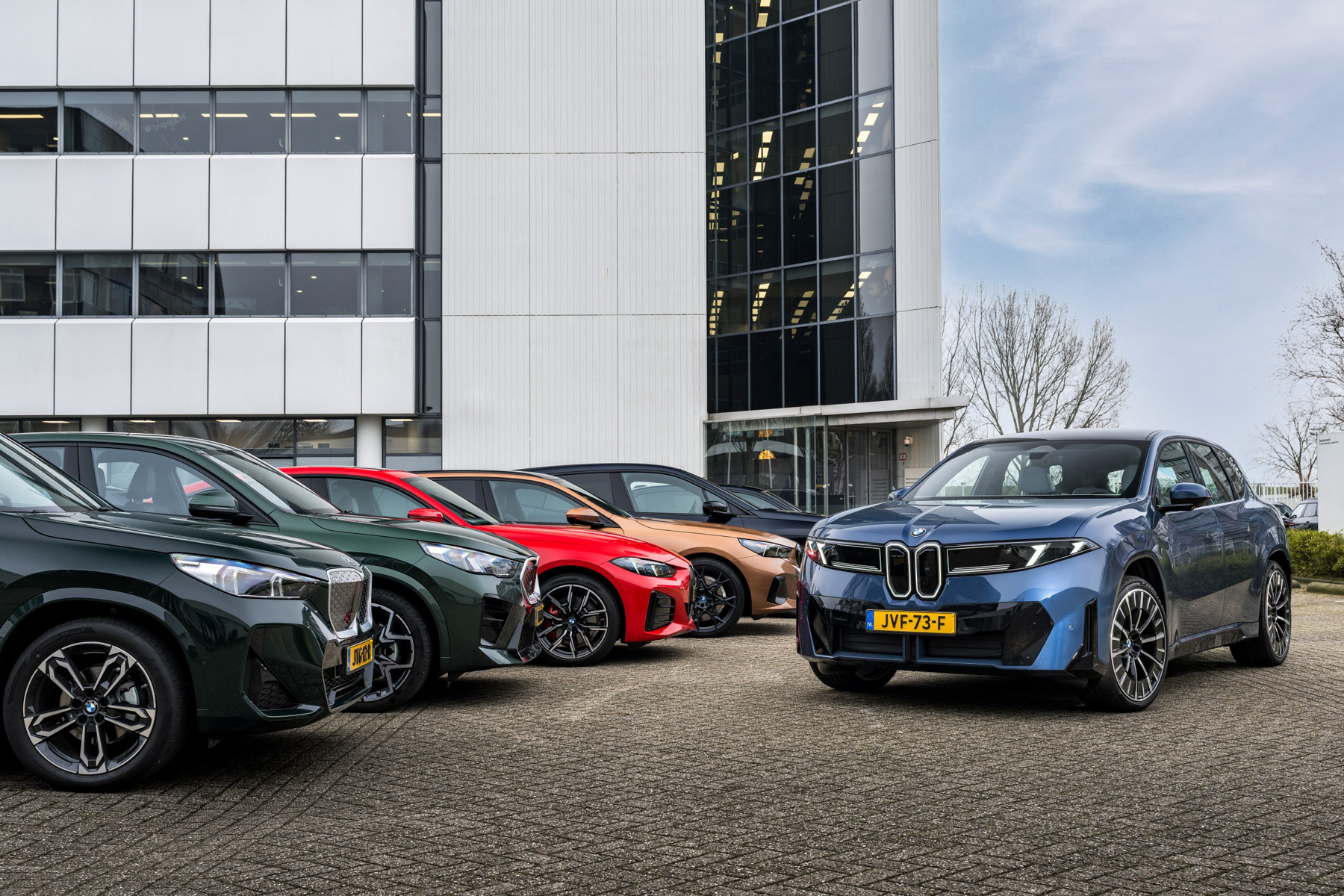
The Netherlands will make leasing combustion-engine and hybrid company cars significantly more expensive from next year. Starting on 1 January 2027, a new malus surcharge will apply to newly signed lease contracts for non-electric vehicles. The Dutch government says the measure is designed to accelerate the shift towards battery-electric mobility.Image: BMWThe Netherlands is introducing stricter measures for company cars through a so-called ‘pseudo-final taxation’ (Dutch: ‘Pseudo-eindheffing’). Under the new levy, employers must pay the tax authorities a monthly surcharge equivalent to one per cent of the official list price of a petrol or hybrid vehicle. For a car with a list price of €35,000, this results in a monthly charge of €350. Employers must cover the cost themselves and are not allowed to pass it on to employees. The surcharge thus falls entirely on the employer. It is charged in addition to the regular taxable benefit employees already pay for private use of the vehicle.The measure applies to all passenger cars with CO₂ emissions exceeding 0 grams per kilometre—effectively covering all vehicles that are not battery-electric. Exemptions include light commercial vehicles and cars used exclusively for business purposes. In the latter case, private use must be explicitly excluded and verifiably monitored.According to the Dutch Association of Car Leasing Companies (VNA), this new malus is causing concern among employers. “The levy could have major consequences for organizations’ mobility policies and could lead to substantial additional financial burdens,” VNA Chair Renate Hemerik told the broadcasting organisation NOS.While many large employers already restrict their employees to leasing only battery-electric vehicles, numerous small and medium-sized enterprises continue to permit petrol-powered company cars, as revealed by a NOS survey of leasing companies.Although the malus initially applies to new leasing contracts from the turn of the year, it will be extended to leasing vehicles with contracts signed before 1 January 2027 from September 2030 onwards.nltimes.nl (in Dutch)
Netherlands plans malus scheme for combustion-engine company cars - electrive.com
The Netherlands will make leasing combustion-engine and hybrid company cars significantly more expensive from next year. Starting on 1 January 2027, a new
311 words~1 min read