Story audio is generated using AI
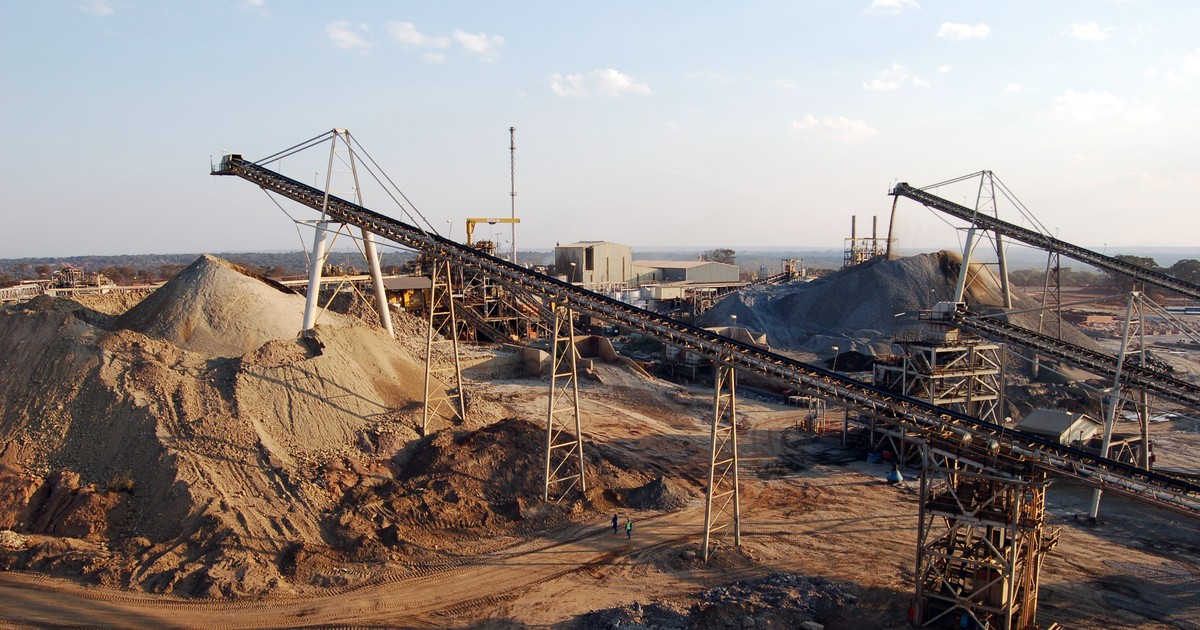
Africa’s vast reserves of critical minerals are failing to translate into new mine development despite surging global demand for minerals used in artificial intelligence, defence technologies and the energy transition, according to a new McKinsey report.The consultancy said Africa holds more than a quarter of the world’s known critical mineral reserves, including some of the highest-grade deposits of copper, manganese and bauxite, and significant lithium resources. However, less than 10% of the continent’s critical minerals project pipeline has secured financing or progressed to feasibility or construction, showing structural barriers limiting the region’s ability to capitalise on rising global demand.According to the report, demand for energy transition minerals is expected to grow at an average annual rate of 4.5% through to 2035 as countries invest in clean energy technologies, AI infrastructure and advanced manufacturing. At the same time, tightening supply and geopolitical tensions are prompting governments and manufacturers to diversify critical mineral supply chains, placing Africa at the centre of the global race for strategic resources.McKinsey said Africa’s geological advantage is being eroded by infrastructure bottlenecks, high operating costs and weak project execution.The report pointed to ageing rail networks, limited port capacity, permitting delays, regulatory uncertainty, community disputes and high financing costs as key obstacles preventing projects from moving from exploration to production.Africa also continues to lag behind global peers in exploration investment. The report estimates the continent attracts about $1.2bn a year in exploration spending, roughly half the annual investment received by Australia and Canada.The report said the next phase of the critical minerals race will be won not by countries with the richest deposits, but by those able to build competitive mining ecosystems supported by reliable infrastructure, faster project delivery and wider use of technology.McKinsey pointed to South Africa as an example of the opportunities and challenges facing the sector, citing financing difficulties at the Kalagadi manganese mine in the Northern Cape as evidence of the hurdles confronting large-scale mining projects. Kalagadi is one of the world’s largest undeveloped high-grade manganese deposits.Without improvements in infrastructure, policy certainty, project execution and technology adoption, Africa risks missing the opportunity to secure a larger share of global critical minerals investment and value chains, despite holding some of the world’s richest deposits of critical minerals, McKinsey said.