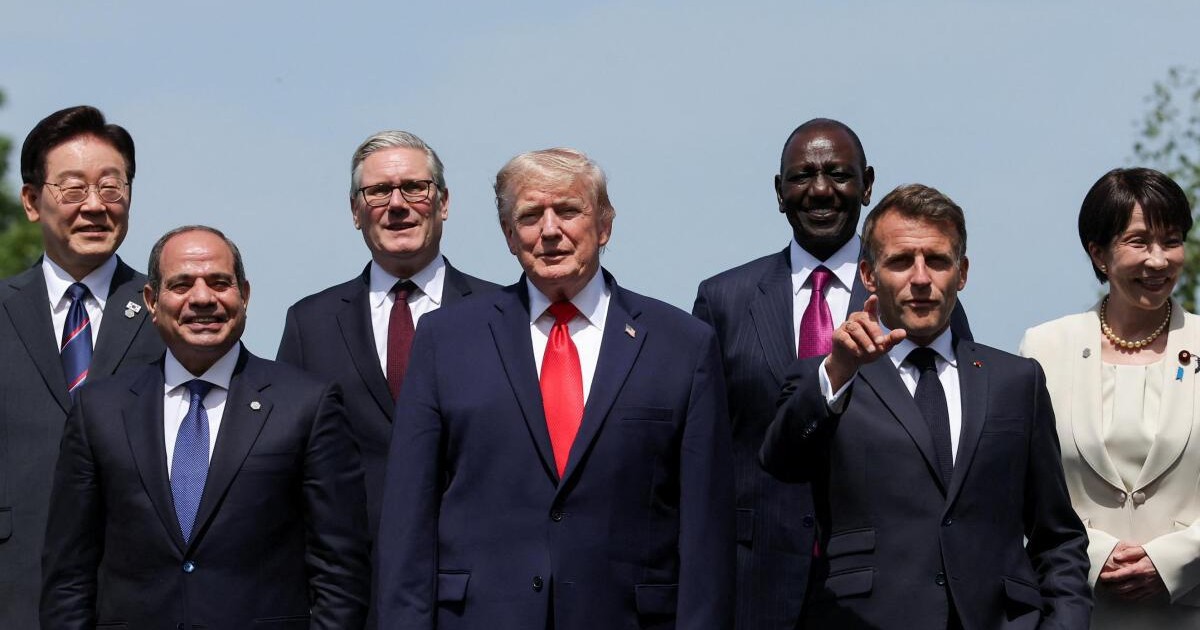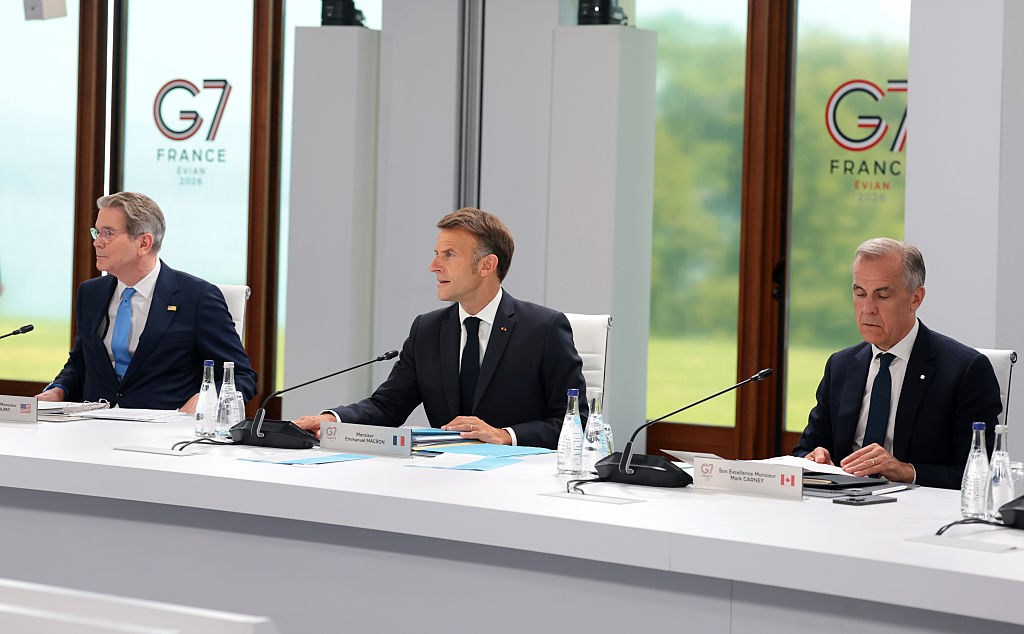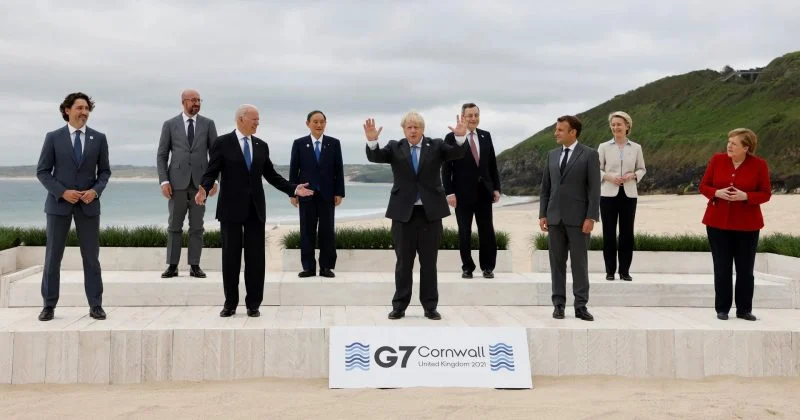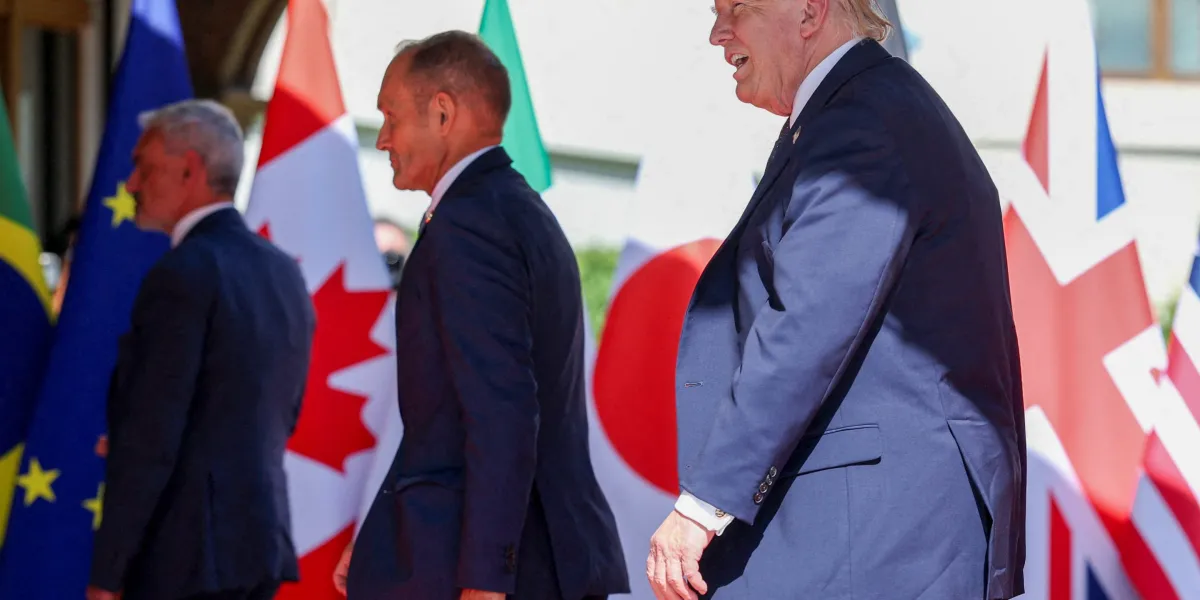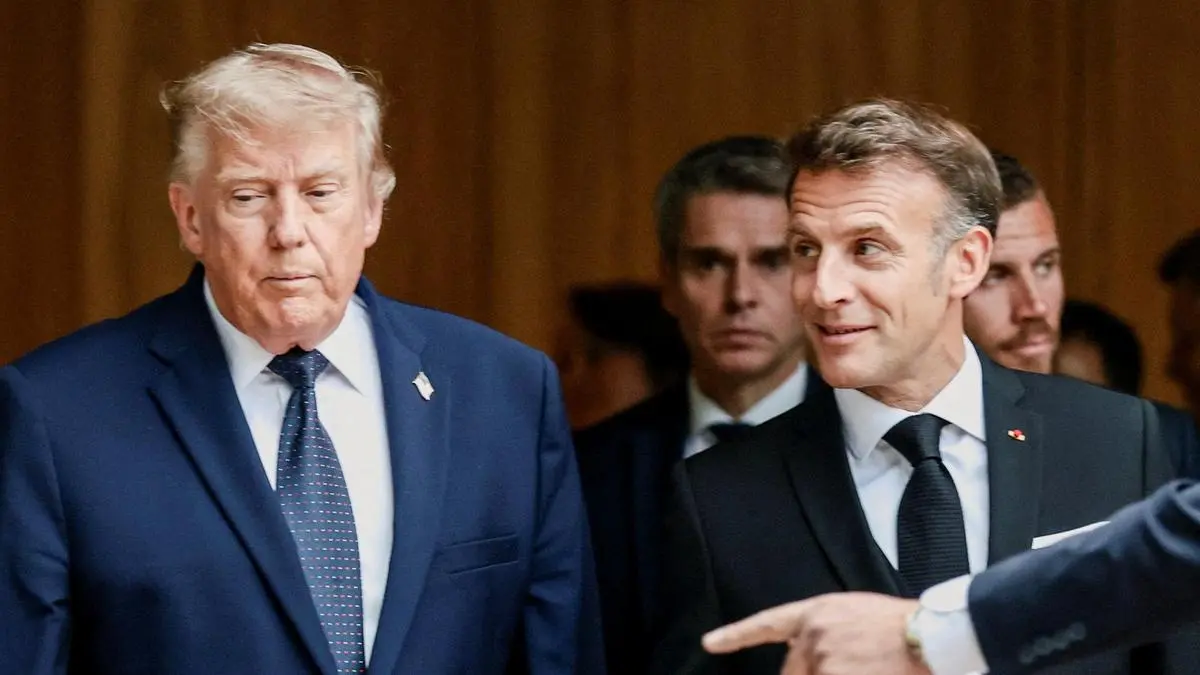
As G7 leaders gather in France this week for their annual summit, they are aligning on their anxiety to win the race for artificial intelligence leadership and to secure access to the critical minerals that underpin the technology. Yet the G7’s AI ambitions have a major blind spot: Africa’s critical mineral supply and what it will genuinely take to secure it.
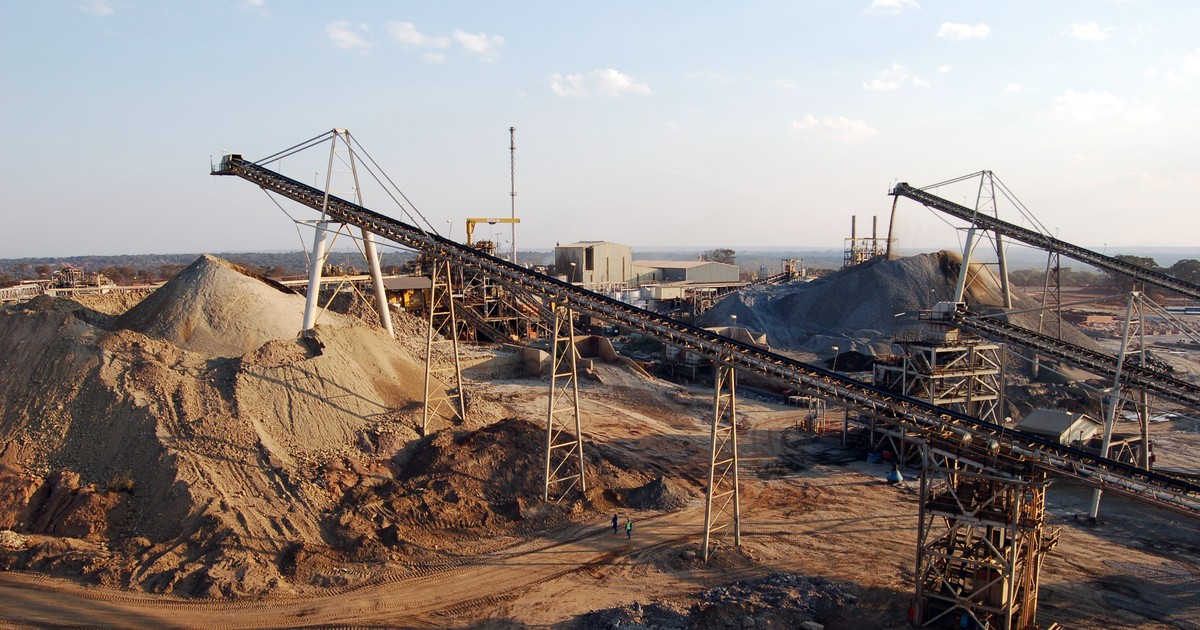
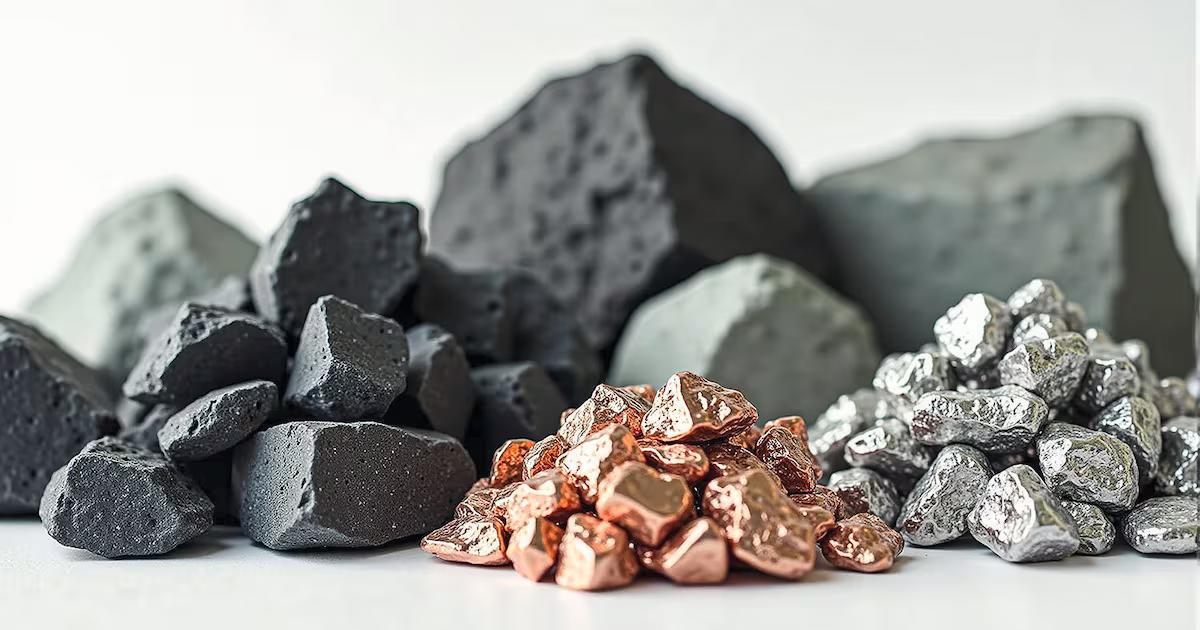
Africa holds around 30% of the world’s critical mineral reserves, including 70% of global cobalt reserves in the Democratic Republic of Congo, alongside vast deposits of lithium, copper, graphite and rare earths—the essential building blocks of AI infrastructure, semiconductors, batteries and renewable energy systems. At present, Africa captures only 10–15% of the value generated from these resources – because processing, refining and manufacturing largely take place elsewhere, often in China, while product design, marketing and distribution are dominated by G7 companies.
This disconnect exposes a striking contradiction. The G7 is racing to secure critical mineral supply chains and reduce its dependence on China, yet too often its engagement with Africa remains focused on access to raw materials rather than building the industries that would create jobs and prosperity on the continent. If the G7 wants resilient and diversified supply chains, it cannot continue to treat Africa simply as a source of minerals.