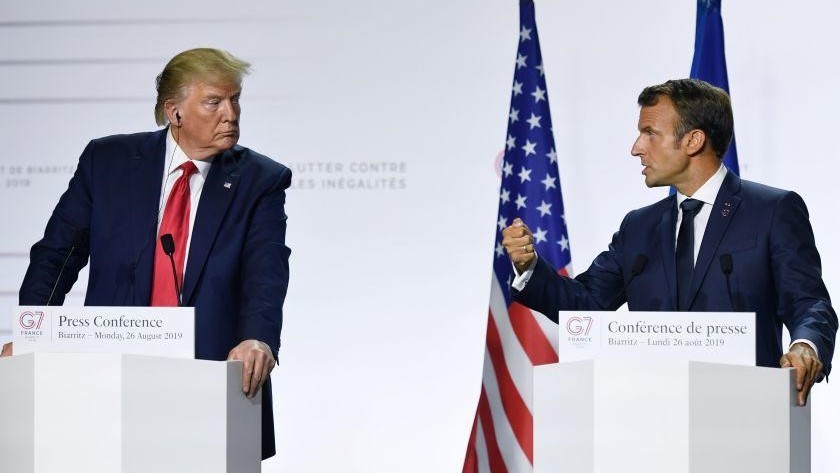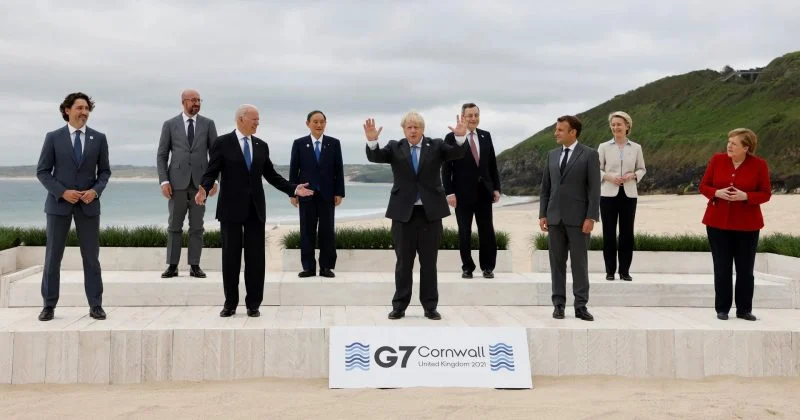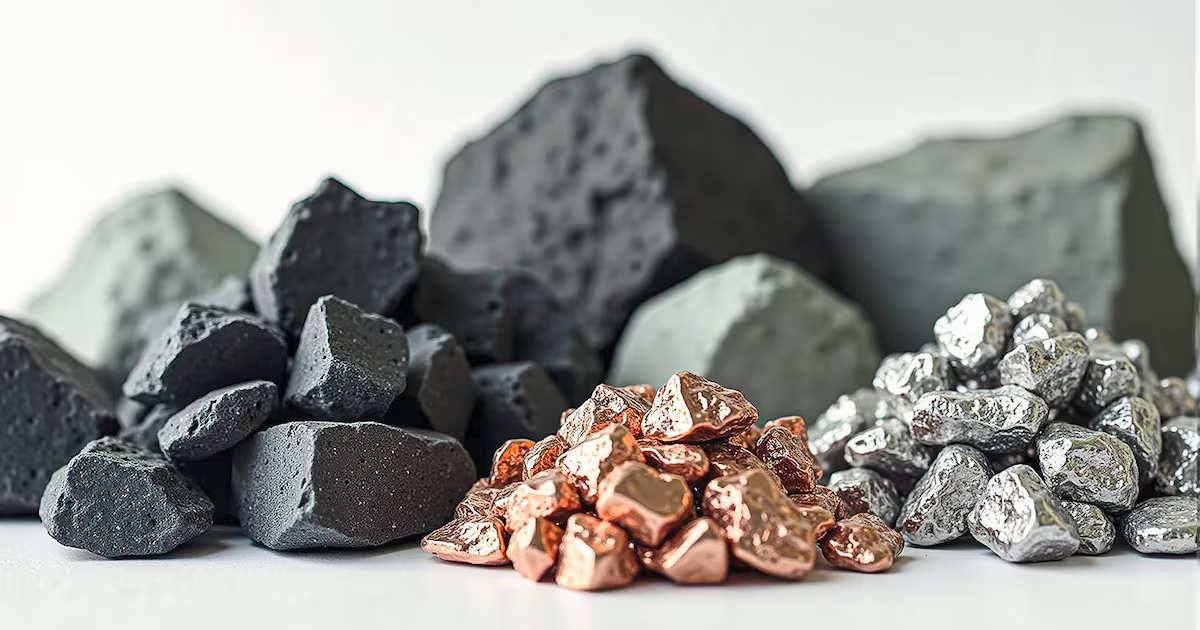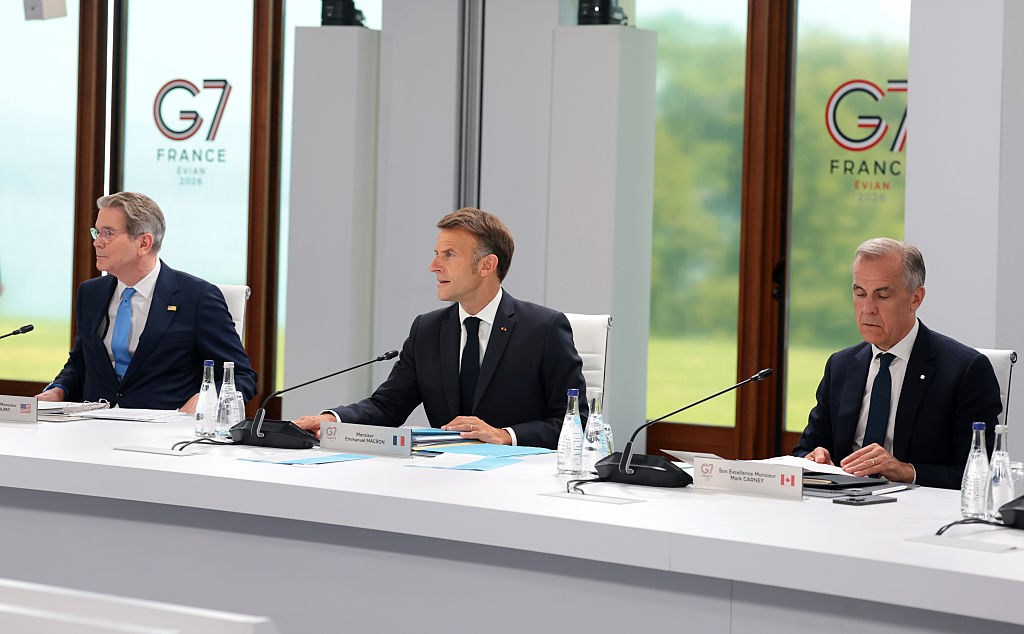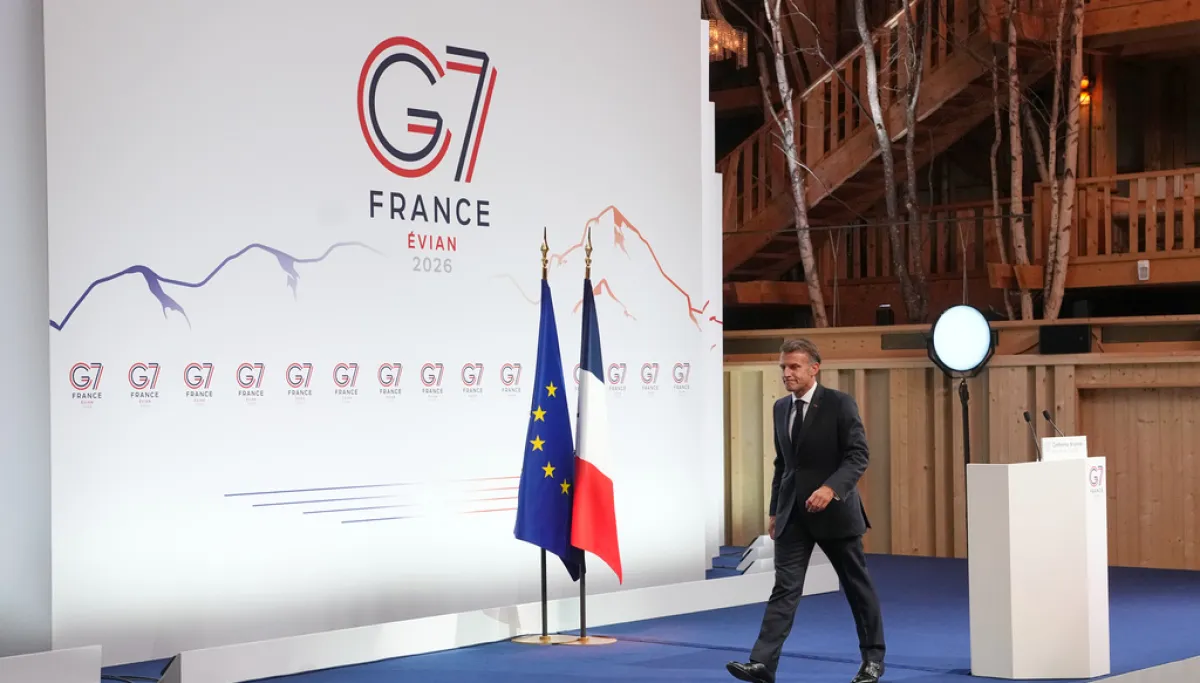
The G7 has formally launched a Critical Minerals Resilience and Production Alliance, complete with a cooperative platform designed to coordinate emergency responses, share supply chain intelligence, and monitor markets for the raw materials that underpin modern technology. The move, formalized at the G7 Summit in Évian in June 2026, represents the bloc’s most structured attempt yet to reduce its dependence on China for minerals like graphite, rare earth elements, and scandium.
From action plan to alliance in 12 months
The roots of this alliance trace back to June 17, 2025, when the G7 unveiled its Critical Minerals Action Plan during the Leaders’ Summit in Kananaskis, Alberta. Canada, holding the G7 presidency at the time, drove the initiative forward with particular urgency.
By October 31, 2025, the first round of the Critical Minerals Production Alliance had been announced, encompassing 26 partnerships focused specifically on graphite and rare earth elements. Investment commitments tied to that initial round promised to unlock partnerships worth roughly $6.4 billion, spanning sectors critical to securing mineral supply.
In March 2026, Australia officially joined the G7 minerals alliance during a visit by Canadian Prime Minister Mark Carney. Australia isn’t a G7 member, which makes its inclusion a deliberate signal: this alliance is designed to pull in major mineral-producing nations beyond the traditional club of seven.