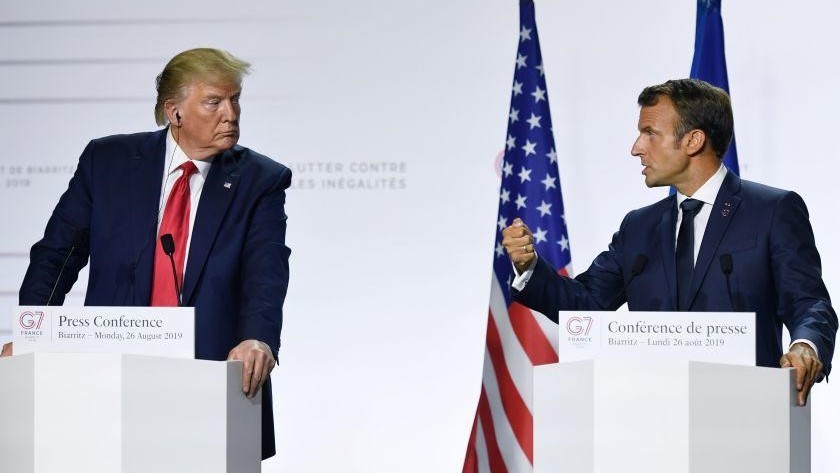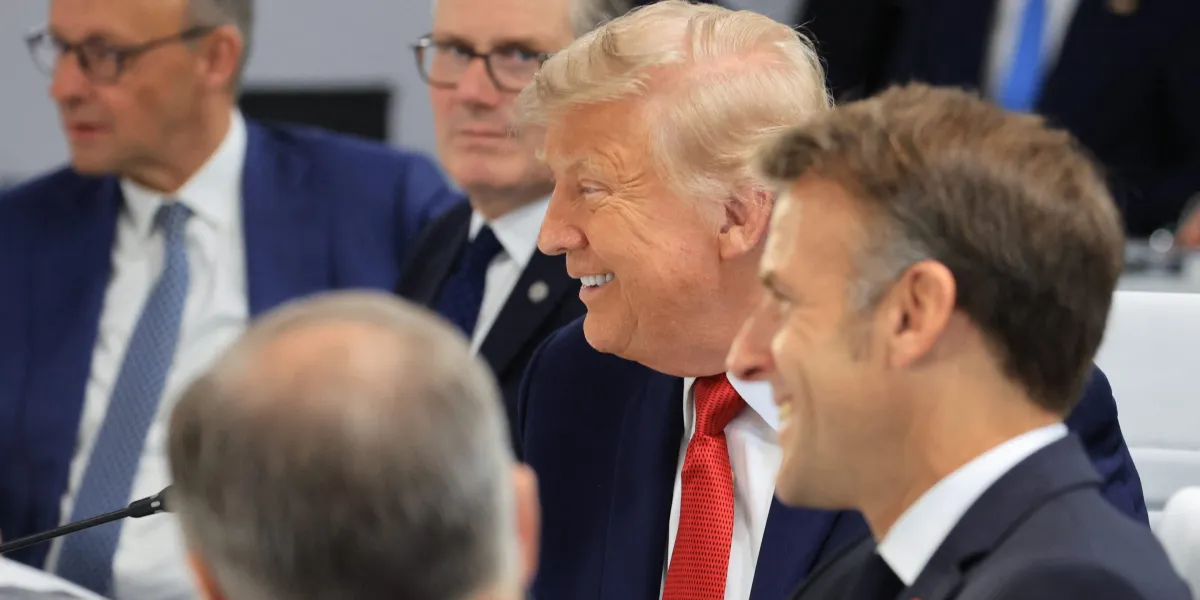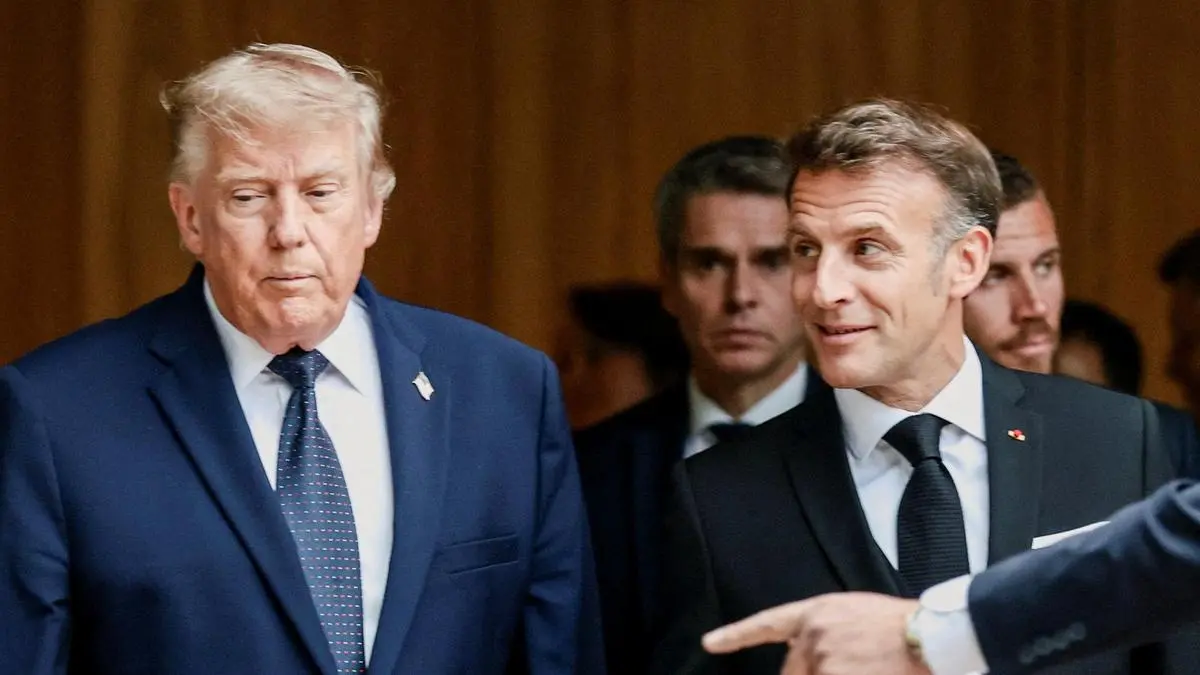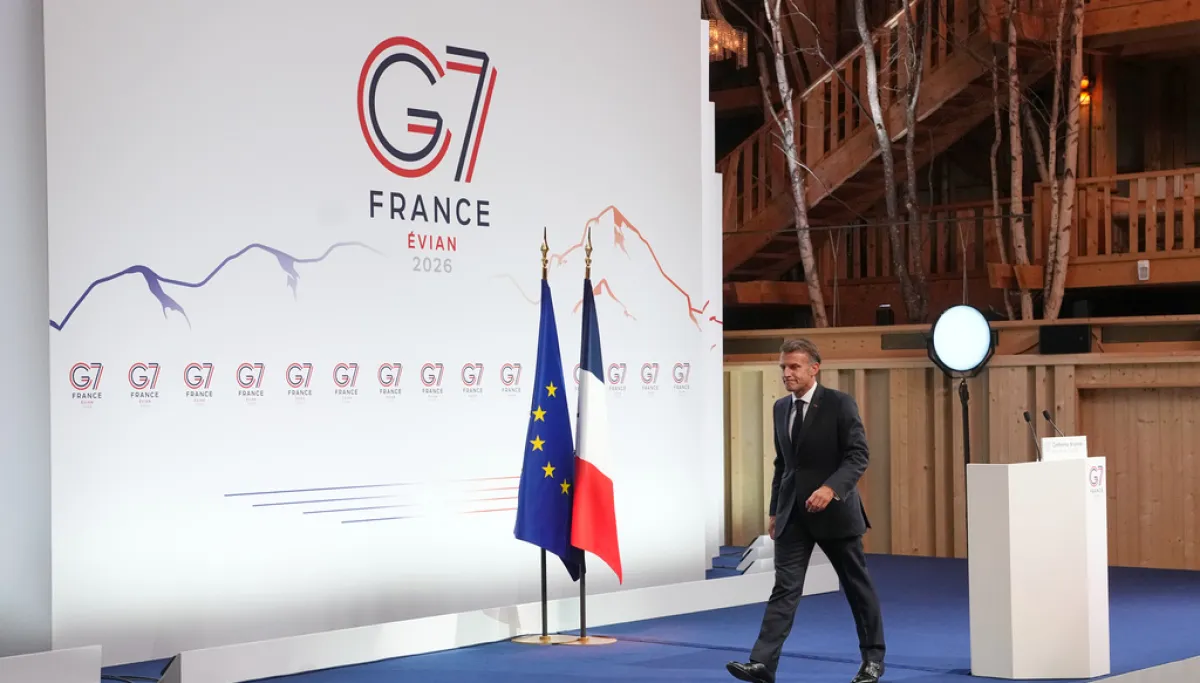
The Group of Seven leaders have agreed on a plan to reduce dependence on China for rare earths and critical minerals used in key defense and technology applications, the latest effort by the West to address a key point of leverage for China in trade and geopolitical negotiations.Leaders of the G7 released a joint statement on Wednesday stating that no single country outside of the group and its partners should supply more than 60% of rare earths and permanent magnets by 2030, with the hopes of reaching 50% as soon as possible. The joint statement did not name China, but Beijing is the global supplier of both rare earths and permanent magnets and has used its supply chain dominance against the United States and others in high-stakes talks. In response to President Donald Trump’s sweeping tariffs last year, China began choking the supply chain by imposing export controls on several key rare earths. In November, the president reached an agreement with China to lift some export controls on rare earths for a year.
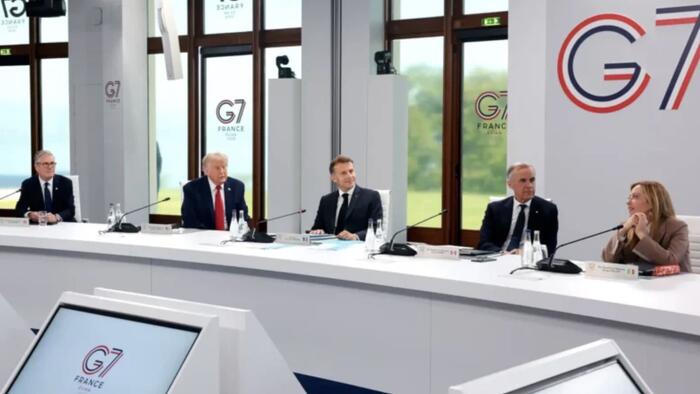
The G7, which is meeting in France this week, includes the host country, Canada, Germany, Italy, Japan, the United Kingdom, and the United States.
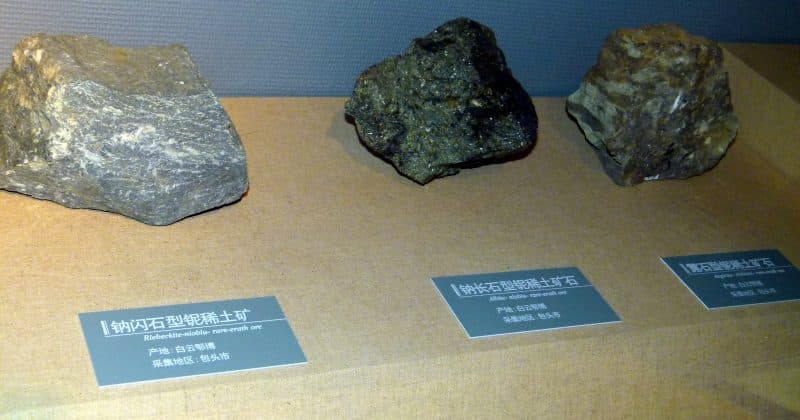
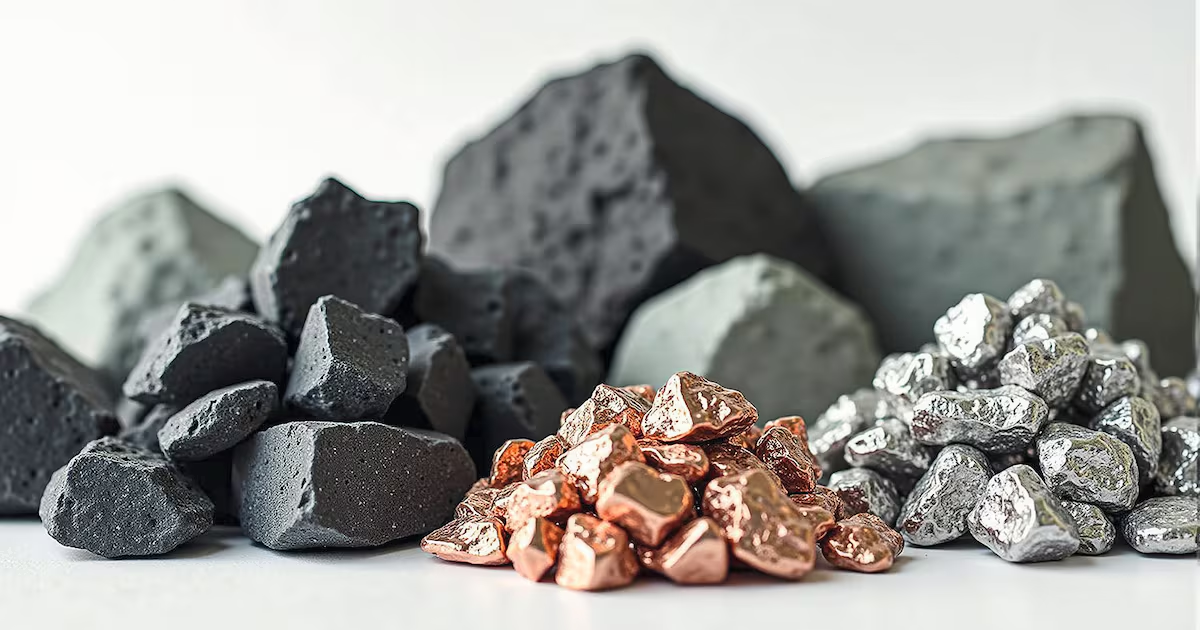
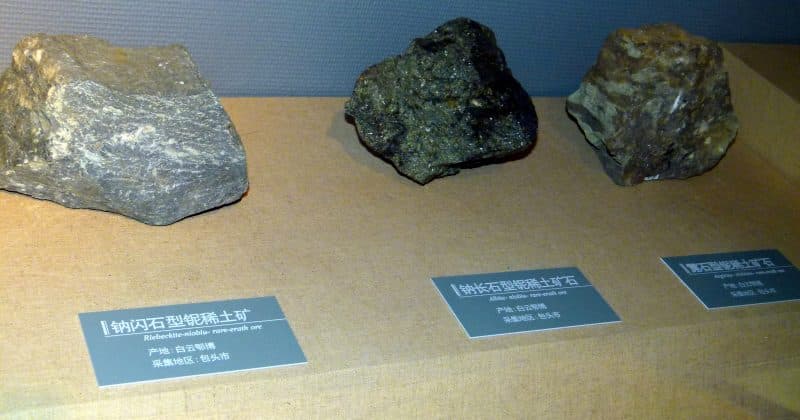
Rare earths and permanent magnets are essential for building defense and energy technologies, including consumer products. The U.S. has created partnerships with allies over the past year to coordinate on diversifying the critical mineral supply chain outside of China.