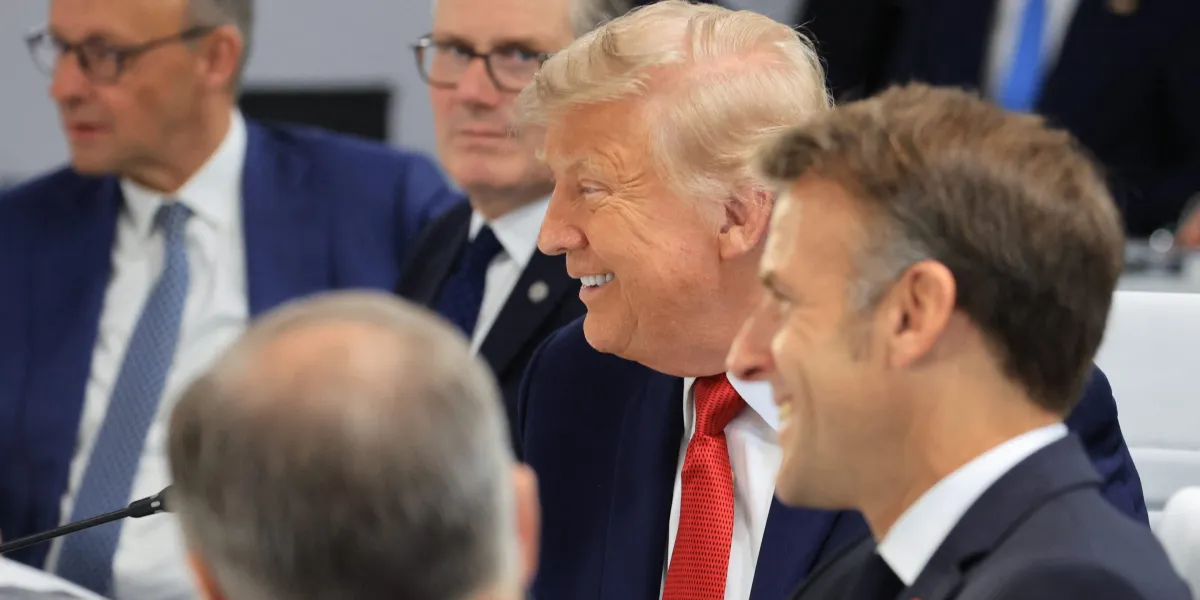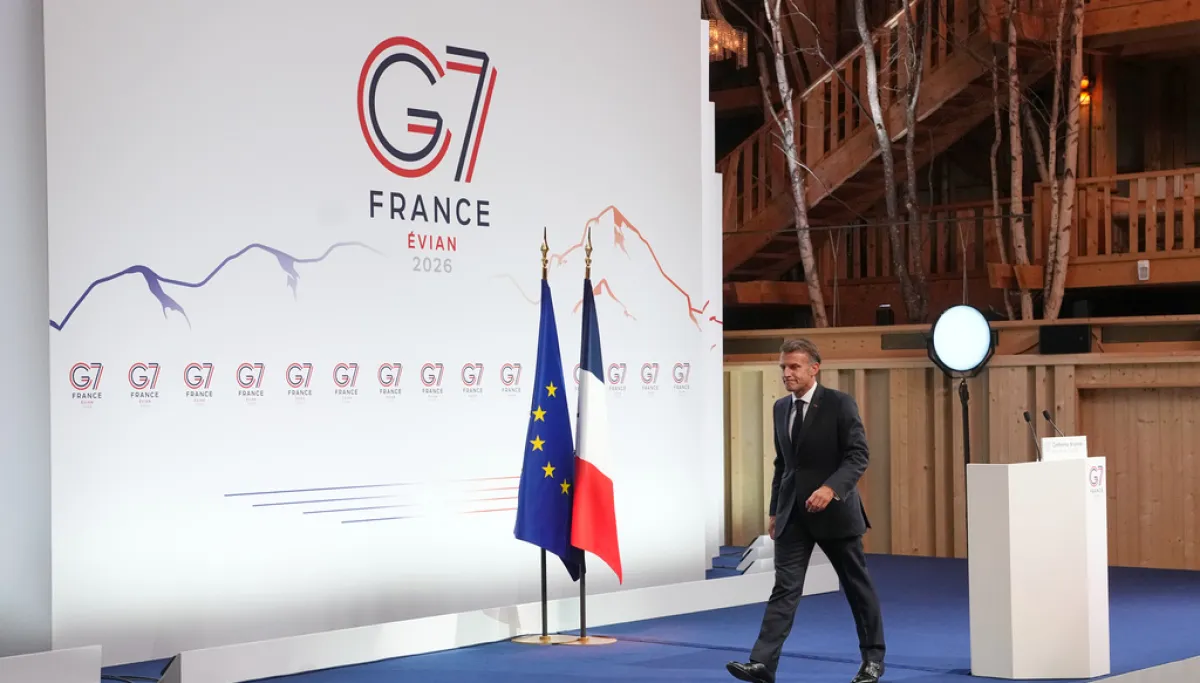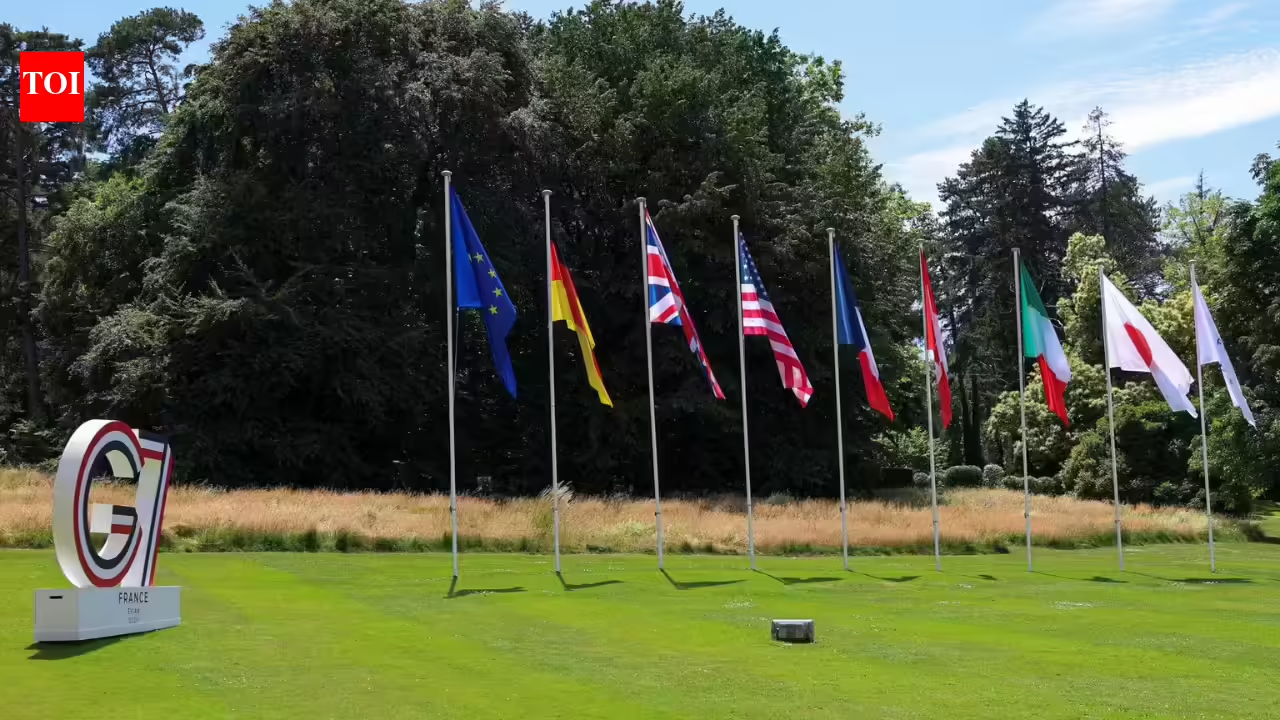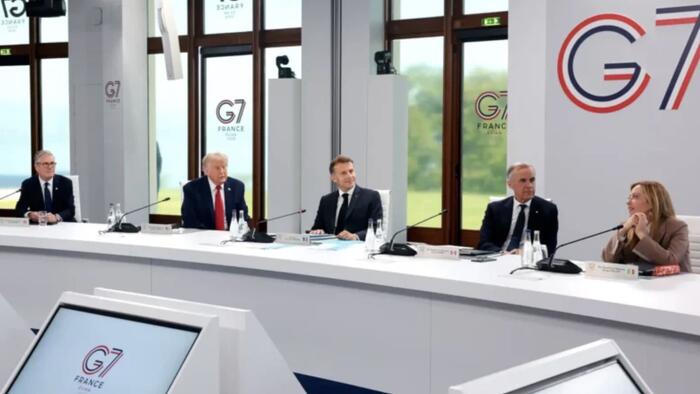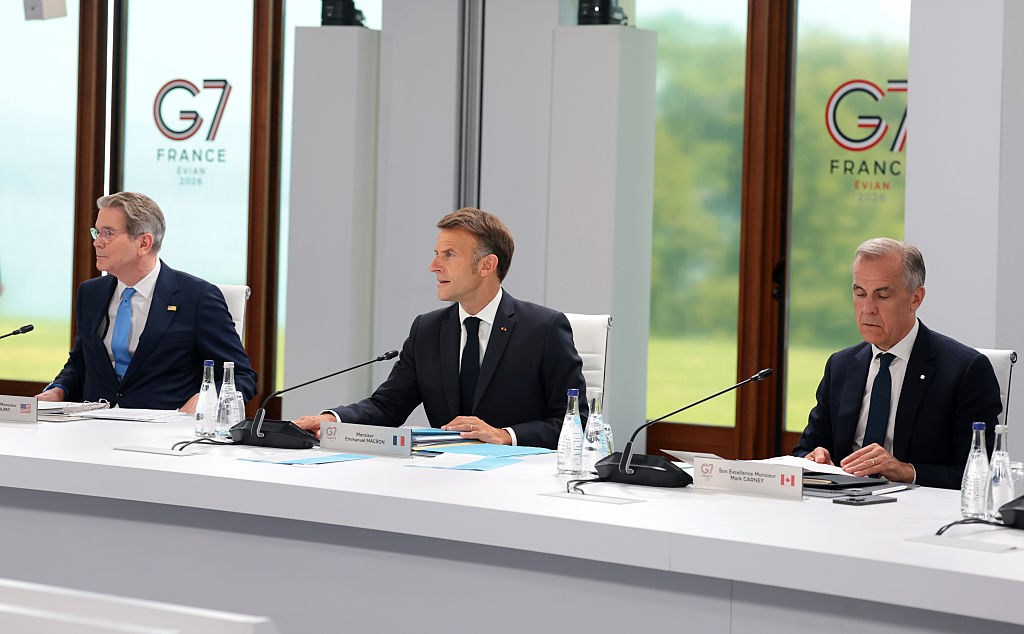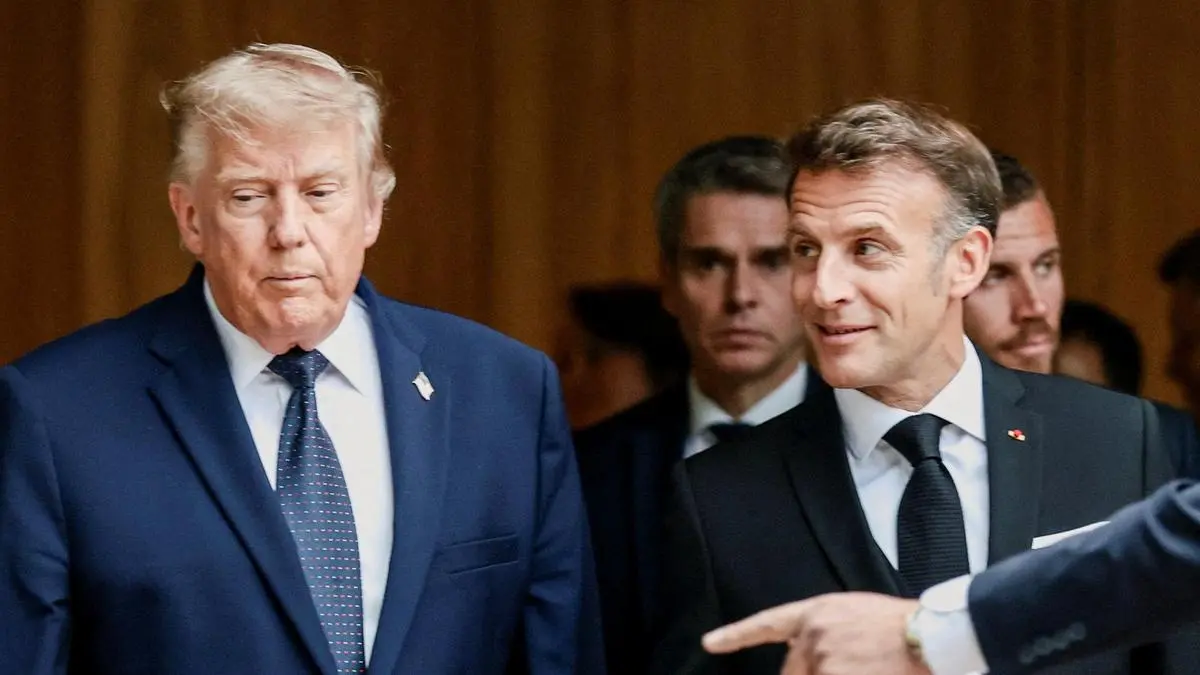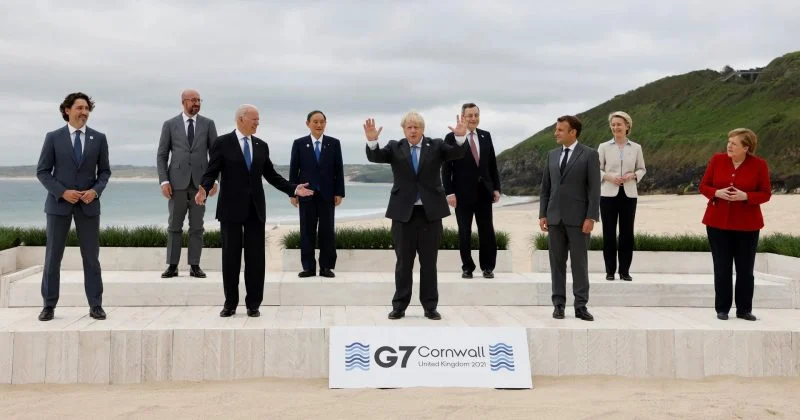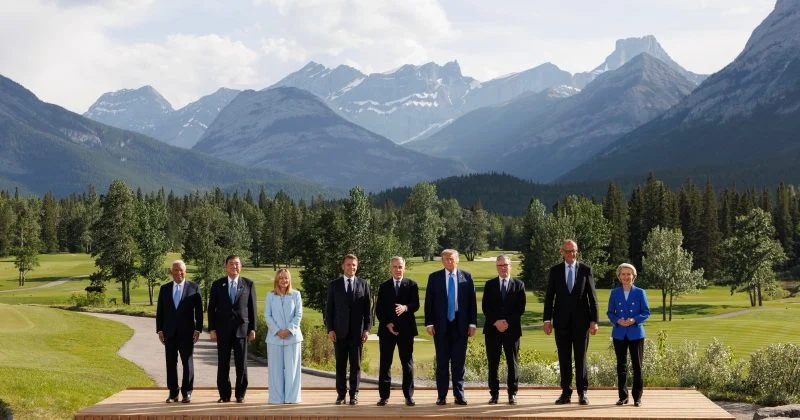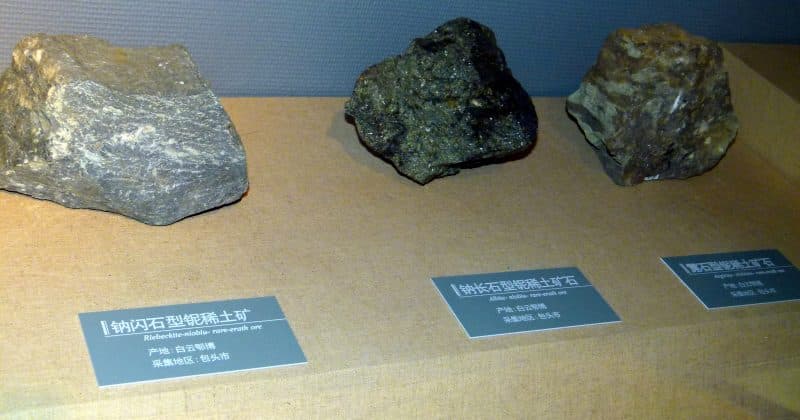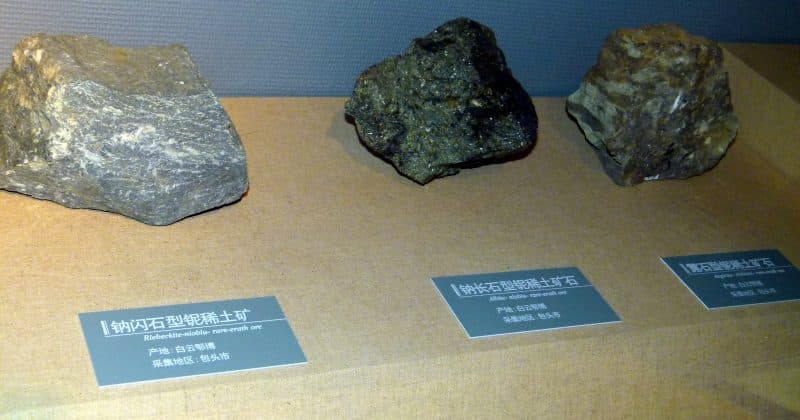
The world’s seven wealthiest democracies just drew a line in the sand on critical minerals. Meeting in Évian-les-Bains, France, G7 leaders committed to capping any single country’s share of their rare earth and permanent magnet imports below 60% by 2030, with an aspirational goal of reaching 50% as quickly as possible.
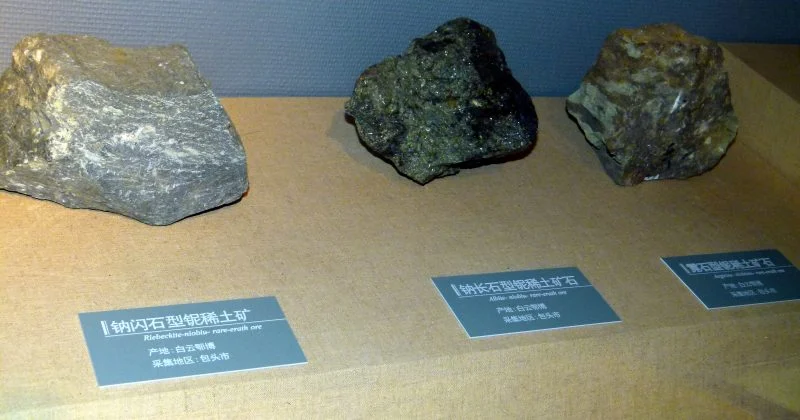
China currently accounts for nearly 70% of global rare earth production, meaning the G7 needs to shave at least ten percentage points off that dependency within four years.
What the G7 actually agreed to
The summit, which ran from June 15-17, produced a joint statement that goes beyond rhetoric. Leaders announced the creation of a new G7 critical minerals alliance linked with the International Energy Agency, designed to coordinate stockpiling efforts and bolster supply chain resilience across member nations.
The coordination mechanisms also include aligned stockpiling measures, so that Beijing can’t use export restrictions as economic leverage.