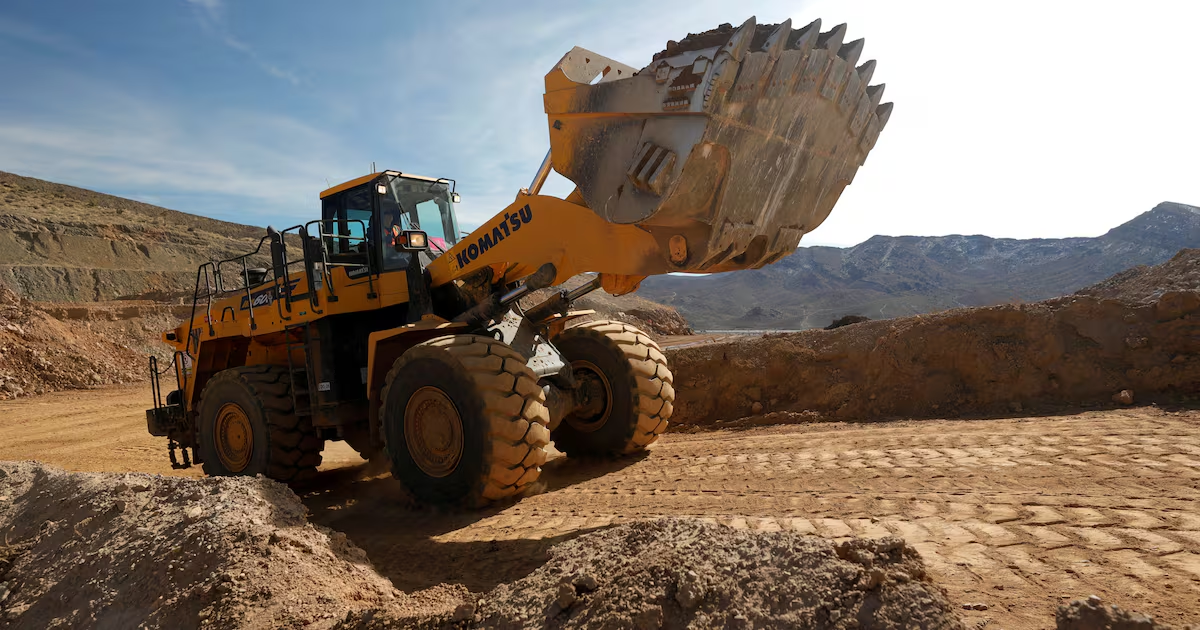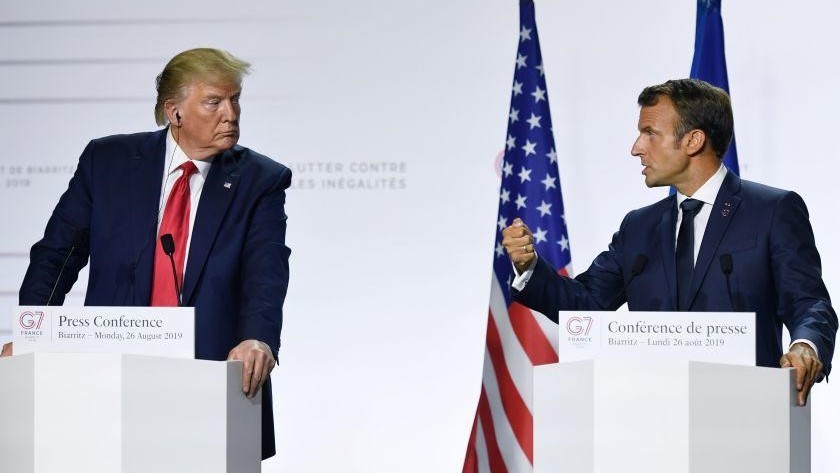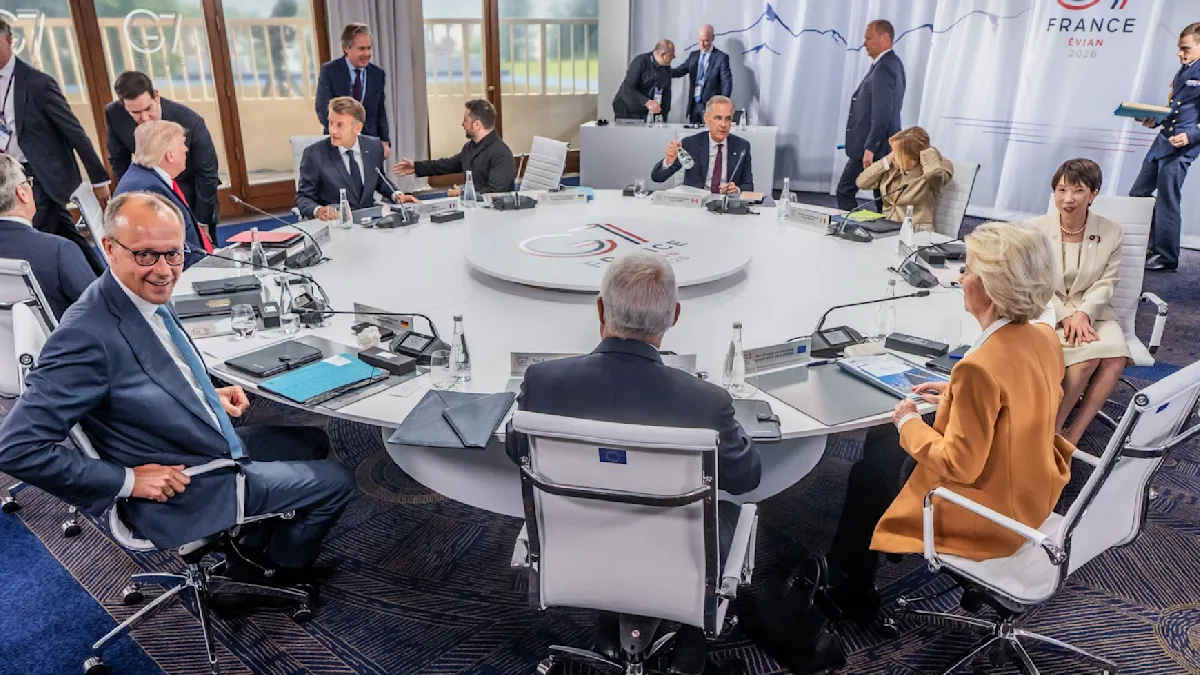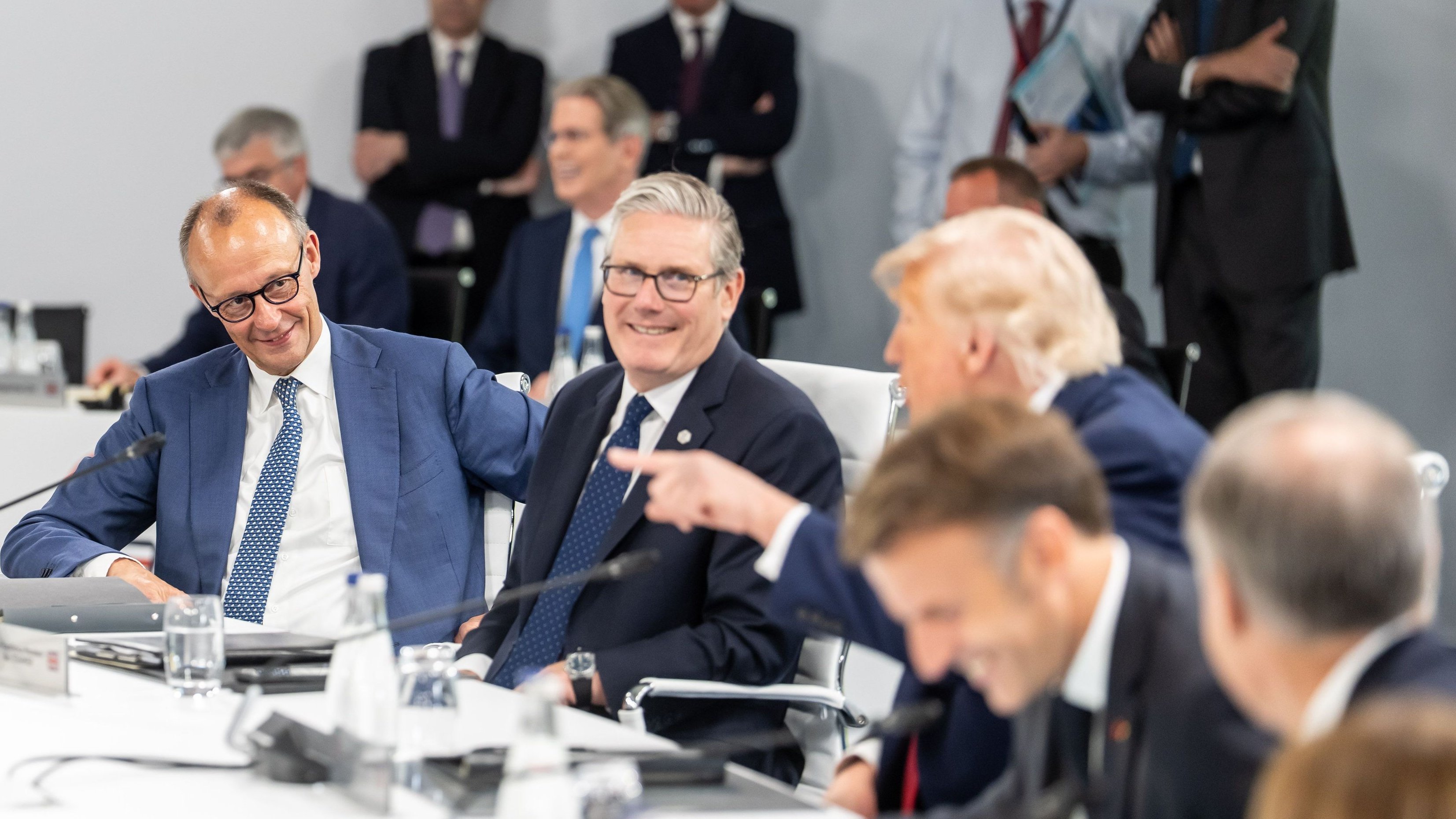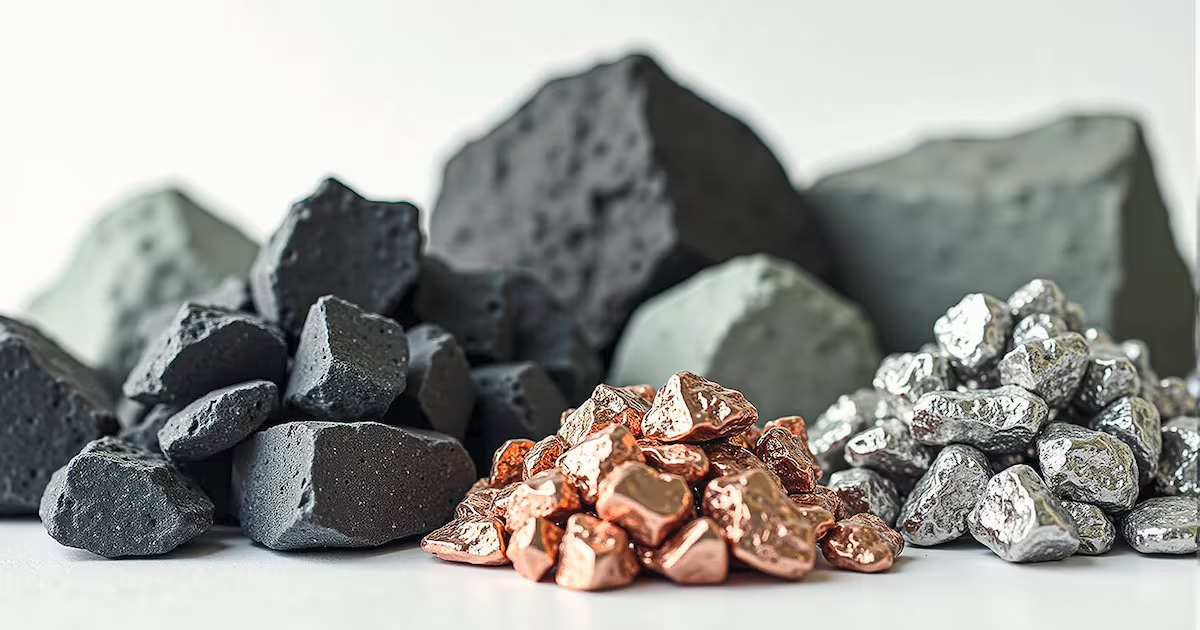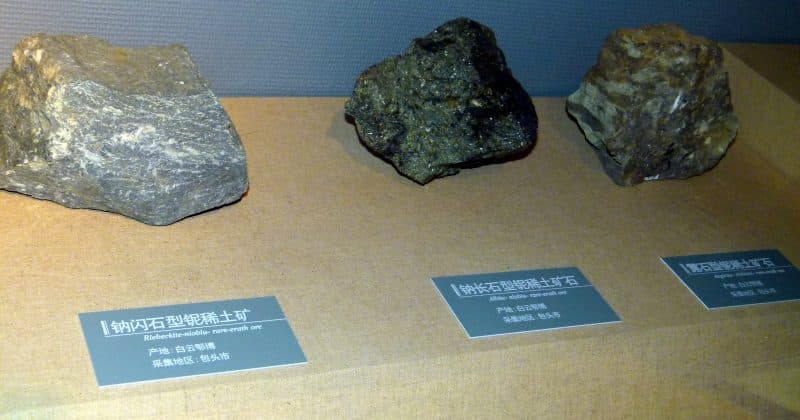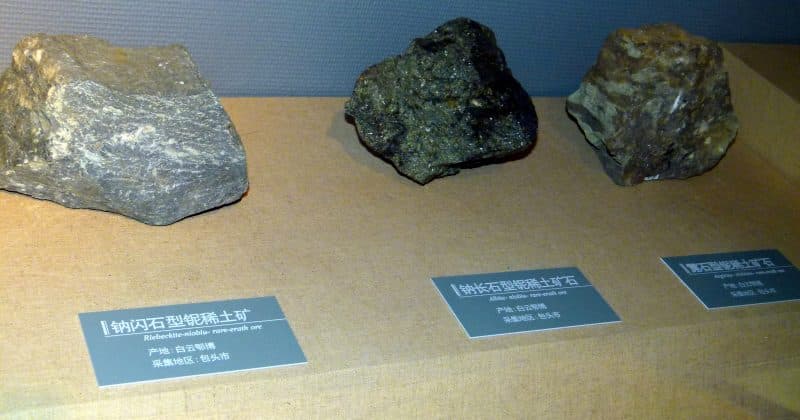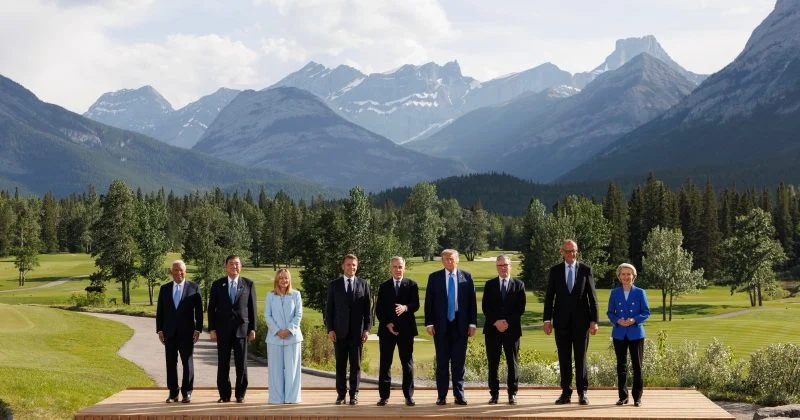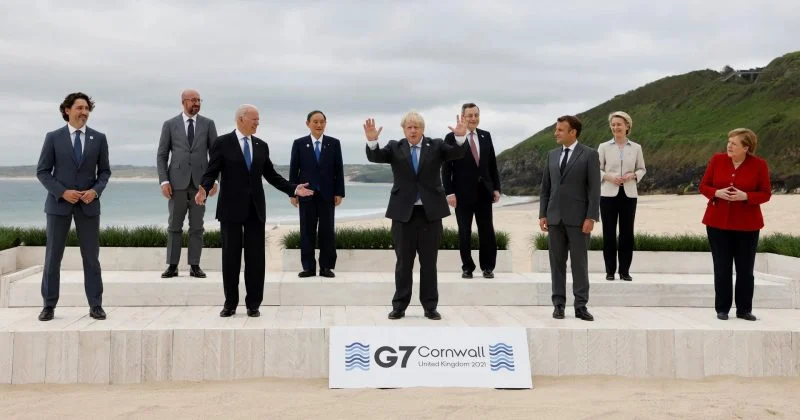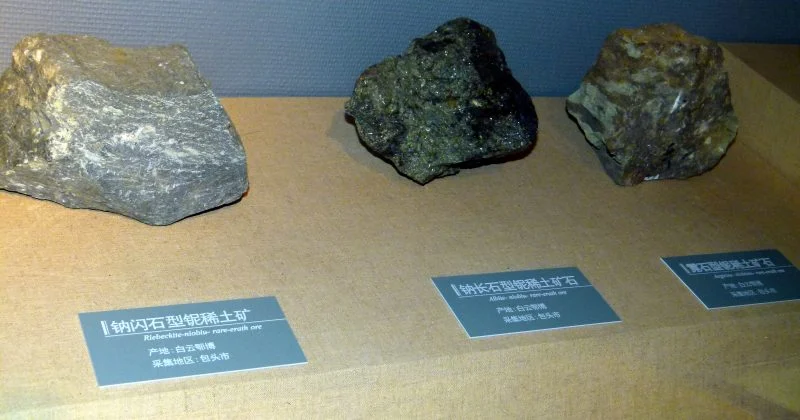
The G7 is drawing a line in the sand on rare earths. The bloc’s finance ministers and allied nations are actively working to cap China’s share of the global rare earth market at roughly 60%, a target that sounds modest until you realize Beijing currently controls the vast majority of the supply chain from mine to magnet.
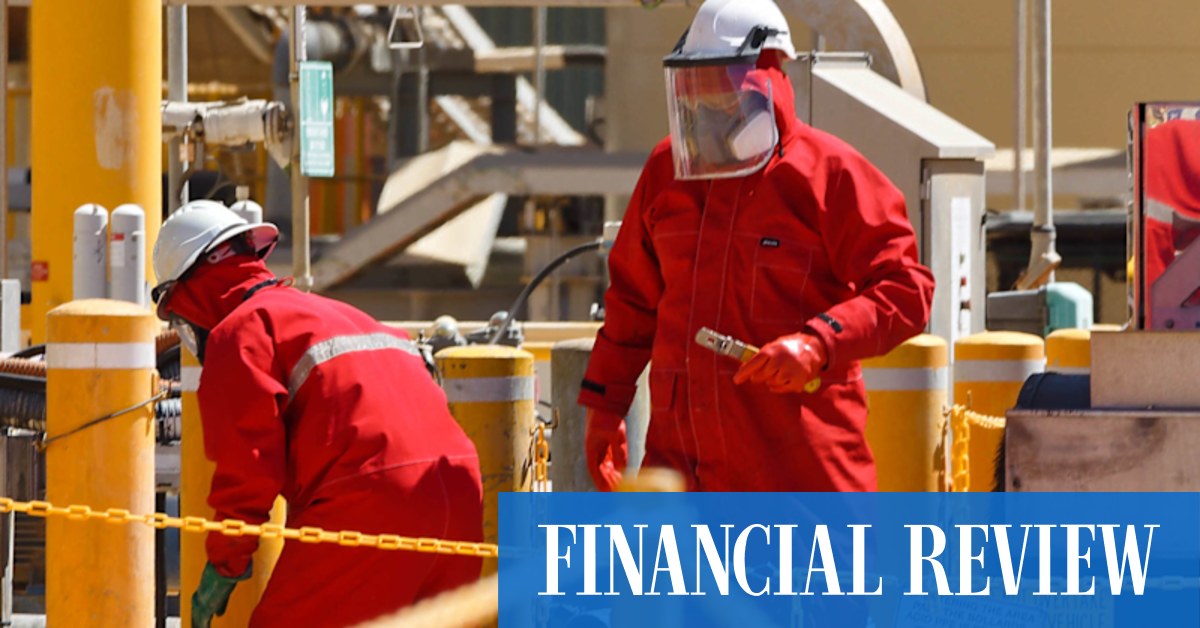
Here’s the thing: China mines approximately 60% of the world’s rare earths, processes about 90% of them, and manufactures more than 95% of the downstream magnets that end up in electric vehicles, wind turbines, smartphones, and advanced weapons systems. Limiting China’s mining share to 60% is really about attacking the rest of that pipeline, the refining and manufacturing chokepoints where Beijing’s dominance is most suffocating.
The playbook: price floors, tariffs, and friend-shoring
Policy tools under discussion include setting minimum prices for rare earths, imposing tariffs on Chinese supply, and offering incentives to boost production in allied countries.
The G7 unveiled a Critical Minerals Action Plan in June 2025, signaling that the issue had graduated from talking point to strategic priority. By October 2025, Canada spearheaded the launch of the Critical Minerals Production Alliance, pulling in partners like Australia, South Korea, and India.