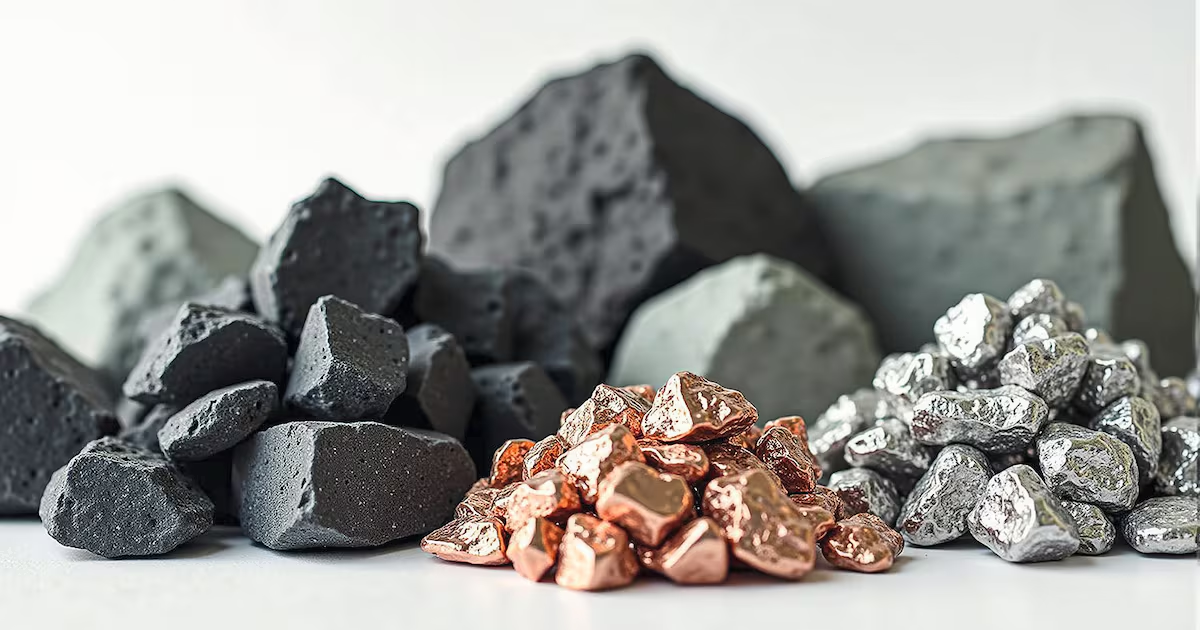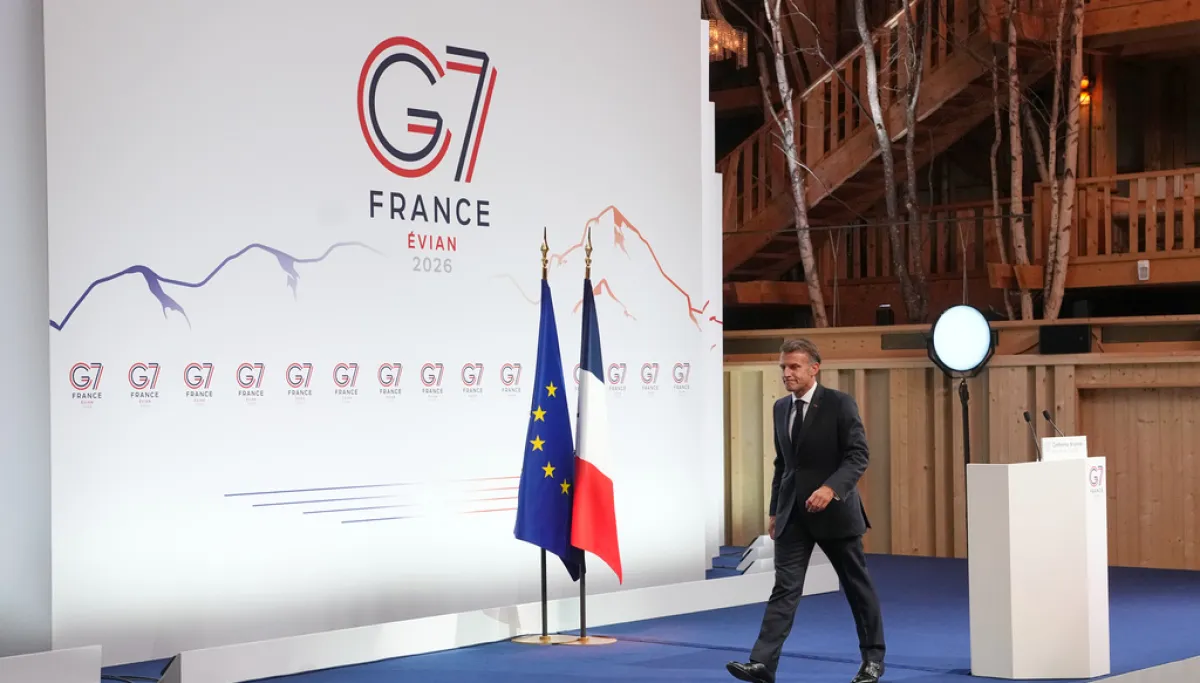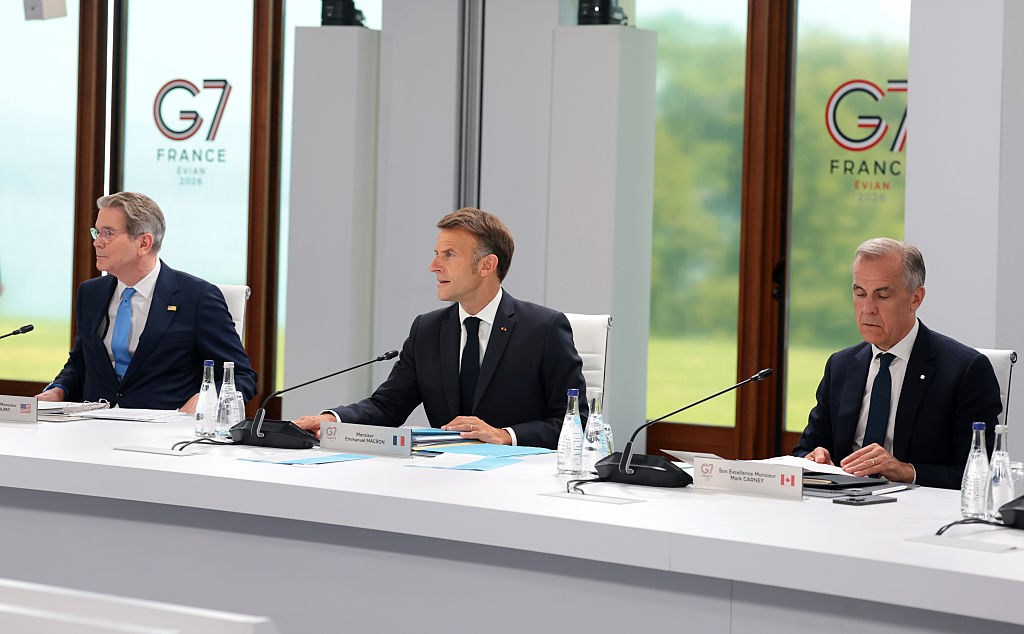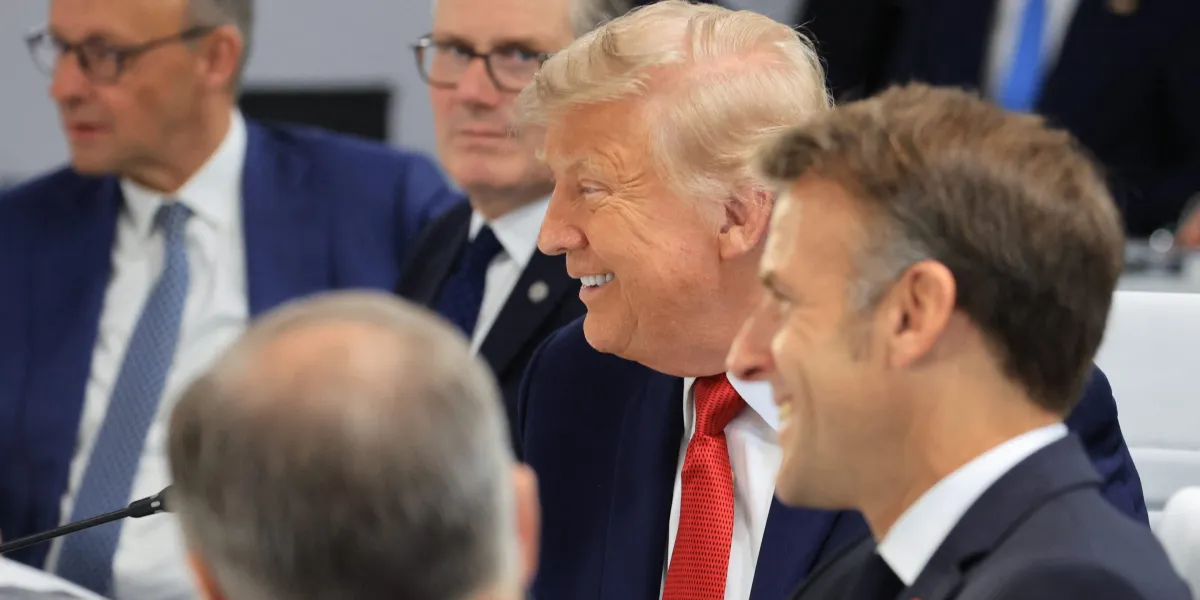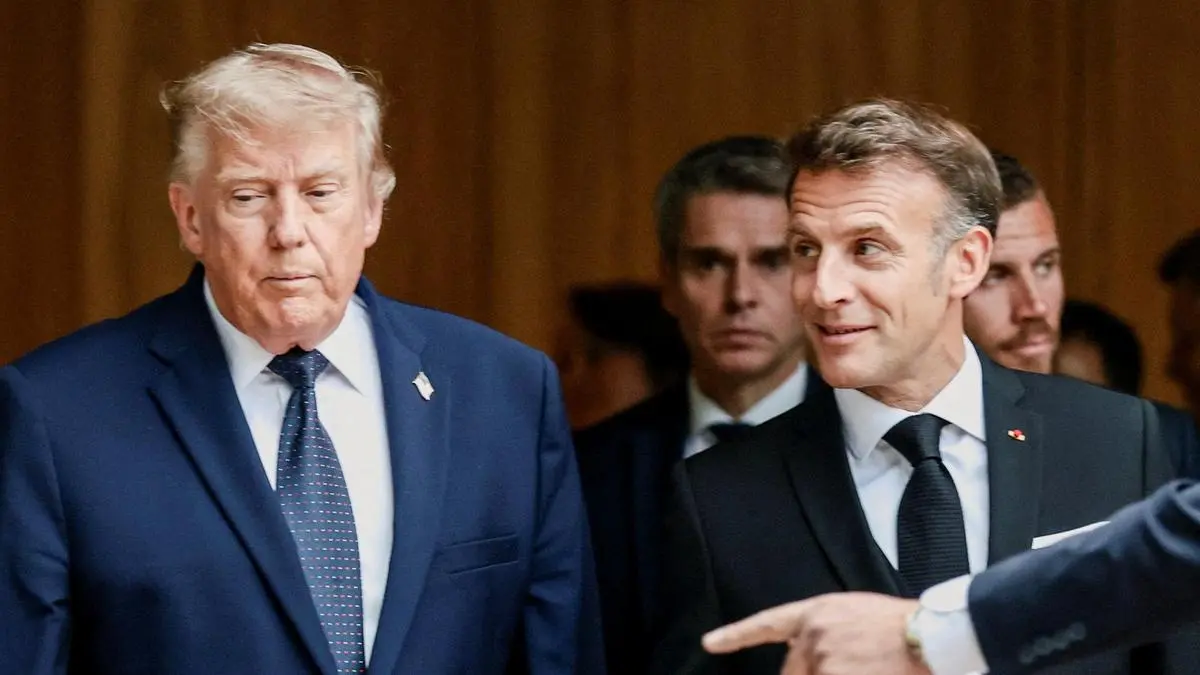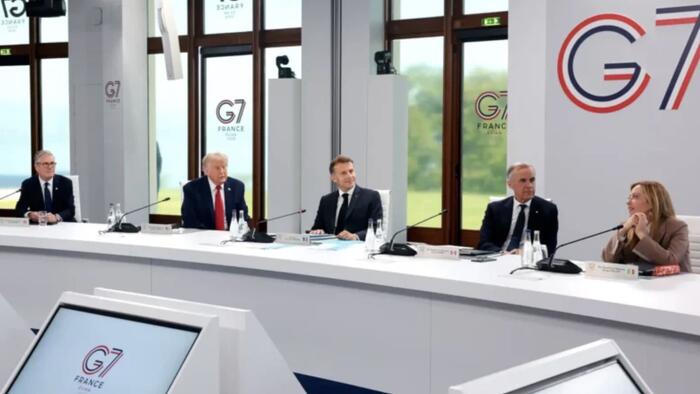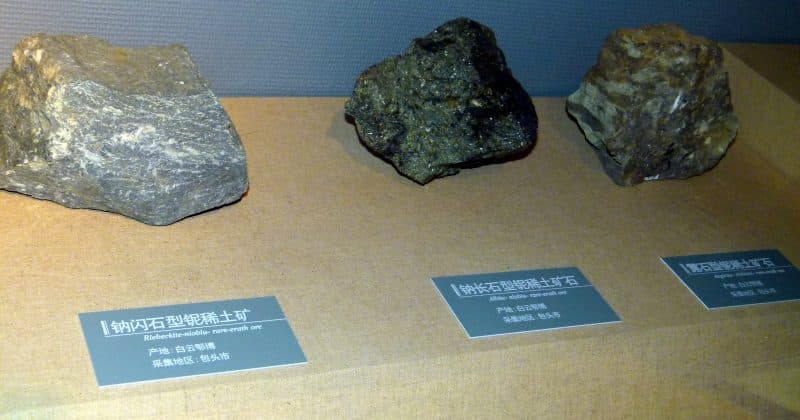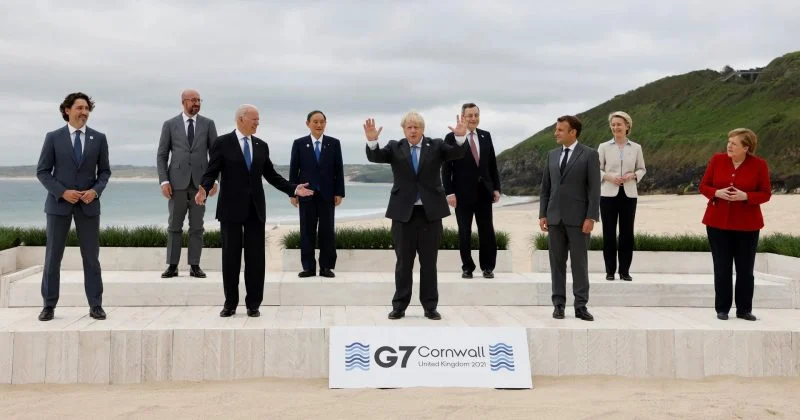
Seven of the world’s largest economies just drew a line in the sand on critical minerals. Meeting in Évian-les-Bains, France, G7 leaders announced a new alliance designed to wean their supply chains off China, which currently controls over 90% of the processing for key minerals like rare earths and permanent magnets.
The target: reduce reliance on any single non-G7 supplier to below 60% by 2030, with an aspirational goal of pushing that number down to 50% “as soon as possible.”
What the alliance actually does
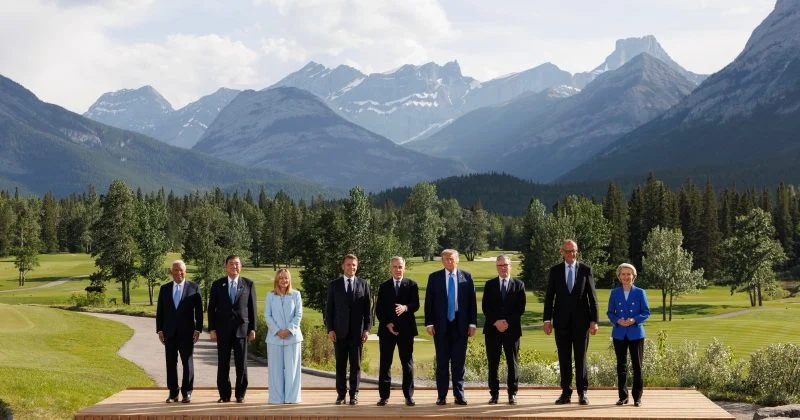
The new framework builds on the Critical Minerals Production Alliance launched in June 2025 during Canada’s G7 presidency. That earlier effort has already mobilized $6.4 billion in investments and supported 26 projects and partnerships across critical mineral supply chains, including graphite and rare earth elements.
The Évian agreement goes further in two key ways. First, it introduces enhanced coordination around stockpiling policies. Second, it tasks the International Energy Agency with a more prominent role in monitoring and securing mineral supply chains.