Guinea, Morocco, the Democratic Republic of the Congo (DRC), and South Africa are home to some of the world's largest mineral reserves, placing Africa at the centre of global supply chains for critical resources.
Globally, a small number of countries dominate reserves of the minerals that power modern economies—from iron ore and copper to rare earth elements, lithium, and cobalt. In several cases, a single nation accounts for an outsized share of global reserves, creating potential supply chain bottlenecks while strengthening its influence over critical industries.
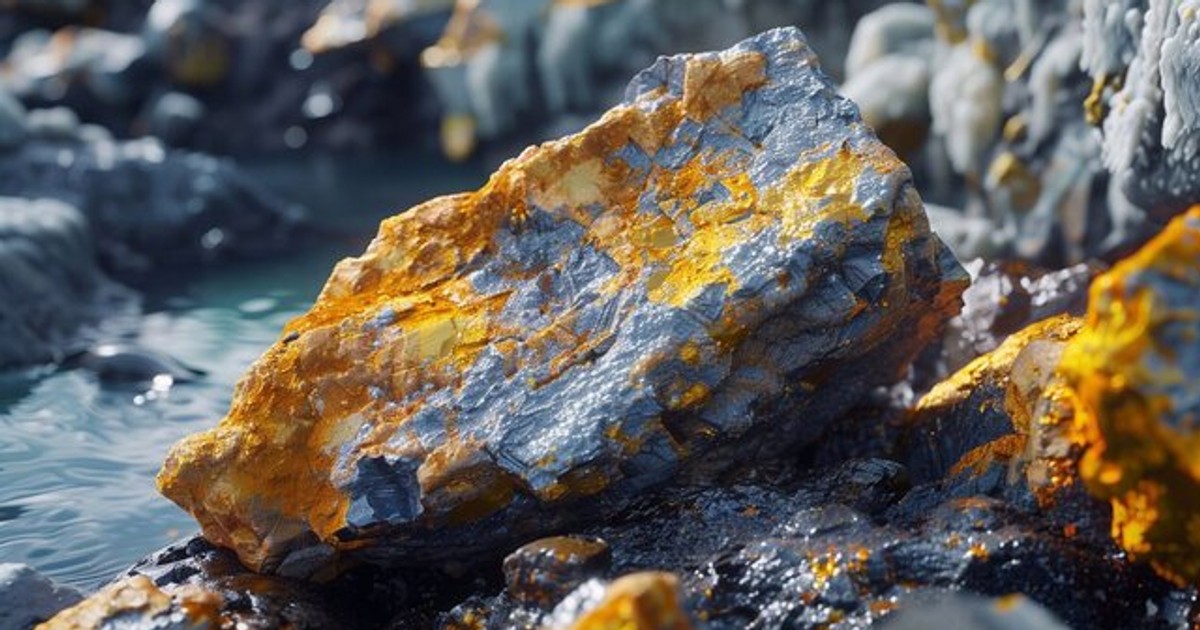
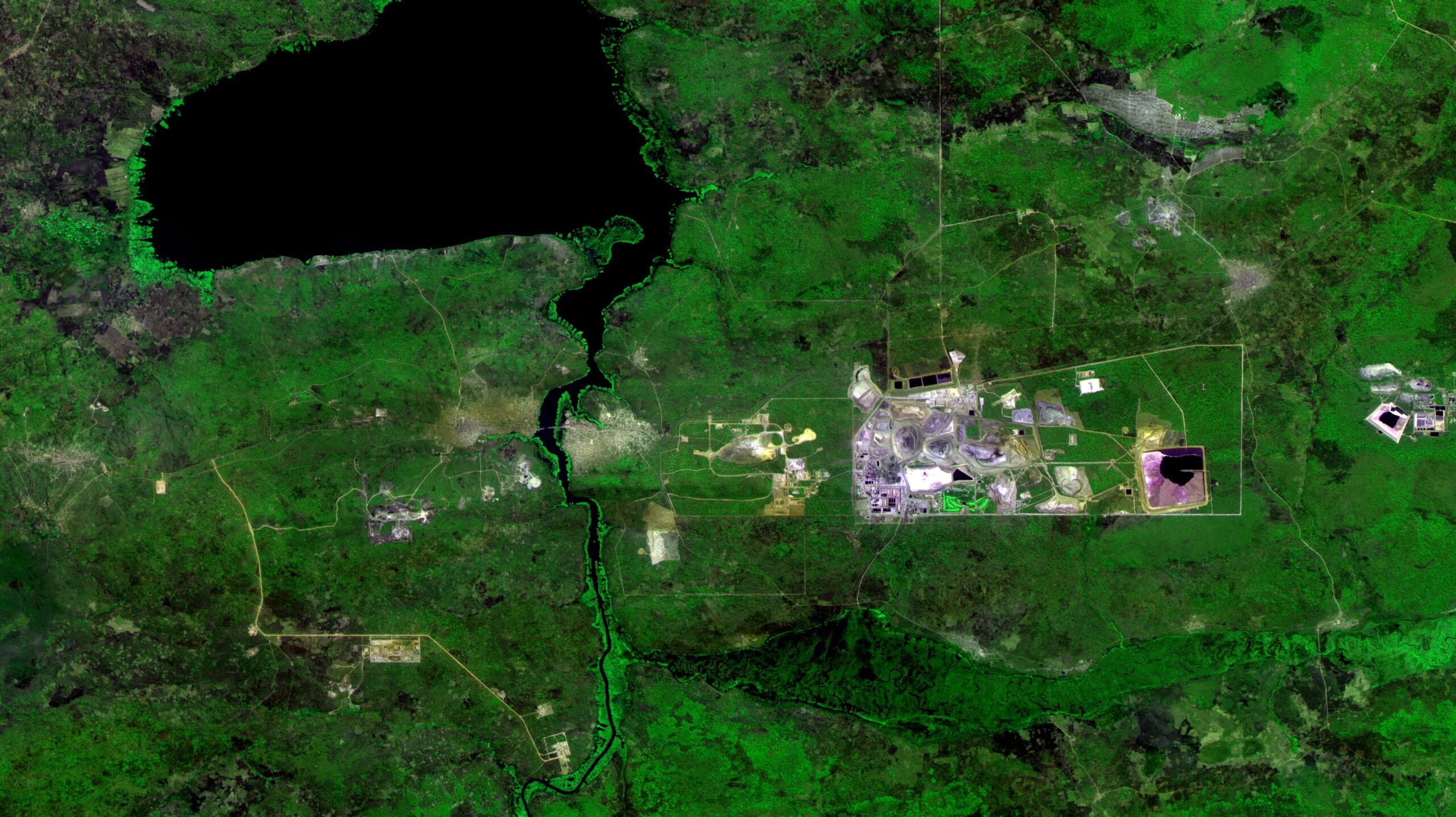
Guinea holds the world's largest bauxite (aluminium ore) reserves, accounting for 26% of the global total, according to a report by VisualCapitalist. The DRC possesses 50% of the world's cobalt reserves, Morocco controls 69% of global phosphate reserves, while South Africa is home to 83% of the world's platinum-group metal (PGM) reserves.
Guinea: The world's bauxite powerhouse
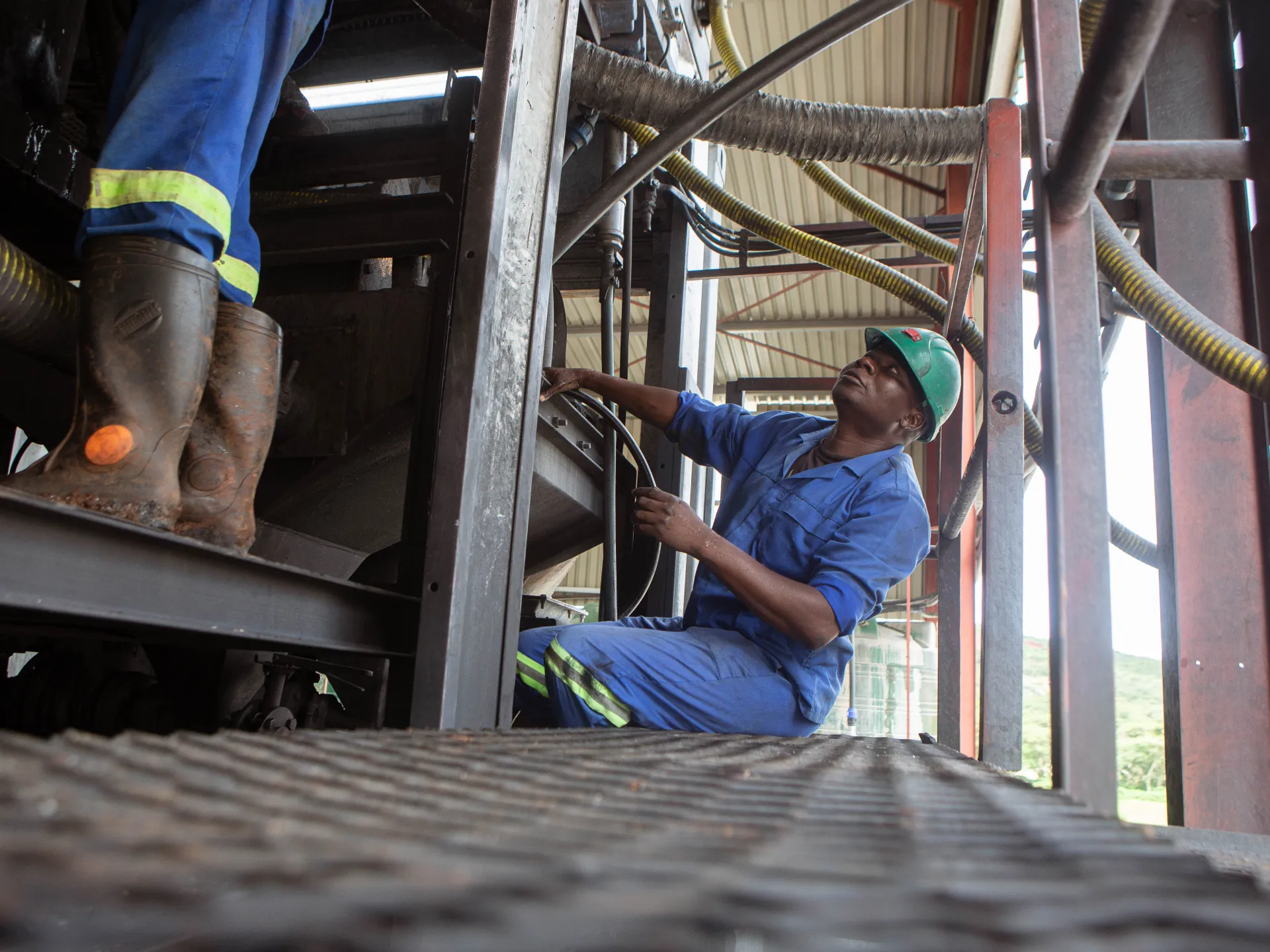
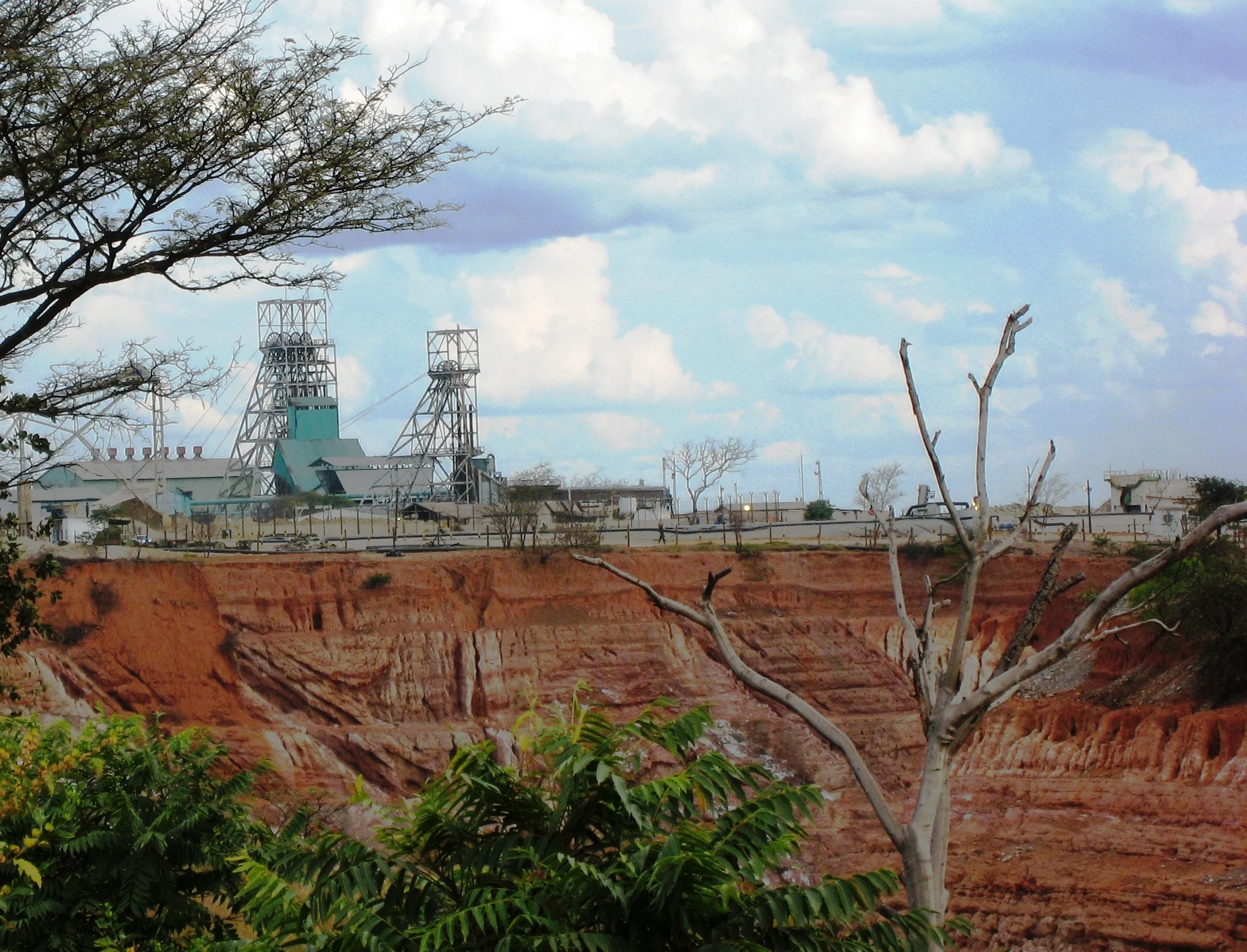
Guinea holds the world's largest bauxite reserves, the primary ore used to produce aluminium, accounting for about 26% of global reserves. The West African nation has become a critical supplier to aluminium producers, particularly China, which imports large volumes of Guinean bauxite to feed its smelters. Mining is the backbone of Guinea's economy, attracting billions of dollars in foreign investment from companies across Asia, Europe, and the Middle East.