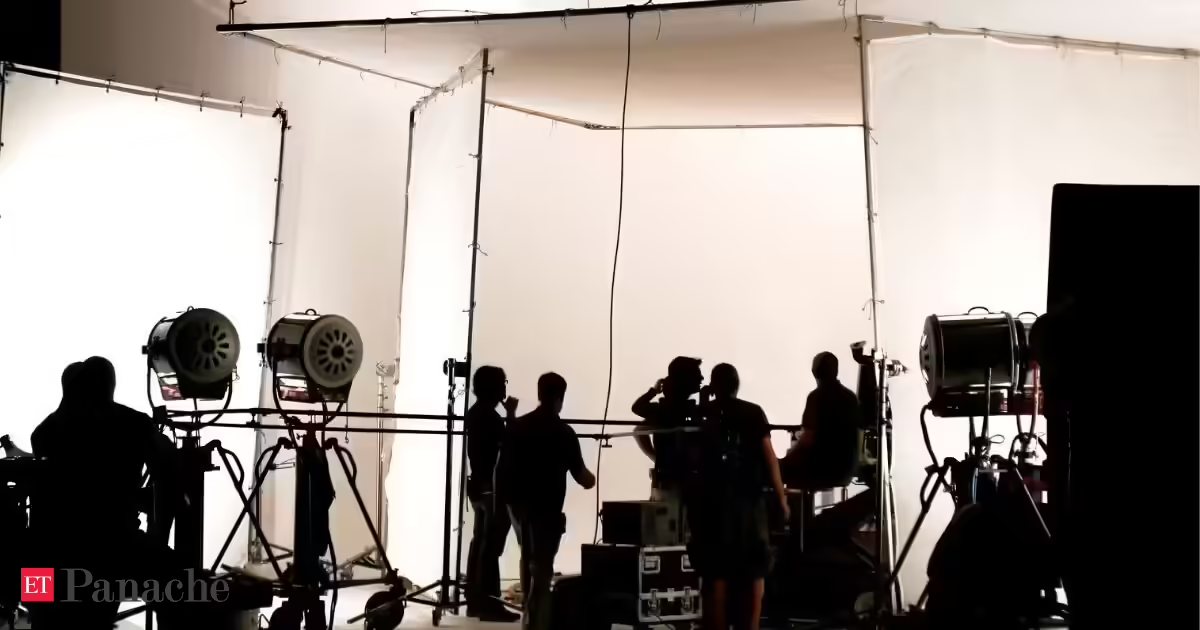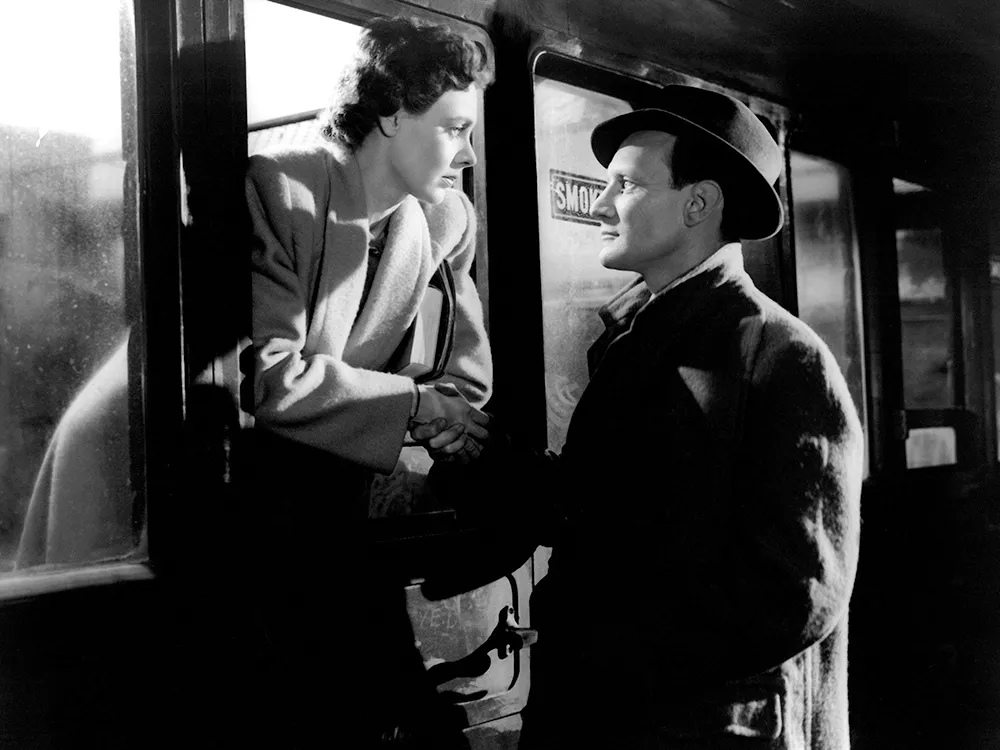
The making of films is a process often on an industrial scale, and among the thousands of professionals contributing there are dozens whose practice might constitute a solid history of the artform. The great stars and directors are the usual routes into the history of film; but the roles of studio executives, producers, costume designers (Edith Head! Givenchy!), composers of scores, cinematographers and editors would make compelling narratives, too.
A history of cinema audiences could also be interesting – ranging from those who are supposed to have fled in terror as a filmed express train came hurtling towards them in the 1890s; to the yobs who slashed the seats in cinemas showing 1950s rock’n’roll movies (but why?); to the choreographed responses to The Rocky Horror Picture Show and the sing-alongs to The Sound of Music. And there could even be a history of cinemas themselves. I think individual cinemas have made more of an impact on me than even certain theatres or bookshops – for instance, the Sheffield Gaumont, the PPP and the Phoenix in Oxford, the Arts Cinema in Cambridge and the Scala in King’s Cross, where the rumble of underground trains added an aura of dread to the often obscene classics it specialised in.