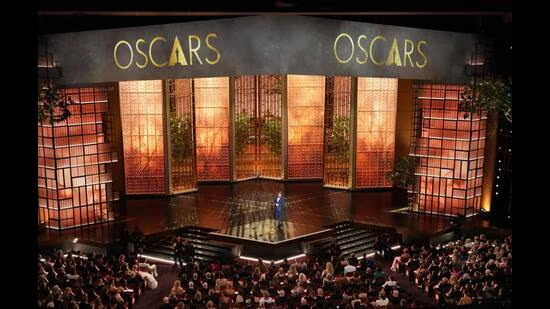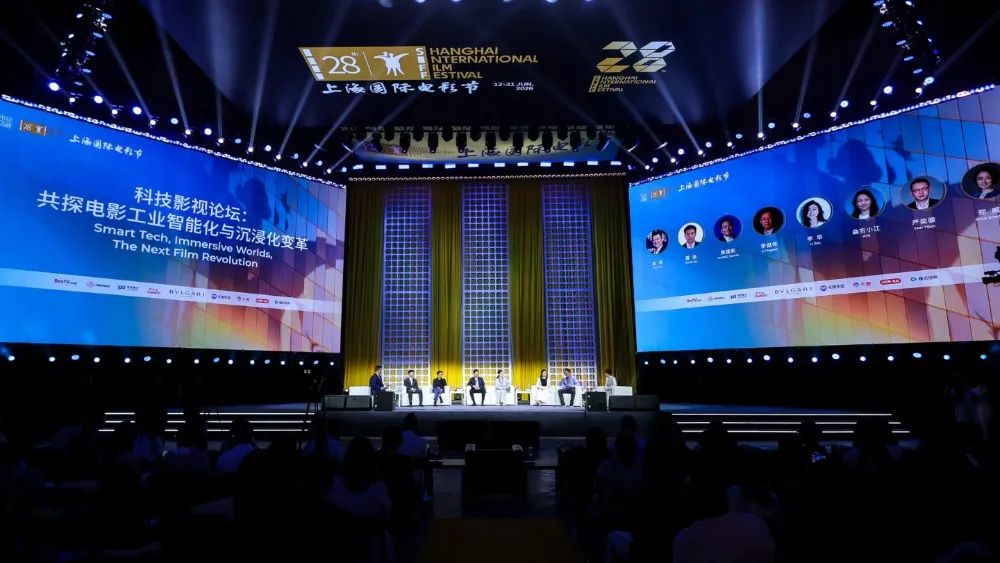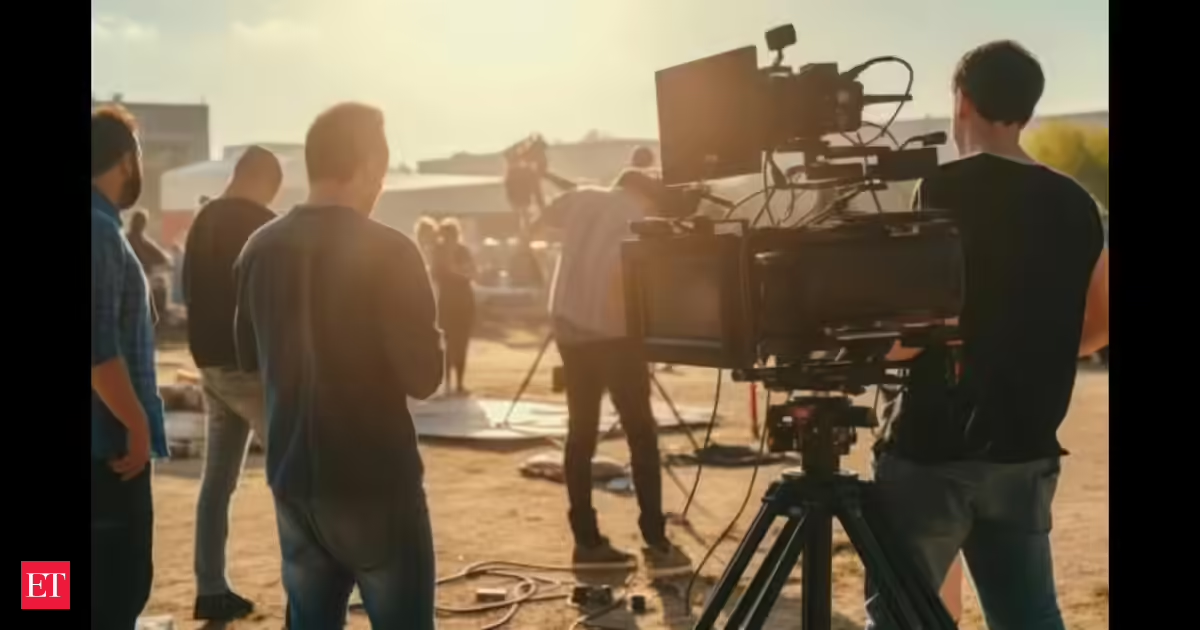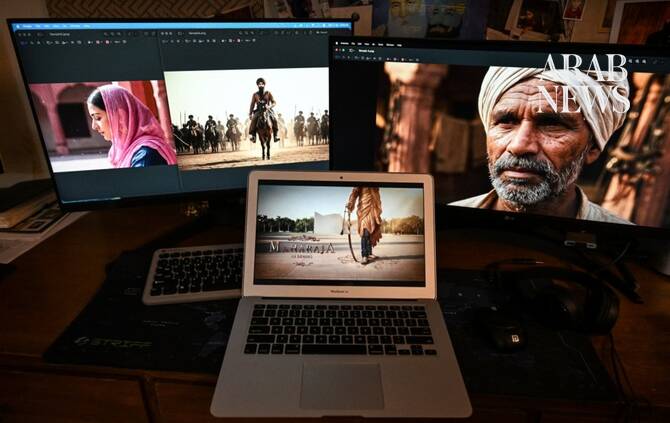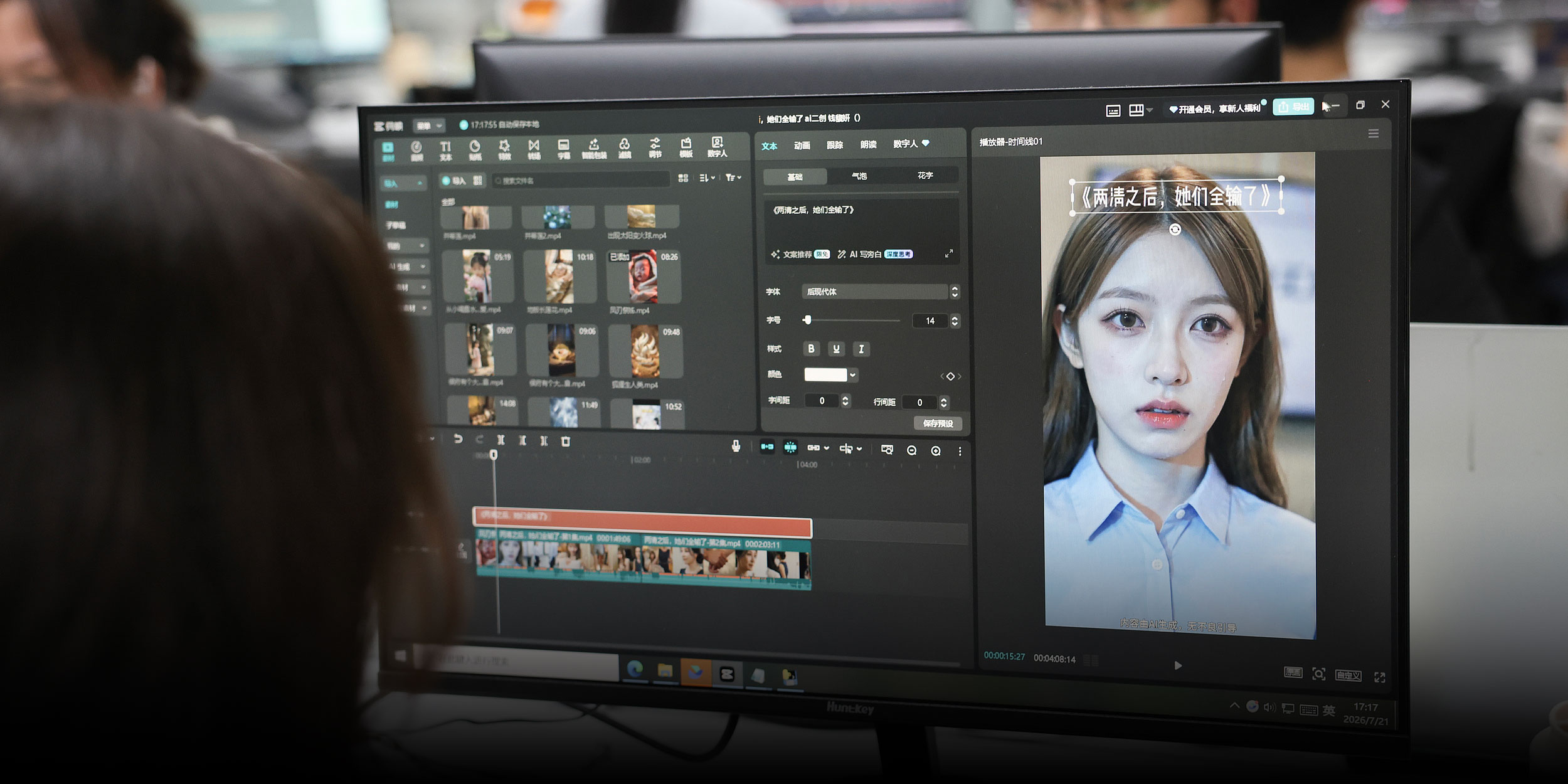
For decades, filmmaking has followed a familiar rhythm. A story moved through clearly defined stages, writing, planning, production, and post-production, each dependent on time, teams, and physical execution. Even with advances in digital tools, the structure largely stayed the same. Cinema was still a human-heavy process, sets had to be built, scenes had to be shot, and visual effects had to be crafted frame by frame. The speed of storytelling was ultimately limited by logistics, budgets, and coordination.That foundation is now starting to shift. Generative AI has introduced a different way of working, one where parts of the filmmaking process can be simulated, accelerated, or re-imagined before anything is physically created. Editing, dubbing, and effects can be partially automated. The result is not just faster production, but a restructuring of how creative decisions are made. Filmmaking is gradually becoming less linear and more iterative, with creation and refinement happening in parallels rather than sequence.Hollywood was among the first to confront this shift at scale. Large studios began experimenting with AI in visual effects, script support, de-aging technology, and even voice replication.At the same time, it also triggered resistance, concerns around actor rights, creative ownership, and the long-term impact on traditional roles became central to industry debates. In Hollywood, AI is being adopted carefully, often layered into existing systems rather than replacing them outright, but the direction is clear: it is becoming part of the production infrastructure, not just an external tool.However when it comes to the Indian cinema, the adoption is taking a slightly different shape. With cinema operating across multiple languages and regional markets, localisation has always been a complex and expensive layer of production. AI is now beginning to reduce that friction, especially in dubbing, translation, and versioning of content for different audiences. At the same time, cost pressures in VFX-heavy genres and the rise of streaming platforms are pushing studios to explore AI as a way to shorten production cycles and expand output capacity. It is not yet a full transformation, but the early signals show clear movement toward AI-supported workflows across writing, production, and post-production.What is emerging across all three contexts is not a replacement of filmmaking, but a reconfiguration of it. The craft is still anchored in human direction and storytelling intent, but the machinery around it is changing. Tasks that once defined the pace of cinema are becoming faster, more flexible, and increasingly automated. The biggest shift is not in what audiences see on screen, but in how easily and quickly that screen can now be filled.The future of cinema is therefore not defined by whether AI belongs in filmmaking, it already does. The real question is how far the industry is willing to redesign itself around it. Because once the process of making films becomes faster, cheaper, and more adaptive, the boundaries of what gets made, and who gets to make it, begin to expand in ways the traditional system was never built to support.Also Read: AI-first filmmaking model debuts with Jio Studios' 'Krishna'Indian film studios are using AI to cut costs, speed production, despite mixed audience reactionsAI use comes of age in Hindi film productionDisclaimer Statement: This content is authored by a 3rd party. The views expressed here are that of the respective authors/ entities and do not represent the views of Economic Times (ET). ET does not guarantee, vouch for or endorse any of its contents nor is responsible for them in any manner whatsoever. Please take all steps necessary to ascertain that any information and content provided is correct, updated, and verified. ET hereby disclaims any and all warranties, express or implied, relating to the report and any content therein.
AI in Filmmaking: How Hollywood and Indian Cinema Are Rebuilding Film Production
AI is transforming filmmaking from scriptwriting and dubbing to VFX, localisation, and post-production. As Hollywood adopts AI cautiously and Indian cinema moves faster, film production is becoming more efficient, scalable, and technology-driven.
610 words~3 min read