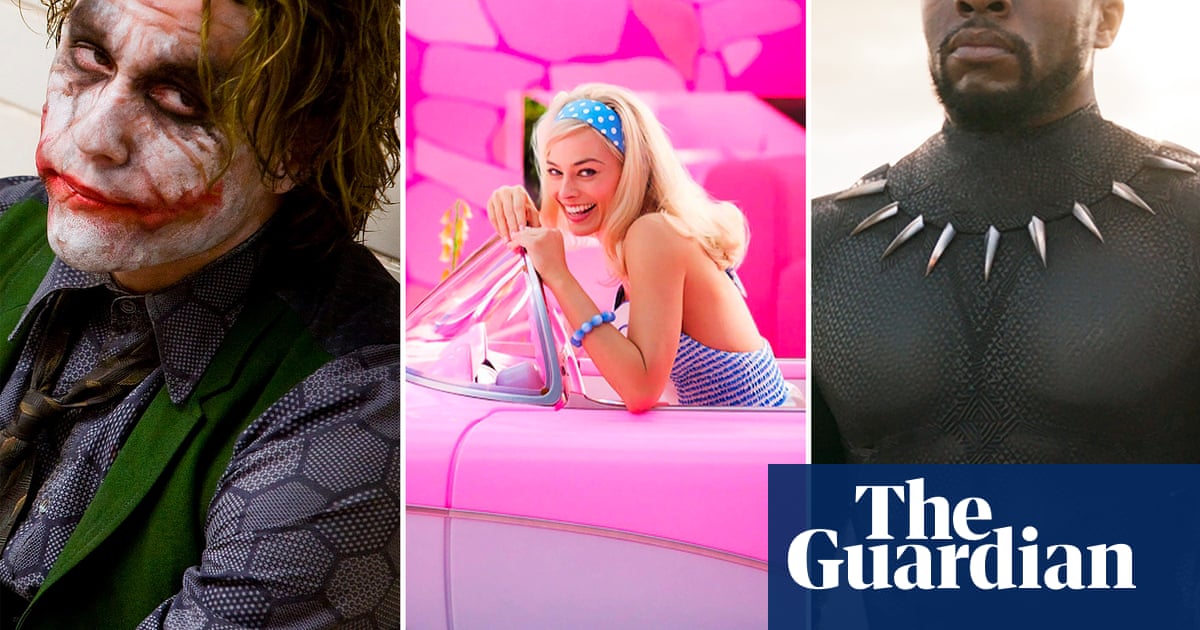
In the last of our miniseries, we look at how Hollywood has become a franchise machine. But in a sea of superheroes and sequels, there is still room for cinematic artistry
We’ve mulled over music, tackled TV and now, to finish our series looking at how pop culture has changed in the first quarter of the 21st century, we’re chewing over cinema.
And there’s quite a bit of chewing to do, equivalent to at least a medium-rare steak or a large toffee. Because, while film might not have been disturbed quite as dramatically by streaming as music or TV has, its still had to contend with some serious changes in audience habits. The more than a century-old practice of spending money to stare at a giant screen in a darkened room now has all manner of competition, including streamers like Netflix beaming films with the same production values and star names straight to your living room at a fraction of the price.
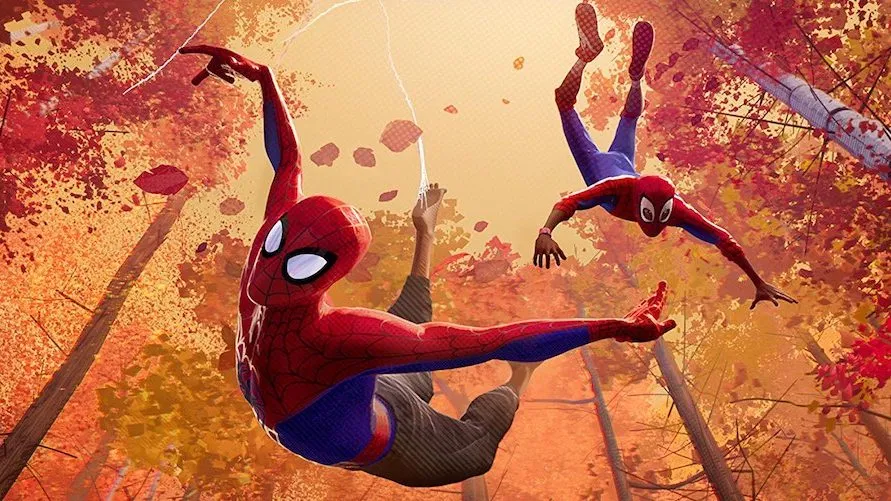
These changing headwinds, not to mention a global pandemic that discouraged people from gathering in enclosed spaces together, have only intensified a focus on what studios believe will coax people into cinemas: superhero movies, sequels and stories drawn from familiar IP – wizards, hobbits, Barbies. All of these make an appearance in the list of the biggest films each year at the global box office, which we’ll be looking at today.