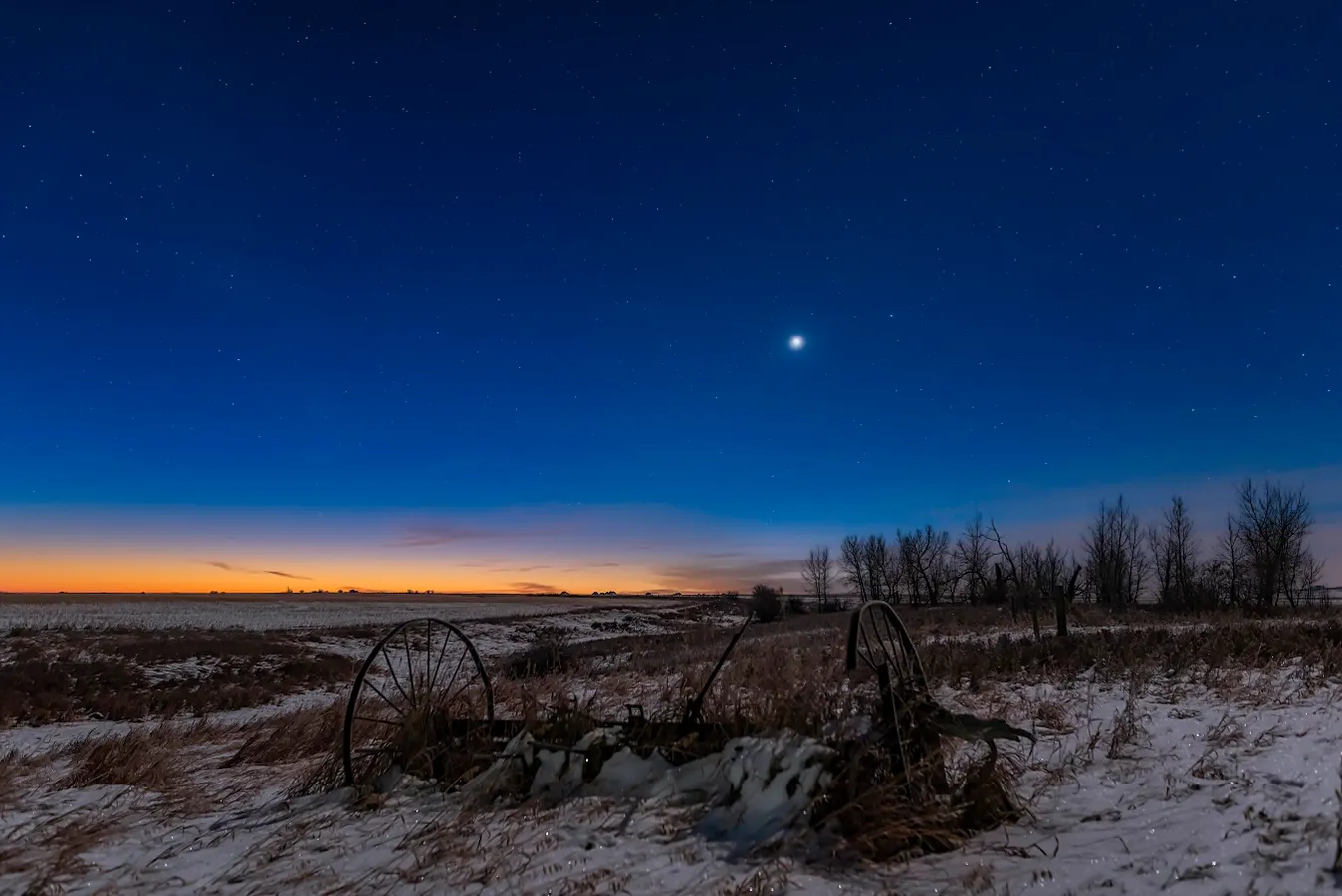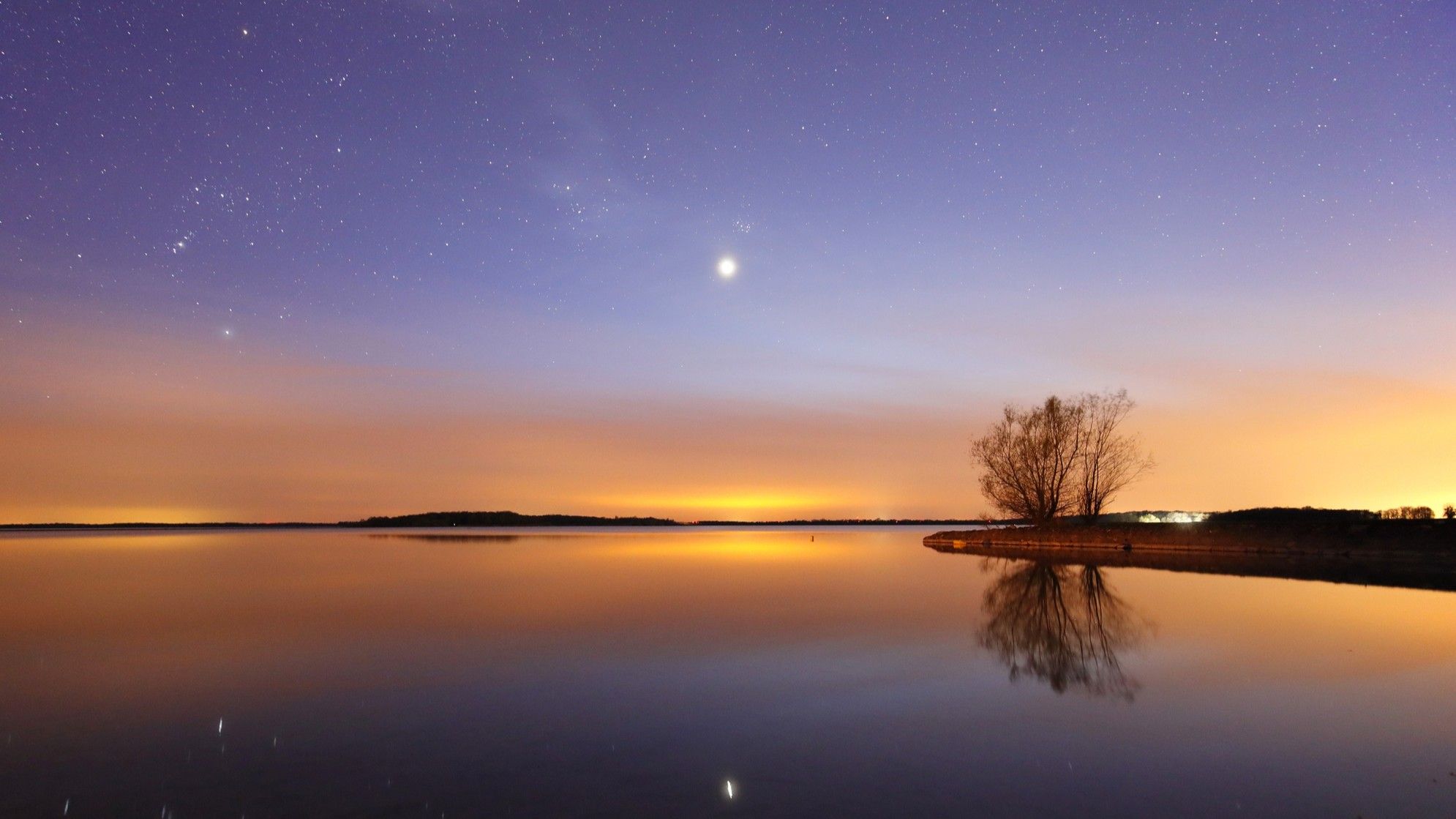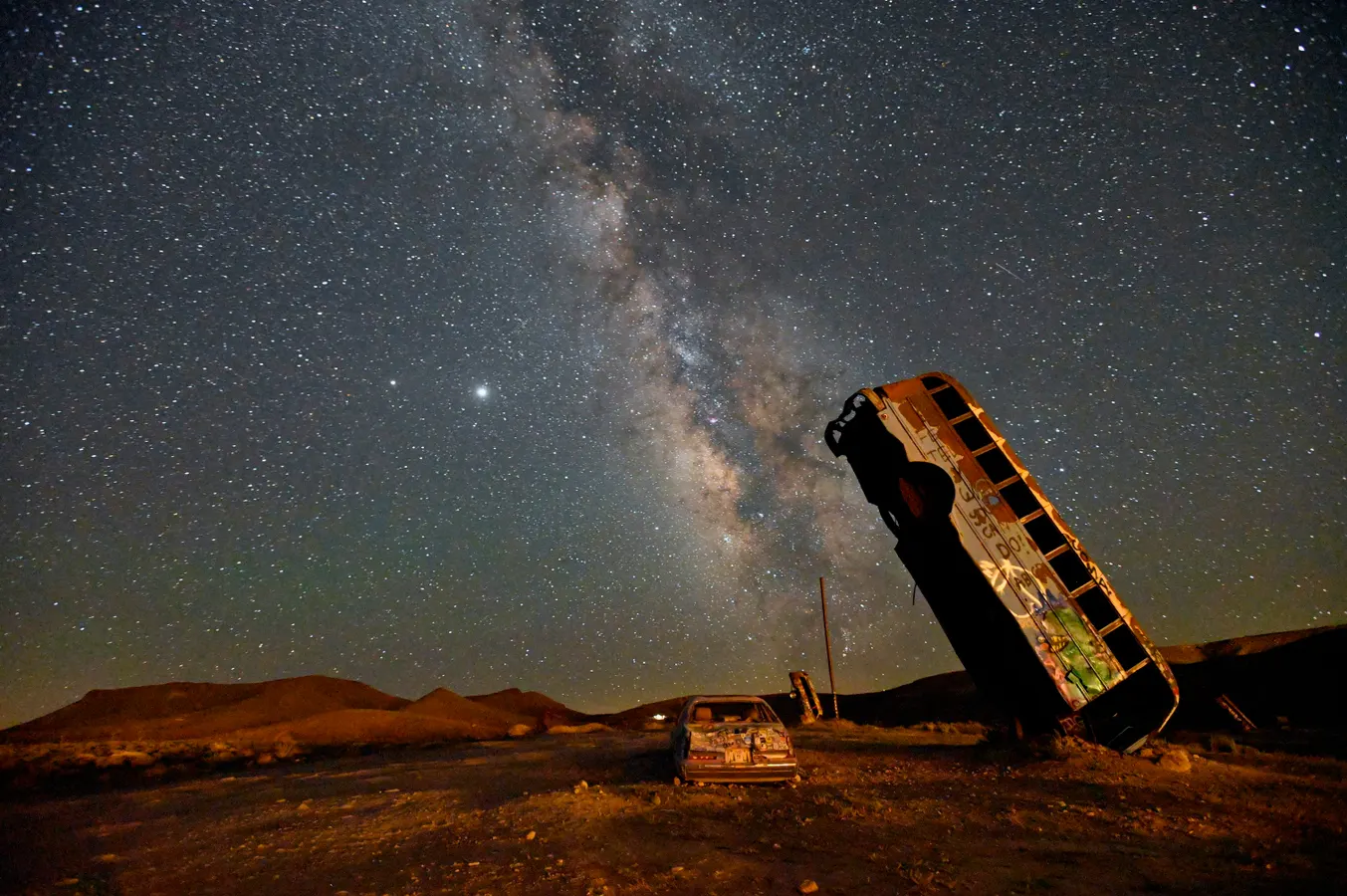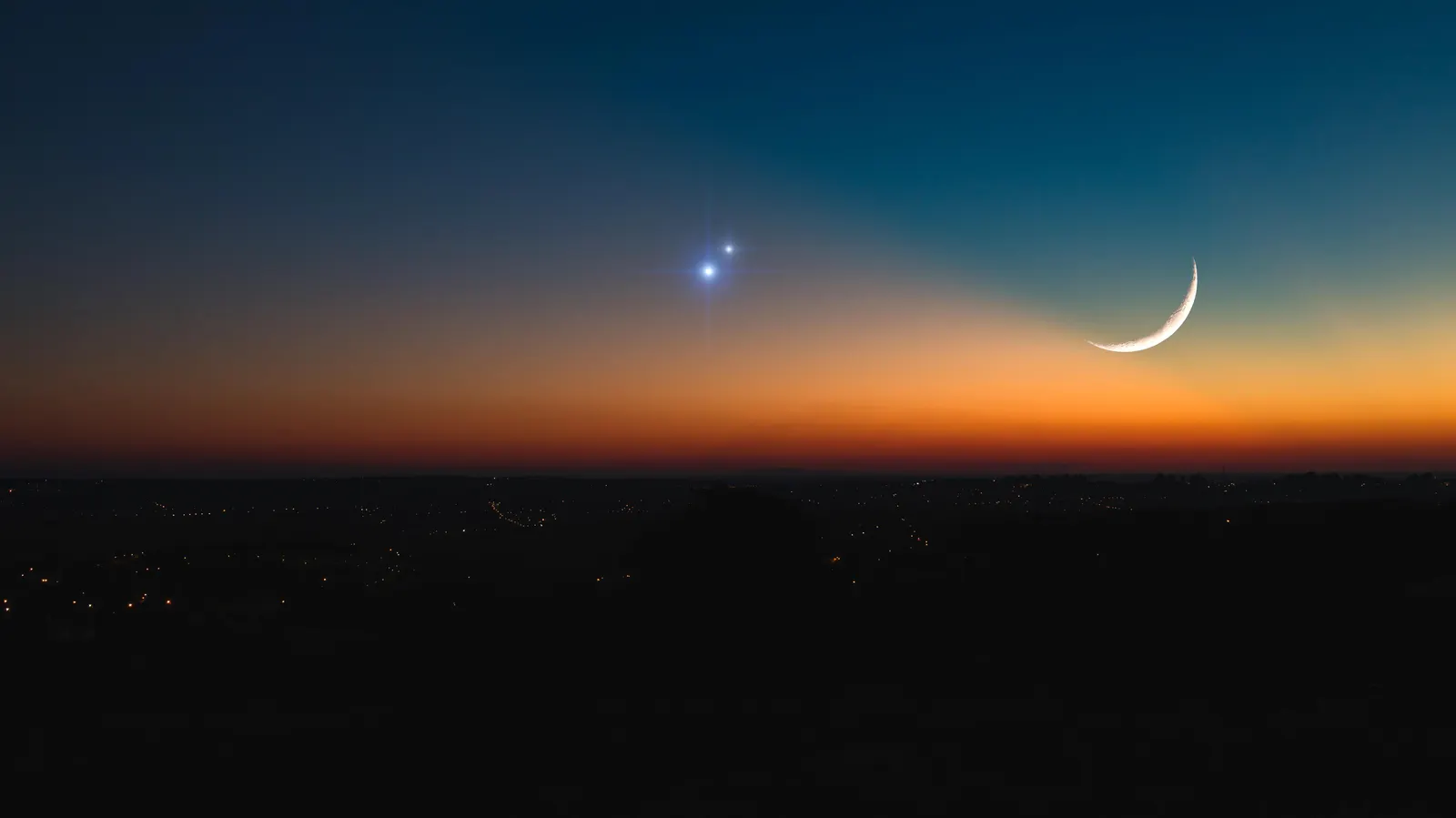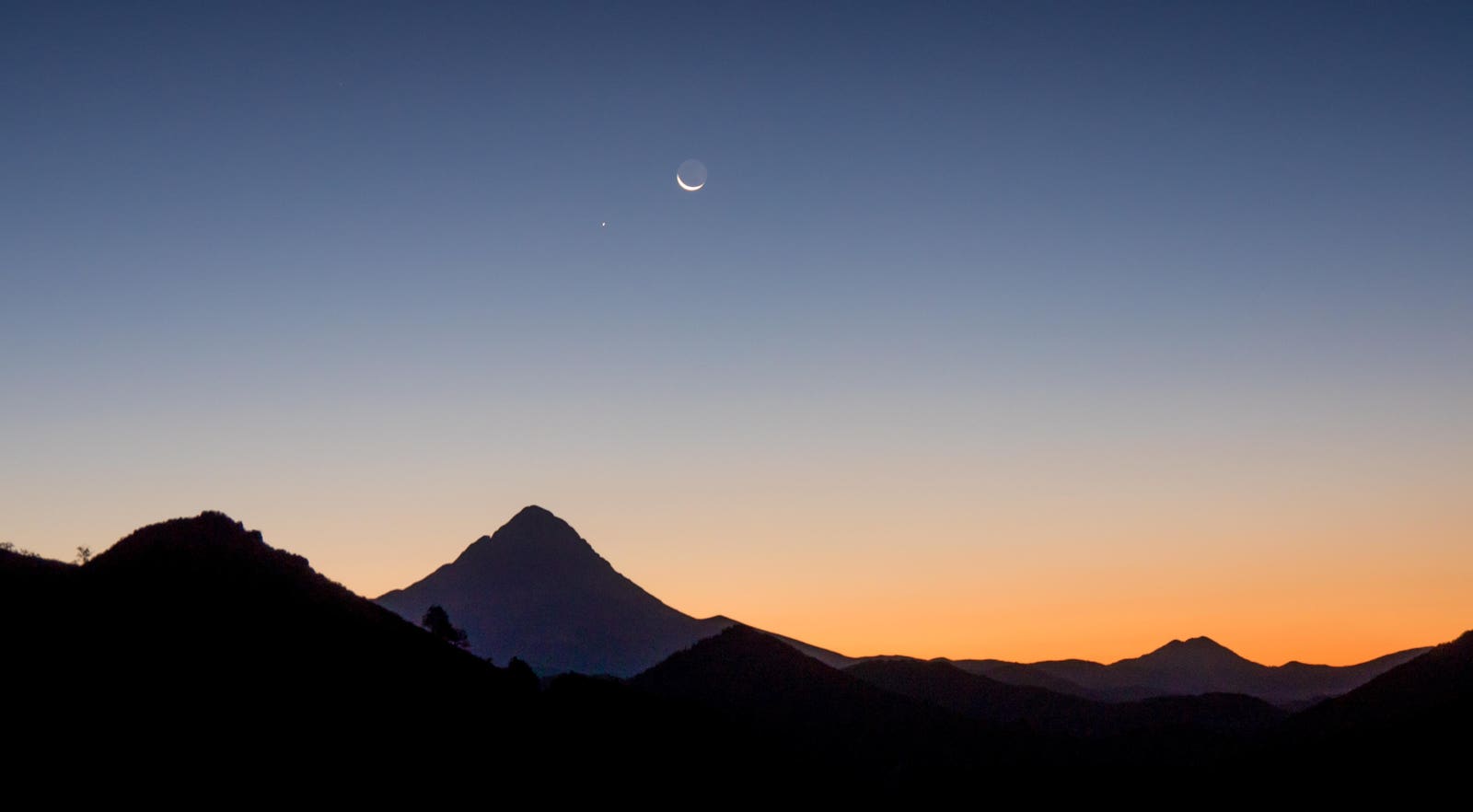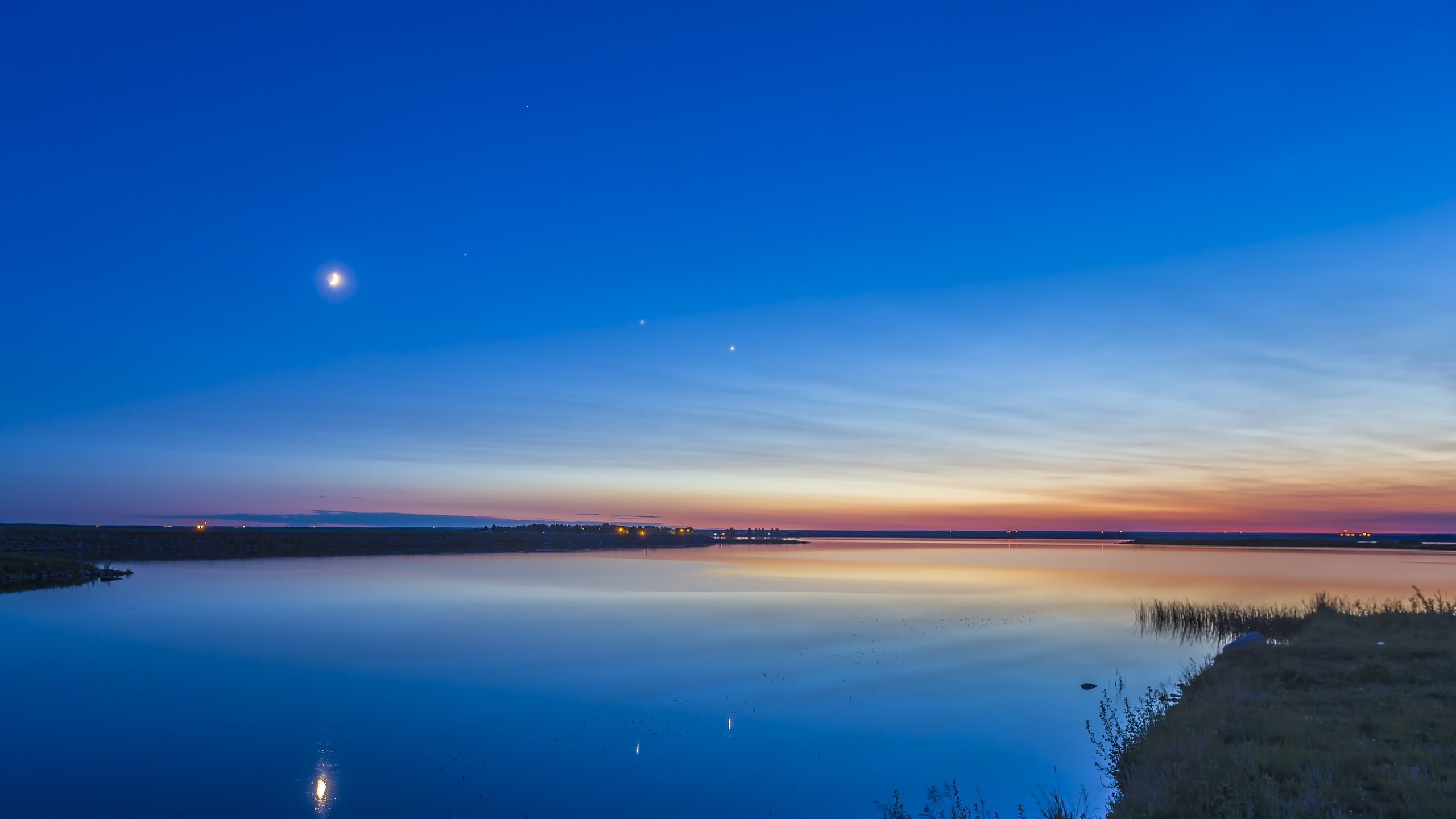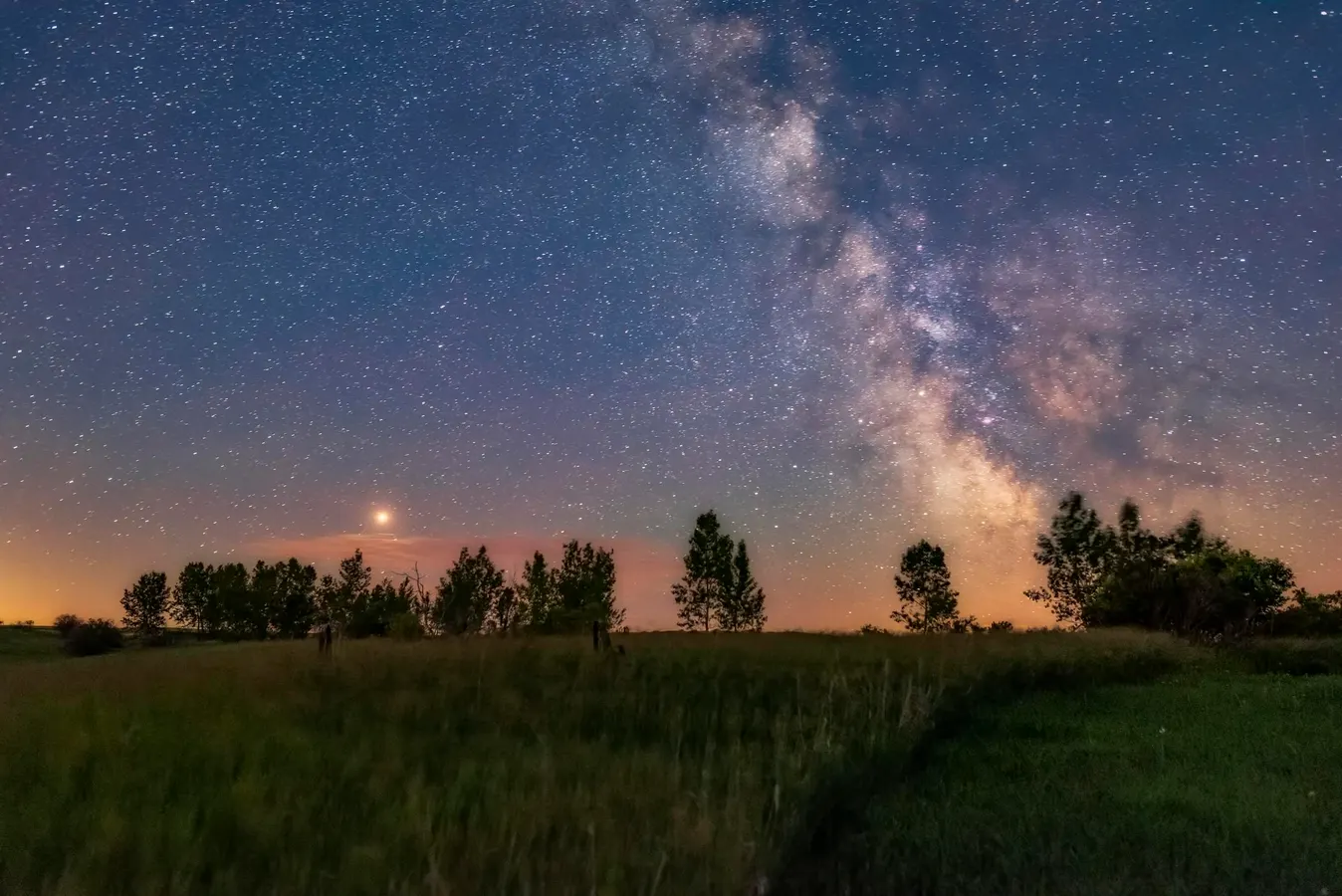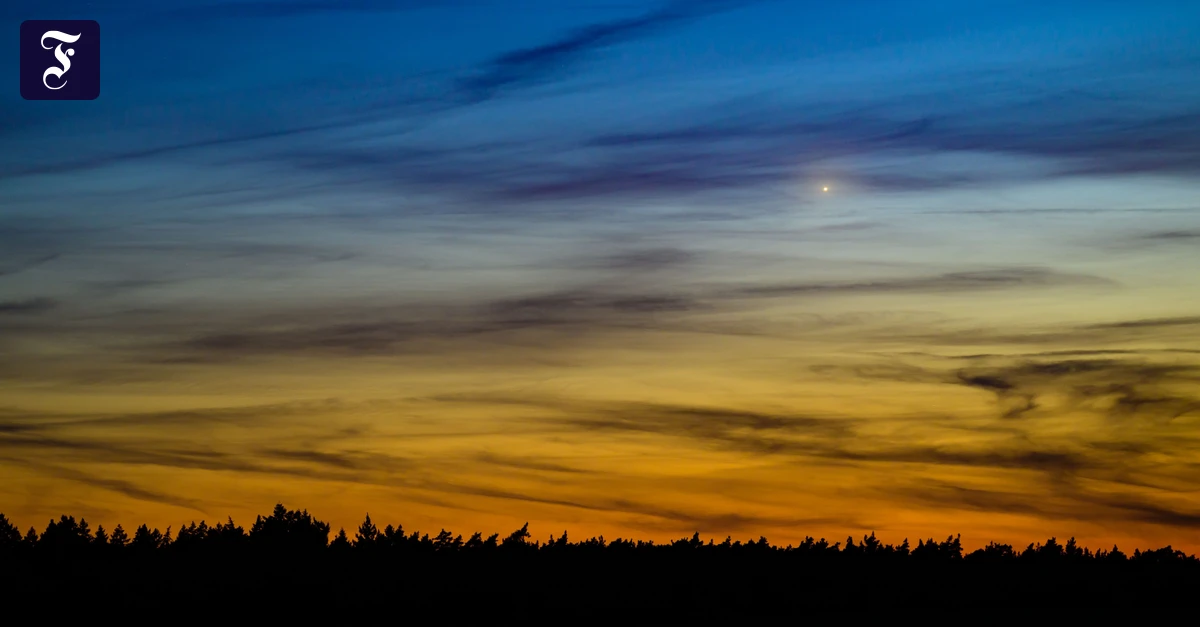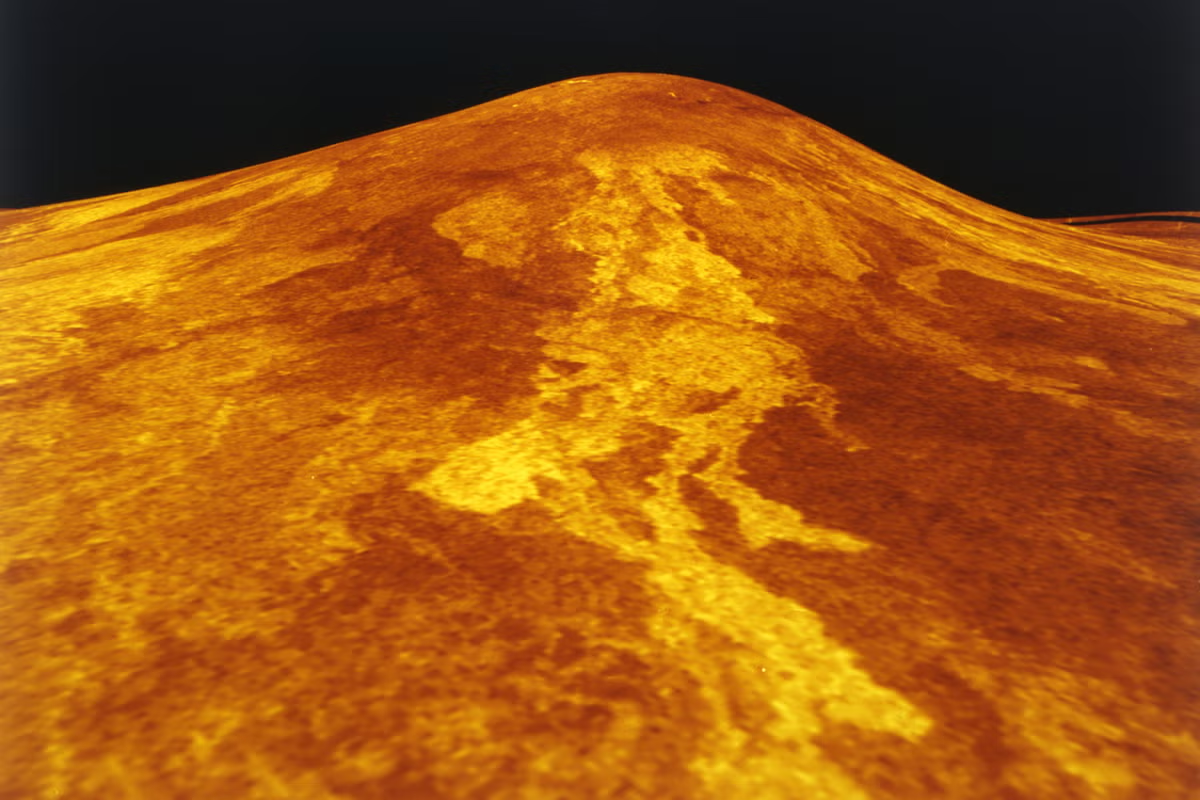
Majestic, brilliant, Queen of the Night – there are endless words and phrases to describe the effulgent planet gracing our skies these July nights. To the Romans, the Greeks and the Babylonians it represented the goddess of love: Venus, Aphrodite or Ishtar. The Chinese called this shining object the “metal star” or the “gold star;” while for the Mayans it was the “great star.”But Venus’s true nature belies all these romantic ideas. While it is the Earth’s near-twin in size, Venus could not be more different. The planet is enveloped in a thick atmosphere of unbreathable carbon dioxide gas, with a density 90 times higher than our air on Earth. This greenhouse gas traps the sun’s heat, raising the temperature of its surface rocks to 465°C – hot enough to glow in the dark. Scattered over the planet’s surface are some 85,000 volcanoes – many of which may be erupting today. We can’t see these eruptions directly, as Venus is swathed in clouds made of concentrated sulphuric acid. Venus is the hell planet of the Solar System.Despite their differences, scientists have long thought that the Earth and Venus were born as identical twins, and Venus went disastrously wrong along the way. In the dichotomy of nature versus nurture, it was the planets’ upbringing that makes them so different today.In this picture, the young Venus was very similar to the Earth. Although it’s closer to the Sun’s heat, back in those early days our star was fainter and cooler than today. As a result, Venus was blessed with a mild climate and a tenuous atmosphere that held fluffy clouds, dripping rain into rivers that flowed into seas and oceans. In these humid conditions, life could have started in Venus, just as it did on Earth. As the sun has gradually heated up, Venus’s seas evaporated to fill its air with water vapour that trapped more and more of the sun’s heat. Temperatures soared. After the oceans boiled away, carbon dioxide was baked out of the rocks to create the smothering blanket that surrounds Venus today. It was a greenhouse effect gone wild.But astronomers’ views are now changing, largely thanks to the discovery of thousands of planets orbiting other stars. Though we can’t yet examine small planets like the earth or Venus outside our solar system, every new exoplanet discovery is pushing theorists to dig deeper into the theory of how new worlds are born.Astronomers based at the University of Geneva Observatory have taken a detailed look into the earliest days of Venus. Initially, it was a hot ball of molten rock, surrounded by an atmosphere of steam. Astronomers had thought the night-side of the planet would be cool enough for steam to condense onto the surface; though some of this water would evaporate during the daytime, over time condensation would win out and the planet would end up with rivers, lakes and oceans.But the new in-depth calculations show that the night-side of the young Venus would have insulated by extensive cloud cover. As a result, the temperature never dropped low enough anywhere on the planet for water to condense: Venus has always been hellishly hot; it never had oceans; and life never began there.This analysis also helps scientists to better understand the earth’s early days. According to the old picture, our planet was so far from the dim young sun that the earth should have been a frozen snowball – yet there’s geological evidence for ancient oceans where life began. A blanketing layer of cloud on the earth’s night-side would have kept our planet warm at night, preventing a global freeze and allowing life to evolve.So, the latest theory suggests that the earth and Venus were not identical life-bearing twins that grew apart because of their cosmic environments. Instead, they have been non-identical twins practically from birth.We should know which idea is correct within a few years. After decades when planetary scientists have focused their attention on Mars, there’s now a bevy of missions planned for Venus. First up is a private spacecraft, Venus Life Finder that will investigate the planet’s clouds and look for microbial life there. Then there are orbiters from India, the European Space Agency and NASA, along with a NASA probe that will descend through the atmosphere and possibly land on the incandescent surface. Their deluge of new data should settle the question once and for all.What’s UpThese short summer nights, you’ll have to stay up late to see any of the fainter stars appear in a dark sky. Luckily, the brilliant Evening Star makes up for this lack: you can spot Venus in the western sky even in the twilight glow, and it doesn’t sink below the horizon until 11pm. On 9 July, Venus passes right above Regulus, and on 21 July the planet forms a lovely duo with the crescent Moon.The night sky at around 11pm this month (Nigel Henbest)At the start of July, you can find slightly fainter Jupiter to the lower right of Venus; but after a few days the giant planet sinks out of sight.The brighter stars are well scattered over the night sky this month, each the ruler of a different constellation. High in the south-west, orange Arcturus lies in the celestial herdsman, Boötes, while the red star below is Antares, the flaming heart of Scorpius (the scorpion). To the right you’ll find Spica – the blue-white jewel of Virgo (the virgin) – and Regulus, in the crouching feline shape of Leo (the lion).To the east, pure white Vega in Lyra (the lyre) is a match for Arcturus (they are the two brightest stars visible from northern latitudes, after winter’s Sirius). Vega forms the corner of a triangle, with Altair in Aquila (the eagle) and Deneb, which marks the tail of the flying swan, CygnusThere’s more planetary action after midnight, with Saturn rising in the east just after midnight and Mars following around 2am. If you have a telescope – and fancy a celestial challenge – seek out Mars on the morning of 4 July: the faint “star” close by is Uranus, ten times further away and 60 times fainter. It’s a rare chance to see the reddest and the greenest planets side by side!Diary4 July, early hours: Mars very near Uranus6 July: Earth at aphelion7 July, 8.29pm: Last Quarter Moon8 July, early hours: Moon near Saturn9 July: Venus near Regulus11 July, early hours: Moon near Mars 12 July, early hours: Moon near Mars14 July, 10.43am: New Moon16 July: Moon near Regulus17 July: Moon near Venus20 July: Moon near Spica21 July, 12.05pm: First Quarter Moon24 July: Moon near Antares29 July, 3.36pm: Full Moon
Stargazing in July: The Queen of the Night
While it is the Earth’s near-twin in size, Venus could not be more different, Nigel Henbest writes
1,102 words~5 min read