view more
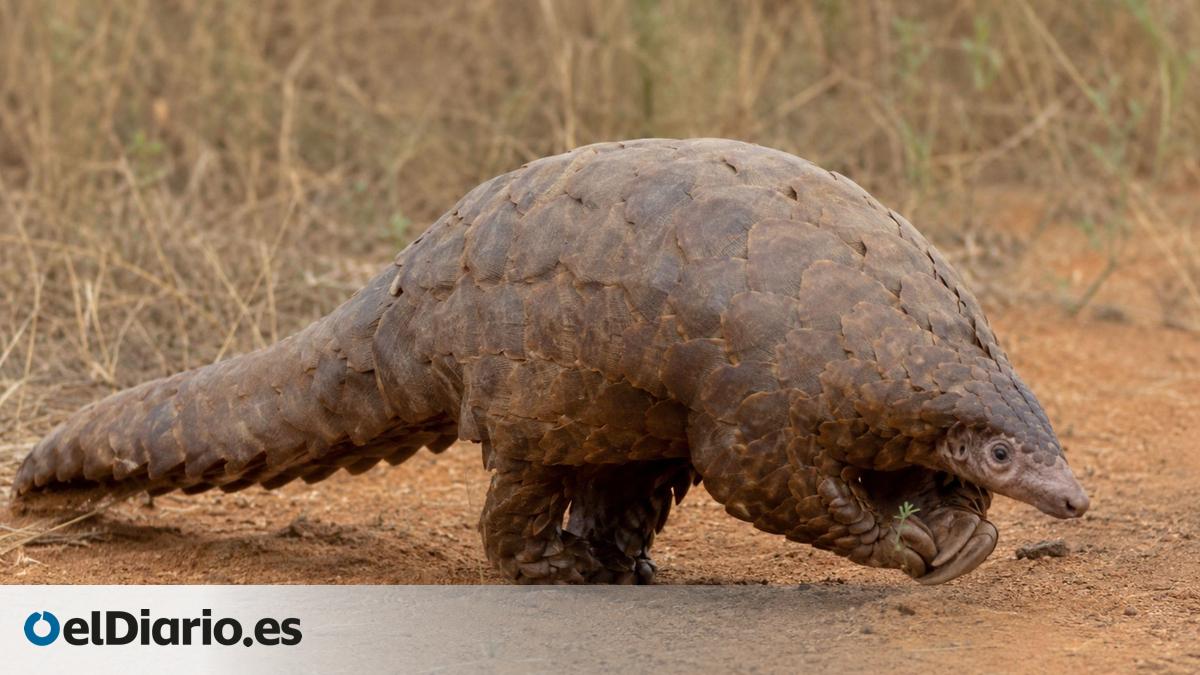
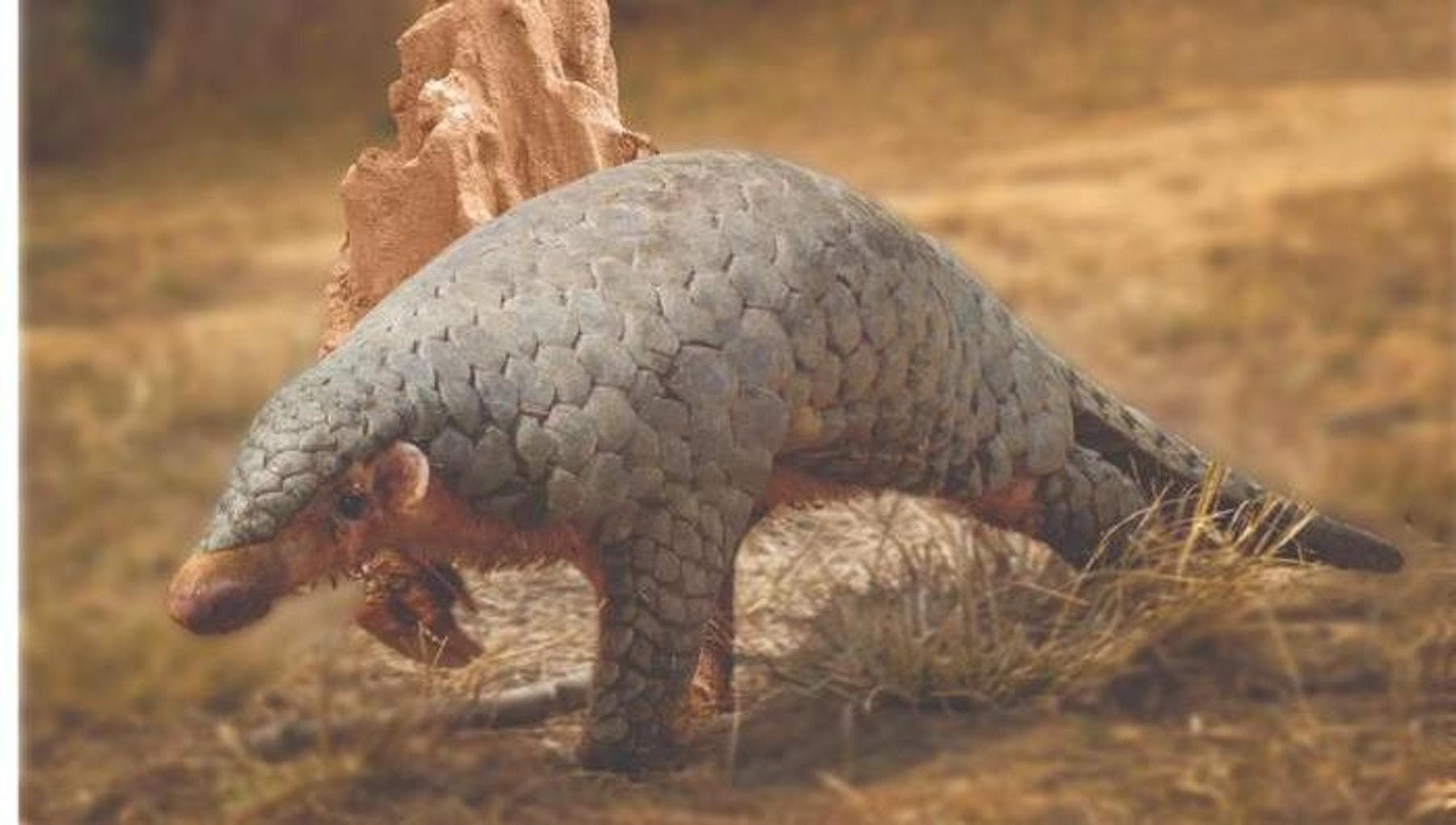
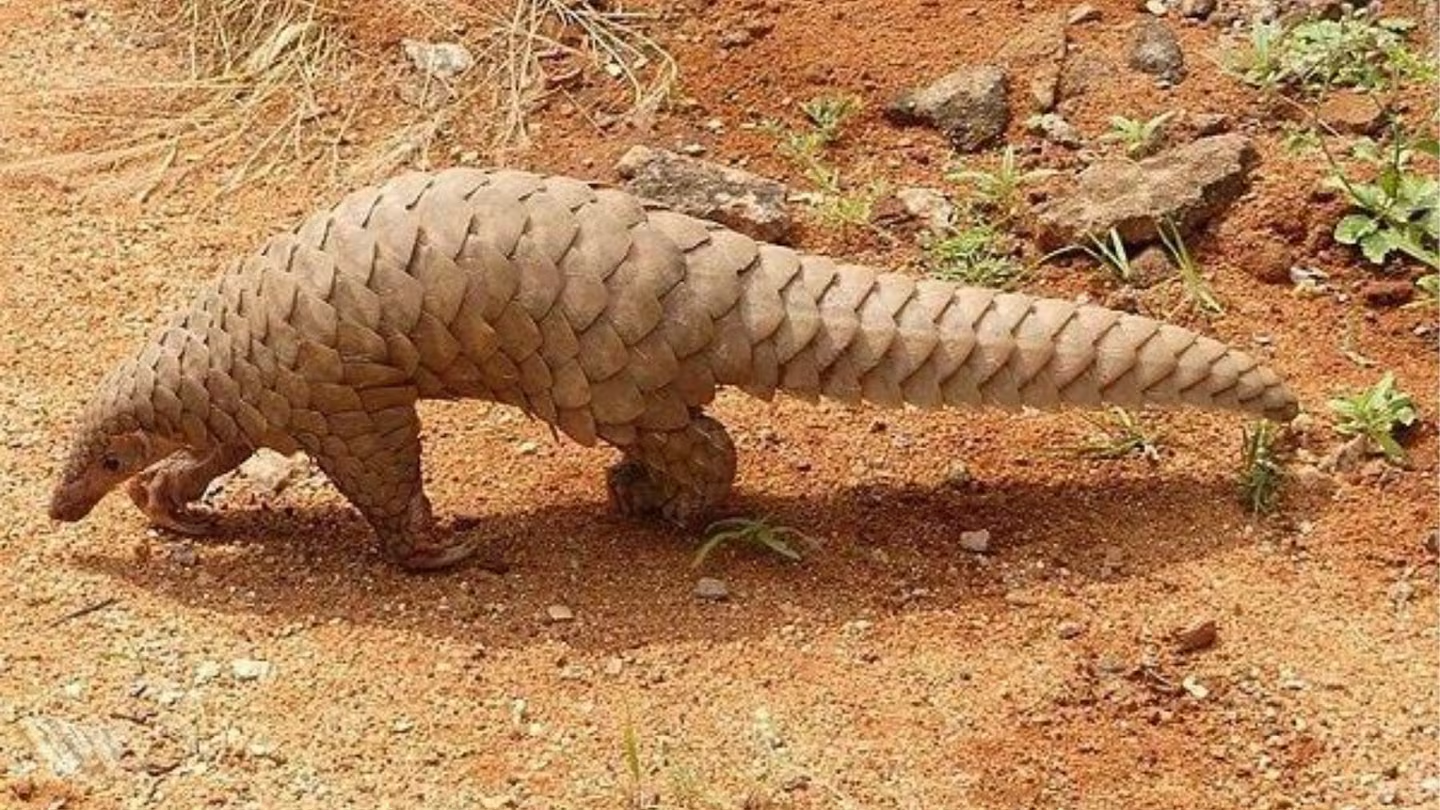
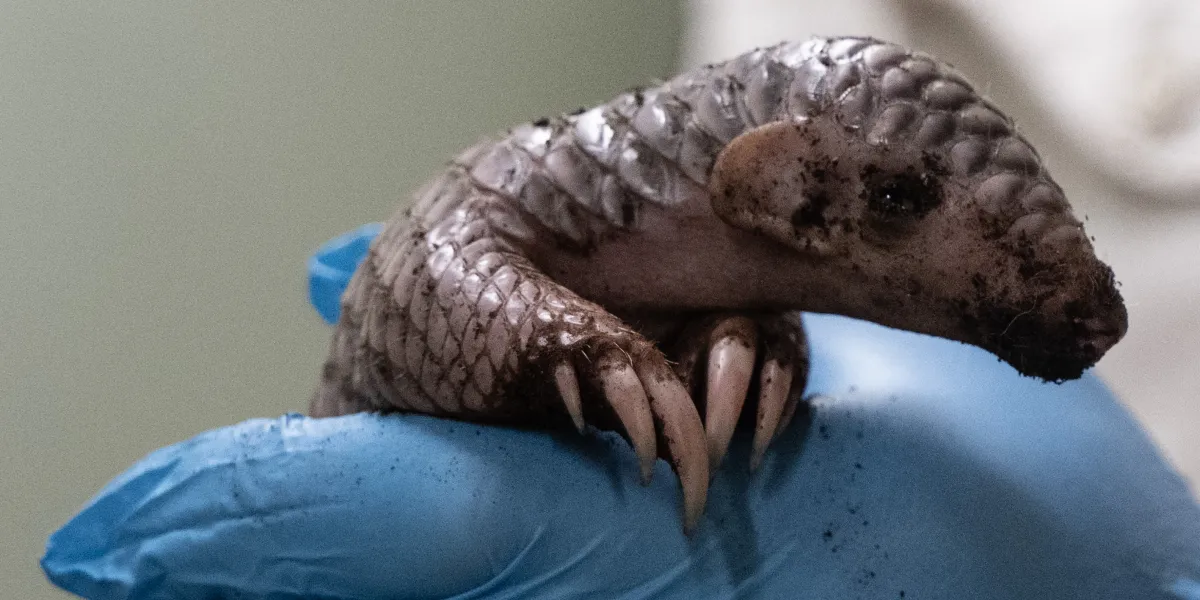
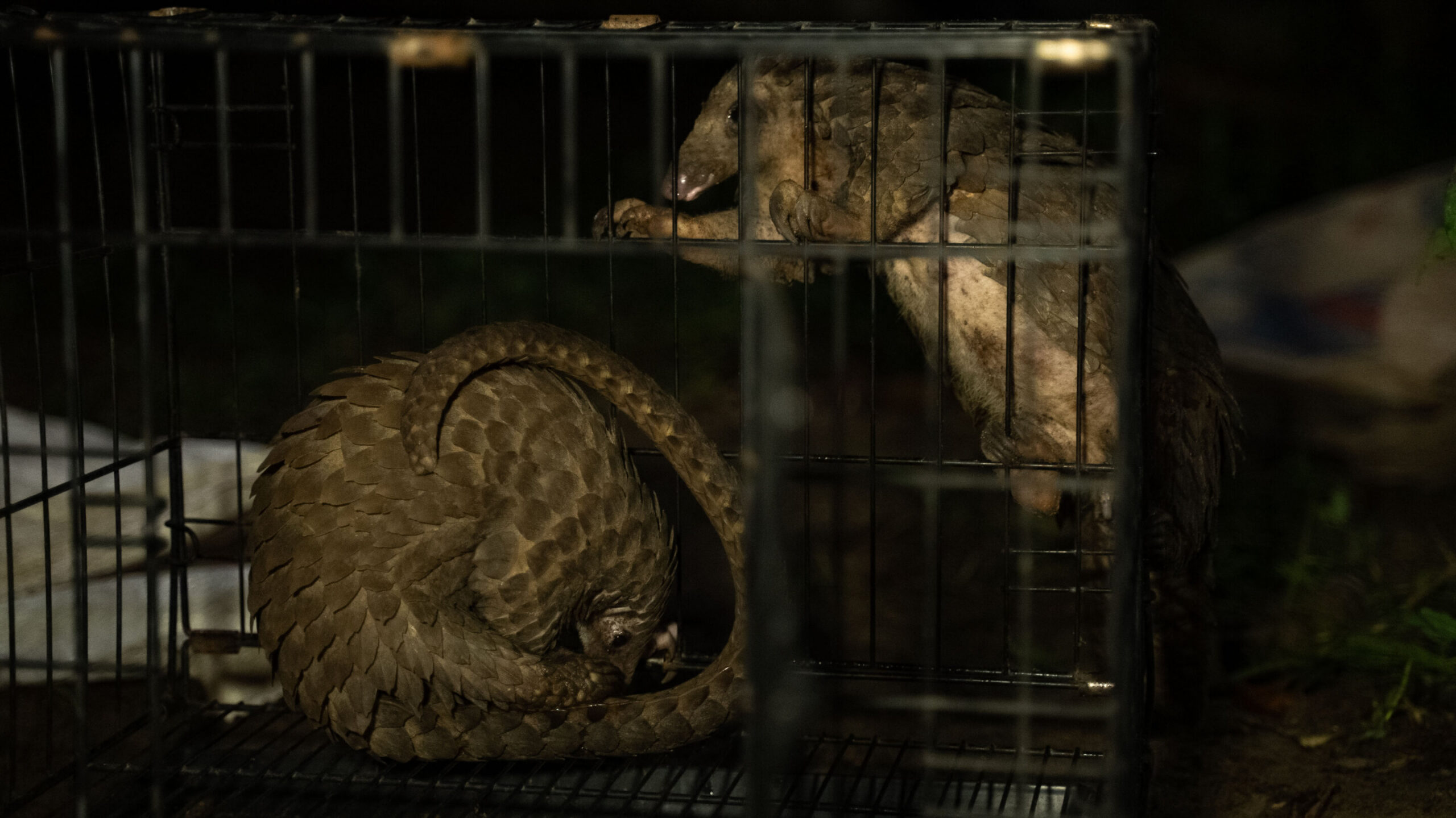
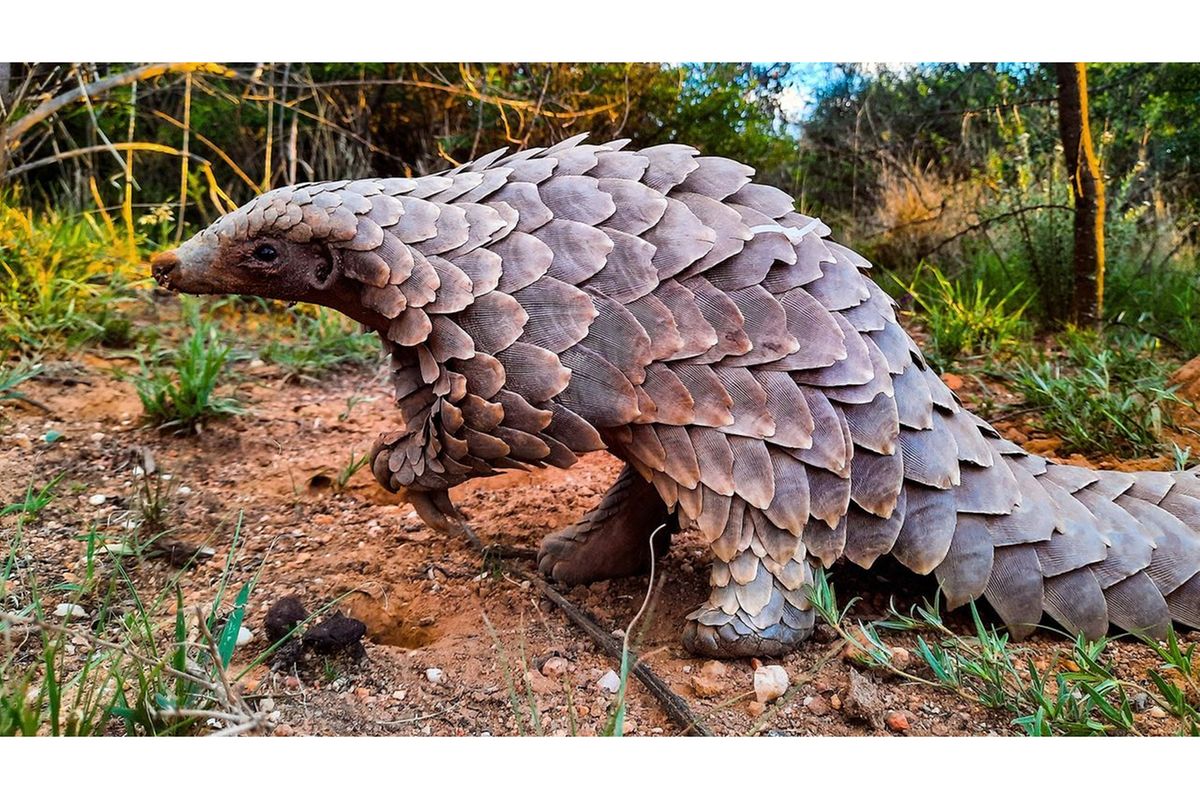
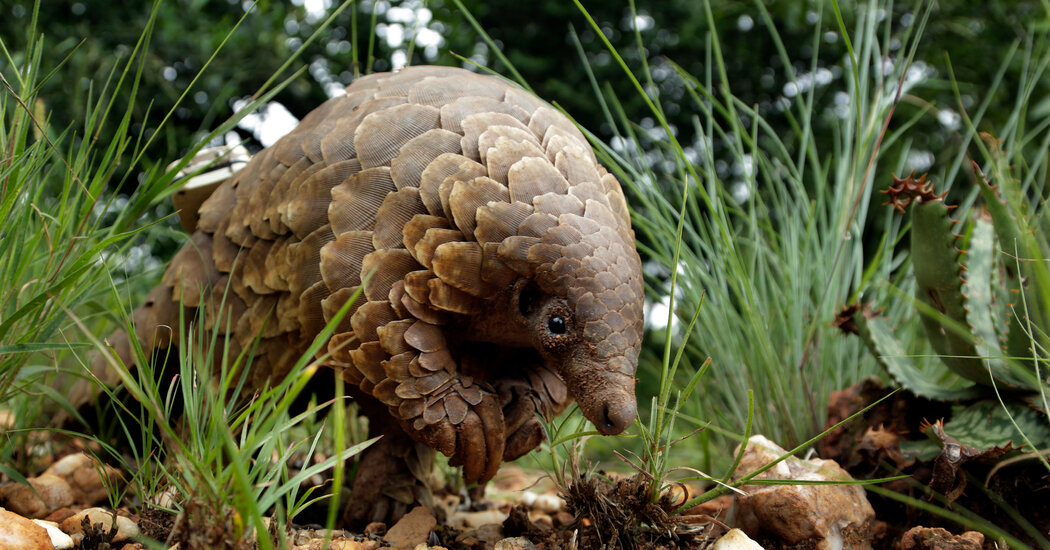
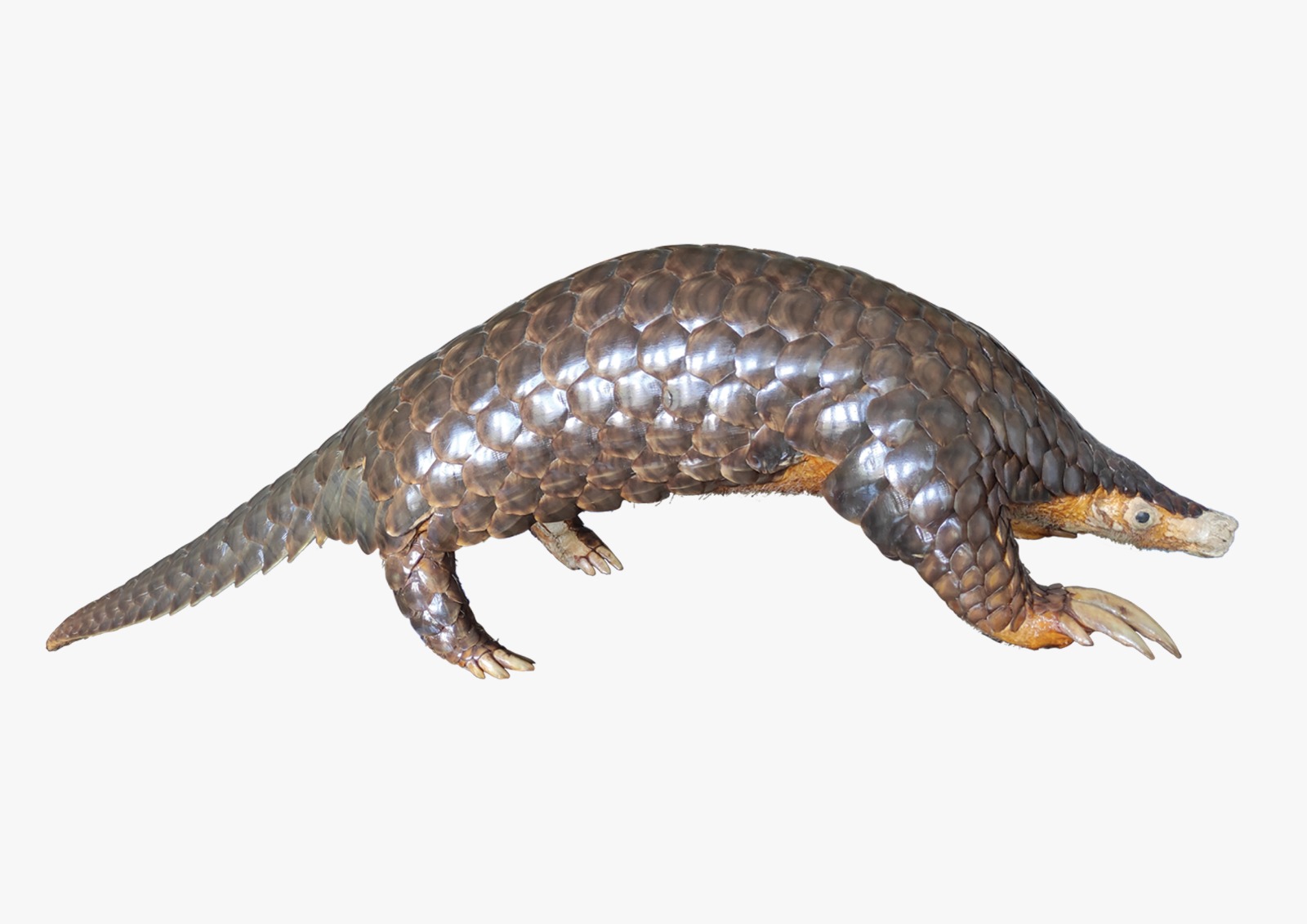
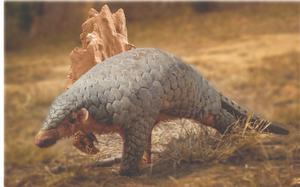
Imagine an anteater with a long, thick tail, huge, curling claws, and an armored body covered by overlapping, pinecone-like scales. What you get is a pangolin, a mid-sized mammal found only in Africa and Asia. The pangolins’ scales make them unique, but these scales have become their undoing. Pangolins are poached for their scales, making them the most highly-trafficked mammals in the world and consequently, at high risk of extinction.
A new study in the journal Communications Biology reveals that an unrecognized species of Asian pangolin, Manis aurita, has been hiding in plain sight among the trees of Nepal and Northern India. It is a vital distinction that expands biologists’ understanding of where each species is found and how they differ from each other. And it might be the key to helping prevent illegal poaching before it happens.
“We can’t protect what we do not know, and now that we have confirmed that this other species of pangolin exists, we can use that information to help protect these endangered animals,” says Anderson Feijó, the Negaunee Assistant Curator of Mammals at the Field Museum and co-corresponding author of the study.
"This finding marks the culmination of more than five years of research that began in Nepal, where we first documented evidence suggesting that Himalayan pangolins represented a distinct evolutionary lineage,” says Narayan Koju, a researcher at the Nepal Engineering College at Pokhara University and the study’s first author. “The confirmation of Manis aurita as a valid species demonstrates the importance of long-term research, international collaboration, and museum collections. Most importantly, it provides a strong scientific basis for conservation planning, wildlife forensics, and efforts to protect one of the world's most trafficked mammals from extinction.”