The anti-poaching fight that the world waged against the ivory trade has phenomenally reduced elephant poaching and revived its population in Tanzania.
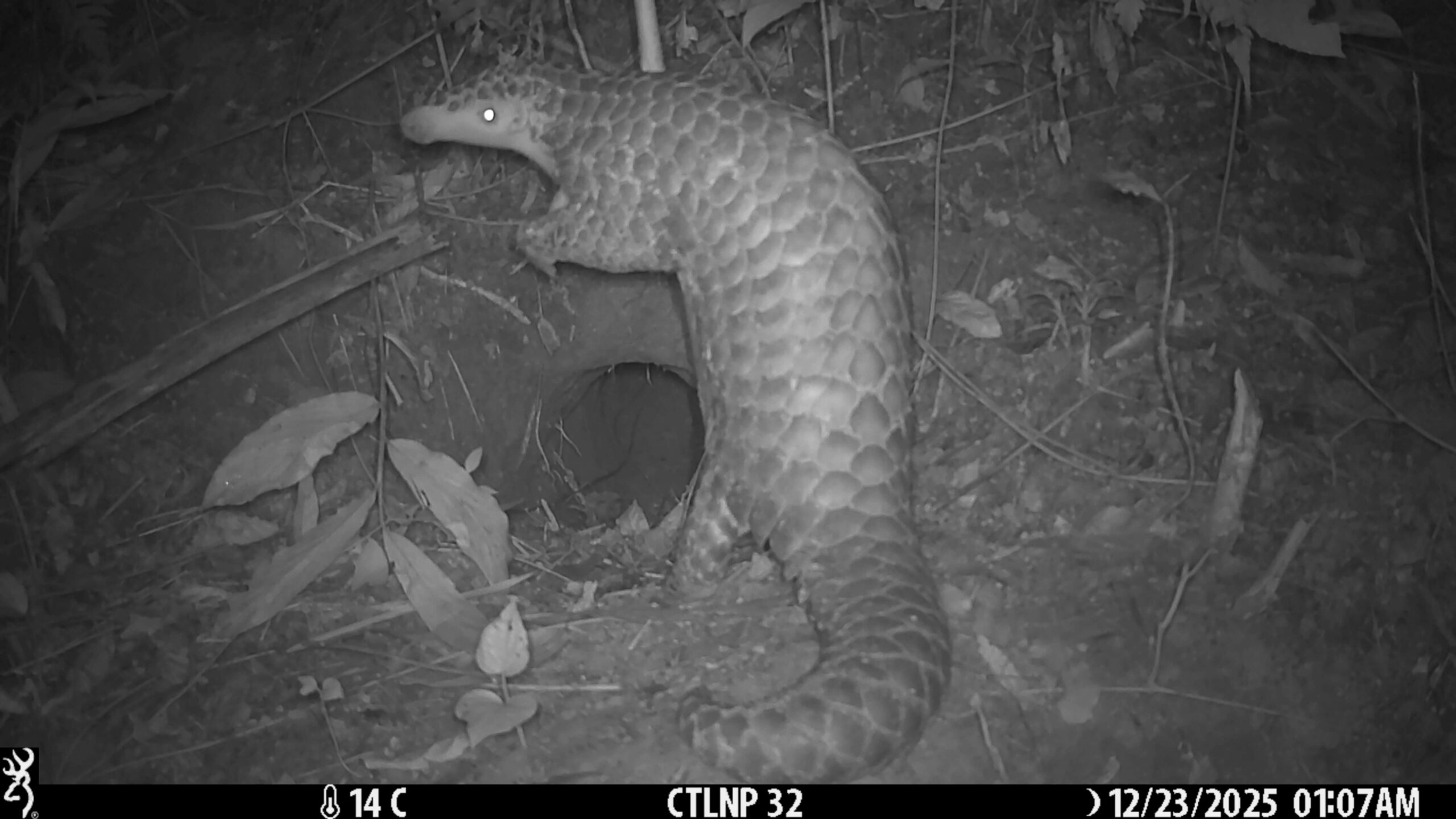
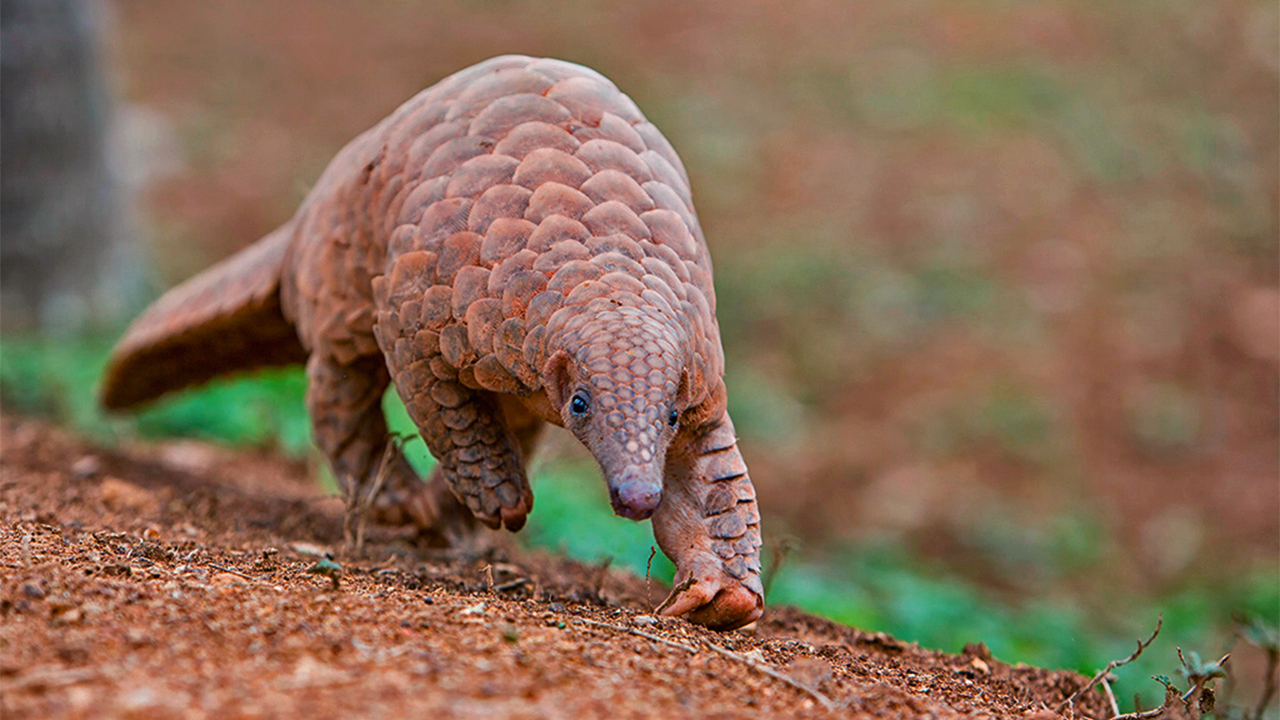
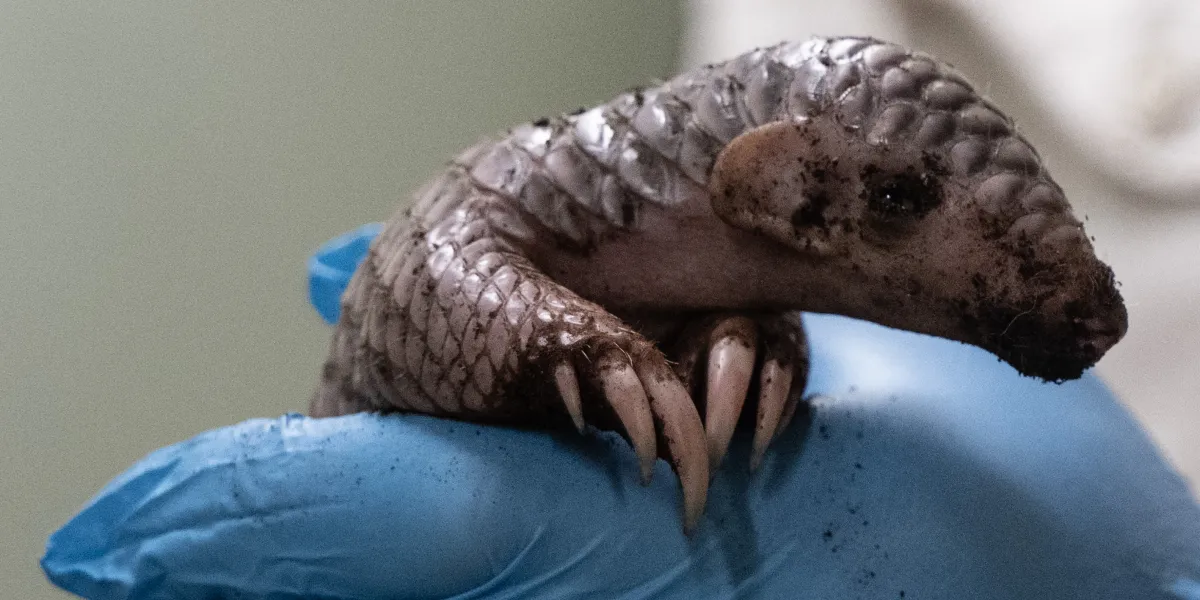
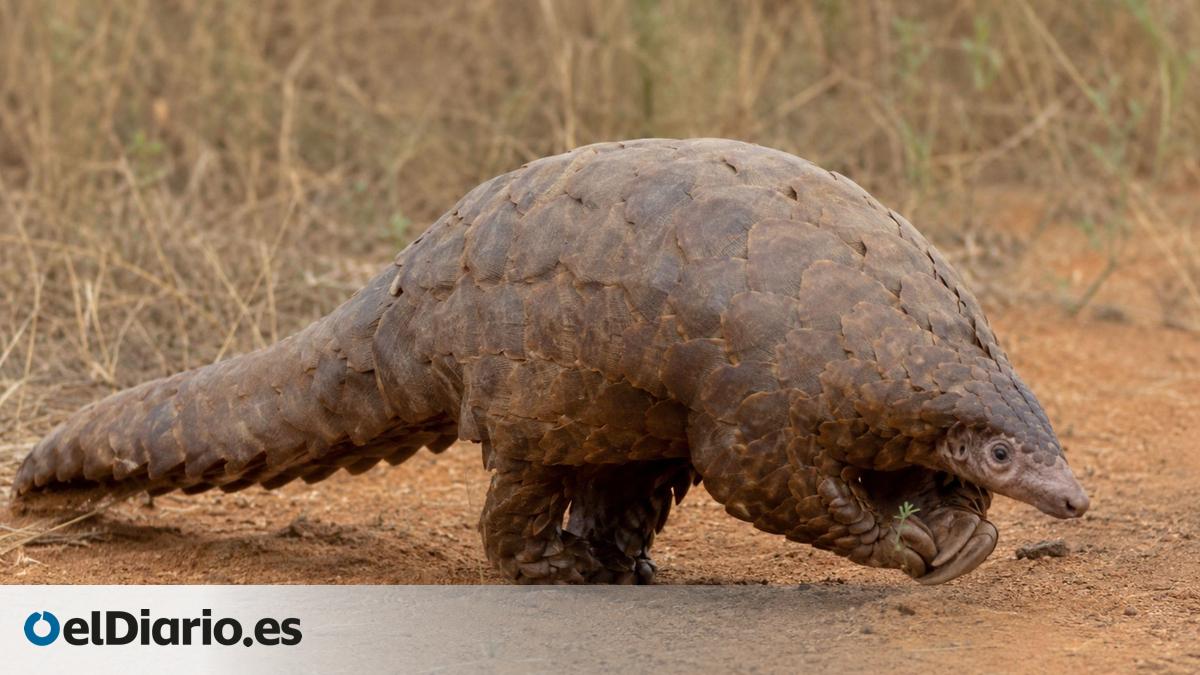
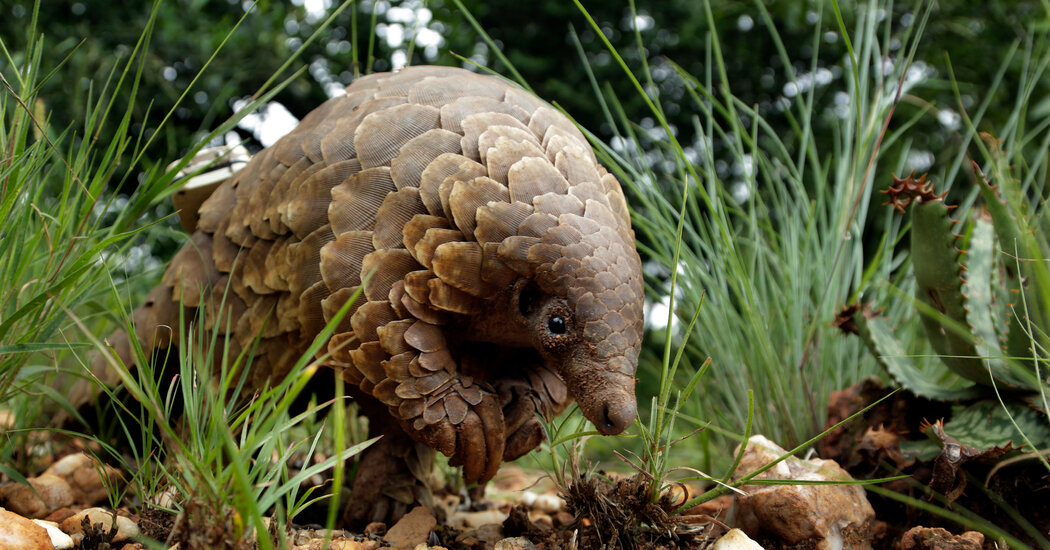
The widely reported case of 2019, Yang Fenglan, the Chinese lady who was convicted of ivory trafficking, is a prime example of the efforts. According to the international wildlife trade treaty, the Convention on International Trade in Endangered Species of Wild Fauna and Flora (CITES), pangolins rank among the most trafficked animals in the world.
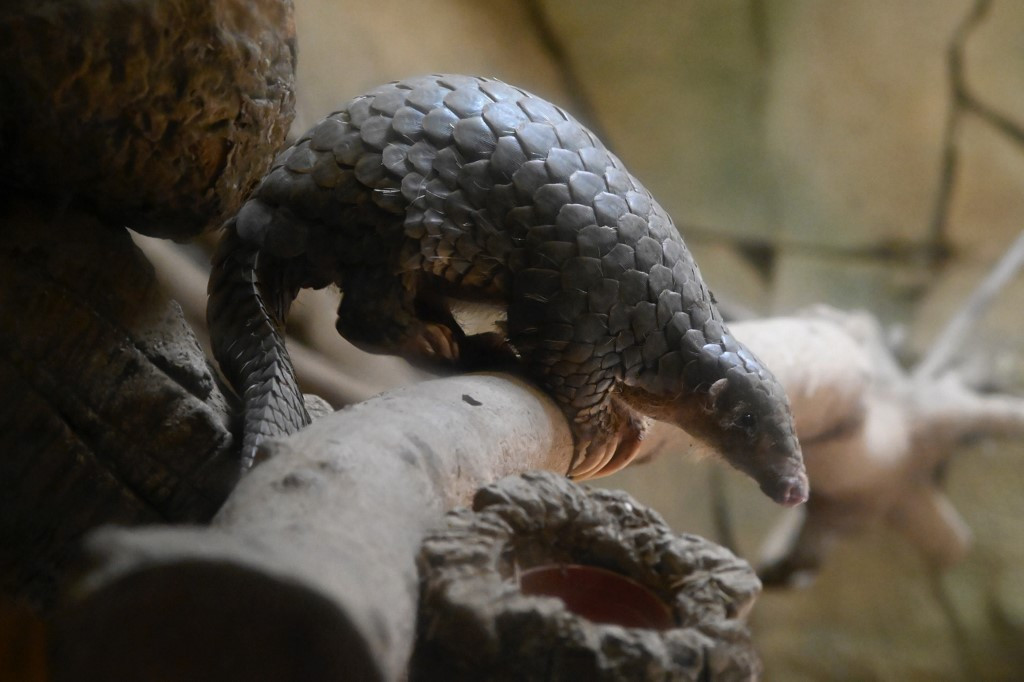
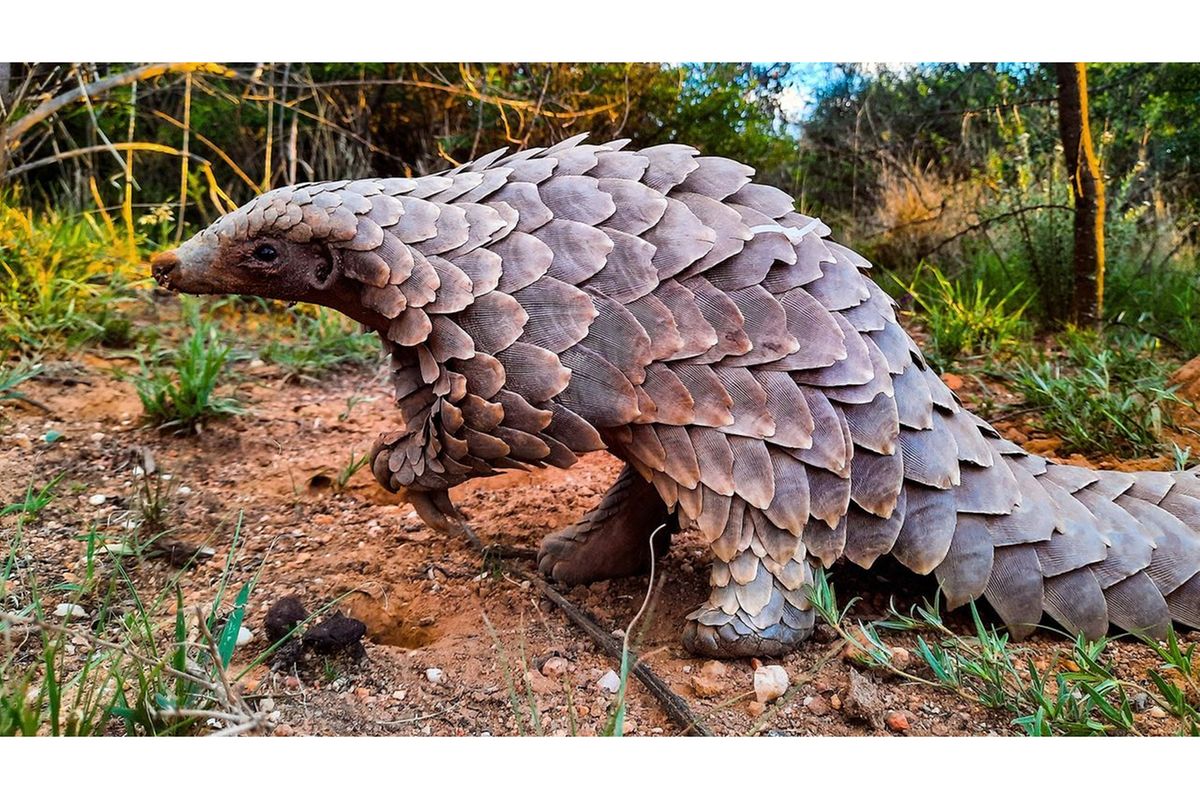
Hundreds of thousands, possibly over one million, have been trafficked over recent decades, driving severe population declines in both Asia and Africa. In Tanzania, these small scaly anteaters are found in MiIombo woodlands, Morogoro, the coastal region, Tabora, Katavi and Rukwa.
Their population is scattered and their precise number has not been documented. The two species, the ground pangolin and the tree pangolin, are both elusive and nocturnal in nature, which adds to the difficulty in observing the animals’ behaviour and daily habits.
It's the very rarity and mystery that have made it the most sought-after animal by traditional healers who claim its scales possess the power to bring riches, prosperity and good luck charms to whoever carries it.