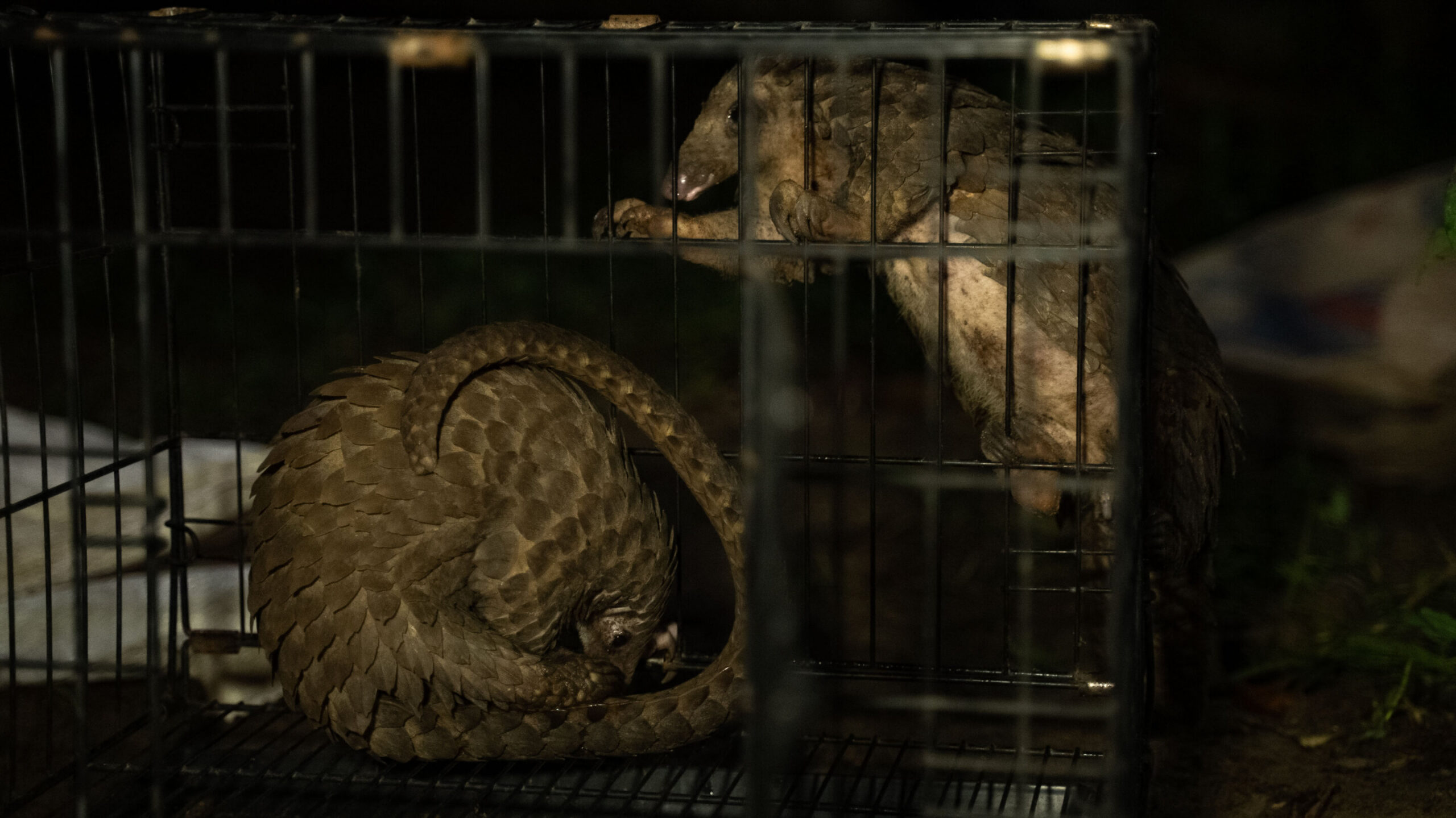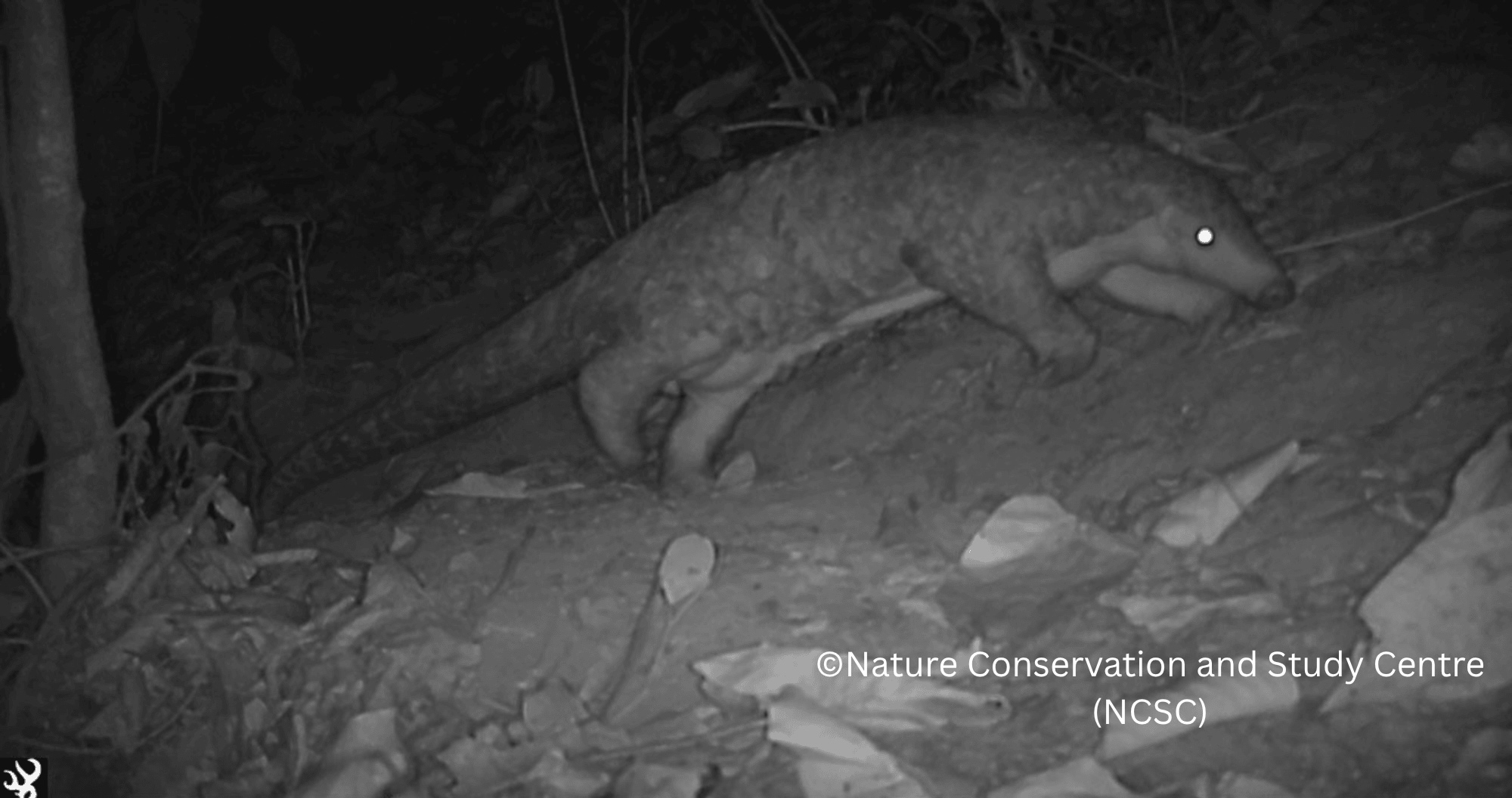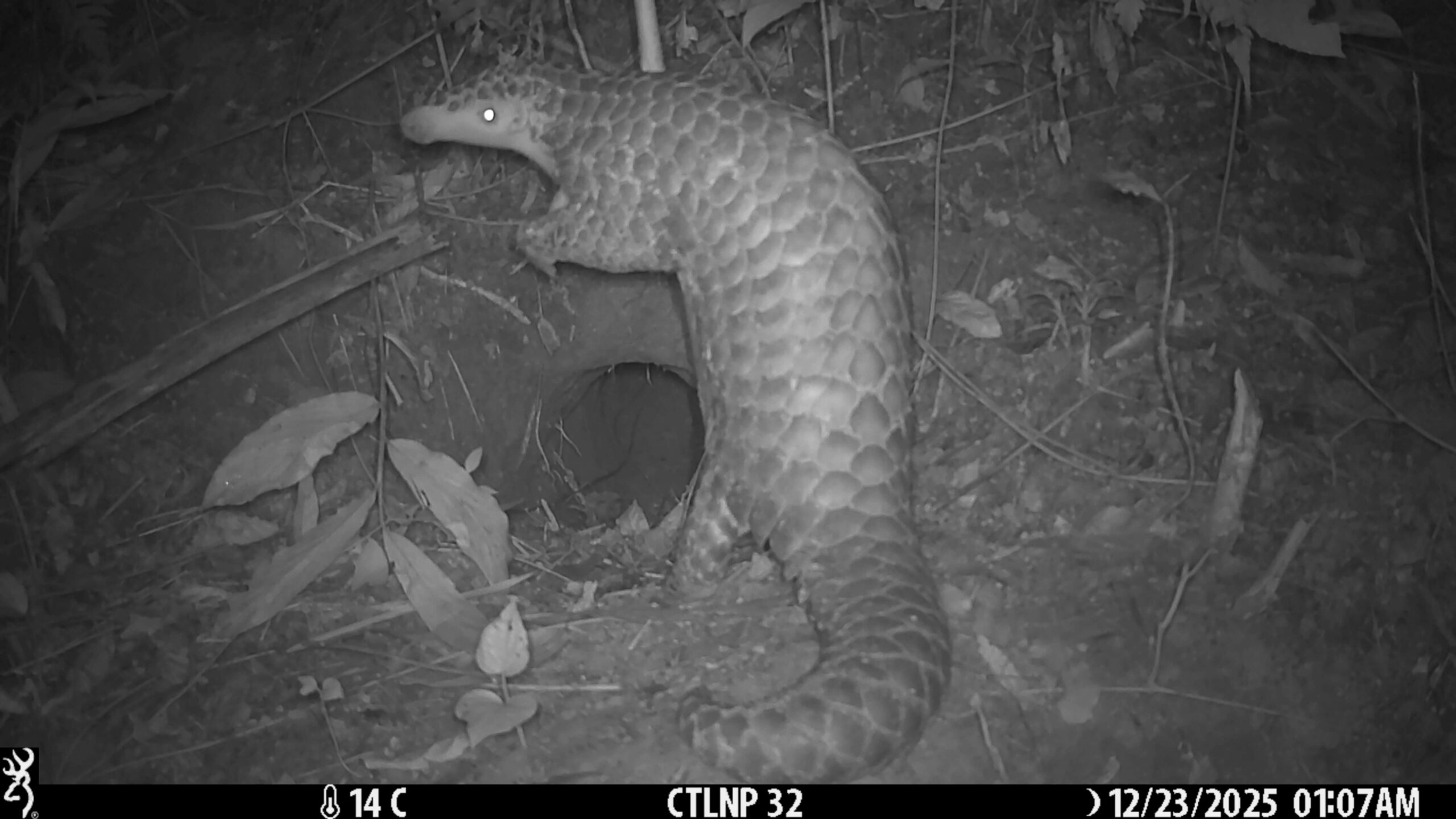
Chinese pangolins are one of the most trafficked mammals on Earth.In Bangladesh, scientists are tracking rescued and released individuals to learn about their ecology, behavior and habitat requirements.Using radio trackers, camera traps and burrow surveys, researchers found these elusive animals stay surprisingly close to home, and readily integrate with wild populations, even sharing burrows with other species.With very little known about the species, every new insight could help conservation teams better protect them across their range in Asia.
In a forest reserve in northeastern Bangladesh, two Chinese pangolins rescued from trafficking have been given a second chance at life in the wild. As poaching pushes the critically endangered species toward extinction, the releases aim to do more than boost flagging local populations. With the help of tiny radio transmitters, scientists are tracking each individual to learn about their survival, movements and behavior.
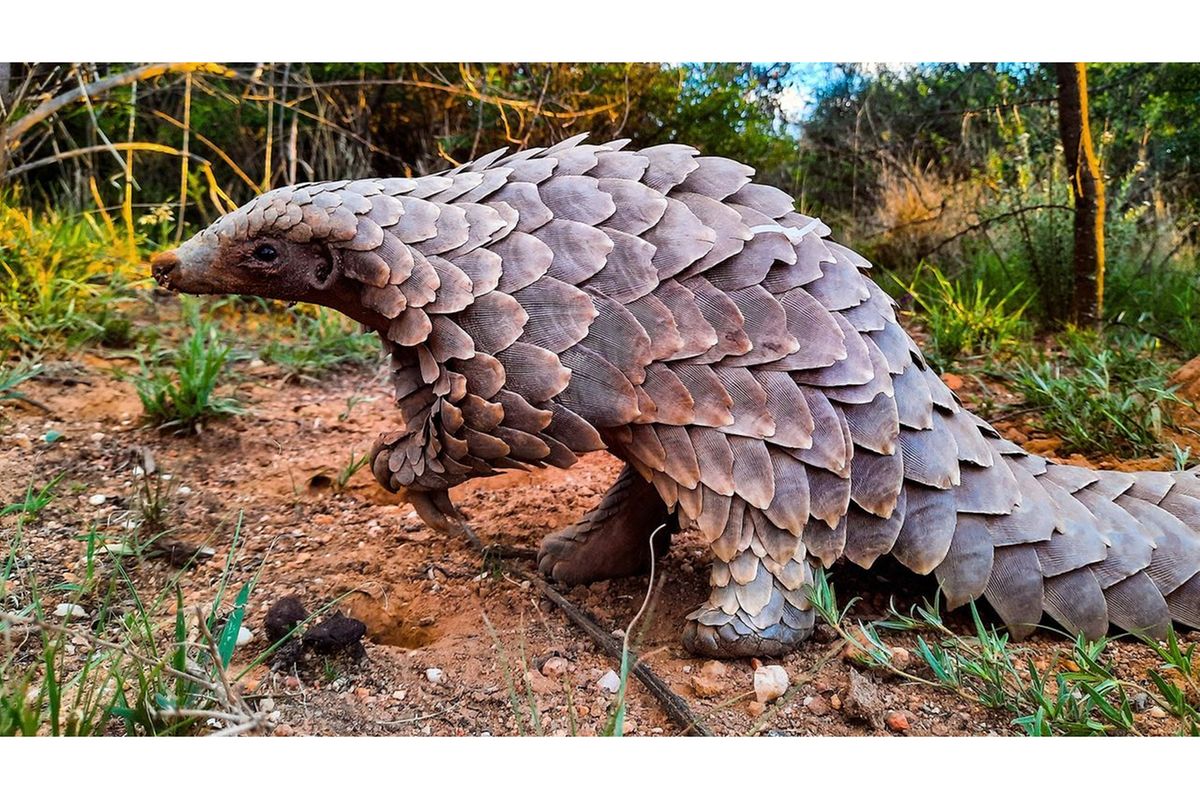
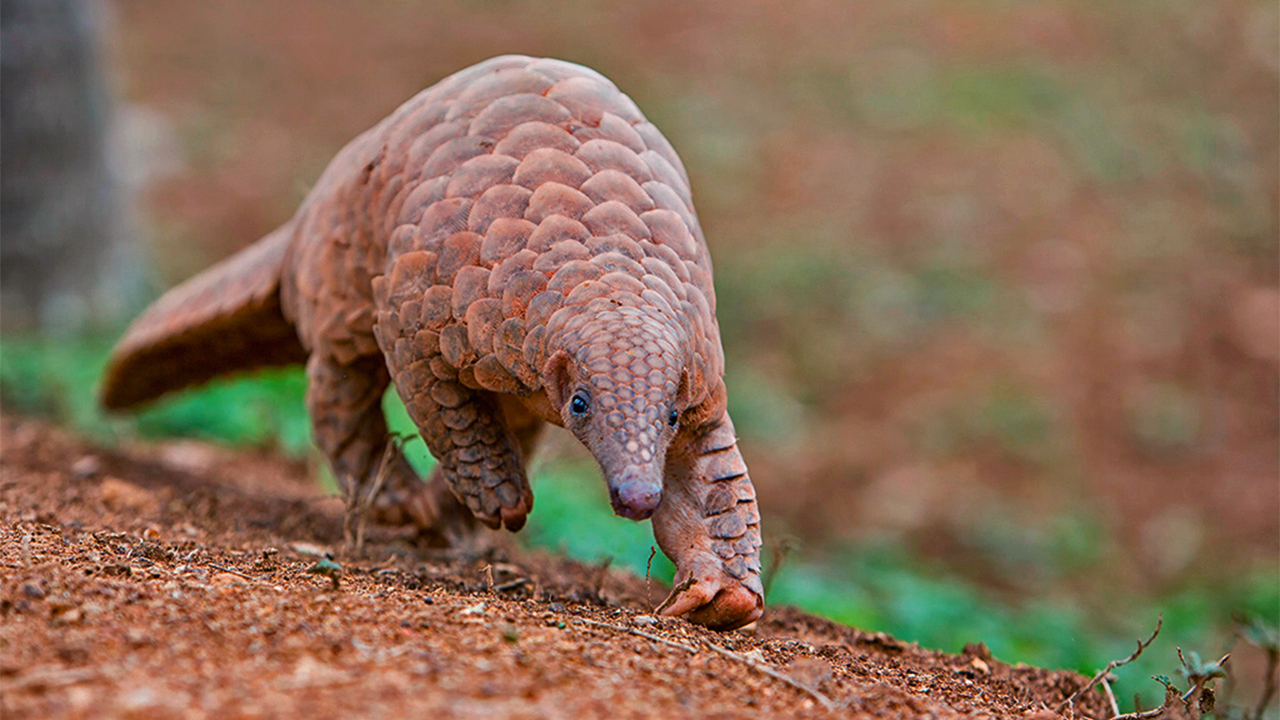
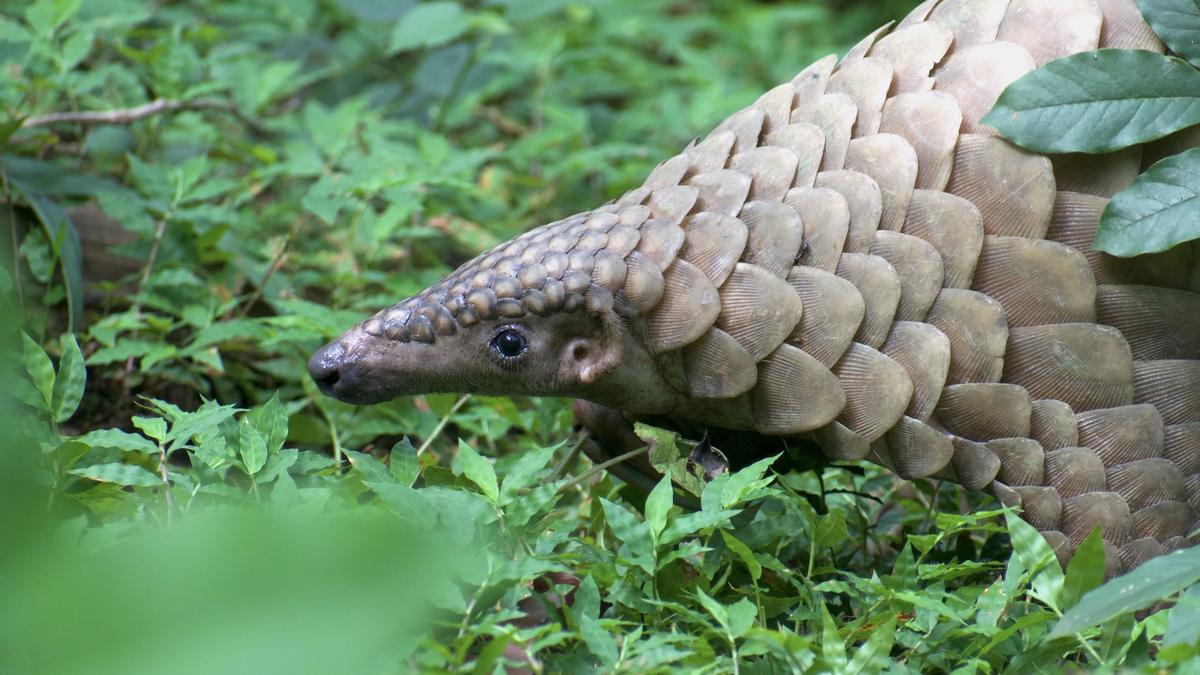
Equipped with an armor-plated body, elongated snout and sticky tongue the length of their body, Chinese pangolins (Manis pentadactyla) are beautifully adapted to a life spent grubbing out ant and termite nests and resting in burrows dug into the forest floor.