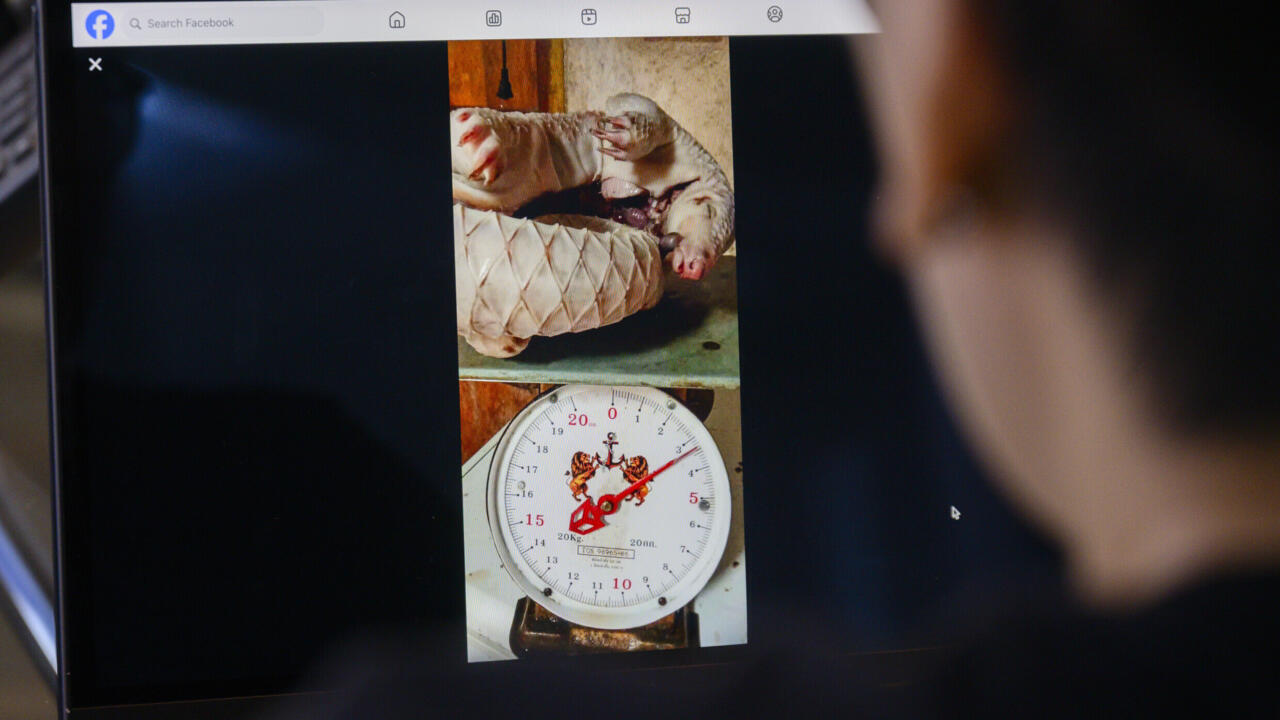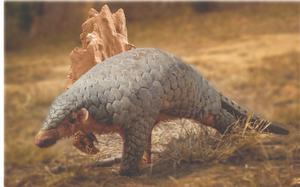
The ghostly white creature curled up on a weighing scale is almost unrecognisable in the Facebook post offering it for sale. Only closer inspection reveals it to be a dead pangolin.
The animal, one of the world’s most endangered and trafficked mammals, has been stripped of its scales and is being advertised by a Thai account selling “seasonal wild delicacies”.
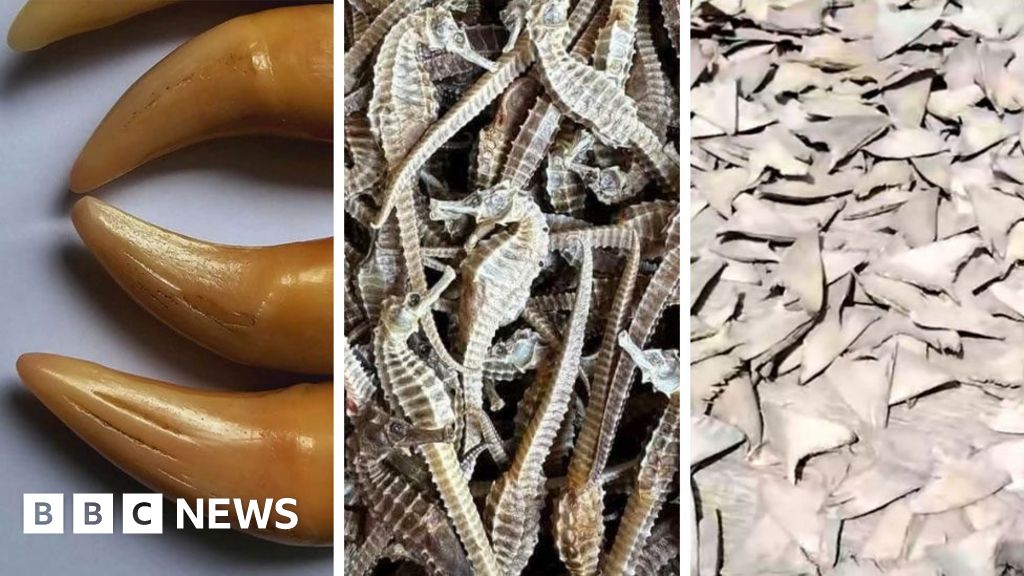
The post is one of dozens reviewed by AFP that illustrate what conservationists call rampant illegal wildlife trafficking across social media platforms, particularly those belonging to Facebook parent company Meta.
A report by several NGOs released on Monday accuses Meta of hosting the world’s “largest single known illegal wildlife trade market” and effectively encouraging the trade by sharing advertising revenues with users and allowing them subscription models.
The report follows recent research by the Global Initiative Against Transnational Organised Crime (GI-TOC), which warned Facebook is now “the central public infrastructure through which online wildlife trafficking is being concentrated, discovered and scaled”.