Show Caption
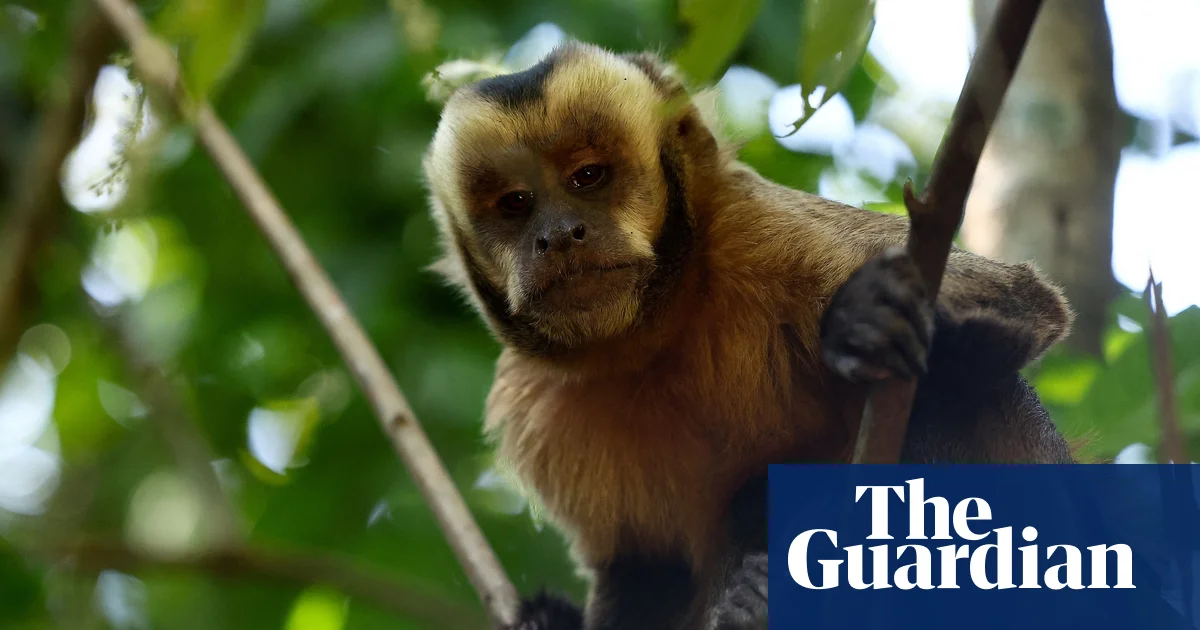
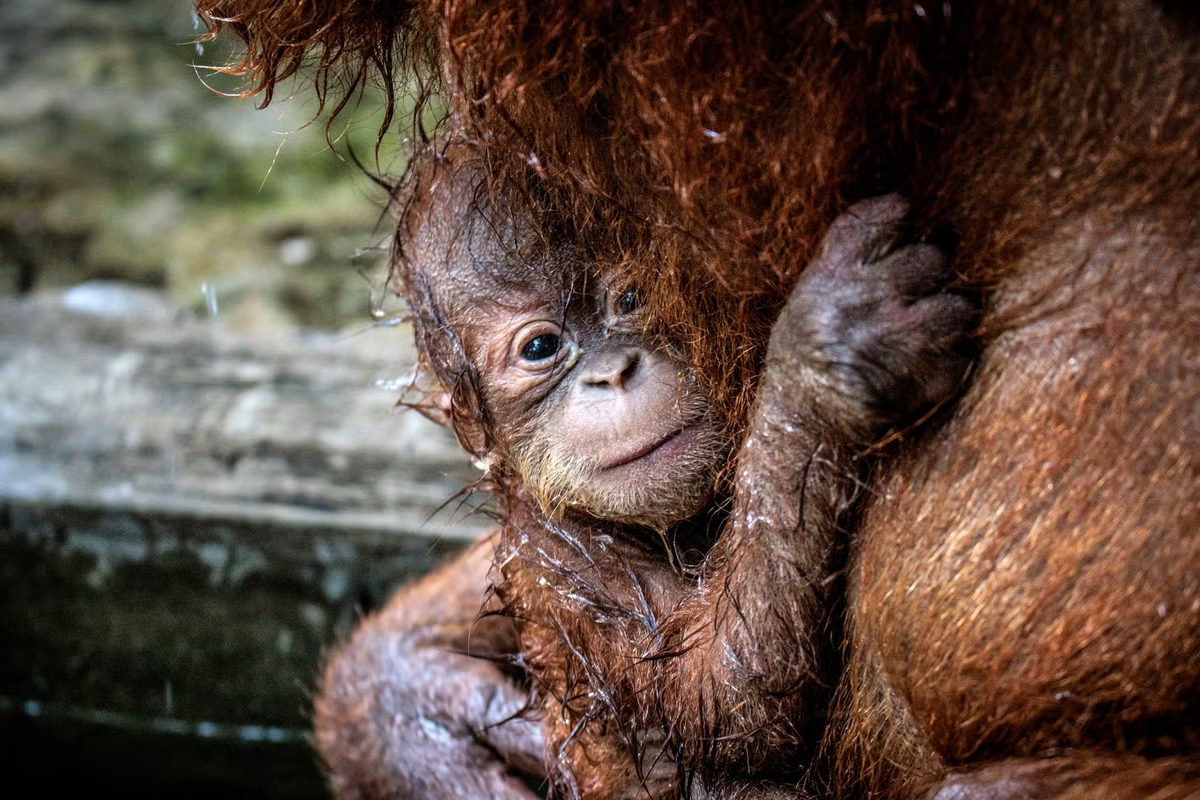
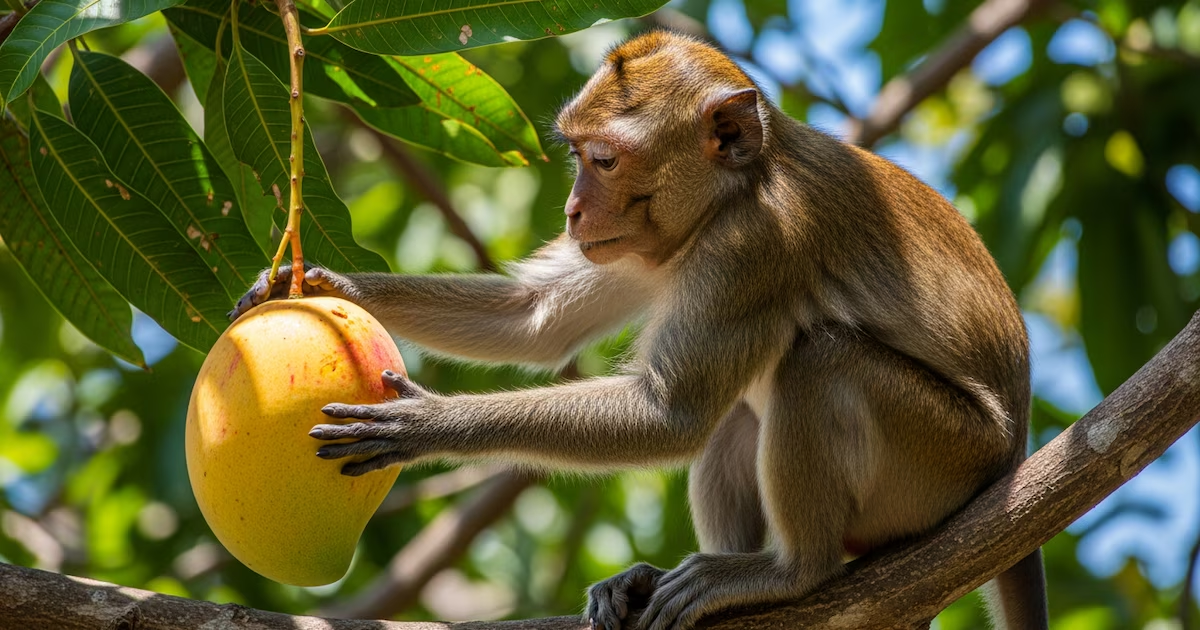
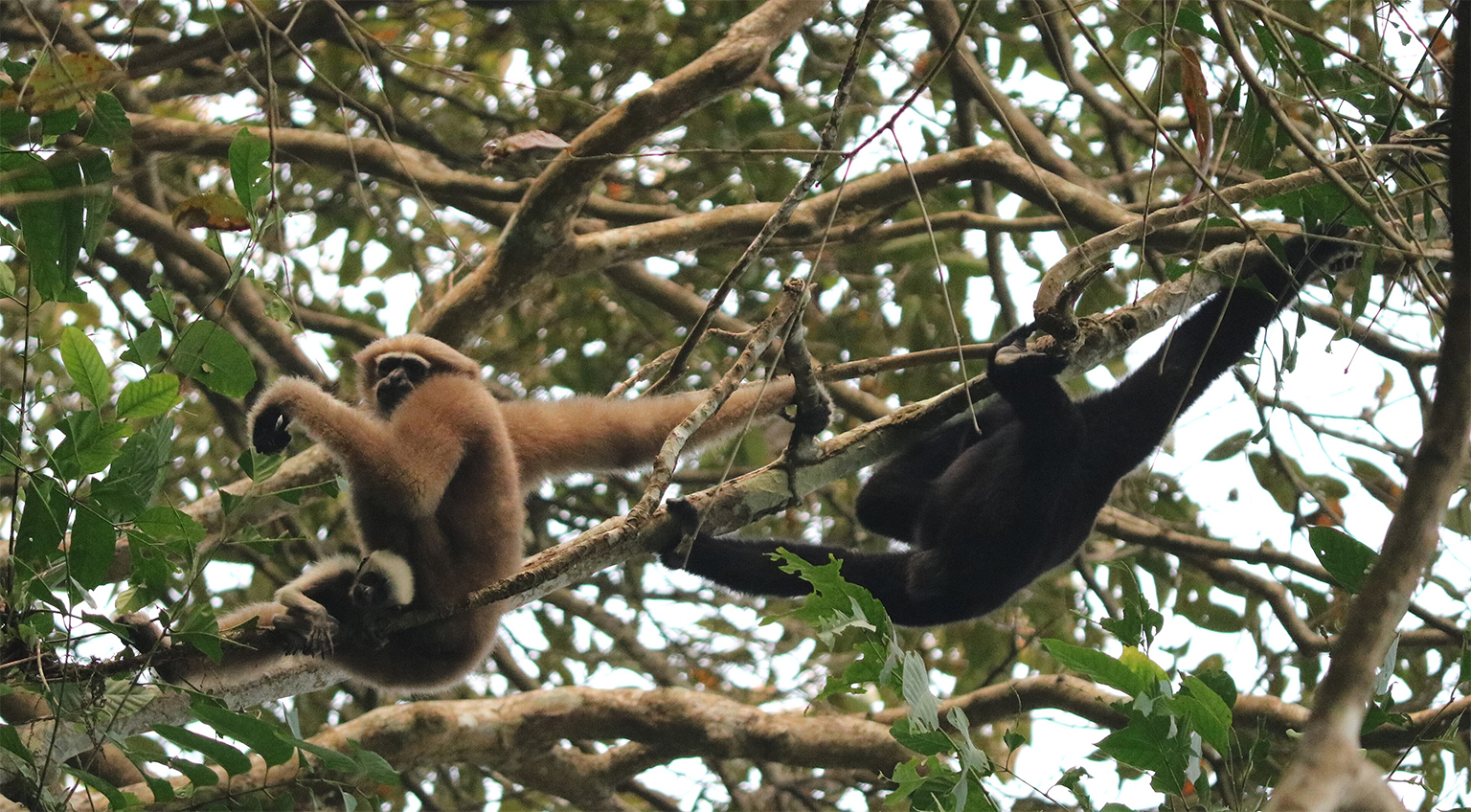
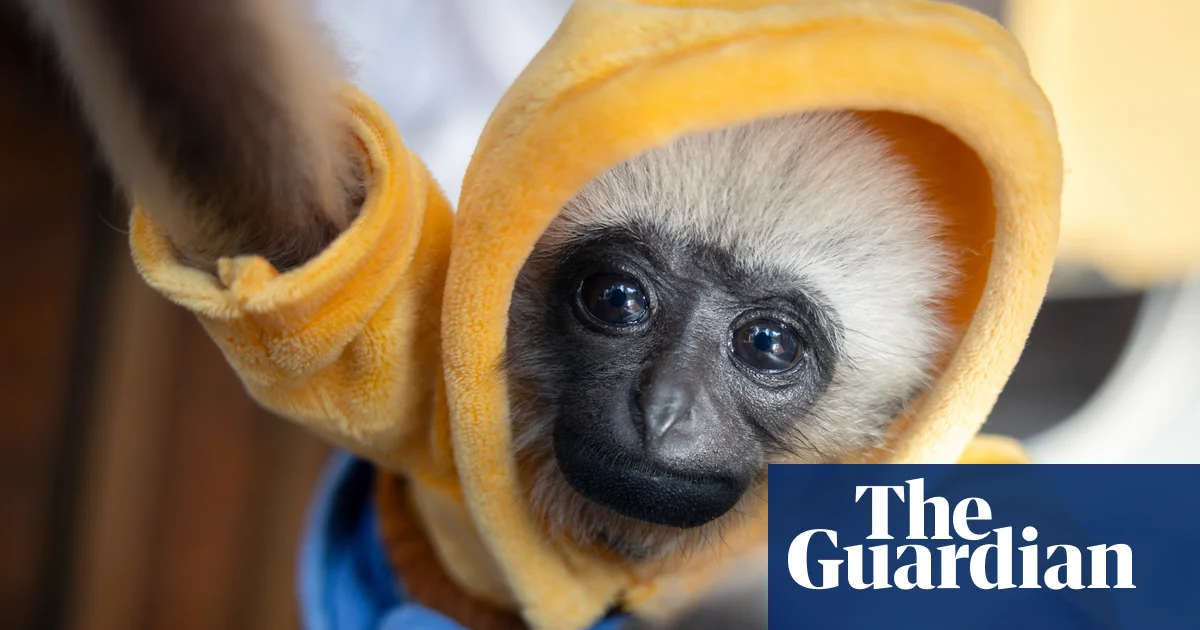
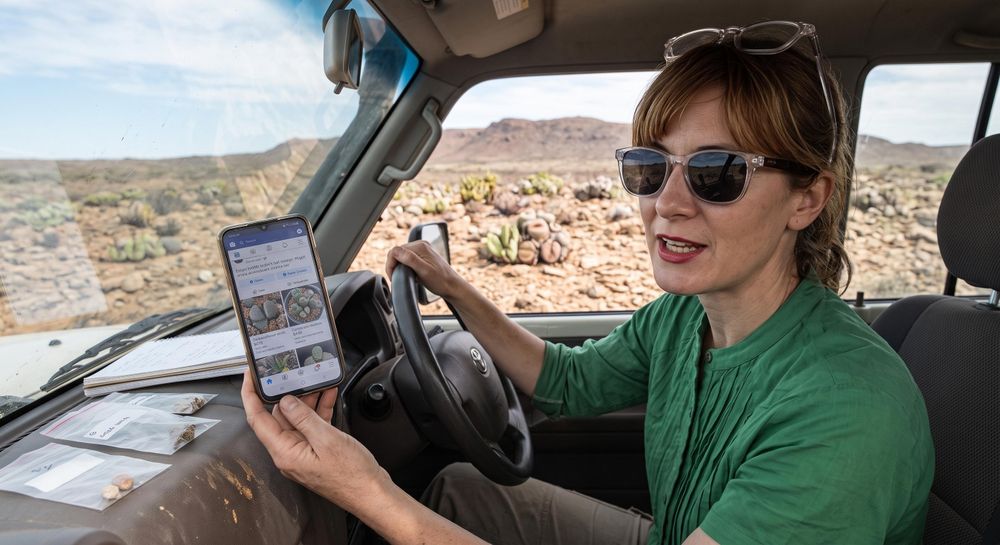
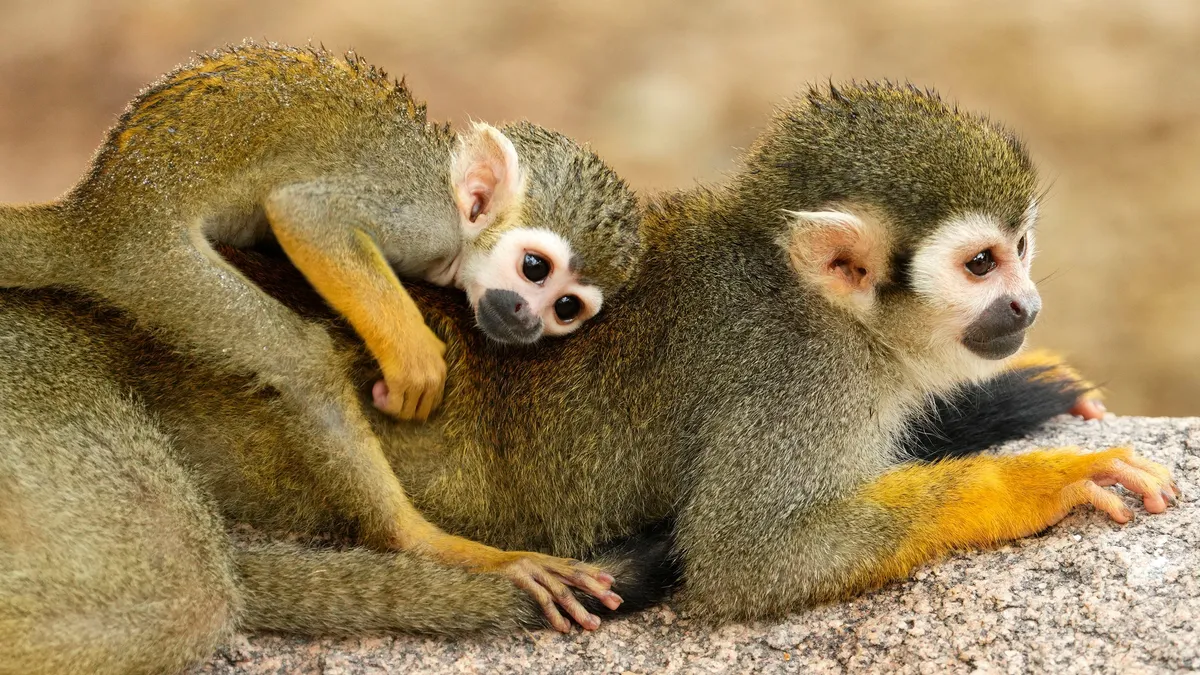
Buying a pet monkey in the United States may be as easy as scrolling social media, according to a report that found widespread online sales of primates, including endangered species, across major platforms.The new study, released on May 19 by the Association of Zoos and Aquariums (AZA), the International Fund for Animal Welfare, and World Wildlife Fund, identified more than 1,000 listings for primates on Facebook, Instagram, TikTok, and YouTube over a "six-week period in mid-2025." Researchers said many posts were labeled as "rehoming" or "adoption," masking a trade that operates with few federal restrictions and raises concerns about animal welfare and public safety.According to the group, the study is the first U.S.-only report that analyzed sales of primates via social media."All you need is a phone and a social media account to buy a primate in the U.S.," Danielle Kessler, U.S. country director of the International Fund for Animal Welfare, said in a statement. "This is an industry that thrives on clicks, cash and cruelty.” How many primates were advertised?Researchers documented 1,131 posts from 122 accounts advertising 1,614 primates, with macaques the most commonly listed species. Marmosets and capuchins were also frequently advertised.Prices ranged from $250 to $6,500, depending on species, age, and rarity. Many of the animals listed were infants, often taken from their mothers in the wild, the groups said.Some of the species offered for sale, including macaques, spider monkeys, lemurs, and chimpanzees, are considered endangered in the wild. The United States has no federal ban on owning primates as pets, though state laws vary.Experts say demand for infant animals is driven by the belief they will bond more easily with humans. But many die before reaching buyers or suffer long-term trauma due to smuggling and harsh transport conditions, according to the report."The ease with which primates are being bought and sold online should be a wake-up call," Sara Walker, senior advisor on wildlife trafficking at AZA, said in a statement. "These are complex, long-lived wild animals — not pets— and this growing digital marketplace is fueling demand, causing animals to suffer. This also increases pressure on zoos and sanctuaries that must care for confiscated wildlife — often for the rest of their lives, since most confiscated primates cannot be returned to the wild."Are monkeys vulnerable in the wild?About 75% of the world’s primates are threatened with extinction, according to the report. Wildlife trafficking is a $23 billion global industry and ranks among the largest illegal markets.Many animals are smuggled into the United States through the U.S.-Mexico border, the report said."Wild primates are just the latest wild animal put at risk by a combination of ignorant desire and calculated greed," Ed Newcomer, a former U.S. Fish and Wildlife Service agent, said in a statement.The groups urge people not to engage with, share, or purchase primates through posts on social media, and to report any listings using the platforms' reporting tools.Michelle Del Rey is a trending news reporter at USA TODAY. Reach her at mdelrey@usatoday.com.