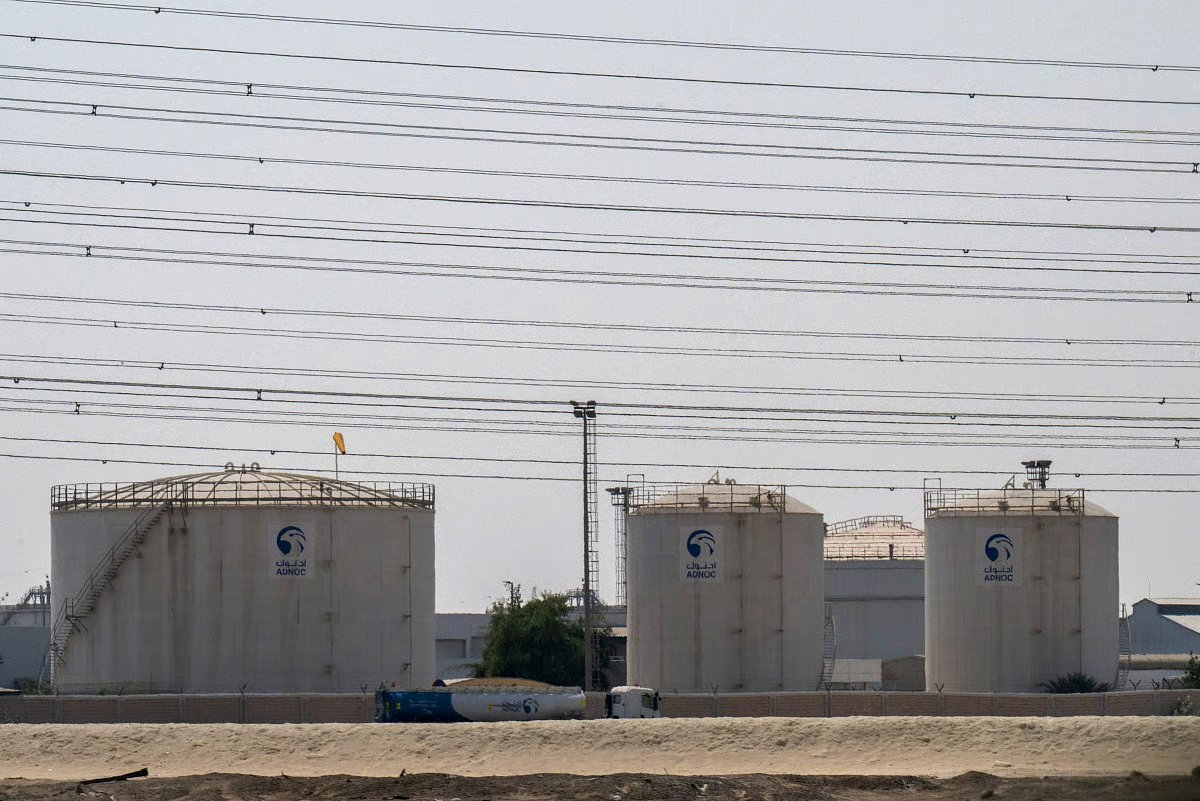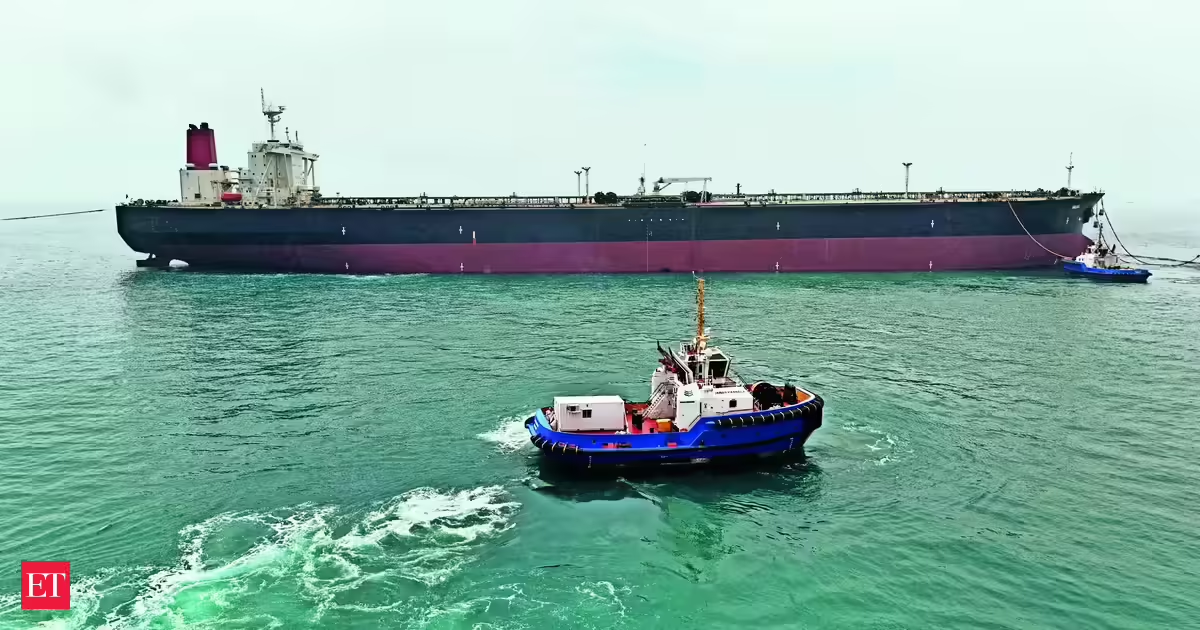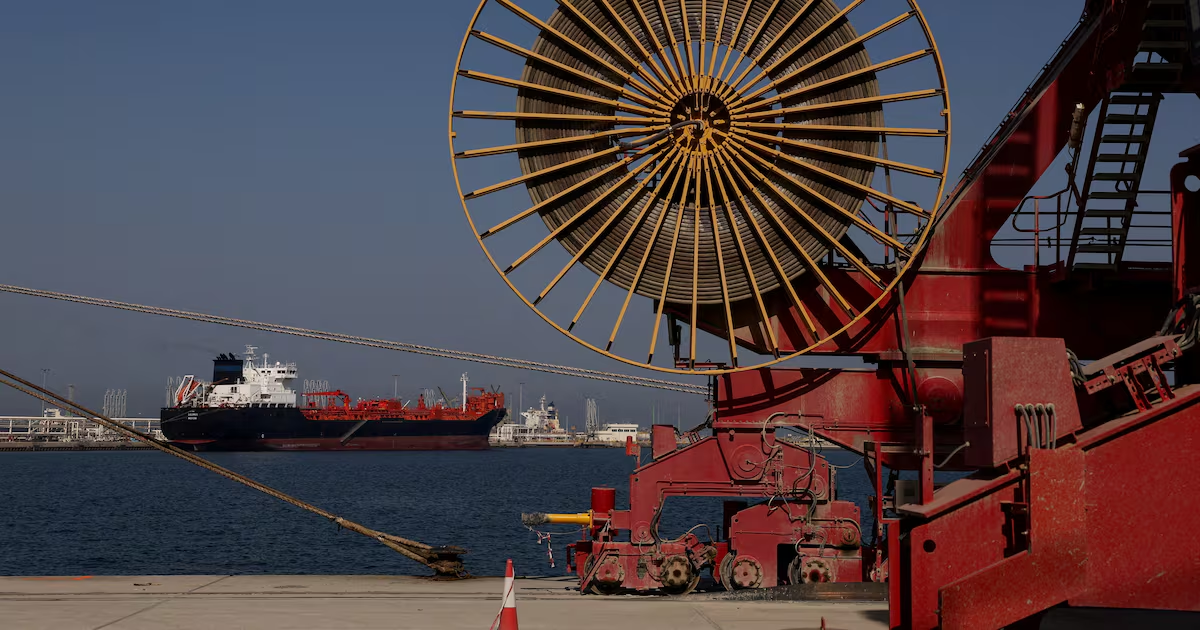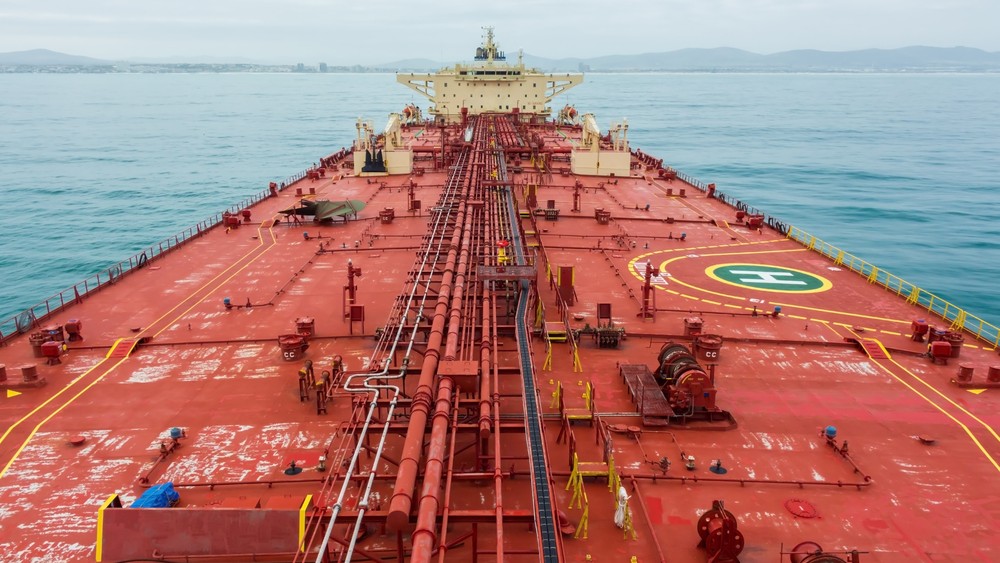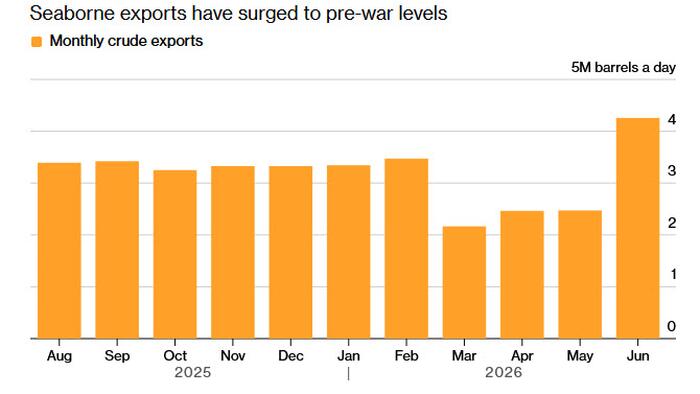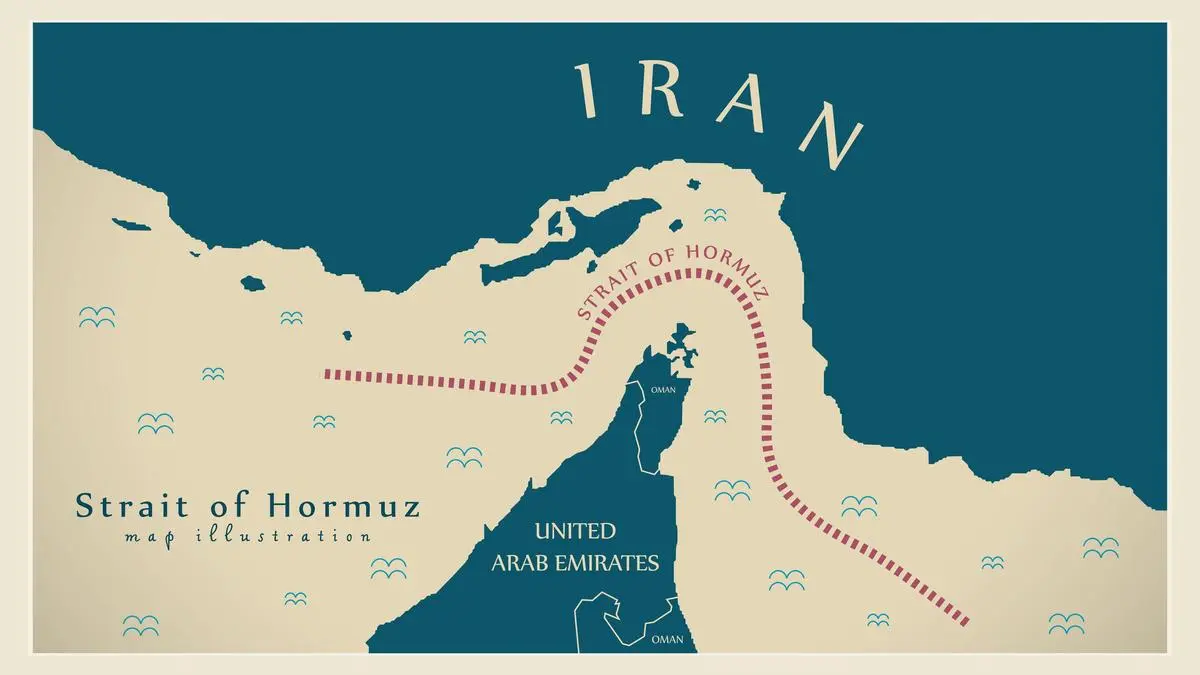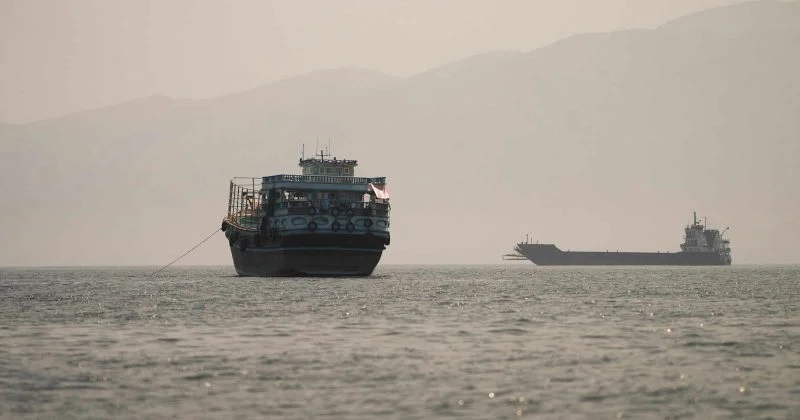
The United Arab Emirates has successfully restored its oil exports to pre-war levels by employing alternative routes to bypass the blocked Strait of Hormuz. According to recent reports, the UAE has been using a combination of sneaking tankers through the strait and utilizing the Abu Dhabi Crude Oil Pipeline (ADCOP) that reaches the port of Fujairah, bypassing the critical maritime chokepoint. This strategic shift underscores the UAE’s efforts to maintain its oil export capacity amid the ongoing US/Israel-Iran conflict, which has led to significant disruptions in global oil transit.
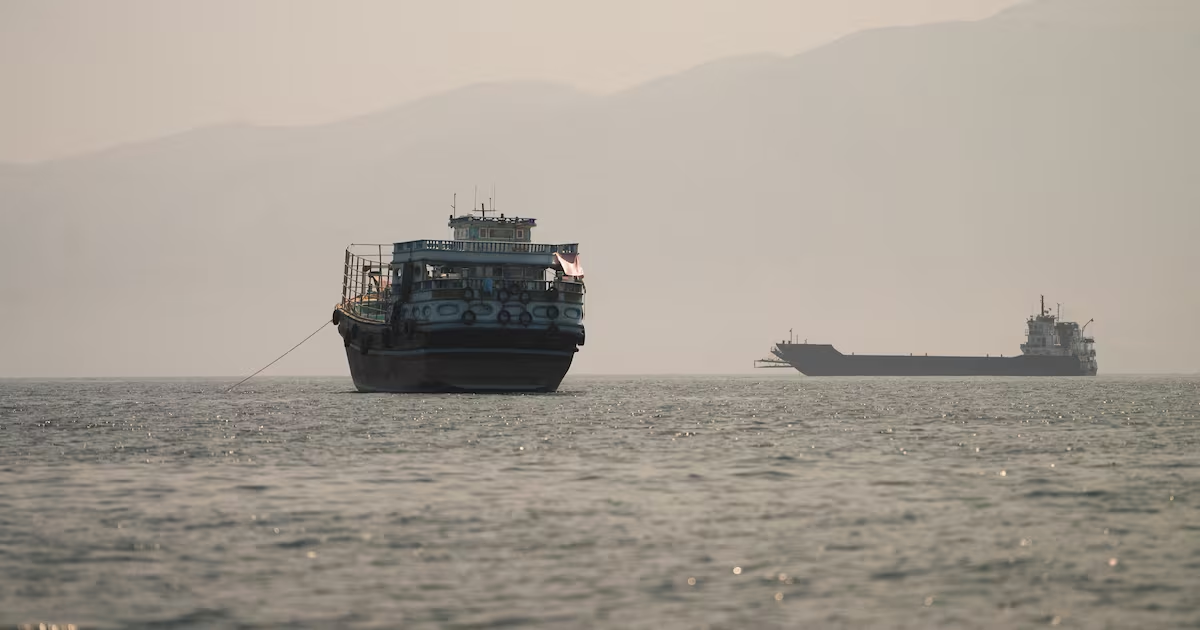
The blockade of the Strait of Hormuz by Iran has been a major hurdle, halting roughly 20 million barrels per day of oil transit since March 2026. The UAE’s ability to adapt and utilize land-based infrastructure to circumvent this blockade represents a significant development in the region’s energy dynamics. While the ADCOP pipeline is still under construction, its current use demonstrates the UAE’s resilience and strategic foresight in sustaining its oil exports.
This development in the UAE’s oil export strategy comes amid declining market confidence that the Strait of Hormuz traffic will return to normal by the end of July. The current market pricing suggests a 30.5% probability that the traffic will normalize by July 31, reflecting skepticism about the resolution of the blockade in the near term.