The UAE’s crude oil exports surged to roughly 4.3 million barrels per day in early June, clawing back to nearly 85% of pre-conflict levels. That’s a remarkable turnaround from the 1.9 million bpd the country managed in March, when naval blockades around the Strait of Hormuz had choked Gulf shipping to a trickle.
The recovery, documented in the IEA’s June 2026 report, underscores something that’s been quietly reshaping the global energy map: the UAE isn’t just surviving the disruption. It’s using it as a springboard to rewrite its position in global oil markets.
How the UAE routed around the blockade
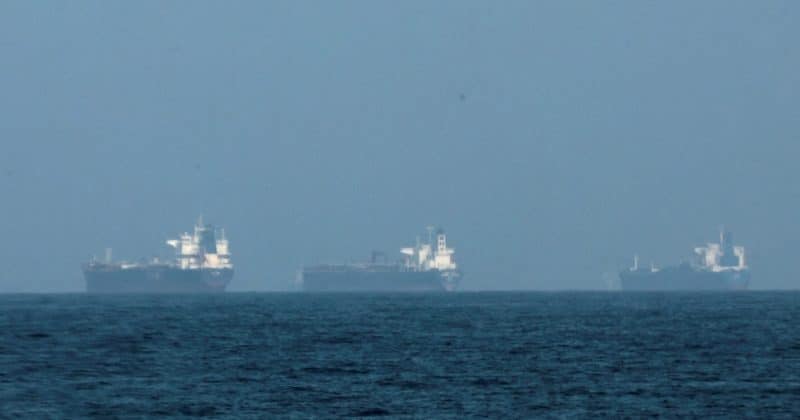
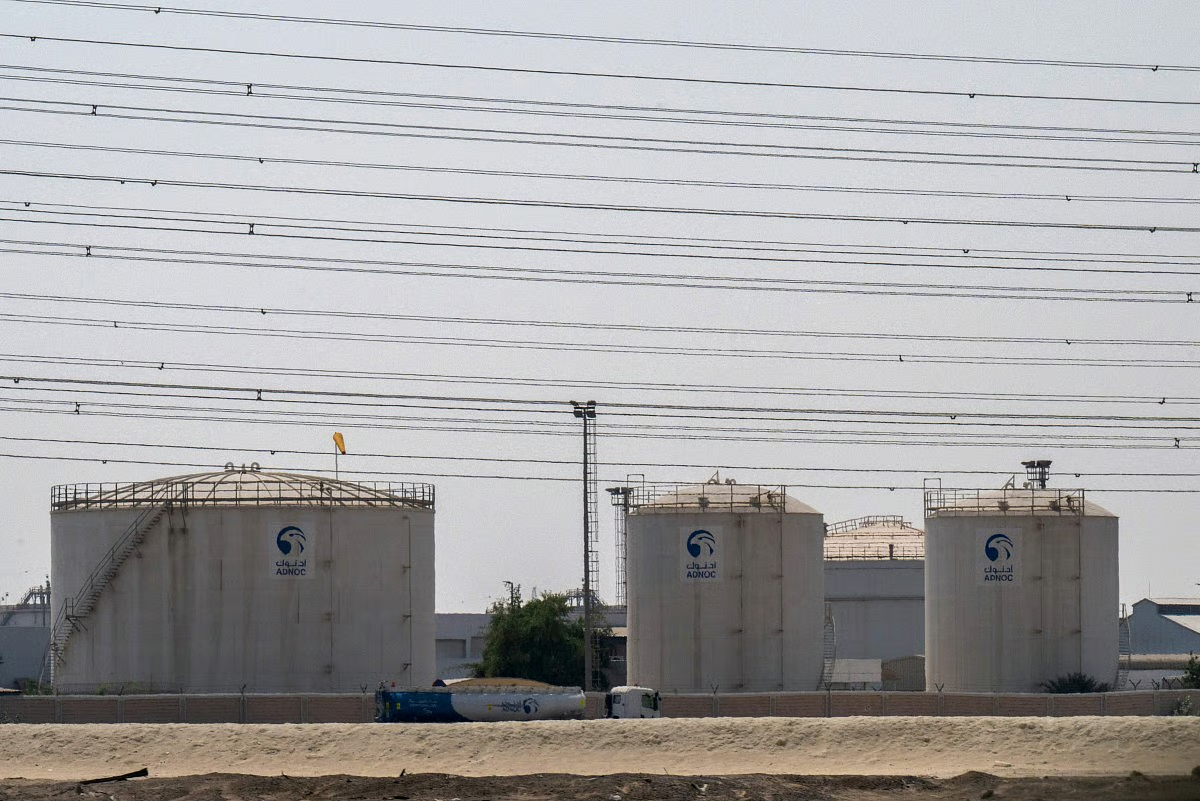
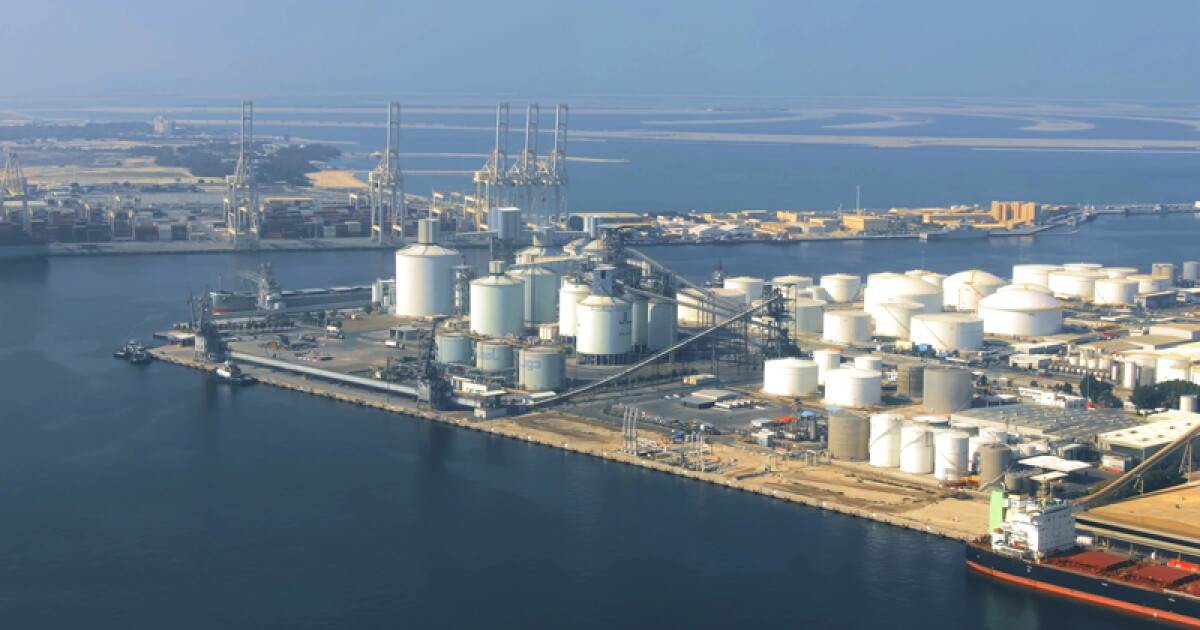
The hero of this story is a pipeline most people have never heard of. The Habshan-Fujairah pipeline, operated by Abu Dhabi National Oil Company (ADNOC), carries crude from inland fields directly to the port of Fujairah on the Gulf of Oman. In English: it lets the UAE ship oil without ever touching the Strait of Hormuz, the narrow chokepoint where Iran-related conflict has wreaked havoc on tanker traffic.
That pipeline has a capacity of 1.8 million bpd. When the strait became effectively impassable for stretches of early 2026, ADNOC leaned on this infrastructure hard, ramping throughput to compensate for the maritime routes that were either too dangerous or too expensive to insure.