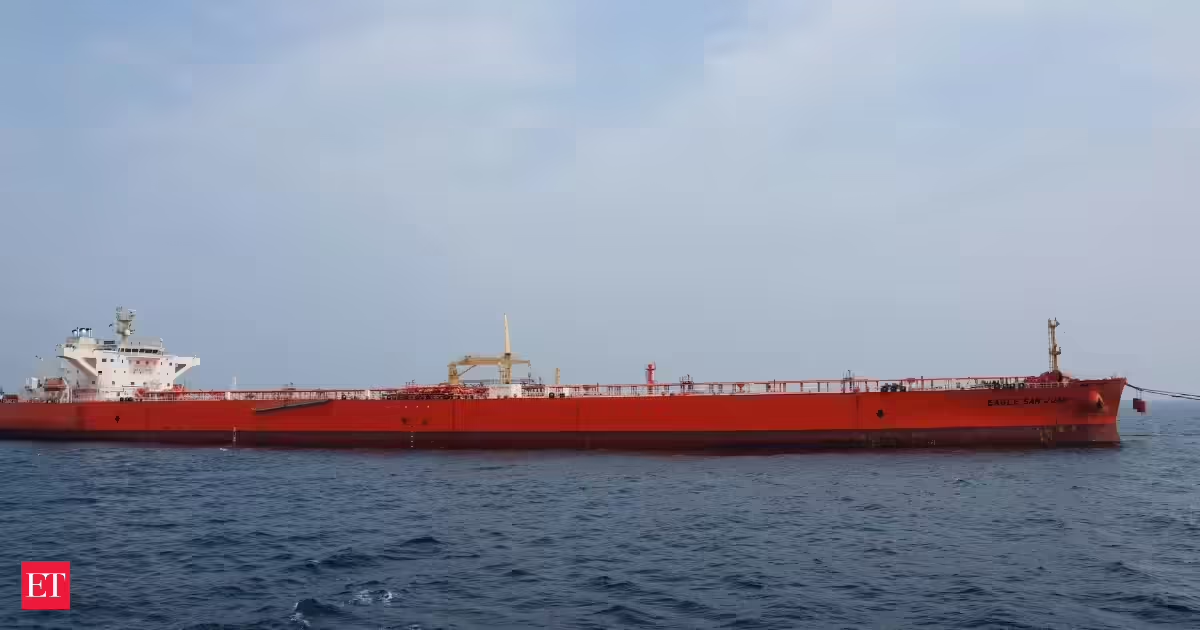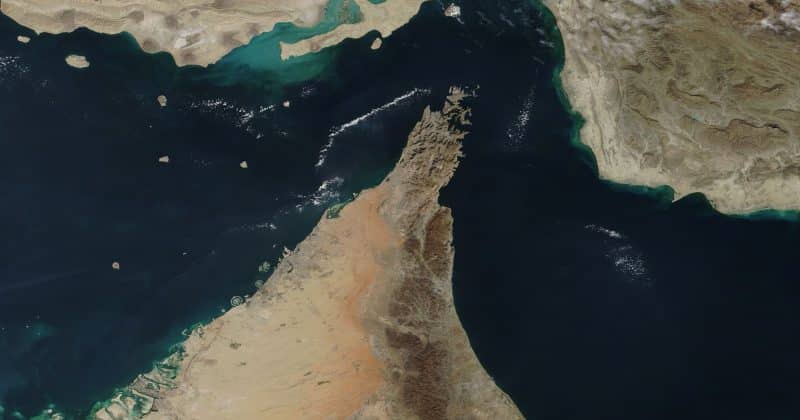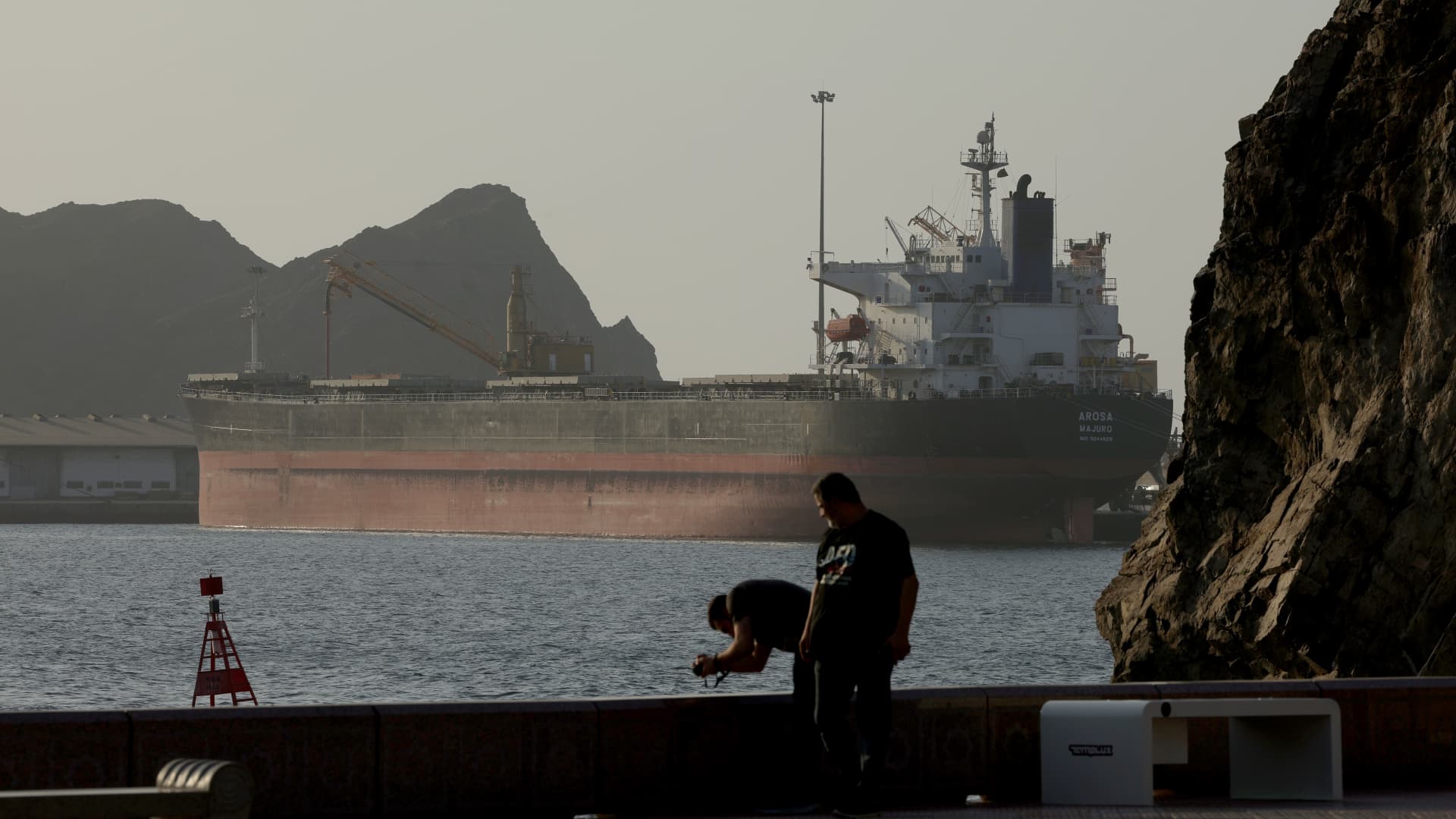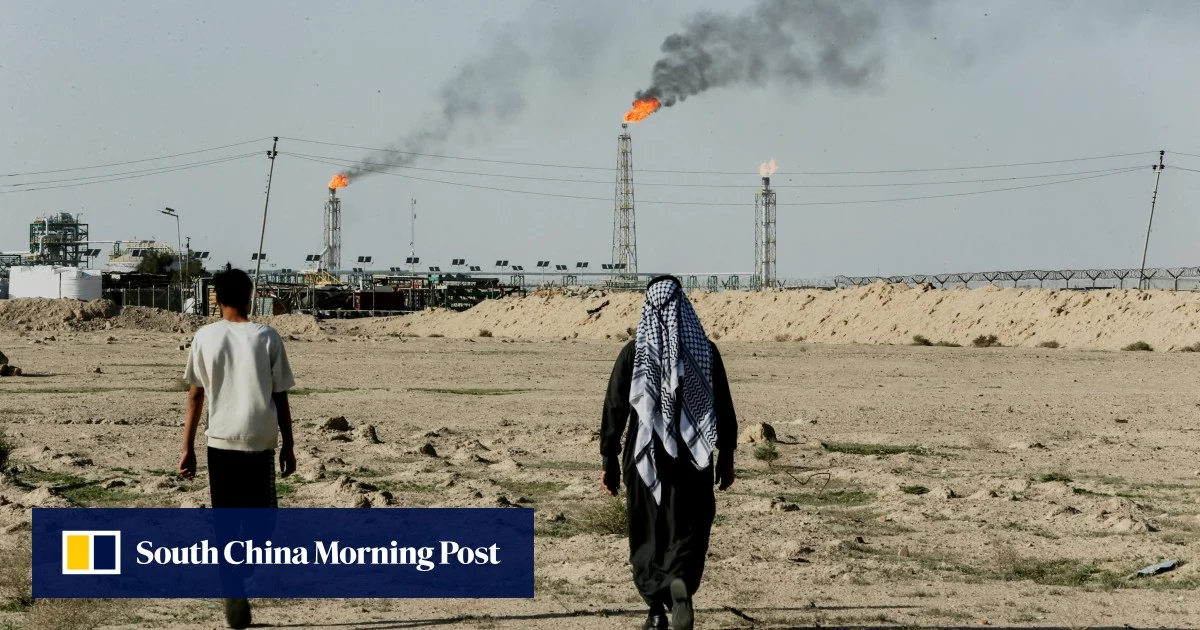
Exports from the region are expected to reach about 2.4 million metric tonnes (508,000 barrels per day) this month, more than 20% higher than in May, according to Kpler and LSEG data cited by Reuters. However, shipments remain well below the pre-conflict monthly average of 5.5-6 million tonnes.Middle Eastern fuel oil exports are set to rebound to a four-month high in June as Iraq and Saudi Arabia rerouted supplies through alternative ports while shipments through the Strait of Hormuz gradually resume following the US-Iran interim peace agreement, Reuters reported citing trade sources and shipping data.Exports from the region are expected to reach about 2.4 million metric tonnes (508,000 barrels per day) this month, more than 20% higher than in May, according to Kpler and LSEG data cited by Reuters. However, shipments remain well below the pre-conflict monthly average of 5.5-6 million tonnes.The recovery comes after Washington and Tehran reached an interim agreement aimed at ending hostilities, easing concerns over disruptions in one of the world's busiest energy shipping routes. The development has also sent high-sulphur fuel oil (HSFO) prices lower at major trading hubs such as Singapore."Fuel oil flows through the Strait of Hormuz are expected to increase over the next 60 days, but the recovery is unlikely to be substantial," said Palash Jain, Middle East oil consultant at FGE NexantECA."Uncertainty over the outcome of negotiations and the durability of the peace deal is expected to keep shippers cautious," Jain added.Shipping data from LSEG showed the Aframax tanker Gamsunoro, carrying around 80,000 tonnes of fuel oil loaded in Iraq, exited the Strait of Hormuz late on Wednesday and headed towards Fujairah.According to Reuters, exports could increase further as more cargoes gradually move through Hormuz over the coming weeks. However, analysts said tighter regional fuel balances, limited scope for higher refinery runs and peak summer demand could restrict a sharper recovery.HSFO is widely used as marine fuel, electricity generation fuel and refinery feedstock.Shipping data showed Syria, Saudi Arabia and Oman emerged as the largest Middle Eastern HSFO exporters in June. Before the conflict, the leading exporters were Iraq, Kuwait, Iran and the United Arab Emirates.Iraq exported fuel oil from Syria's Baniyas port for the first time in March, with volumes reaching a record more than 600,000 tonnes in June."Iraq remains focused on diversifying export routes, with the Syrian corridor serving as a strategic alternative to Hormuz," Jain said.Before the conflict, Iraq exported most of its fuel oil through Khor al-Zubair. The alternative route has seen millions of barrels transported by road across Syria to Baniyas before being re-exported.Saudi Arabia is also expected to export more than 300,000 tonnes of fuel oil from its Red Sea port of Yanbu in June, the highest level in five months after diverting shipments away from the Gulf route.Fuel oil exports from Oman are projected to reach nearly 300,000 tonnes, the highest level in more than two years.Despite the interim US sanctions waiver, traders told Reuters they expect Iranian fuel oil exports to remain capped as banking and payment-related hurdles continue to impede trade.The sources said financial settlement issues are likely to remain a key constraint even as diplomatic efforts continue to ease tensions in the region.
Middle East fuel oil exports hit four-month high as Hormuz shipping gradually recovers
Middle Eastern fuel oil exports are set to rebound to a four-month high in June as Iraq and Saudi Arabia rerouted supplies through alternative ports while shipments through the Strait of Hormuz gradually resume following the US-Iran interim peace agreement, Reuters reported citing trade sources and shipping data.
531 words~2 min read