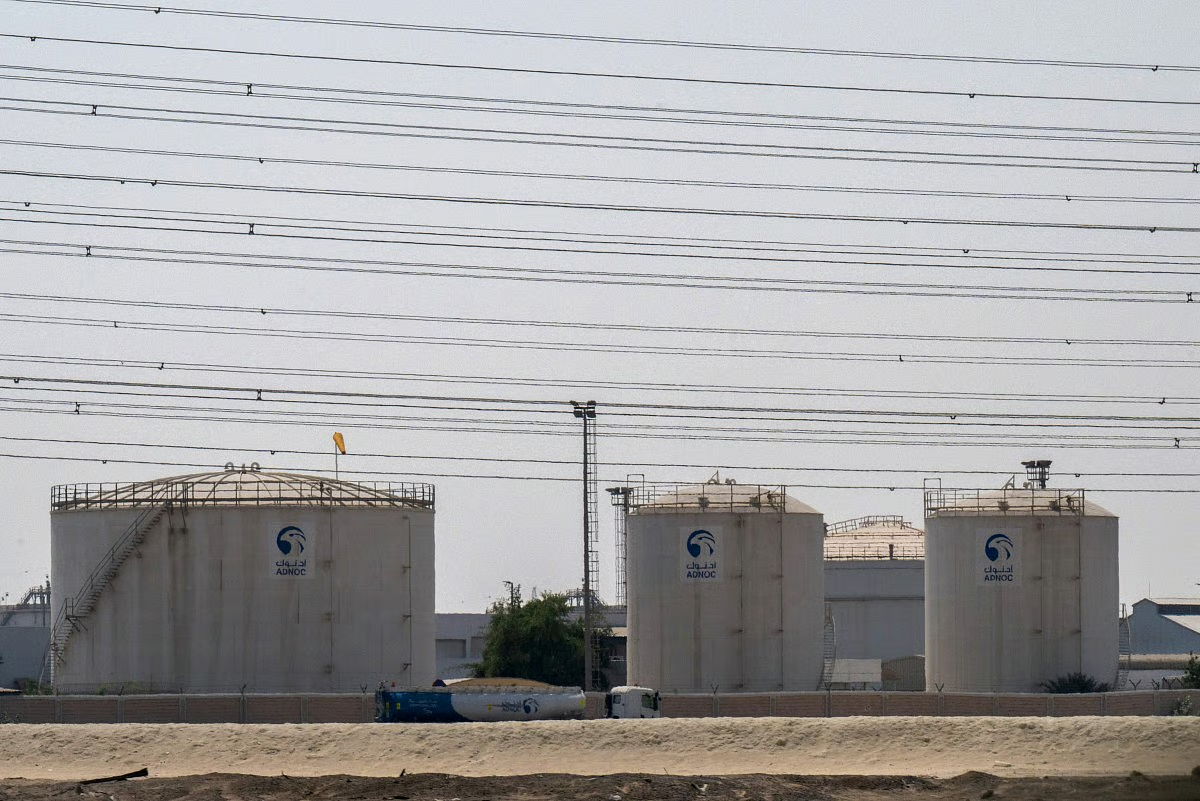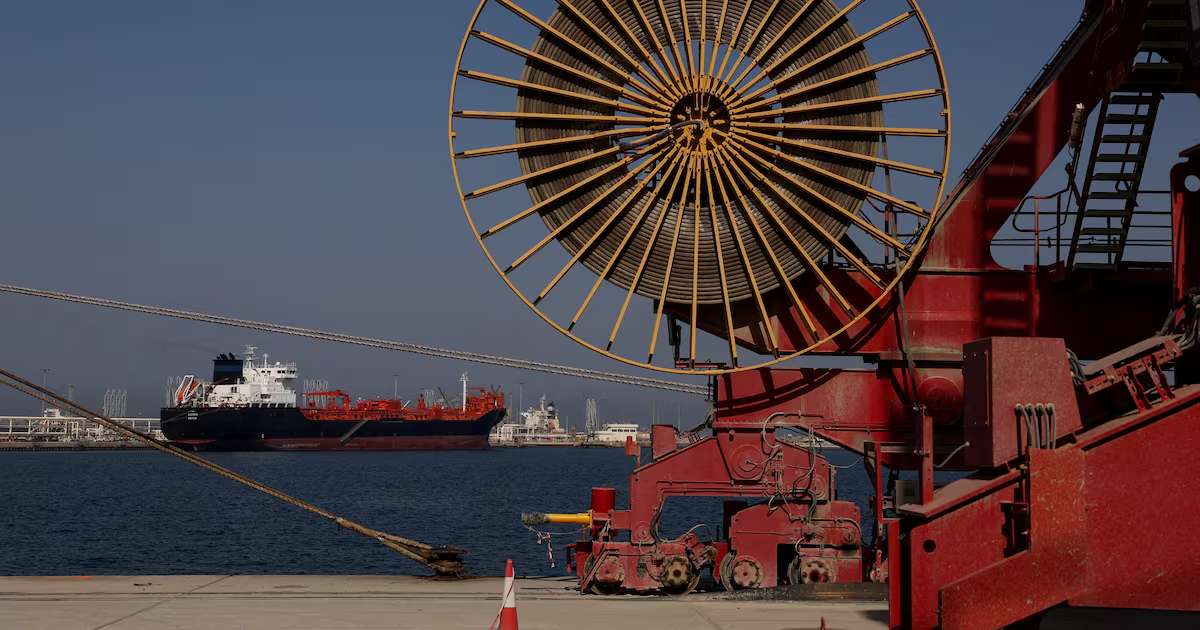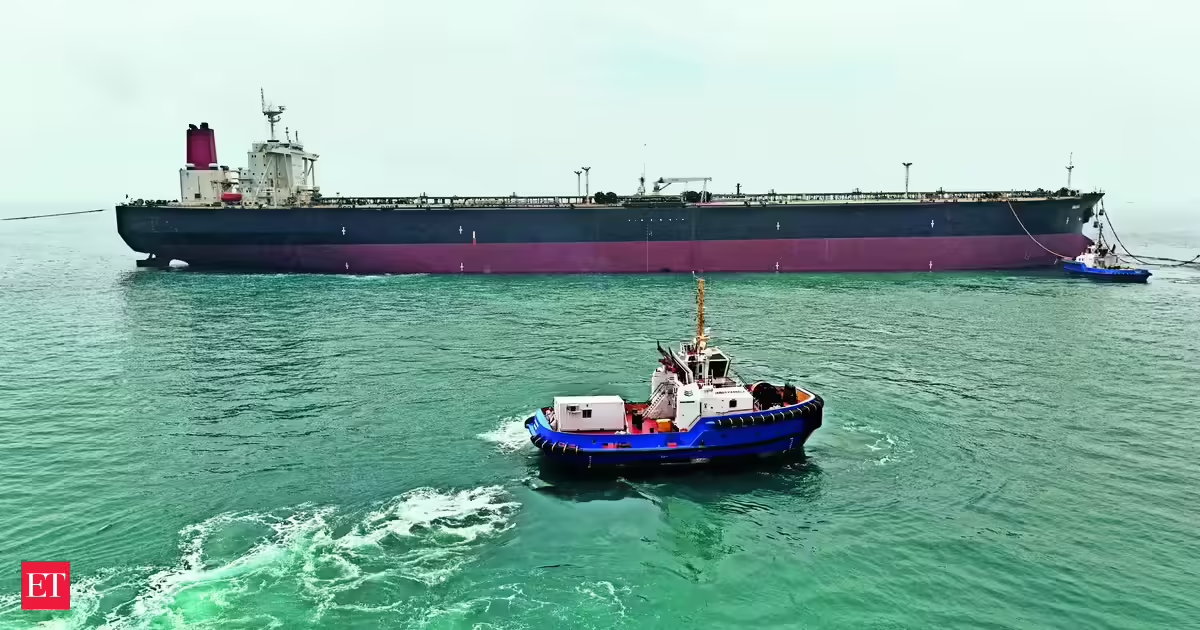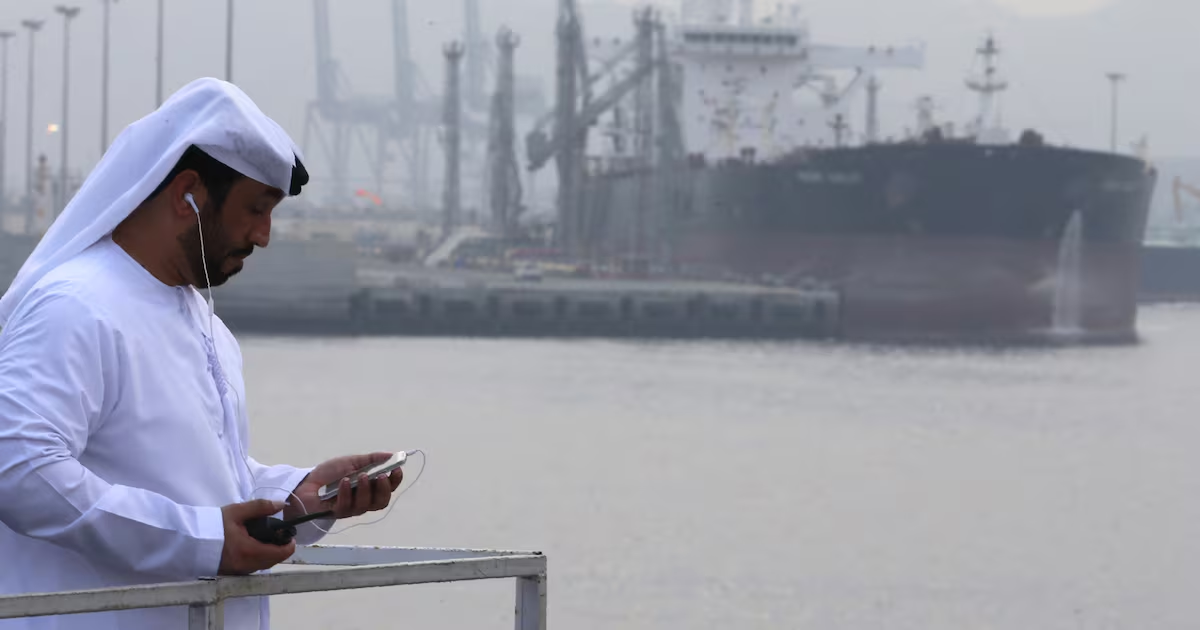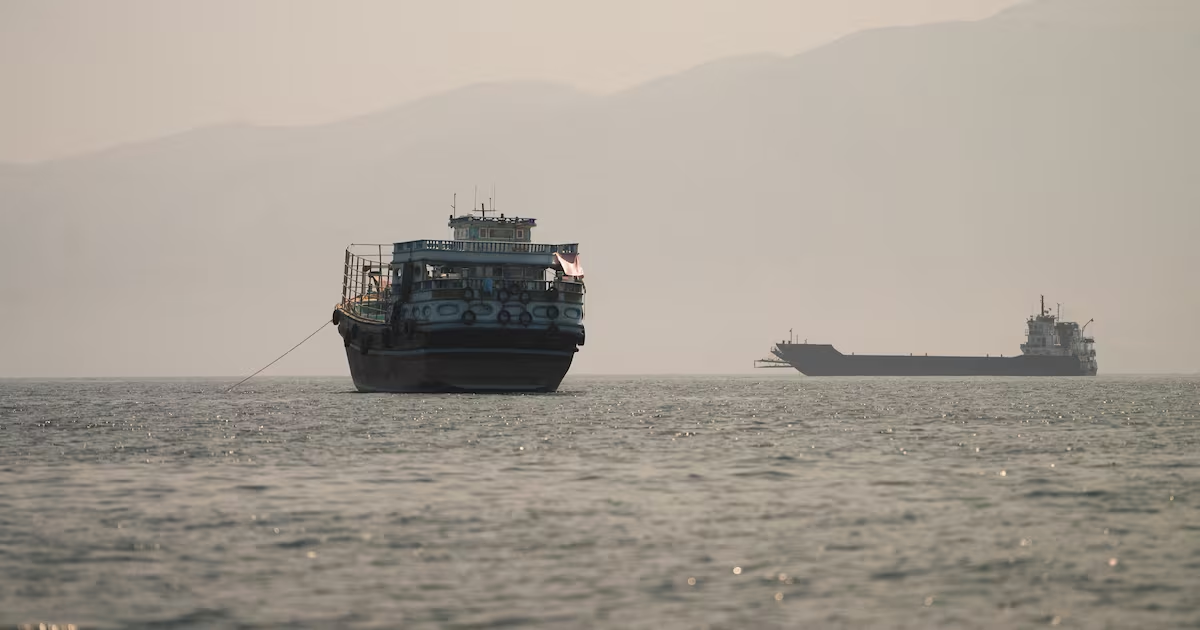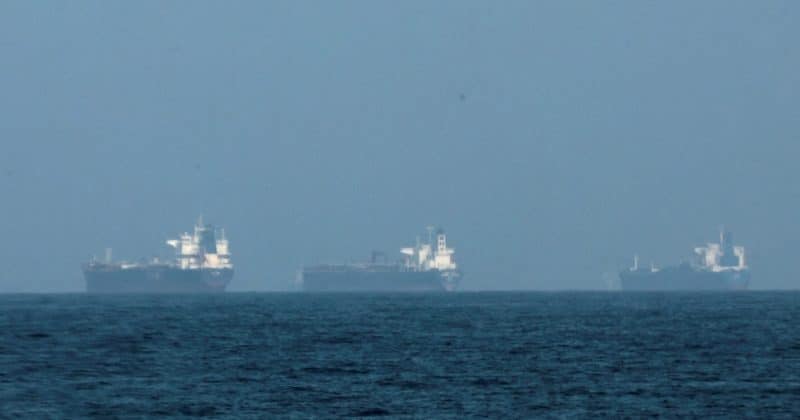
Three months ago, the UAE’s oil exports were cut nearly in half. Now they’re almost all the way back, and the playbook for how it happened is worth paying attention to.
By early June 2026, UAE oil exports rebounded to approximately 4.3 million barrels per day, roughly 85% of pre-war levels, according to data from the International Energy Agency. That’s a remarkable swing from March 2026, when exports cratered to 1.9 million bpd amid the Iran conflict that threw the entire Gulf region into chaos.
The pipeline that saved ADNOC’s export machine
The Habshan-Fujairah pipeline, which runs from Abu Dhabi’s inland oil fields to the port of Fujairah on the Gulf of Oman, has a capacity of around 1.8 million bpd. Its importance is simple: it completely bypasses the Strait of Hormuz, the narrow chokepoint between Iran and Oman that handles about 20% of global oil trade.
Backing up the pipeline is the Mandous underground storage facility, which can hold up to 42 million barrels of oil. Having that kind of reserve capacity meant the UAE could smooth out the supply shocks rather than letting them cascade into prolonged export declines.