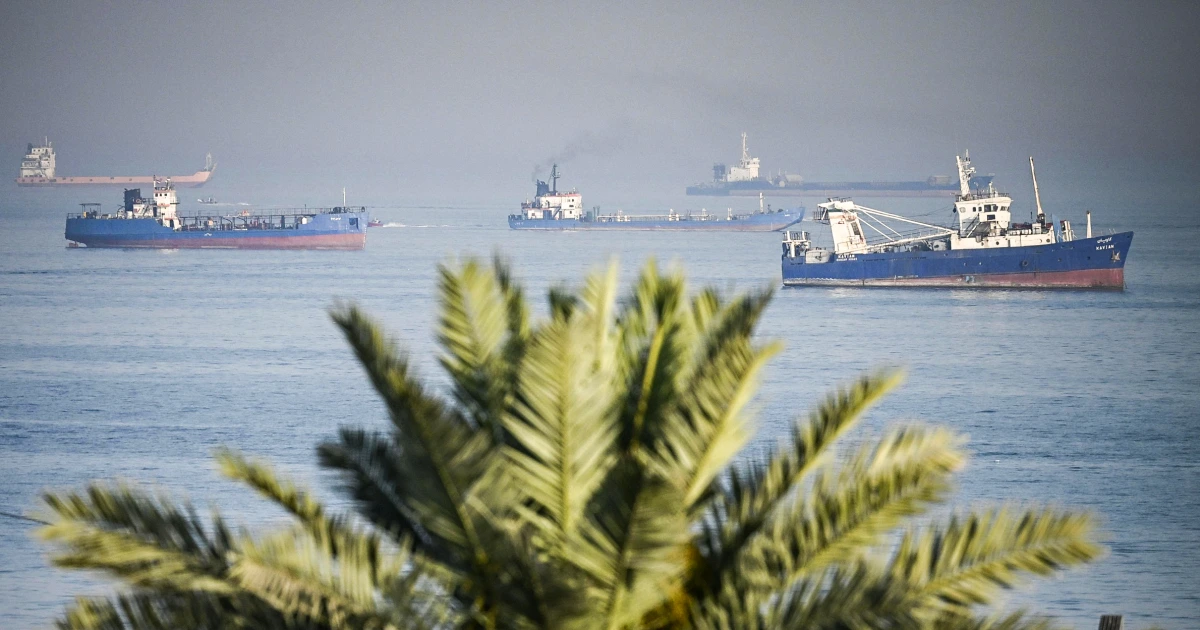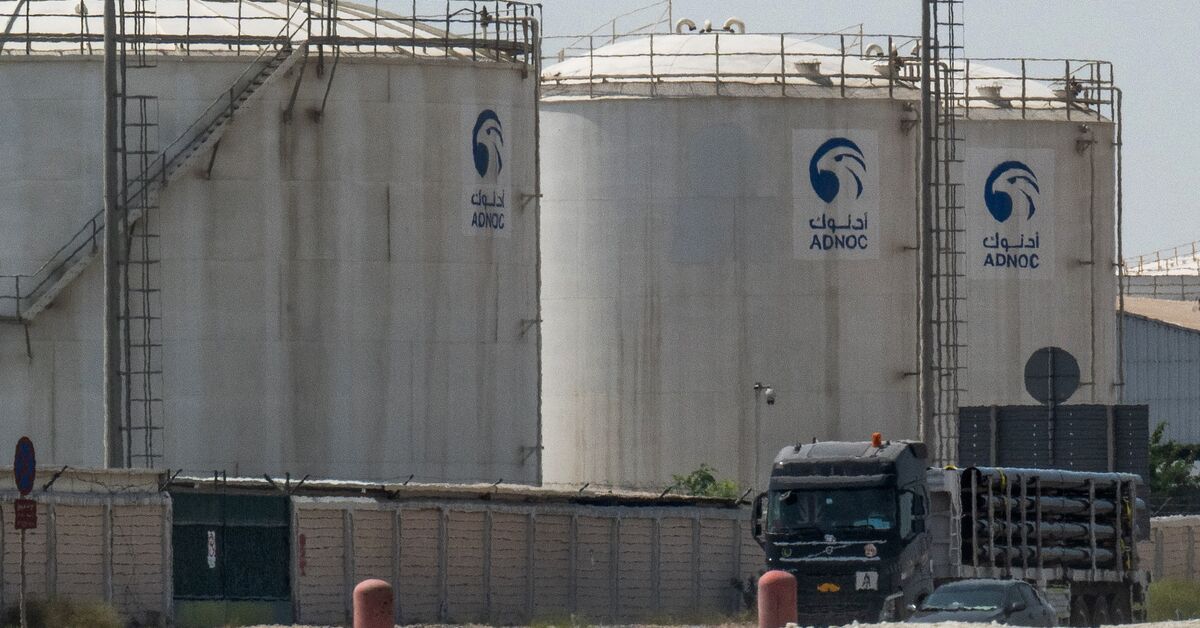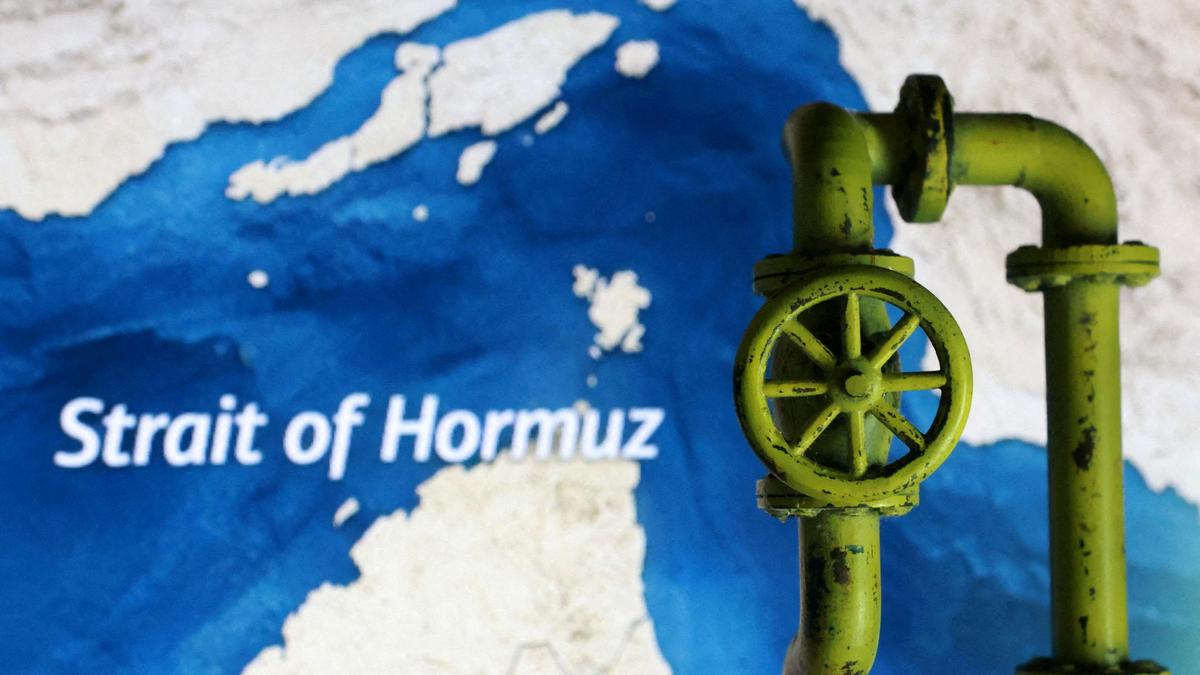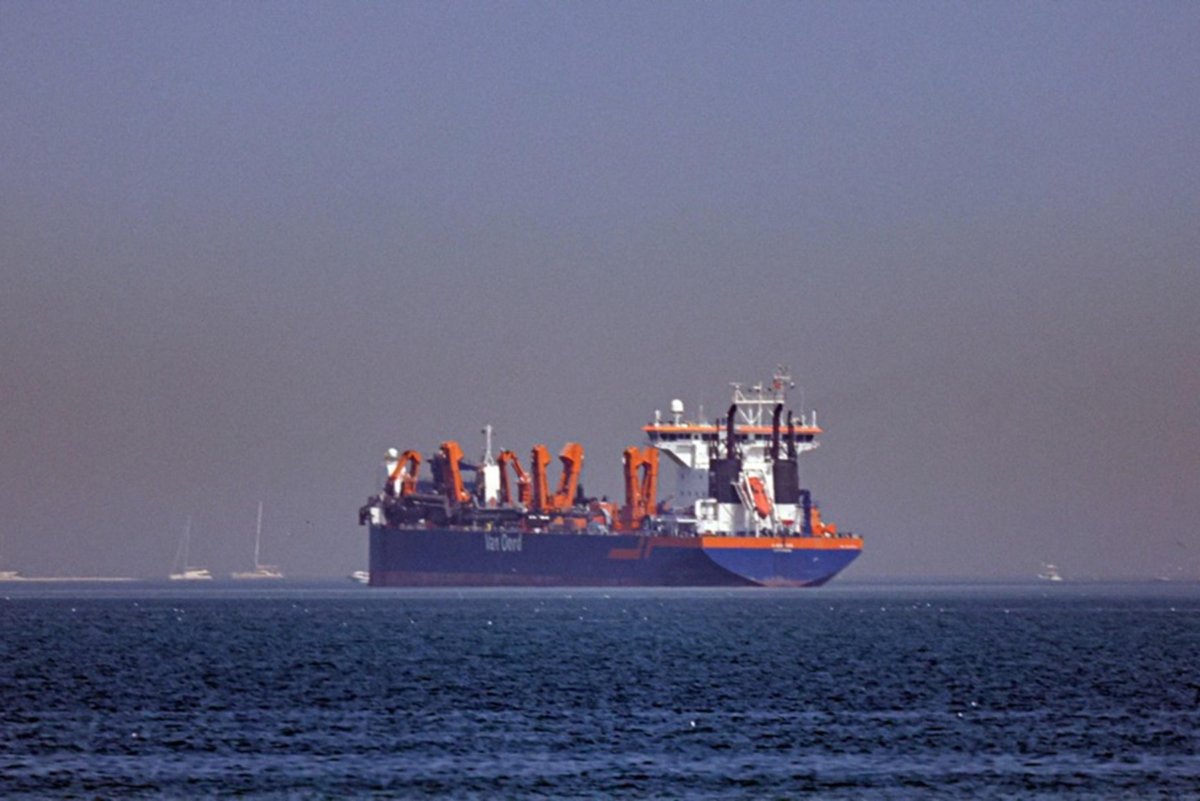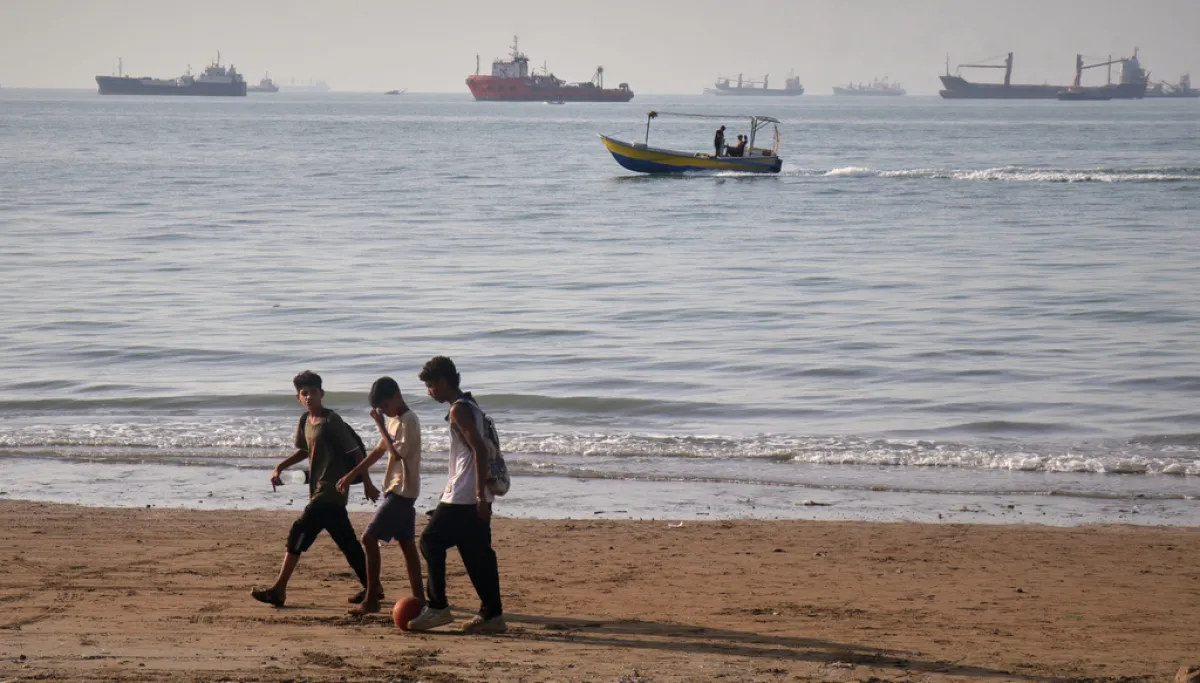
Iran’s blockade of the Strait of Hormuz exposed the fragility of the Gulf States’ oil export infrastructure, grinding their ability to export the lifeblood of their economies to a halt. Aiming to reduce its reliance on the key waterway, the UAE revealed on Friday that it was fast-tracking construction of a second pipeline through its territory to circumvent the strait.At a board meeting on Friday, Abu Dhabi Crown Prince Sheikh Khaled bin Mohamed bin Zayed instructed the state-owned Abu Dhabi National Oil Company, the Emirati government said. The West-East Pipeline is now expected to be completed sometime next year.
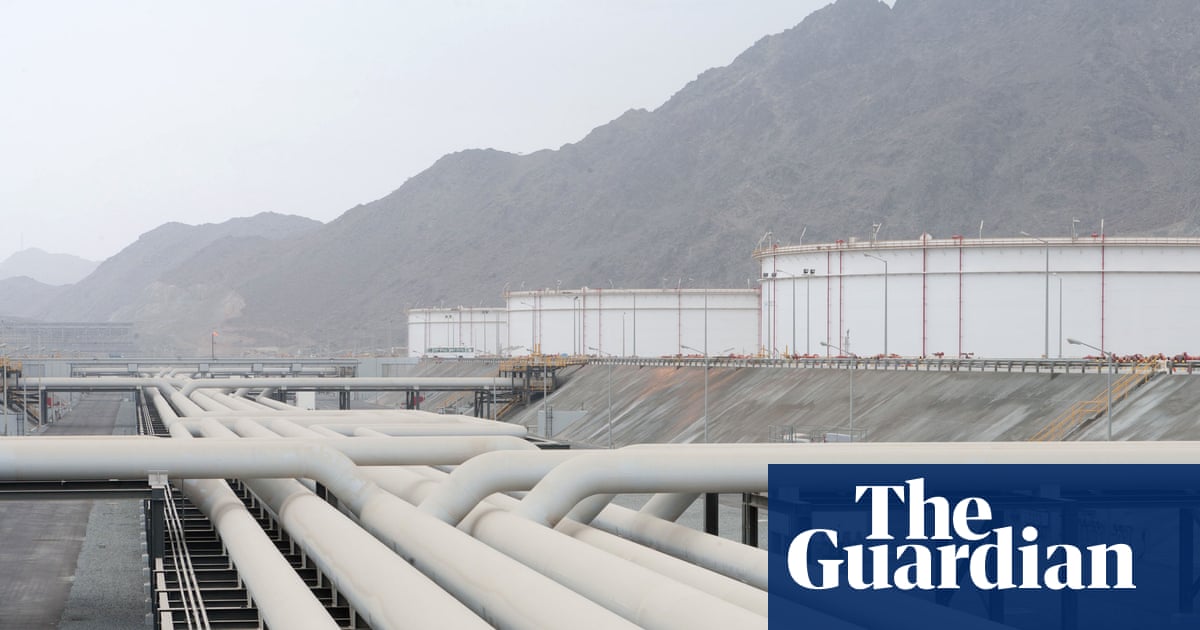
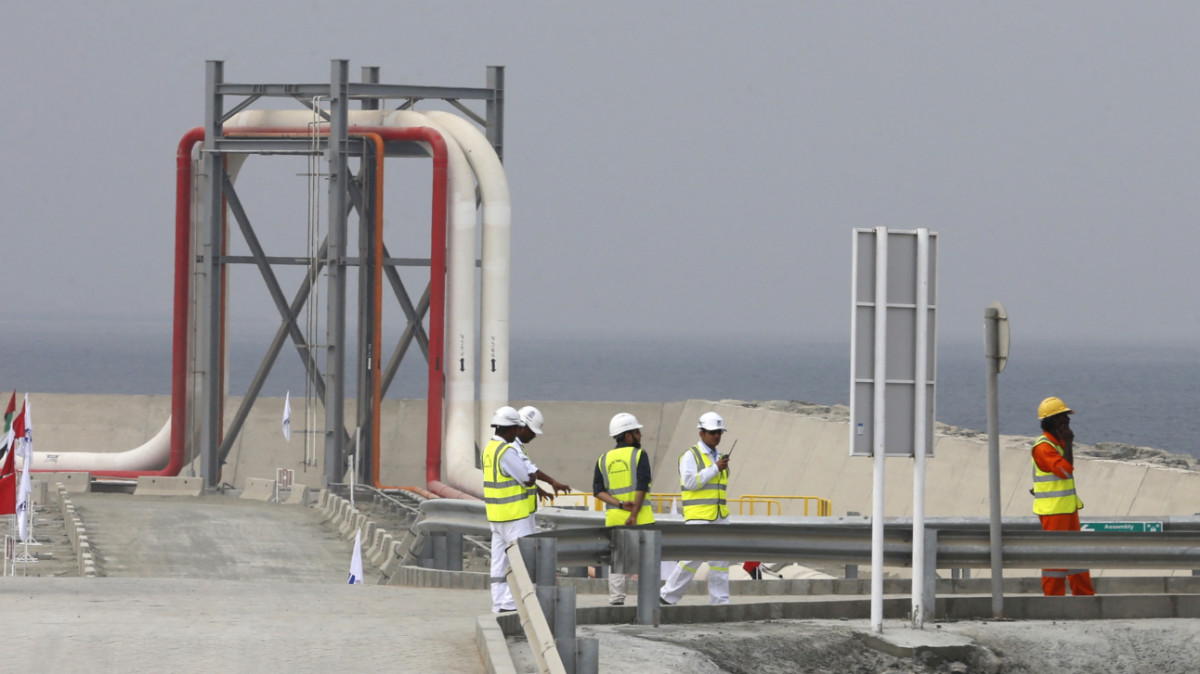
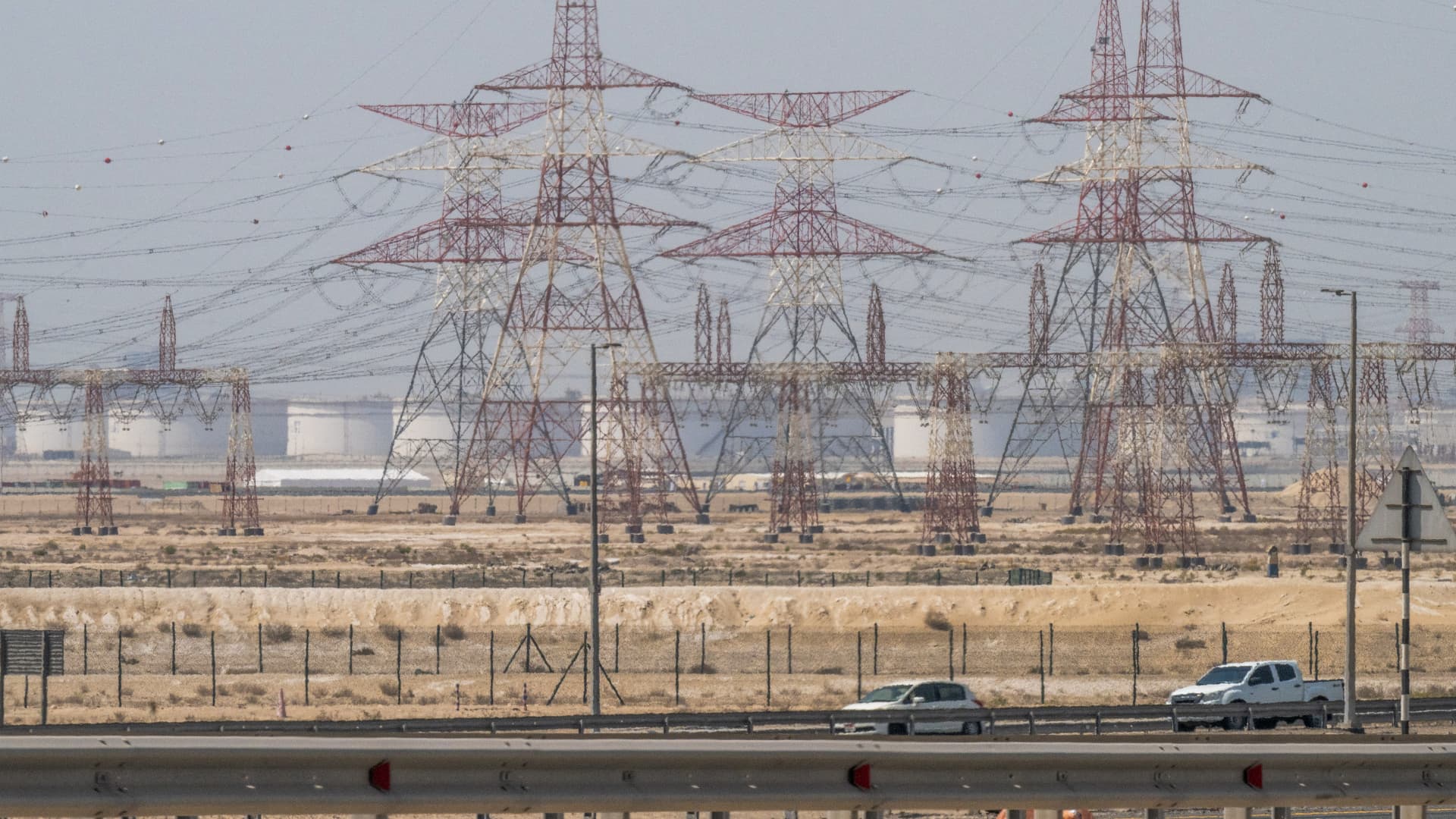
The UAE currently relies on a single pipeline to surpass the strait — the Habshan-Fujairah pipeline — which was completed in 2012 and can transport up to 1.8 million barrels per day. The 235-mile-long pipeline transports oil and gas from the oil and gas-rich western regions, through the desert, to the port of Fujairah on the Gulf of Oman.
The new pipeline, if ADNOC’s estimates are correct, would allow the UAE to export its current full capacity by land — the country produces 3.2 to 3.6 million barrels per day under the former OPEC quota, an organization that it left at the beginning of the month. Even at an extended capacity, however, the new pipeline, allowing it to transport roughly 3.2 million barrels per day around the Strait of Hormuz, would drastically decrease its reliance on the strait.