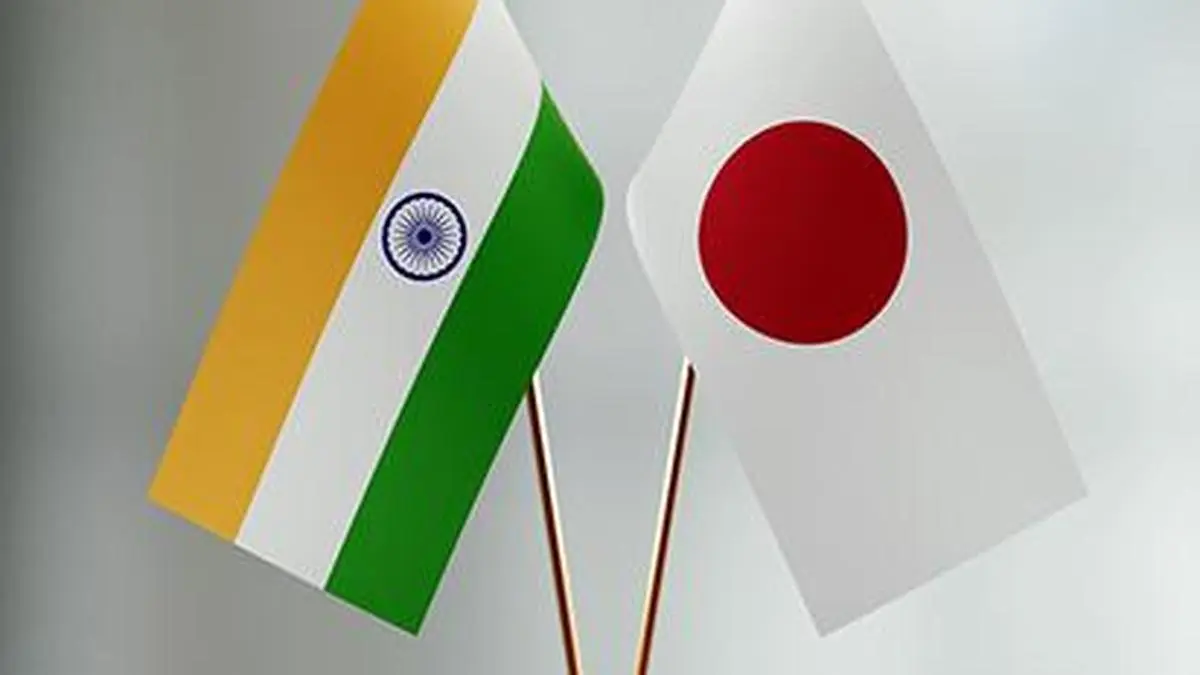
Cooperation flags.
| Photo Credit:
Ruskpp
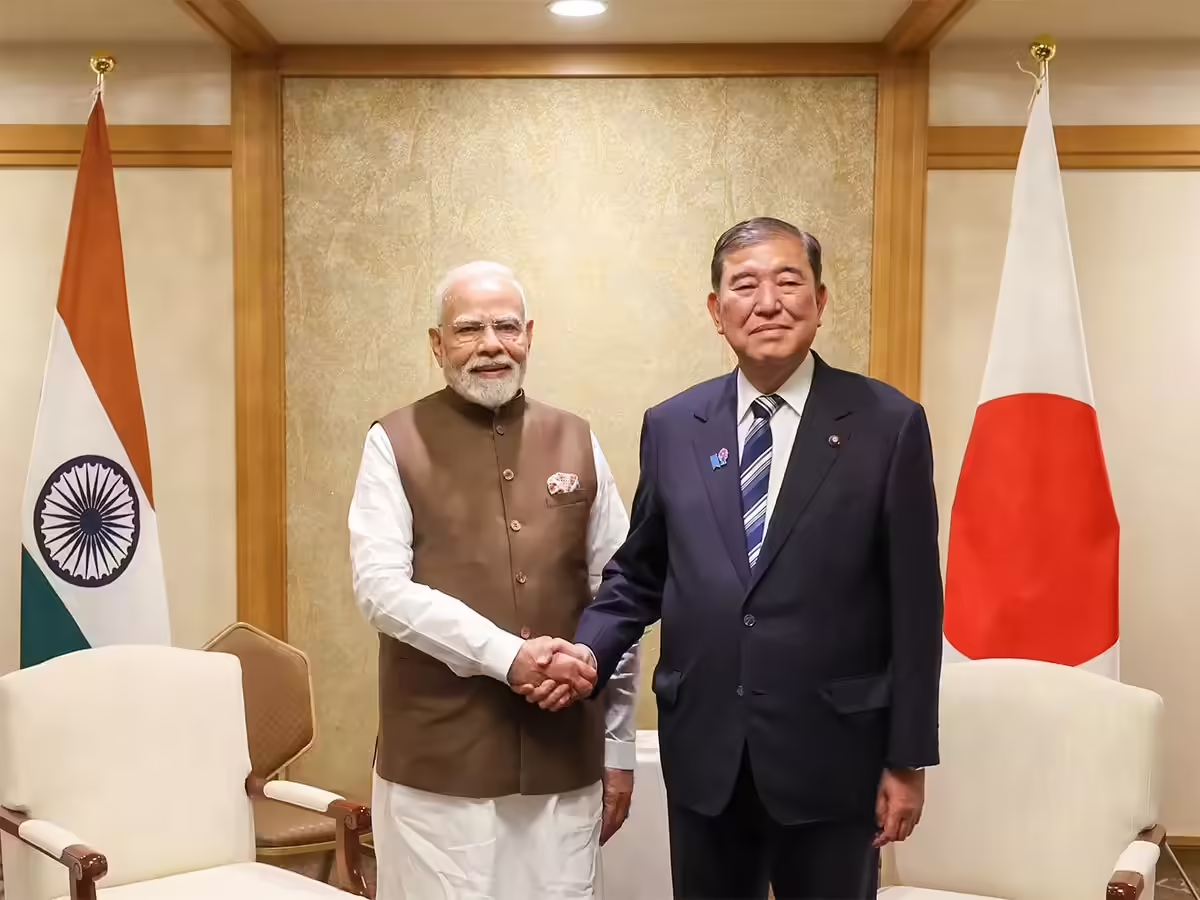
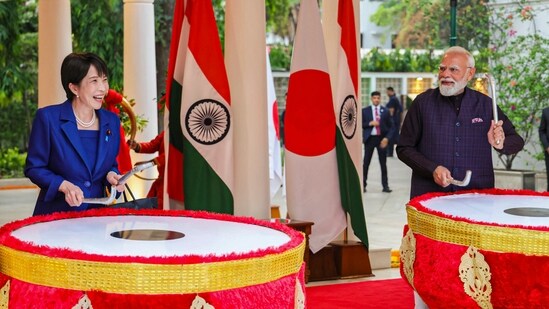
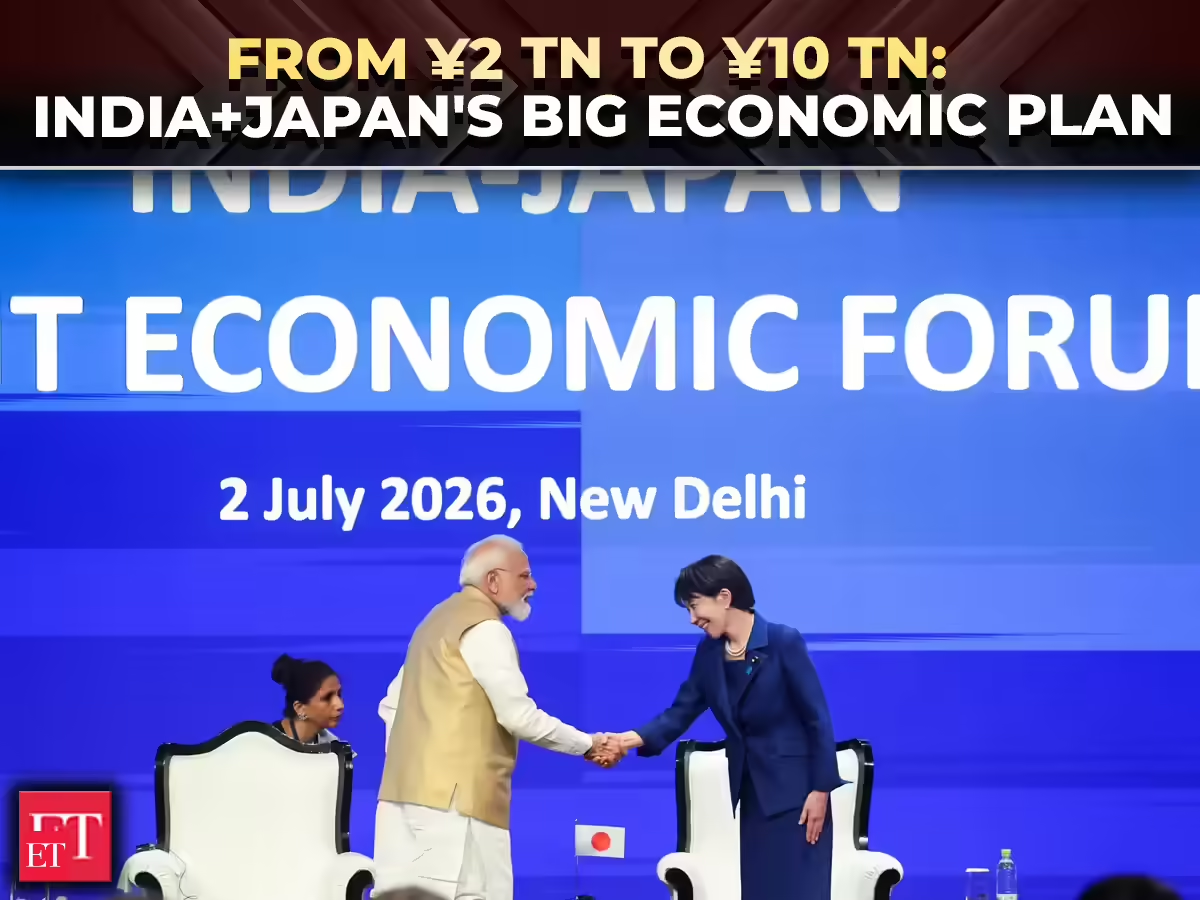
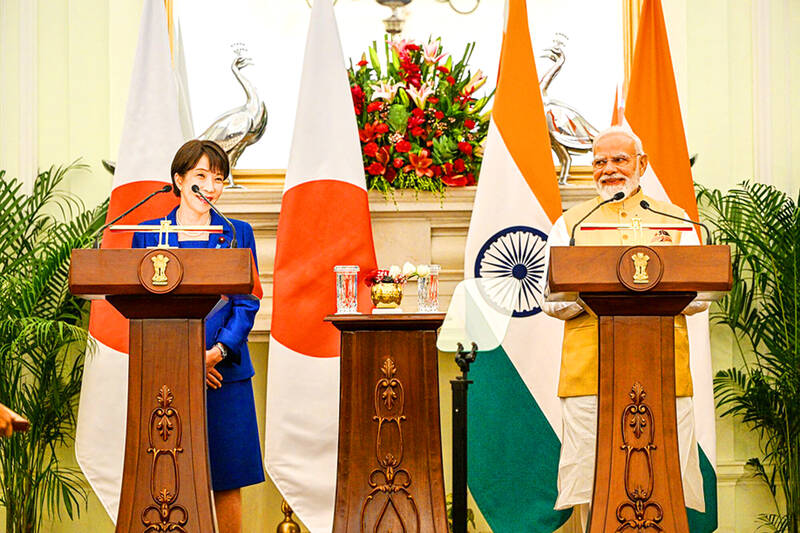
The India-Japan relationship has significantly matured. Over time, it has evolved from a standard bilateral partnership to a Special Strategic and Global Partnership. With Japanese Prime Minister Sanae Takaichi on a visit to India, understanding the nuances of this bilateral partnership is more crucial than ever.A significant aspect of this partnership is Japan’s significant contribution to India’s development story, particularly in infrastructure modernisation. Through extensive Official Development Assistance (ODA), amounting to around $53 billion to date and with around 100 ongoing projects, Japan has played a significant role in supporting India’s priority areas such as energy, transportation and environmental, and initiatives addressing basic human needs. In addition, India-Japan partnership is also fostering innovation, technology transfer, and sustainable development.Scope for improvementWhile our bilateral trade reached $27.47 billion during FY 2025-26, there is still scope of better utilisation of the India-Japan trade relationship. A key area for progress is the renegotiation of the Comprehensive Economic Partnership Agreement (CEPA), which can unlock new opportunities and benefits for both countries.However, amid ongoing geopolitical uncertainties, our strategic cooperation needs to go beyond traditional areas.First, semiconductors represent a key area for future India-Japan cooperation. As advanced technologies become more central to the global economy, semiconductor manufacturing and supply chain resilience have assumed strategic importance. India’s strengths in digital infrastructure and electronics manufacturing complement Japan’s expertise in advanced manufacturing and innovation.Joint efforts in semiconductor ecosystems, research, investment, and skill development can help both countries build secure and reliable global technology supply chains.Second, critical minerals is another emerging focus of India-Japan cooperation. Through collaboration in exploration, processing, recycling, and sustainable resource management, India and Japan can strengthen economic security and support the transition to clean energy at the regional and global levels.Third, technology and artificial intelligence offer new opportunities for greater cooperation. India’s expanding digital ecosystem and skilled workforce, together with Japan’s technological and research strengths can create a strong foundation for collaboration in artificial intelligence, robotics, cybersecurity, and advanced digital solutions.Fourth, connectivity is a defining aspect of the India-Japan cooperation. High-quality infrastructure, transport networks, digital connectivity, and regional integration are central to strengthening economic ties across Asia.Fifth, empowering youth is critical to the partnership’s future success. Increased collaboration between universities, industries, and research institutions in India and Japan can open new pathways for young professionals, innovators, and entrepreneurs.Sixth, as the Indo-Pacific region emerges as the centre of global economic and strategic activities, India and Japan are uniquely positioned to shape a more resilient, secure and prosperous regional order. Both our economies envision a peaceful, stable, and prosperous region governed by international rules. Our cooperation through platforms such as the Quad underscores our commitment to addressing shared challenges.The next chapter of the India-Japan partnership will be defined not only by shared strategic interests but by the ability of both countries to translate that alignment into deeper economic, technological and people-centric collaboration.The writer is Director General, Confederation of Indian IndustryPublished on July 1, 2026