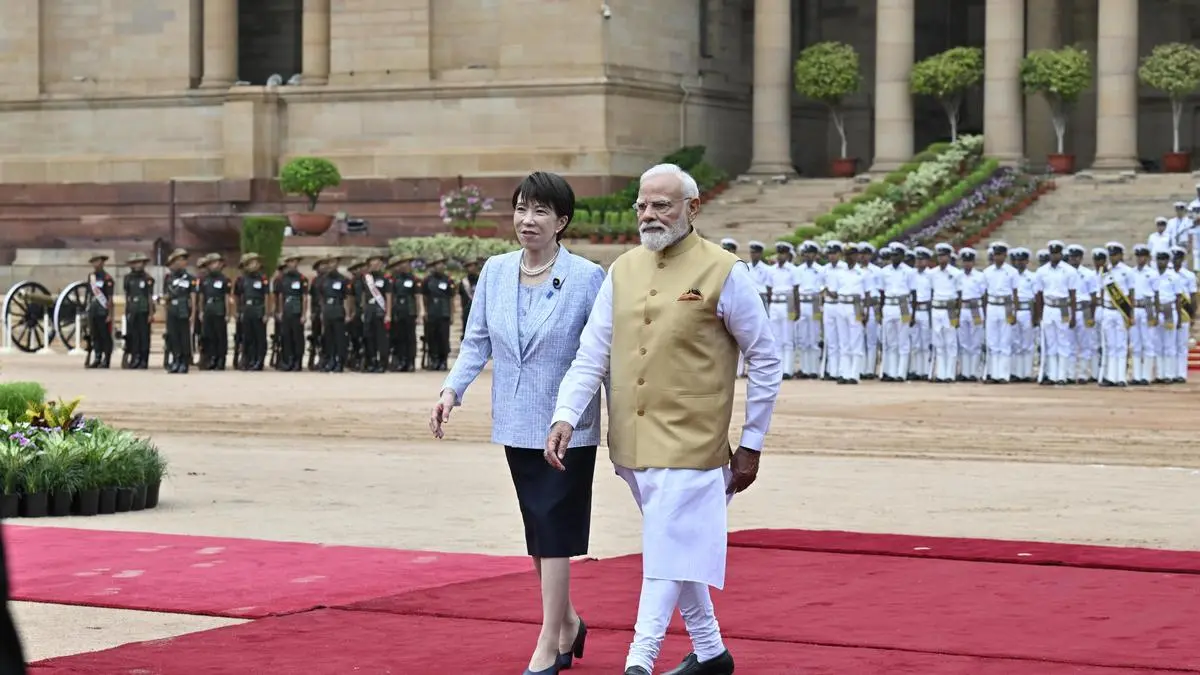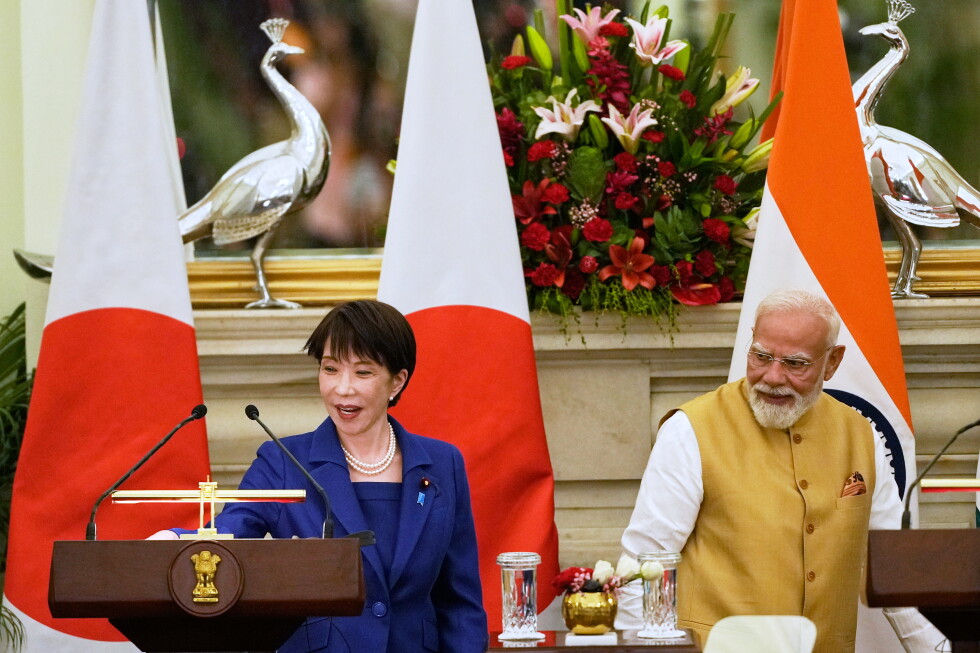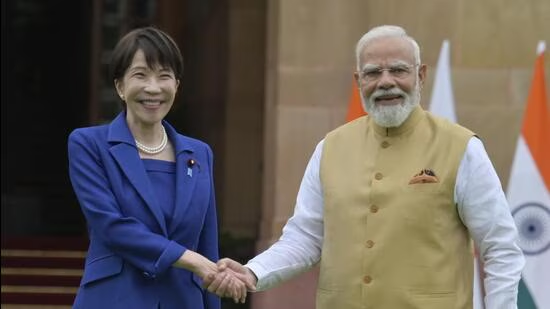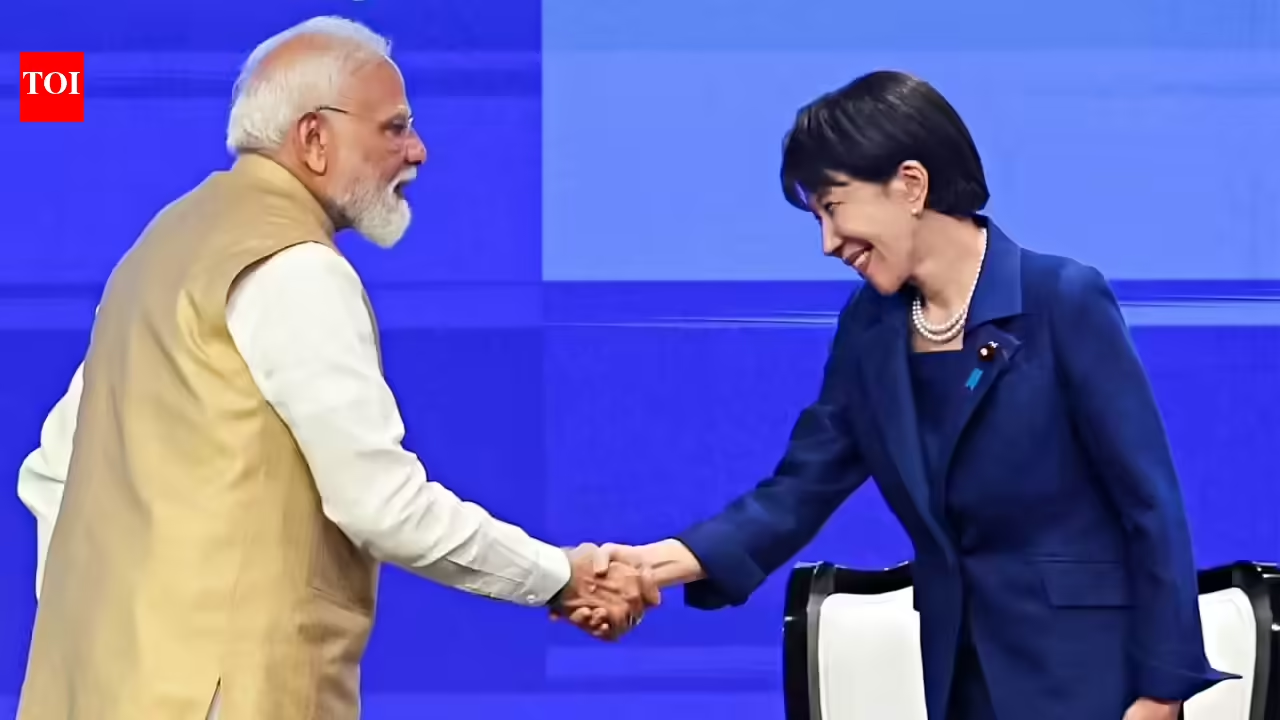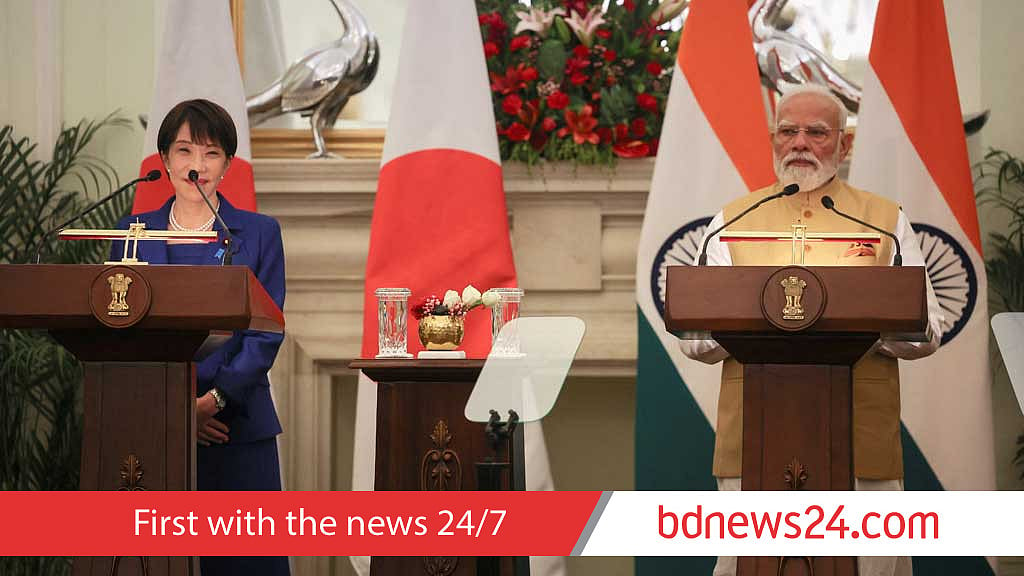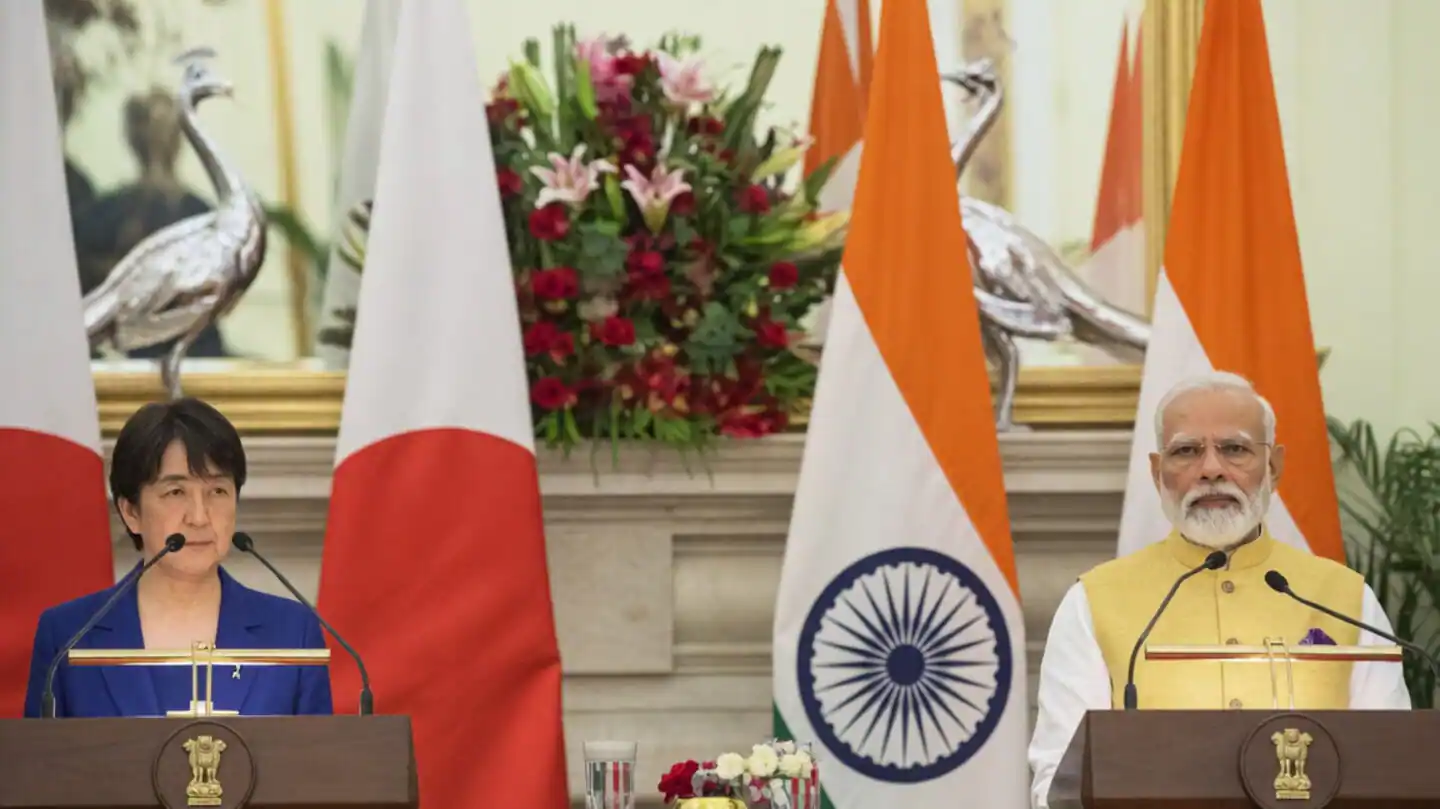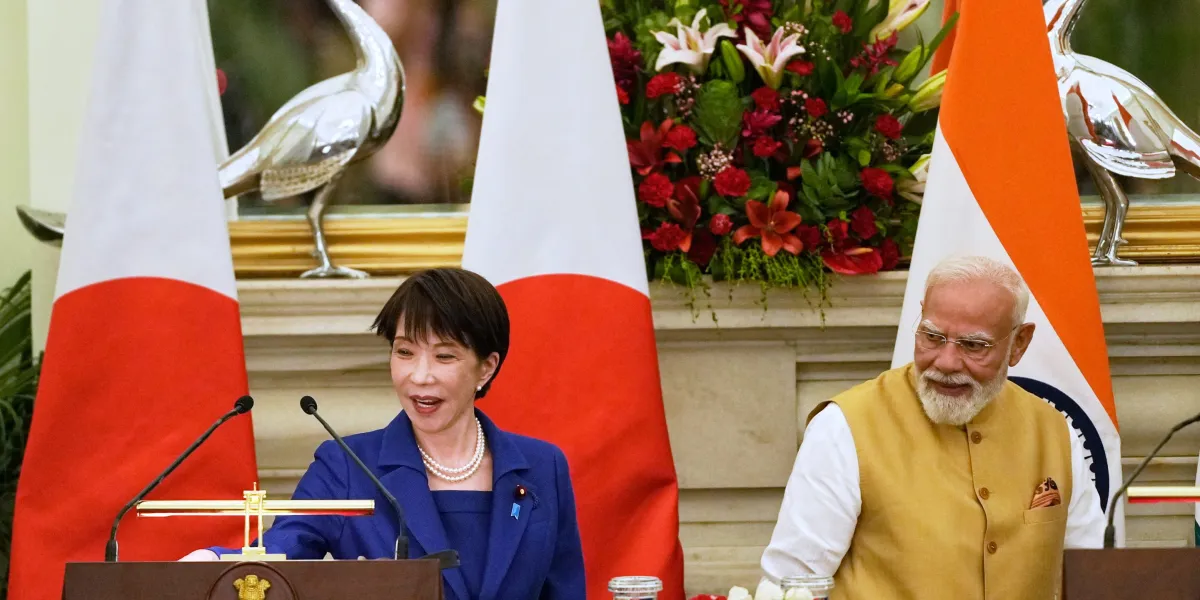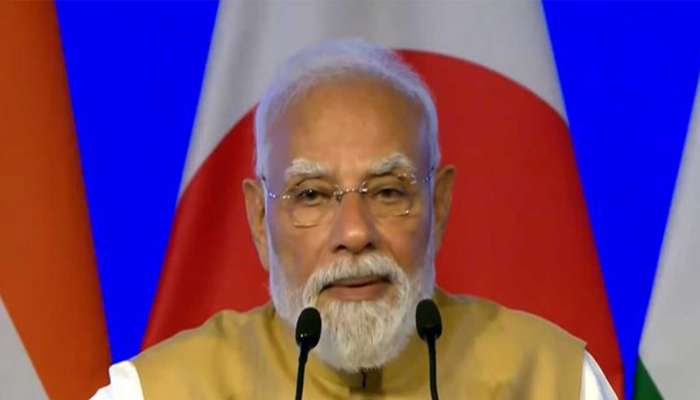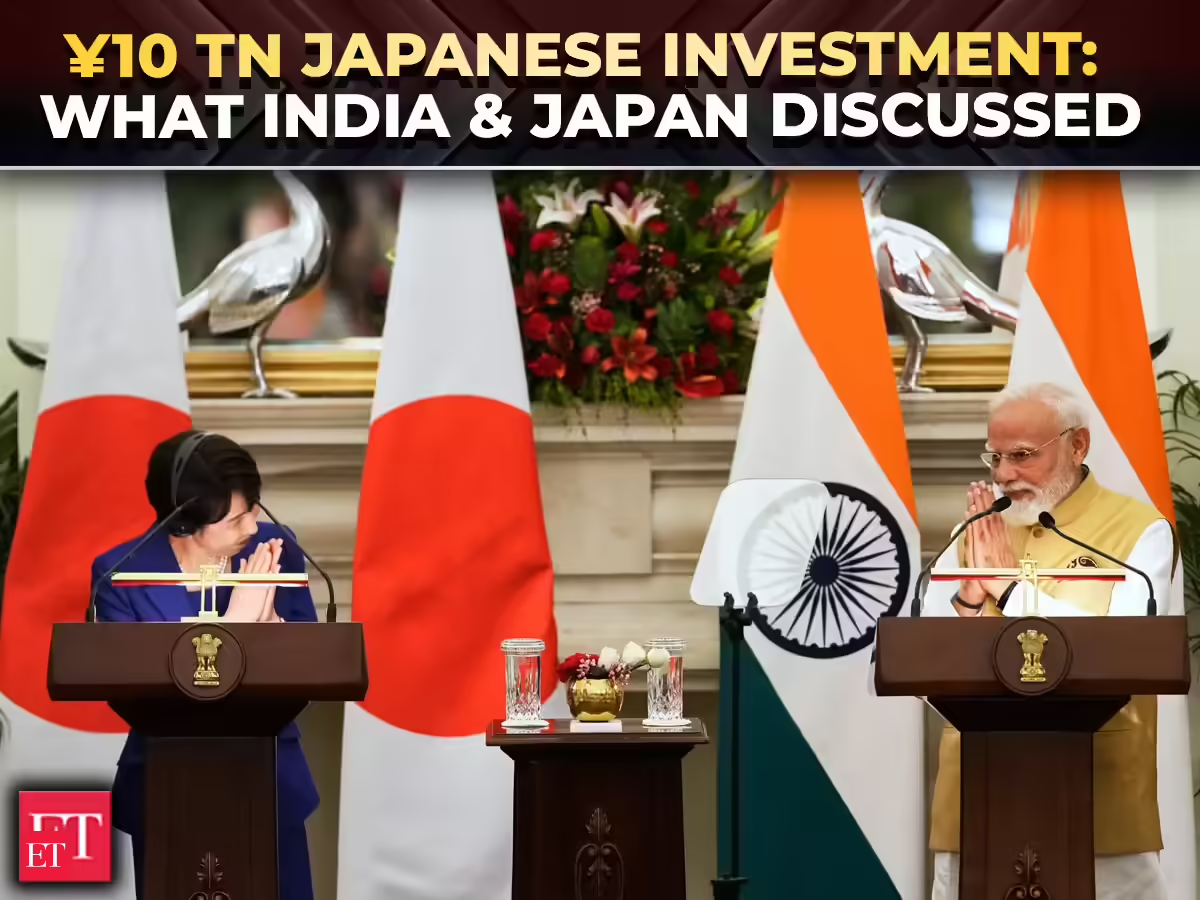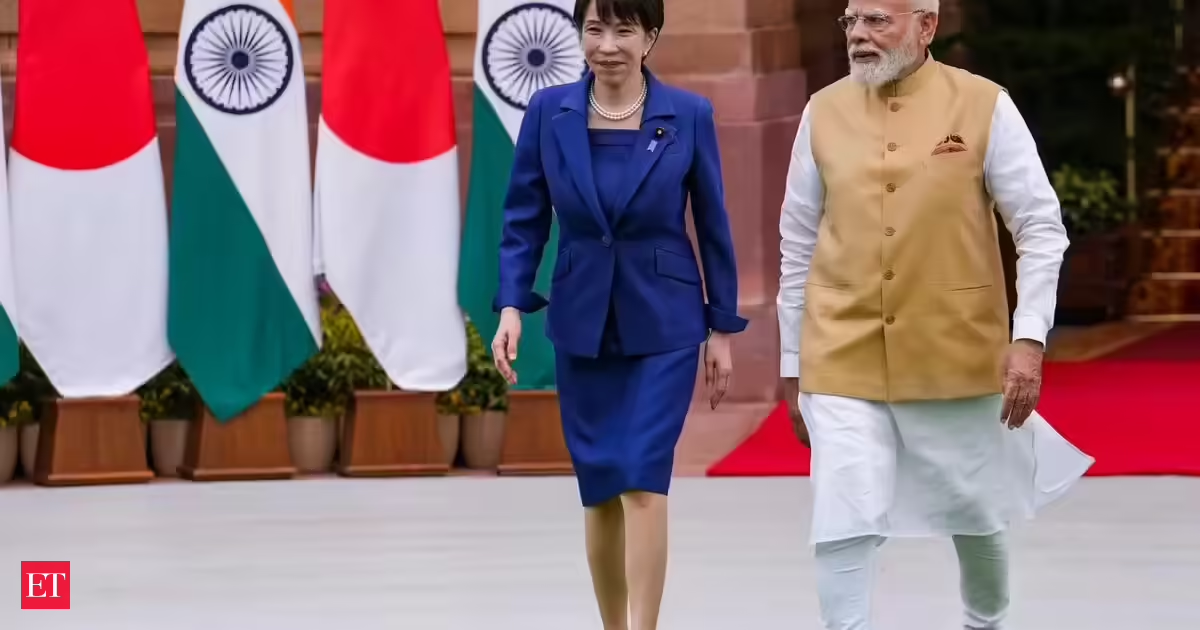
Prime Minister Narendra Modi and his Japanese counterpart Sanae Takaichi on Thursday unveiled an ambitious multi-billion-dollar roadmap to deepen the India-Japan Special Strategic and Global Partnership, with more than $10 billion in fresh Japanese investments, agreements spanning artificial intelligence, defence, energy and next-generation mobility, and a renewed target of attracting ¥10 trillion in Japanese investment over the next decade.The announcements came after the two leaders held talks at the 16th India-Japan Annual Summit in New Delhi, where they also agreed to strengthen cooperation in semiconductors, critical minerals, quantum technologies and resilient supply chains. The summit marked Takaichi's first visit to India since taking office and the first by a woman serving as Japan's Prime Minister.Addressing a joint press statement after the talks, Modi said the India-Japan investment partnership was "steadily strengthening", noting that around 120 new business agreements concluded over the past year would bring more than $10 billion in Japanese investment into India. "Our goal is clear: to attract 10 trillion Yen in investment from Japan to India and to double the number of Japanese companies operating in India over the next decade," he said, adding that an agreement between the two countries' financial services agencies would further facilitate the flow of capital and investment. Modi also said India's continuing economic reforms had improved the ease of doing business, creating fresh opportunities for Japanese companies.The two leaders oversaw the exchange of agreements covering artificial intelligence, metals and energy security, financial cooperation and next-generation mobility, while releasing a joint statement on AI. In a major defence outcome, India and Japan signed their first co-development agreement for the Naval Radio Antenna "Unicorn", which Modi described as a project that would "open a new chapter in our defence technology partnership.""Taking forward a partnership anchored in trust, shared values and strategic convergence," External Affairs Ministry spokesperson Randhir Jaiswal said in a social media post as Modi hosted Takaichi for the summit.Takaichi is on a three-day visit to India, her first official trip to the country since assuming office.Modi pitches AI, investment and supply chainsAnnouncing the outcomes of the summit, Modi said the two countries had released a joint statement on artificial intelligence and signed an agreement to advance bilateral cooperation in the sector."With this vision, we have released a joint statement on AI," Modi said, adding, "We have also signed agreement on AI with our Japanese partners."The Prime Minister said the India-Japan investment partnership was expanding rapidly and reiterated the two countries' ambition to attract ¥10 trillion in Japanese investments into India while doubling the number of Japanese companies operating in the country."We aim to double Japanese businesses in India, get 10 trillion yen," Modi said.He added that India and Japan would strengthen resilient supply chains in semiconductors, quantum technologies and other advanced technologies, while also adopting an agreement on next-generation mobility.On energy cooperation, Modi said both countries had taken "several important decisions" in the field of energy security."Through the India-Japan Bio-gas Initiative, we will set up one thousand bio-gas and organic fertilizer plants in India. This will give new strength to sustainability, prosperity, and rural livelihoods in India's villages," he said.Economic security takes centre stageEconomic security remained one of the central themes of the summit, with New Delhi and Tokyo reaffirming their commitment to building resilient supply chains amid growing geopolitical uncertainty.The two countries identified semiconductors, critical minerals, pharmaceuticals, clean energy, and information and communication technology as priority sectors for deeper strategic cooperation. Artificial intelligence also figured prominently in the discussions, with the newly signed agreement expected to provide fresh momentum to collaboration between India's digital ecosystem and Japan's advanced manufacturing capabilities.New Delhi and Tokyo have steadily built the institutional framework for this cooperation over the past few years. They signed a memorandum on semiconductor supply chains in 2023, followed by an agreement on mineral resources in 2025, while the first joint working group under the critical minerals partnership met earlier this year. The second India-Japan Economic Security Dialogue was held in May, alongside a dedicated private-sector dialogue between Japan's Keidanren and the Confederation of Indian Industry.Energy security also featured prominently during the summit. Besides signing a pact on metals and energy security, the two countries launched the India-Japan Bio-gas Initiative to establish 1,000 bio-gas and organic fertiliser plants across India. ET had reported ahead of the summit that New Delhi and Tokyo were also considering cooperation on liquefied natural gas (LNG) stockpiling and information sharing as part of broader efforts to reinforce energy security.According to reports in Japanese media citing the draft joint statement, both governments are also expected to express concerns over economic coercion and non-market practices affecting global supply chains, including restrictions on rare earth exports.Investment push gathers momentumThe summit also coincided with a significant push by Japanese industry into India.More than 150 Japanese companies are participating in the Japan-India Economic Forum being held alongside the summit, with approximately 120 cooperation agreements expected to be announced. Japanese newspaper The Yomiuri Shimbun reported that the initiatives could be valued at around ¥2 trillion (roughly $12.5 billion), spanning semiconductors, clean energy, artificial intelligence and manufacturing.Among the projects expected to be announced are Fujifilm's semiconductor materials facility, Suzuki's biogas initiative and collaborations between Japanese and Indian AI startups.The proposed investments build on the commitment announced at last year's annual summit, when both countries set a target of attracting ¥10 trillion in private Japanese investment into India over the next decade.India remains one of Japan's most important overseas investment destinations. Japan is India's fifth-largest investor, with cumulative investments of more than $48 billion between April 2000 and March 2026. Around 1,500 Japanese companies currently operate in India, while a recent Japan External Trade Organization survey found that more than four out of five Japanese-affiliated firms in India intend to expand their operations over the next one to two years.Bilateral trade between the two countries crossed $27 billion in 2025-26, reflecting steadily expanding commercial ties.
Modi, Takaichi deepen India-Japan ties with AI, defence and multi-billion dollar bilateral roadmap
India and Japan have forged a robust partnership, pledging over $10 billion in new Japanese investments and setting a ¥10 trillion target for the next decade. Leaders agreed to deepen cooperation in AI, defense, energy, and next-generation mobility, alongside critical areas like semiconductors and resilient supply chains. This significant collaboration aims to bolster economic security and technological advancement between the two nations.
981 words~4 min read