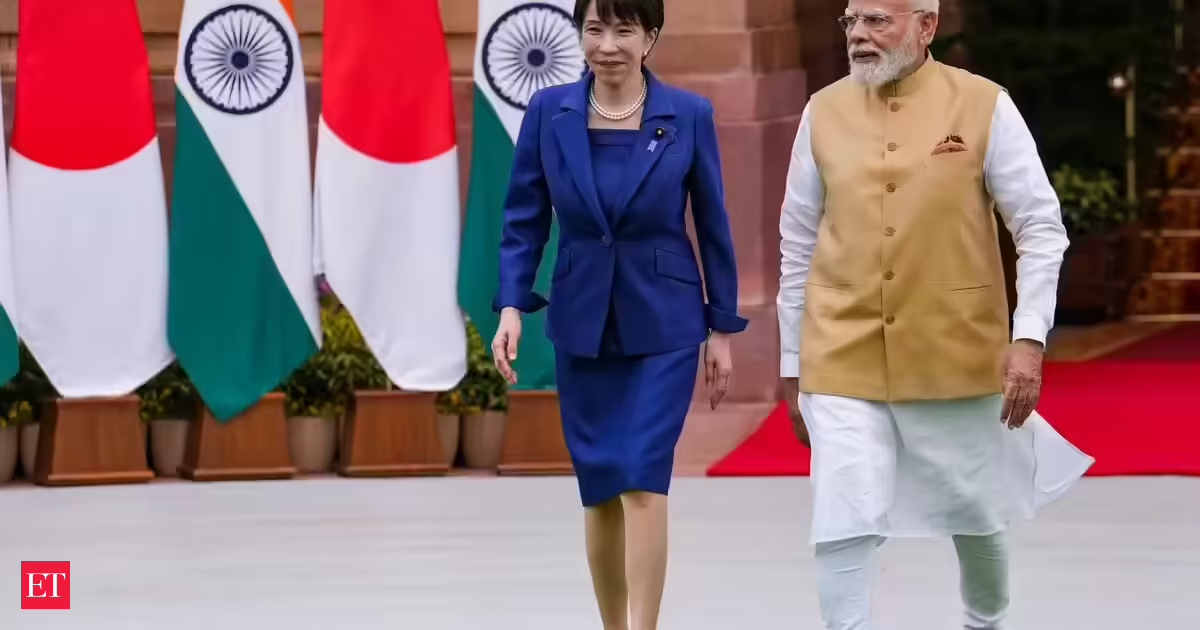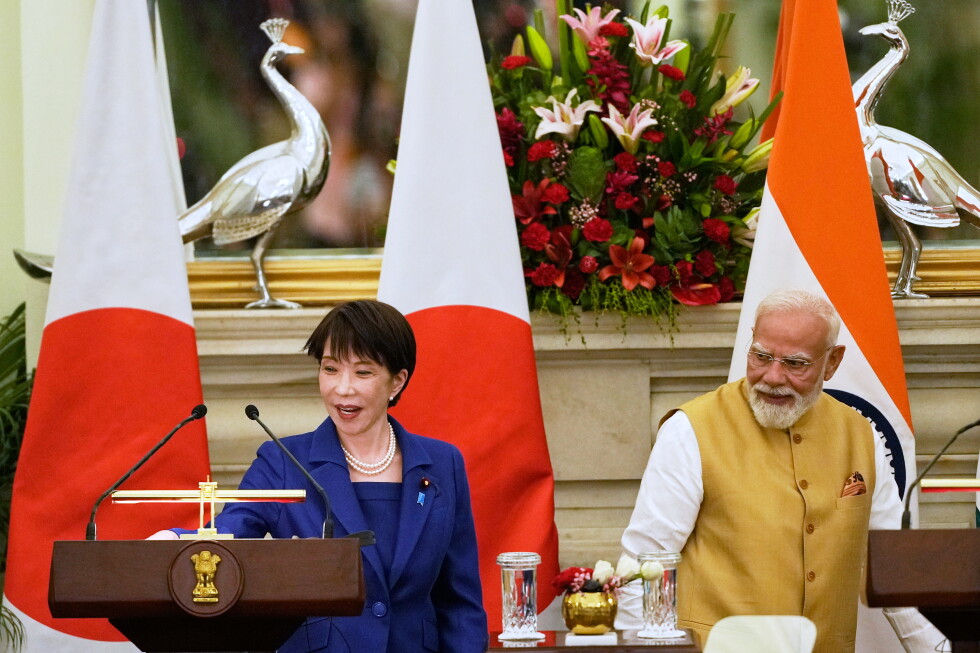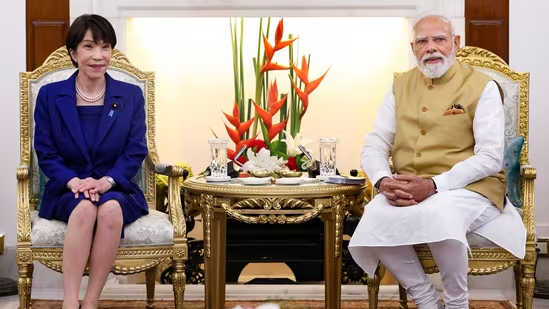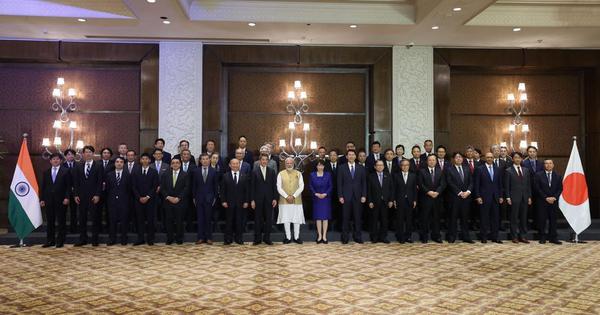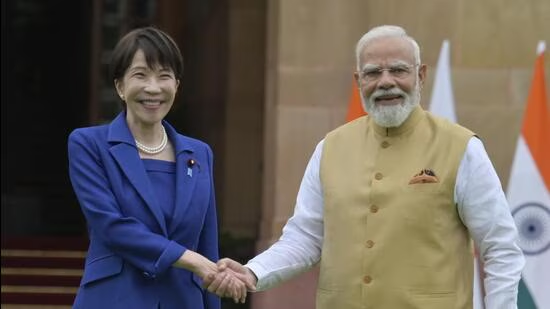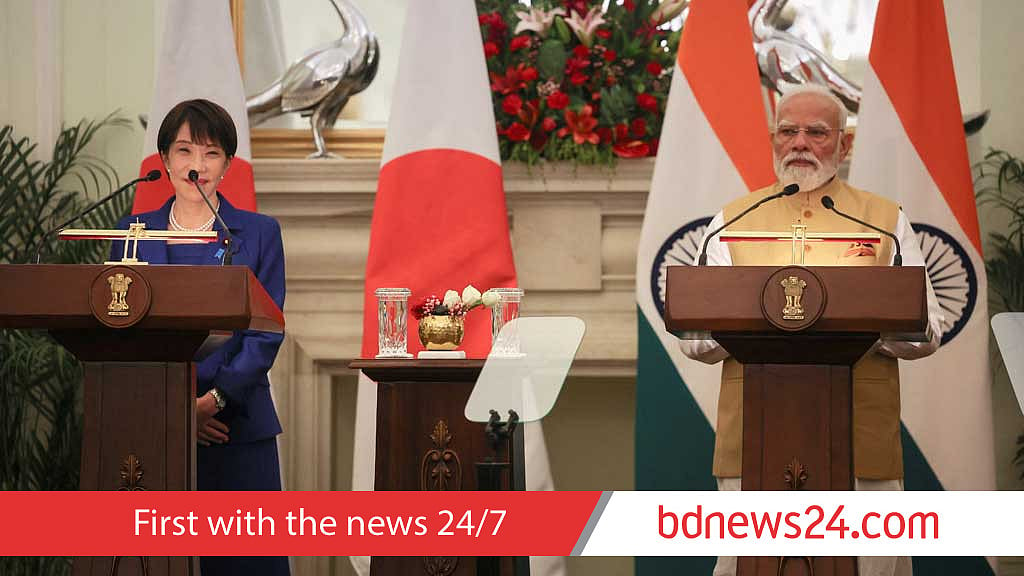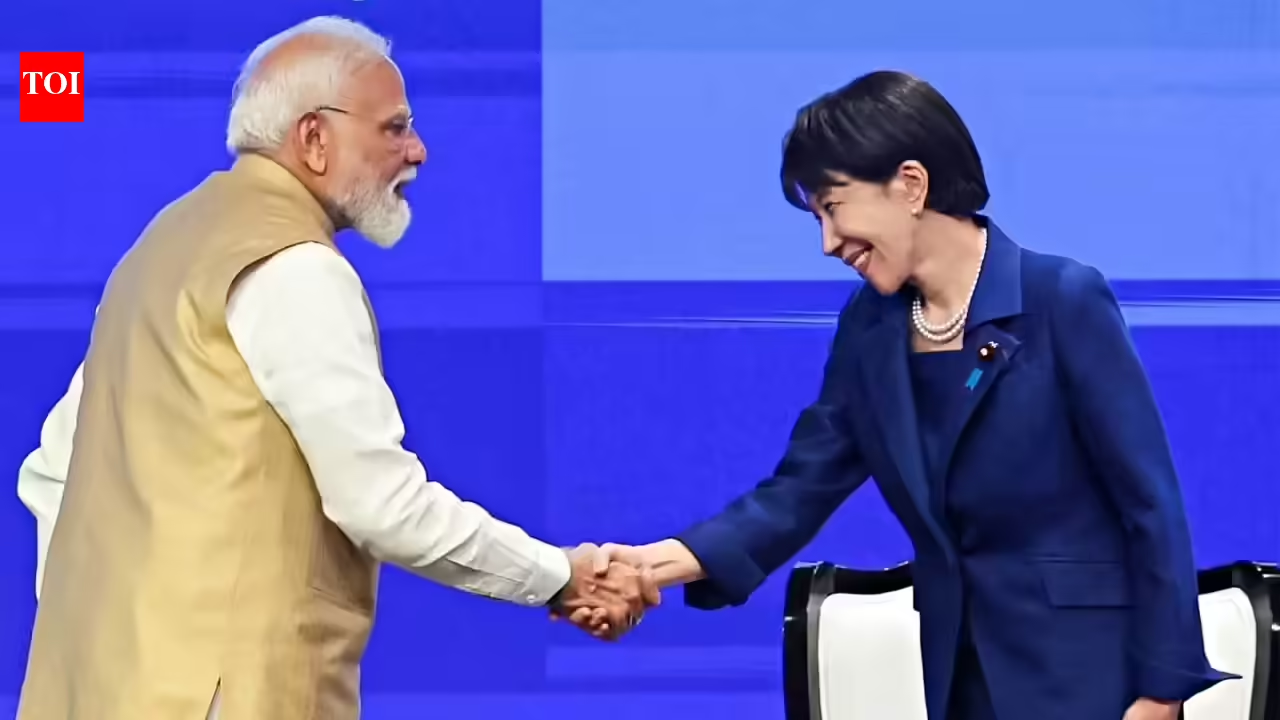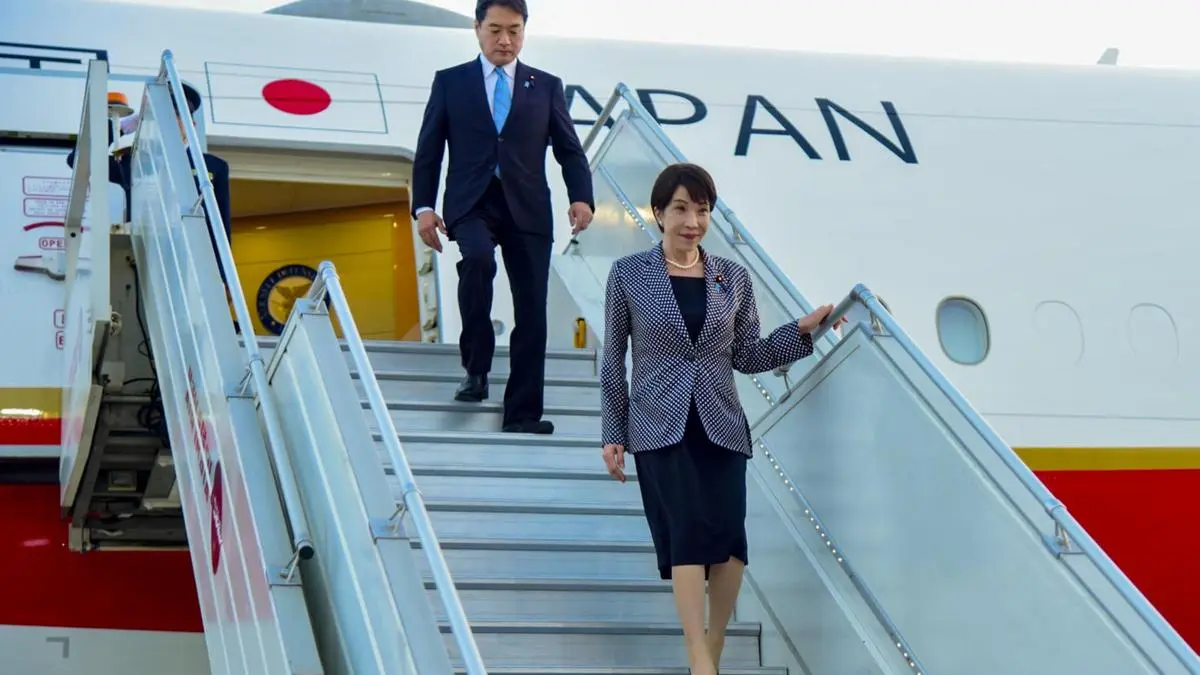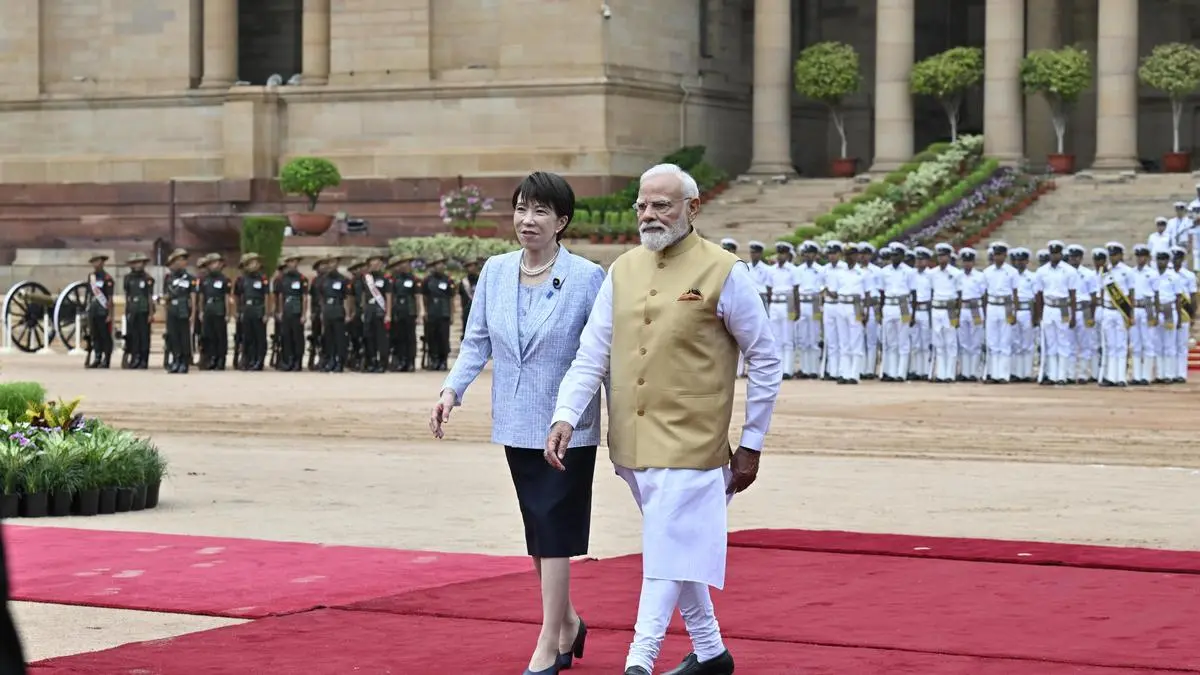
Prime Minister Narendra Modi with his counterpart of Japan Prime Minister Sanae Takaichi in New Delhi on Thursday.
| Photo Credit:
Prime Minister Narendra Modi and Japanese Prime Minister Sanae Takaichi on Thursday agreed to deepen cooperation in strengthening economic and energy security, artificial intelligence, resilient supply chains and defence, unveiling a series of initiatives and agreements while reaffirming the goal of attracting 10 trillion yen in Japanese investment into India over the next decade.“In today’s era of uncertainty, both India and Japan fully understand the importance of economic and energy security. To this end, we have today prepared a joint roadmap for economic security. Through this, we will strengthen supply chain resilience in strategic sectors such as semiconductors, quantum technology and advanced materials. We have also taken several significant decisions regarding energy security,” Modi said after summit talks with Takaichi.The meeting assumed added significance in the backdrop of growing geopolitical uncertainty and heightened strategic competition in the Indo-Pacific amid China’s expanding influence in the region.Strategic tie-upHighlighting the role of businesses in strengthening bilateral ties, Takaichi said around 120 cooperation documents between Indian and Japanese companies, involving 2 trillion yen in investments, were announced during the visit. “It is a desire to forge a path towards future in India and Japan through unified efforts of public and private sectors,” she said.Referring to Takaichi as his “younger sister”, Modi said the two countries would deepen collaboration in emerging technologies while working to double the number of Japanese companies operating in India. Takaichi described Modi as her “bigger brother” and said India-Japan ties were entering a new phase.“Prime Minister Takaichi and I believe that the technology partnership will become the strongest pillar of our cooperation. To realise this vision, we have issued a joint statement on AI today,” Modi said, adding that the convergence of Japan’s precision technologies and India’s software capabilities would give fresh momentum to global AI development. Several Indian institutions also signed agreements with Japanese partners to strengthen AI collaboration.Business pactsModi said more than 100 business agreements concluded over the past year are expected to bring over $10 billion in Japanese investment into India. “Today’s agreement between the Financial Services Agencies will further facilitate the flow of capital and investment. Our goal is clear — 10 trillion yen of Japanese investment in India over the next 10 years and doubling the number of Japanese companies in the country,” he said.The two countries signed their first defence co-development project involving the Unicorn naval radio antenna, which Modi said would open “a new chapter” in bilateral defence technology cooperation.On energy, India and Japan agreed to strengthen cooperation on energy resilience, including measures to tackle oil shocks, while expanding collaboration in batteries, green hydrogen and nuclear energy. They also launched the Japan-India Cooperative Biogas for Growth Initiative, under which Japan will support the setting up of 1,000 biogas and organic fertiliser plants in India.The leaders also launched the `India-Japan Next-Generation Mobility Partnership Framework’ to expand cooperation beyond automobiles into shipbuilding, aviation and logistics.Published on July 2, 2026