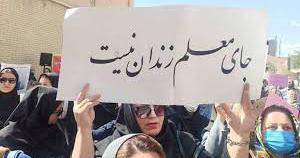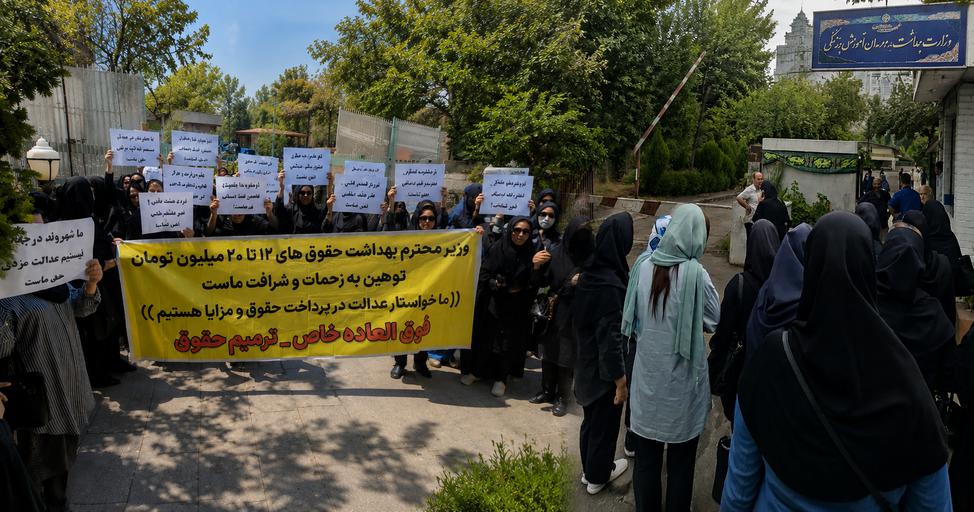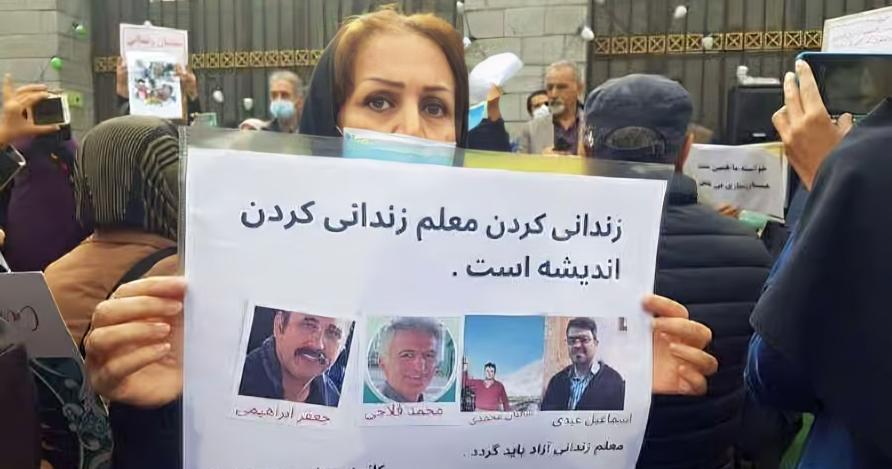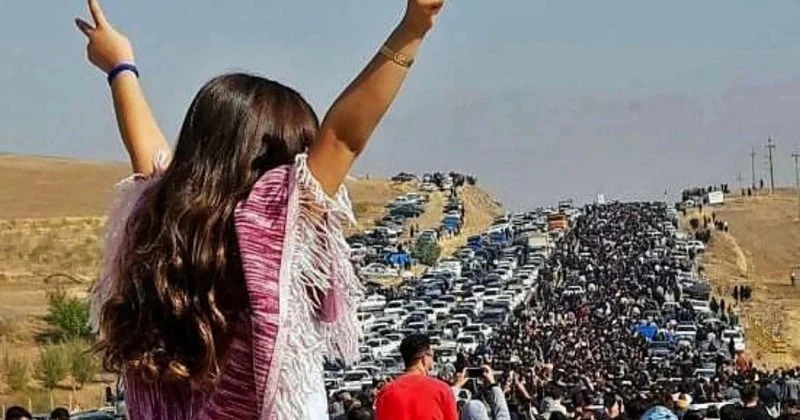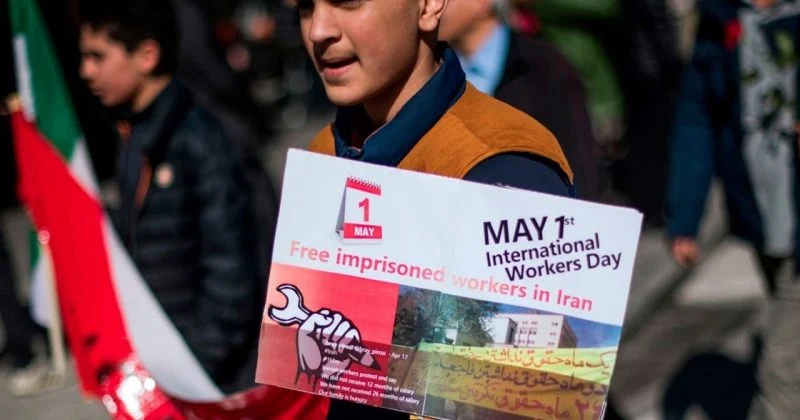
The Islamic Republic of Iran has intensified its crackdown on teachers and labor activists, as reported by Iran International. This includes an increase in arrests, solitary confinement, and legal charges against those involved in labor protests. The move is part of a broader suppression strategy amidst severe economic conditions, such as high inflation and low wages, which have led to widespread protests across the nation. This development comes in the wake of heightened internal security measures following last year’s mass protests, which the regime countered with significant force and numerous detentions.
In the prediction markets, this escalation appears to be influencing the perceived likelihood of a potential leadership change in Iran. The market for a leadership change by December 31 has seen a slight increase in the probability of a YES outcome, now priced at 16.5%. This suggests that market participants view the current internal tensions and crackdowns as factors that could destabilize the regime, potentially leading to a shift in leadership.
The crackdown has been seen as an indication of political persecution, where independent union activities are treated as national security threats. This aligns with a pattern of the regime’s attempts to dismantle organizational capacities of labor unions, as demonstrated by recent sentences and ongoing detentions of activists.