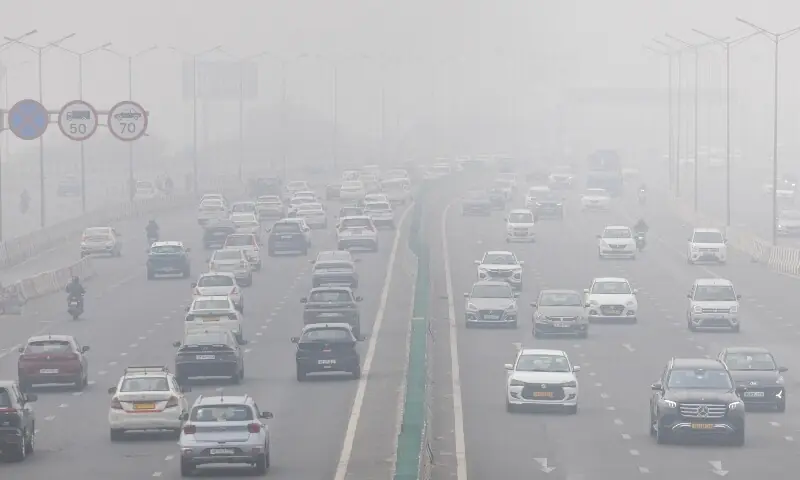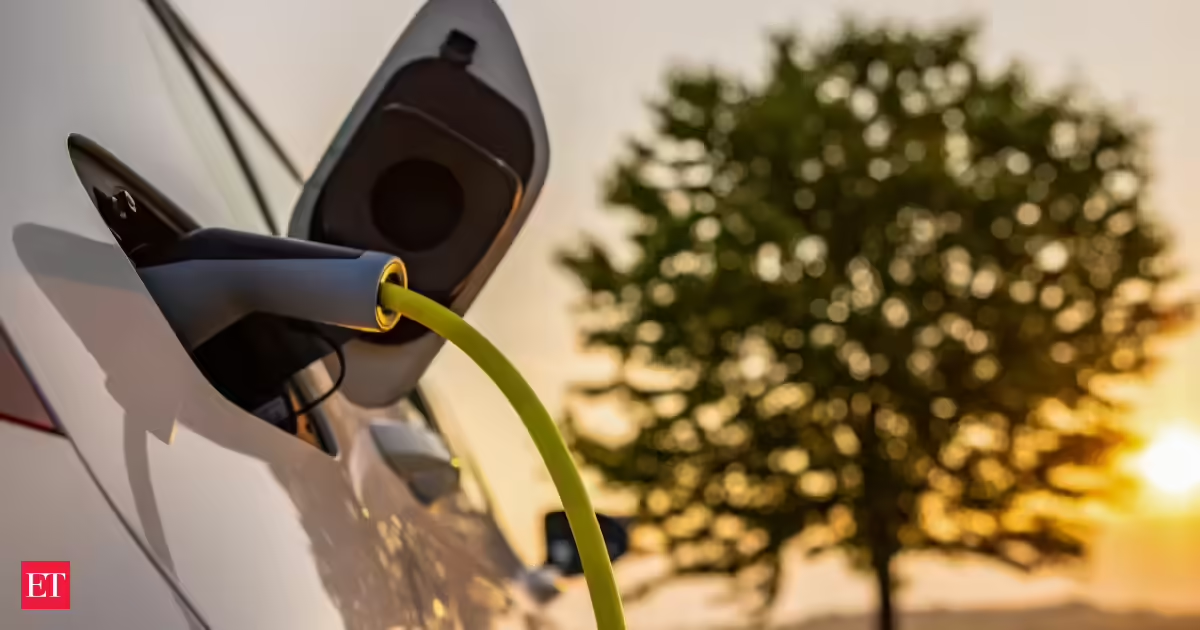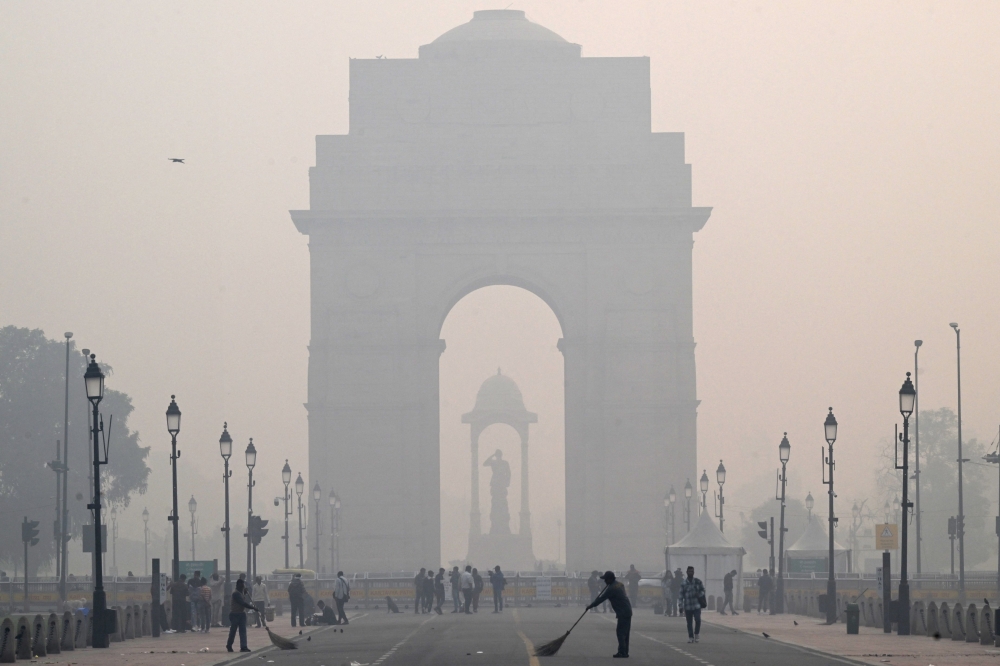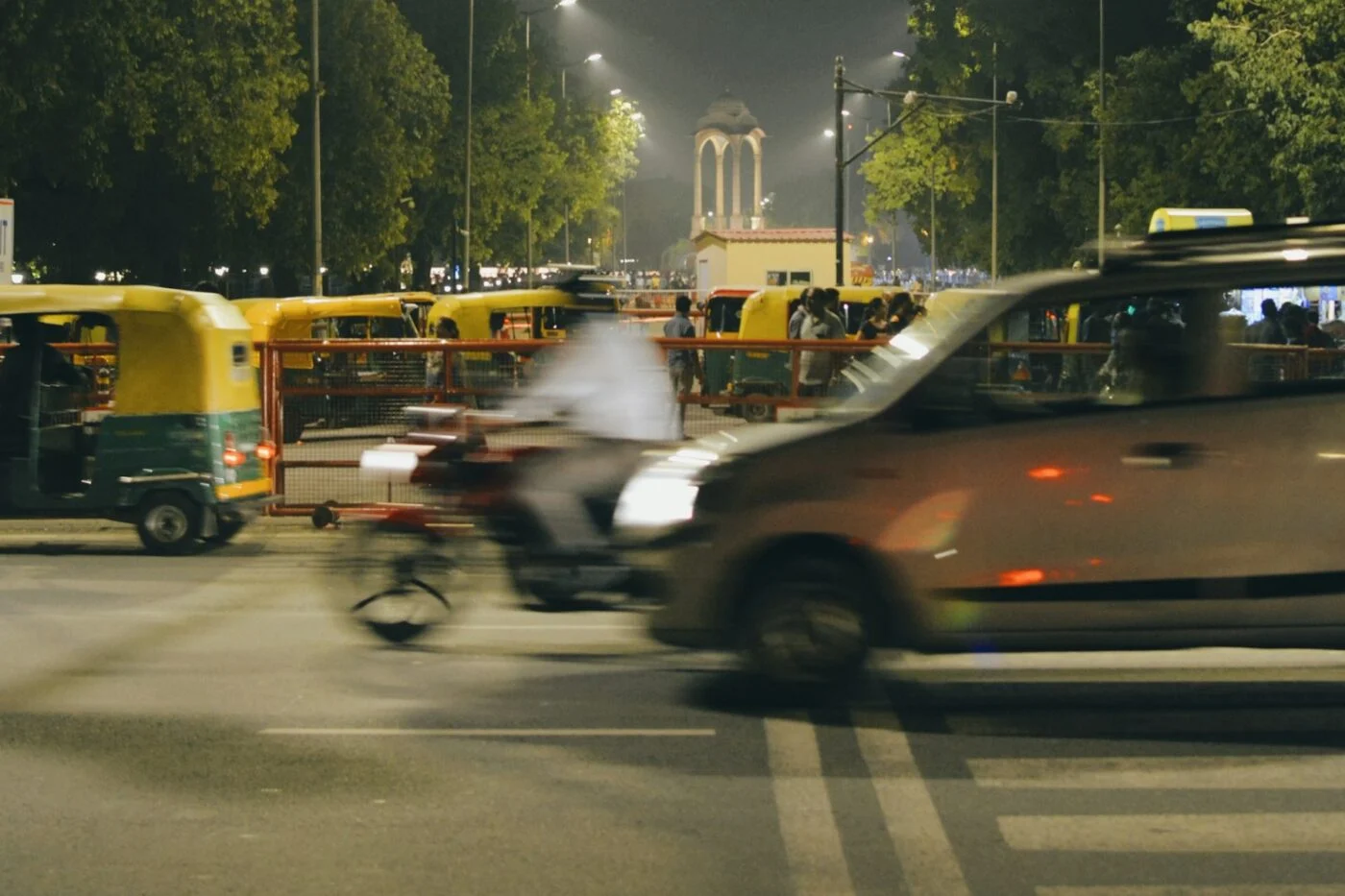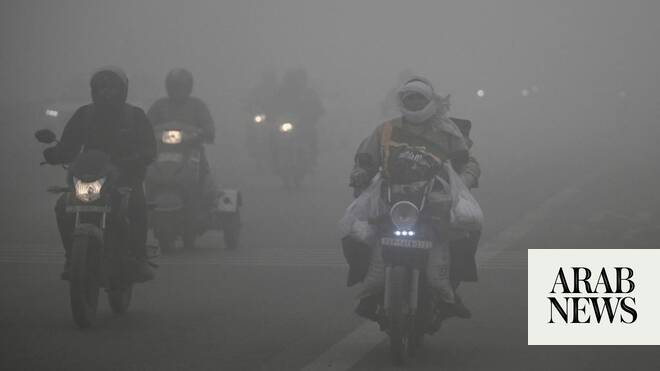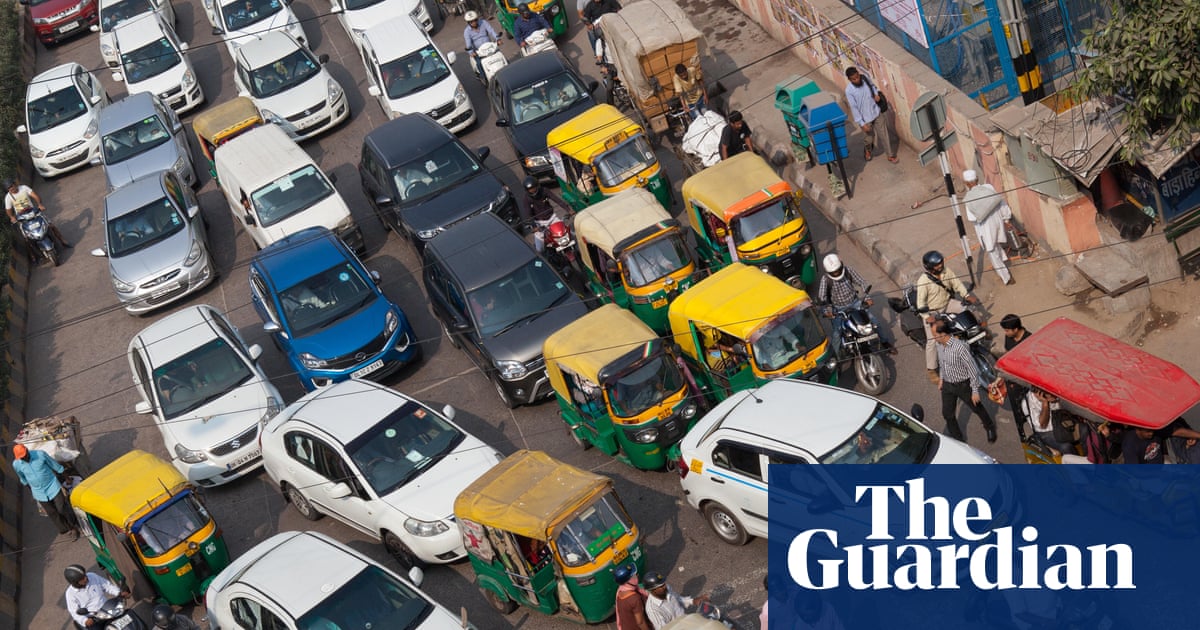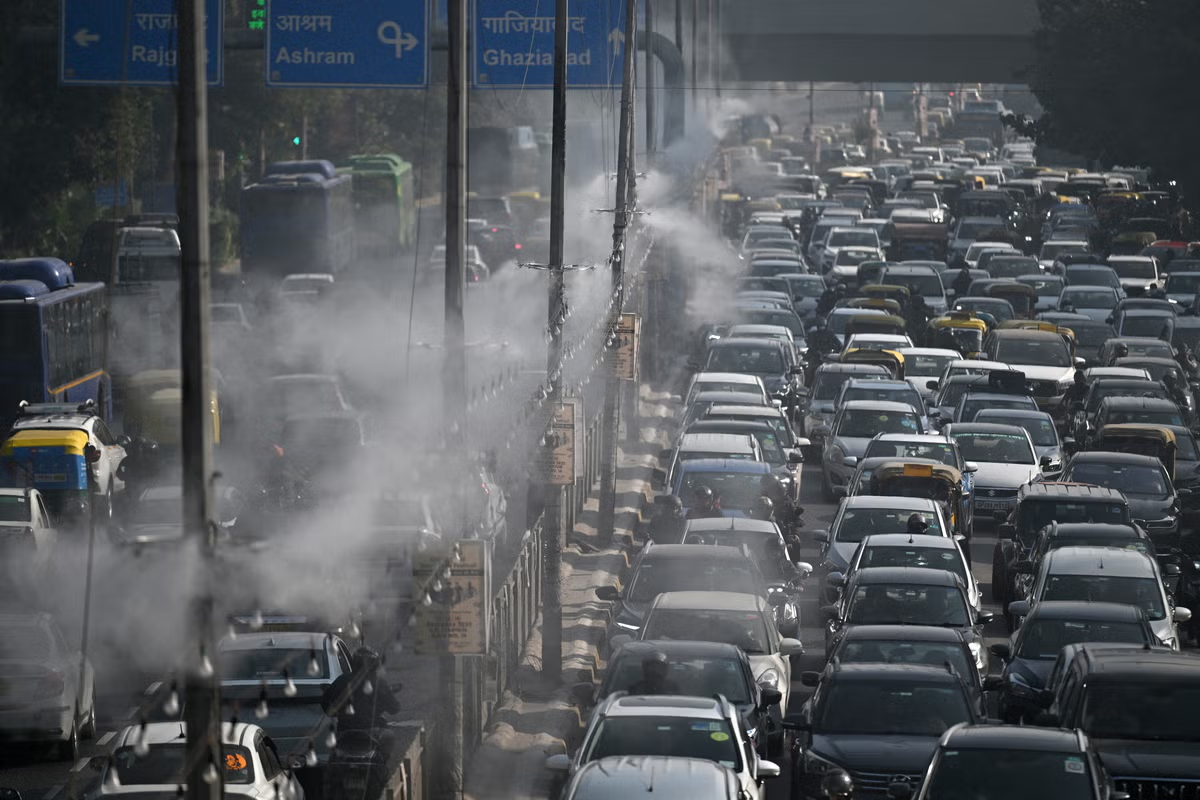
An ambitious policy finalised by Delhi aims to phase out petrol scooters, motorbikes and autorickshaws within two years and offer residents cash incentives to switch from older vehicles to electric ones in an attempt to tackle some of the worst air pollution levels in the world.The policy, brought in by the government of India’s national capital territory, carries an outlay of Rs150bn (£1.27bn) over four years to incentivise buyers of electric two-wheelers, cars and small trucks, as well as fund the installation of EV charging infrastructure.The government hopes the measures will see at least 30 per cent of the capital's vehicle fleet electrified by 2030.Delhi plans to issue new licence plates only to electric small trucks and three-wheelers from 2027, and only to electric scooters and motorbikes from 2028, effectively ending the registration of new petrol-powered versions of those vehicles.Car owners who trade in vehicles bought before 1 April 2020 for an electric model will receive a scrapping incentive of more than $1,060 (£840). Buyers of battery electric vehicles priced up to Rs3m (£25,400) will be exempt from road tax and registration fees, which typically amount to 4 to 10 per cent of a car's price.Buyers of electric scooters and motorbikes will receive a cash incentive of Rs30,000 (£254) in the policy's first year, falling to Rs10,000 (£85) by the third year. Hybrid vehicles have not been included in the policy, which is expected to come into effect from 1 July.Commuters ride along a street amid dense smog in Delhi (AFP/Getty)The policy also introduces road and vehicle tax exemptions for new electric car buyers, aimed at encouraging voluntary uptake.Delhi topped IQ Air’s annual index for the most polluted major cities in the world again in 2025, with the average concentration of large PM2.5 pollutant particles reaching 99.6 µg/m3 throughout the year as a whole, more than 59 times the World Health Organisation's recommended annual guideline. In the worst-affected winter months the city’s AQI regularly exceeds 500, on a scale where 0-50 is considered good. Scooters and rickshaws, which largely run on petrol and compressed fossil gas, account for more than two-thirds of the tens of millions of vehicles on Delhi's roads. Vehicle emissions make up an average of 23 per cent of pollutants in the city's air, according to government figures, making transport the single largest source of emissions, particularly during the most toxic winter months when thick smog routinely blankets the capital.Environmentalists have welcomed the plan but warn it addresses only part of a pollution crisis that runs far deeper.A non-electric autorickshaw drives past India Gate in Delhi (AFP/Getty)"Electrification is essential, but EVs are not a silver bullet for Delhi's air pollution crisis," said Bhavreen Kandhari, founder of Warrior Moms, an organisation of mothers campaigning against air pollution in the federal territory."The cleanest trip is one taken by metro, bus, bicycle or on foot. EV policy cannot substitute investment in buses, first- and last-mile connectivity and safe pedestrian infrastructure." Electric vehicles eliminate exhaust emissions but do not address pollution from tyre wear, brake dust and resuspended road dust, all of which contribute to the harmful particulate matter that damages lungs, Ms Kandhari said.Transport is also just one of several major sources of the city's air pollution, alongside construction dust, waste burning, industrial emissions, diesel generators and agricultural burning from neighbouring states.Activists warn that the problems caused by Delhi residents’ entrenched preference for private vehicle journeys go beyond air pollution, noting that even a complete replacement of every petrol vehicle with an electric one would still leave Delhi with traffic congestion and road safety problems.There are also structural questions the policy does not fully resolve. Delhi's electricity grid remains heavily dependent on fossil fuels, meaning electric vehicles will only deliver their full climate and health benefits as the power sector decarbonises.The charging network also need to reach every neighbourhood including low-income colonies and commercial areas, not just affluent parts of the city, Ms Kandhari said. E-rickshaws have become increasingly common on Delhi's roads over the past two years, but a lack of charging points has made many drivers reluctant to switch. The government has pledged to establish more than 32,000 public charging points across the capital under the new policy.Autorickshaw drivers, delivery workers and small businesses should receive adequate financial and technical support rather than bearing a disproportionate cost of the transition, and battery collection and recycling needed to be built into the framework so "today's clean mobility does not become tomorrow's hazardous waste problem", she added.The Delhi state government, run by the Bharatiya Janata Party (BJP), which also governs nationally, faced significant criticism and repeated protests over the winter after being accused of failing to act on dangerously high pollution levels that persisted for months.
Delhi offers car owners $1,000 to scrap old vehicles – will it solve smog nightmare?
Car owners who trade in vehicles bought before 1 April 2020 for an electric model will receive a scrapping incentive of more than $1,060 (£840)
786 words~4 min read