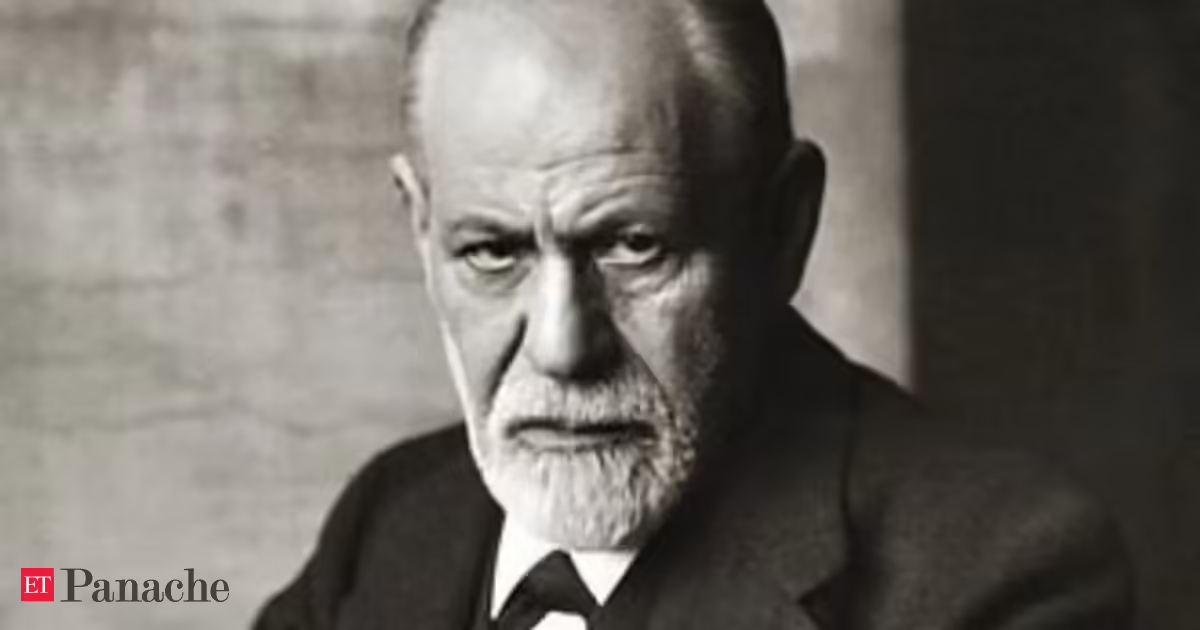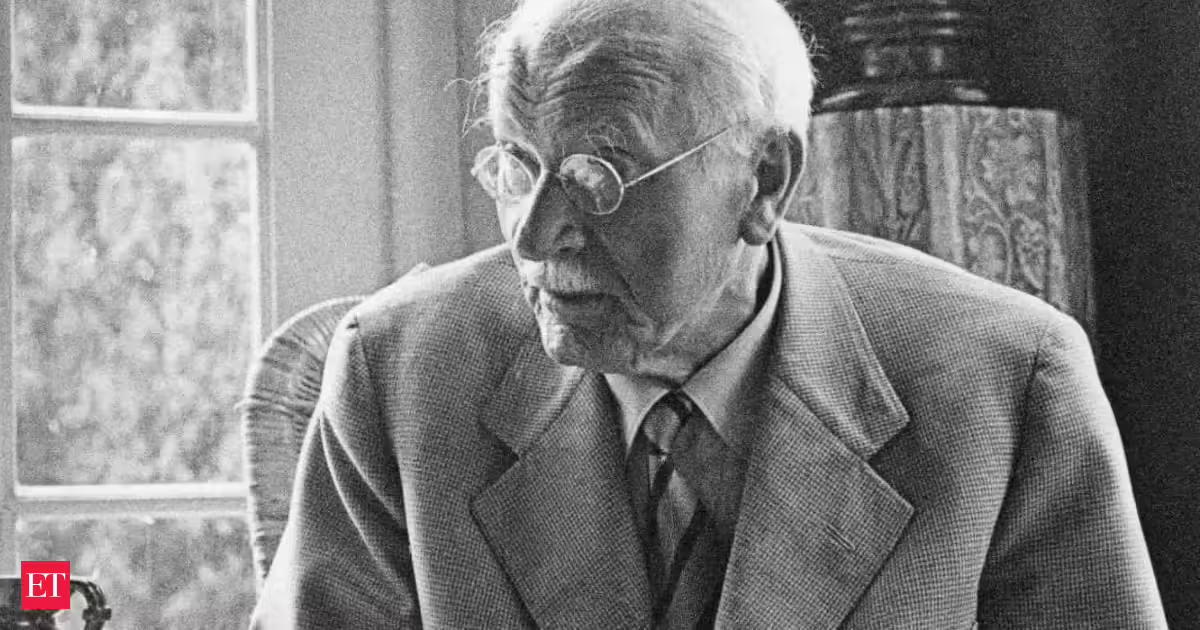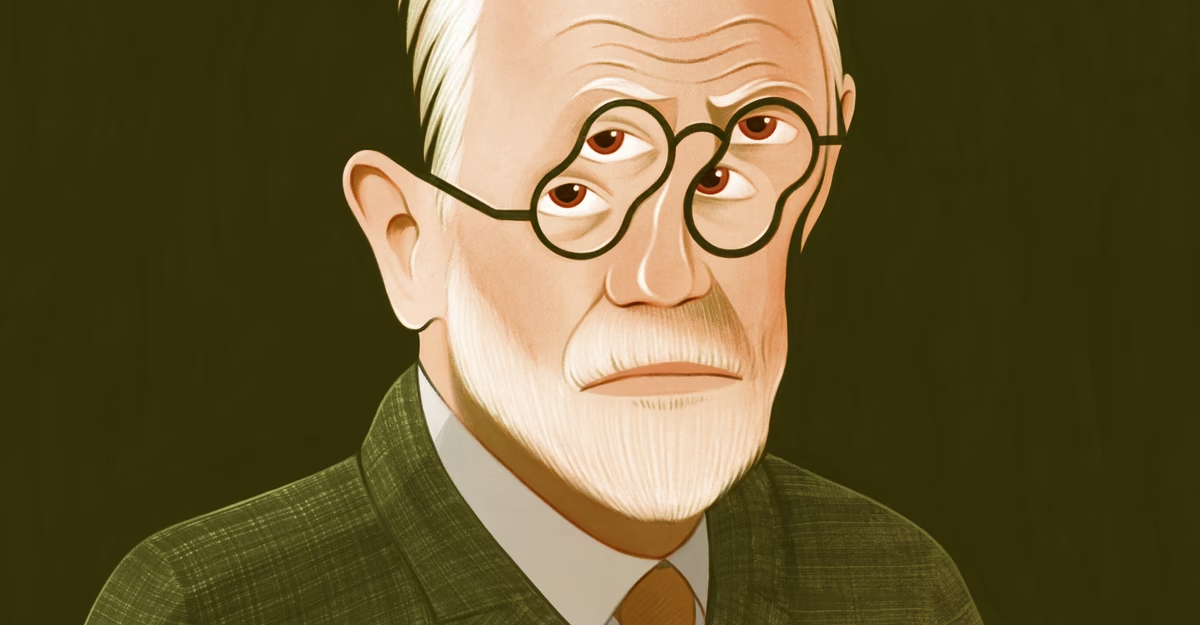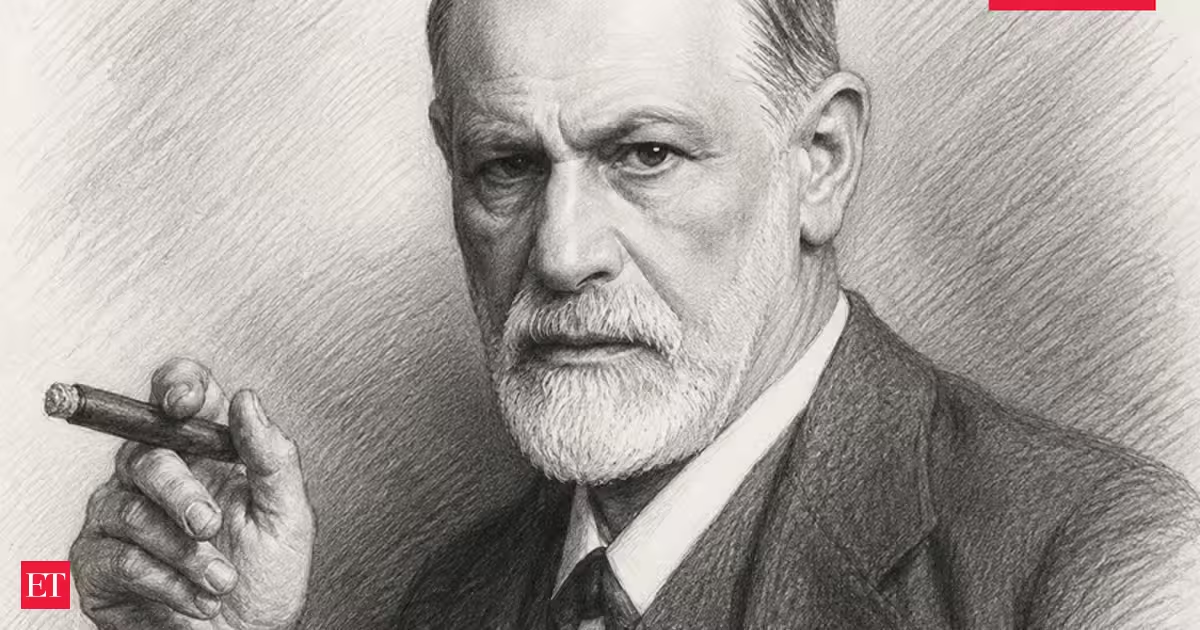
Modern neuroscience and psychoanalysis may have far more in common than many people realize, according to a new paper published in the neurocognitive journal Entropy. The researchers argue that today's leading model of brain function shares striking similarities with ideas that originated with Sigmund Freud and have been developed by psychoanalytic theorists for more than a century. They suggest that combining these perspectives could lead to a more complete understanding of how the human mind works.
At the center of the comparison is the prediction paradigm, one of the dominant theories in modern neuroscience. According to this model, the brain constantly generates predictions about what will happen next and then updates those predictions by comparing them with incoming sensory information. Scientists believe this ongoing process helps shape perception, behavior, and emotional regulation.
Researchers Erik Stänicke, Bendik Hovet, Line Indrevoll Stänicke, and colleagues from the Department of Psychology argue that this framework closely resembles long standing psychoanalytic ideas about how people experience and interpret the world.
"For over 130 years, psychoanalysis has developed psychological theories about how predictions take place at a subjective level, which cognitive neuropsychology is now studying at a physiological level."