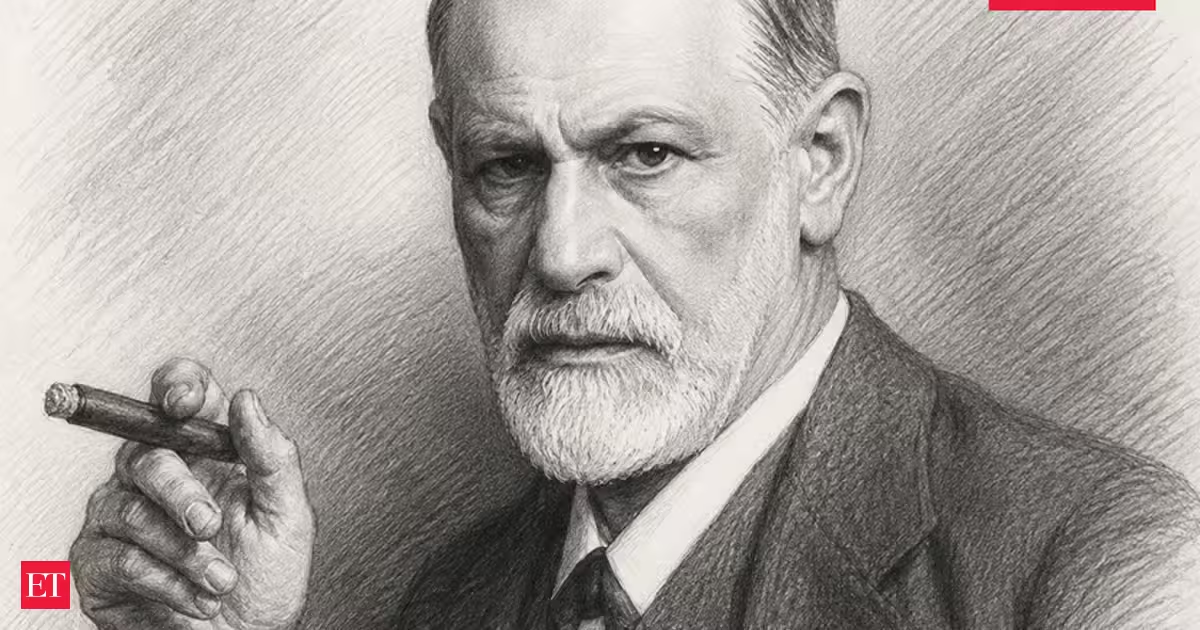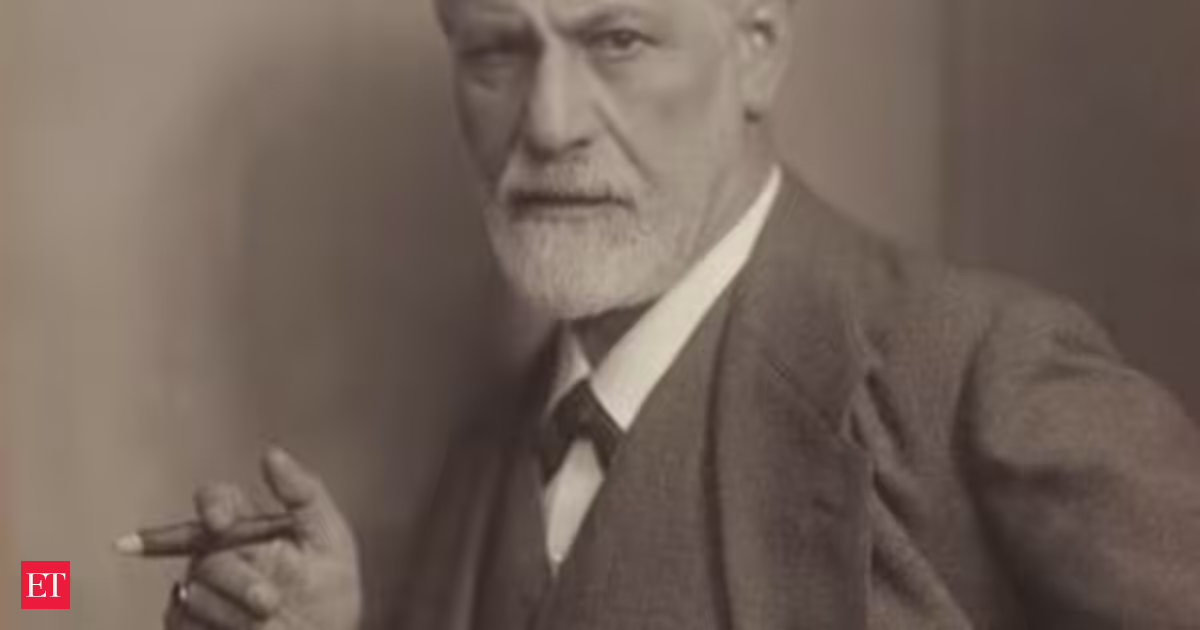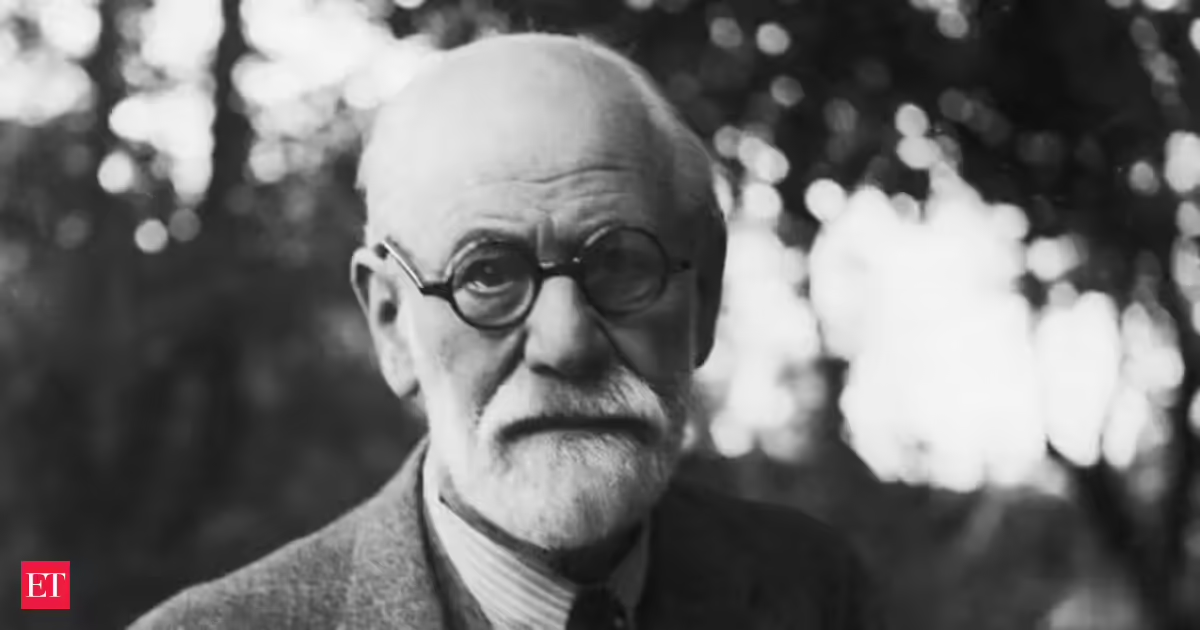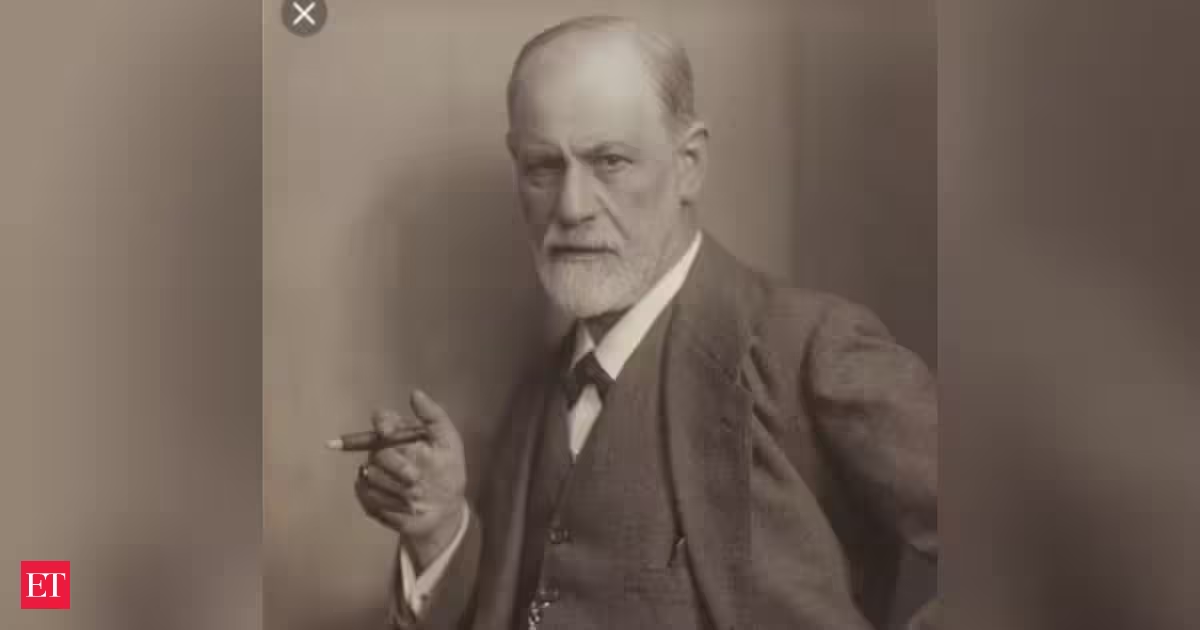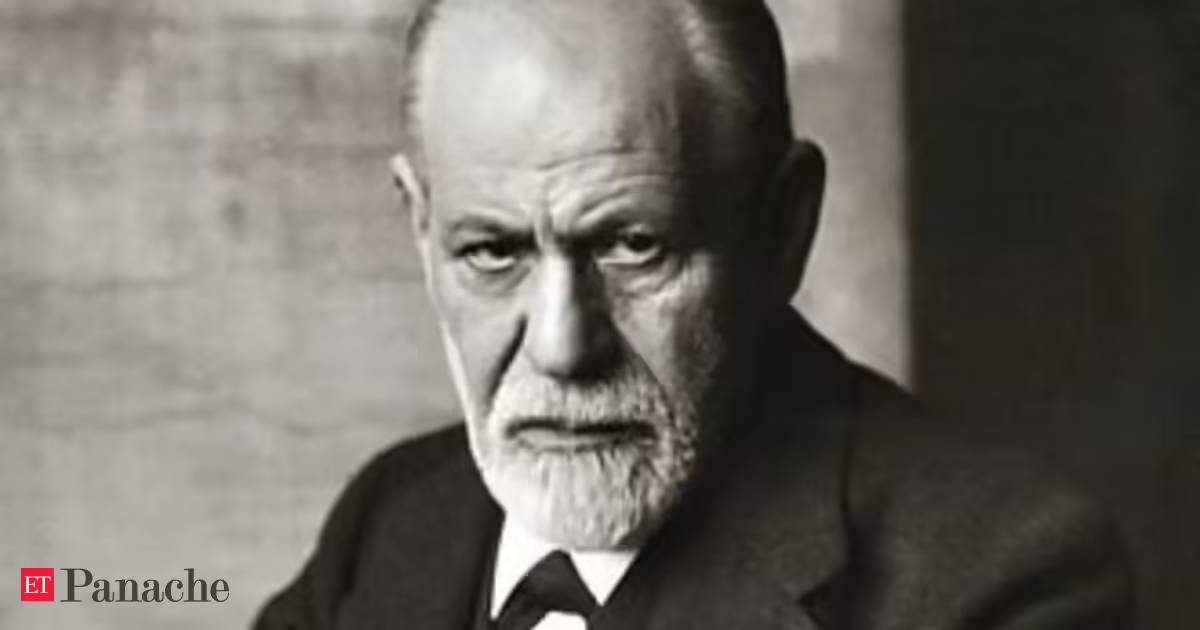
Sigmund Freud, the Austrian neurologist and founder of psychoanalysis, is one of the most influential and controversial thinkers in psychology. He built the foundation of modern talk therapy and introduced ideas about the unconscious mind, repression, and human behavior shaped by hidden desires. His work changed how people look at emotions, relationships, and the deeper forces that guide everyday decisions.The quote of the day by Sigmund Freud goes: “Love is a chemical trick to keep the species breeding. Once the dopamine fades, you are just two strangers sharing a bill.”The quote is presenting love in a very stripped-down and biological way. It suggests that what people feel at the beginning of a relationship is driven more by brain chemistry than anything permanent or emotional. The reference to dopamine points toward the idea of attraction and excitement being linked to chemical reactions in the brain that encourage bonding.It also implies that this intense phase does not last forever. Once that early emotional and chemical rush fades, the relationship may start to feel different. The idea is that what people often call “love” could gradually shift into something more practical, where emotional intensity reduces and what remains is routine life shared between two individuals who may not feel the same initial spark anymore.Freud and his view of the human mindSigmund Freud spent much of his life trying to understand why people behave the way they do, especially when they are not fully aware of their own motives. He believed that human actions are strongly influenced by the unconscious mind, a part of mental life that exists below awareness but still shapes thoughts, feelings, and decisions.You Might Also Like:His method of psychoanalysis was built around helping people uncover these hidden thoughts through techniques like free association and dream interpretation. Freud believed that speaking freely could bring unconscious material into awareness, which he often referred to as the “talking cure.” This approach became one of the earliest forms of modern psychotherapy.Freud also focused heavily on internal conflict within the mind. He proposed that personality is shaped by the interaction between different mental forces, and that understanding these conflicts could help explain emotional struggles and behavior patterns. The idea of the unconsciousOne of Freud’s most important contributions was the concept of the unconscious mind. He suggested that much of what people think and feel is not fully accessible to them. Instead, these hidden thoughts influence behavior in indirect ways.You Might Also Like:He also believed that people often push uncomfortable or painful thoughts out of conscious awareness. These repressed thoughts do not disappear but continue to exist beneath the surface, affecting emotions and actions without the person realizing it. Dreams, in his view, were one of the clearest ways to access this hidden mental activity.This idea changed how psychology understood human behavior by shifting attention away from only visible actions and toward deeper psychological causes.Id, ego, and superegoFreud also created a model of personality made up of three parts: the id, ego, and superego. The id represents basic instincts and desires, the ego deals with reality and decision-making, and the superego represents moral values and social rules.According to Freud, human behavior is the result of constant interaction and conflict between these three elements. When balanced, they help a person function normally. When in conflict, they can create internal stress or emotional difficulty.This model remains one of his most widely recognized ideas, even though it has been debated and revised by later psychologists.Psychosexual development and influenceFreud also introduced the theory of psychosexual development, which suggests that personality develops through stages in early childhood. These stages focus on different areas of pleasure and emotional learning, and experiences during these periods can influence adult personality.Although this theory is no longer widely accepted in its original form, it played an important role in shaping early psychological thinking about childhood and development.Freud’s ideas were highly controversial during his lifetime and continue to be debated today. Some of his theories have been criticized, while others have had a lasting influence on psychology, literature, and cultural studies.He spent most of his career in Vienna, later fleeing to London in 1938 due to political persecution, where he died in 1939. Despite disagreements about his scientific validity, Freud’s work continues to shape discussions about the human mind, especially the role of unconscious thought in everyday behavior.
Quote of the day by Sigmund Freud: 'Love is a chemical trick to keep the species breeding. Once the dopamine fades, you are just two strangers sharing...' - Psychoanalysis founder explains why passion in love fades as time passes
Sigmund Freud is known for his influential ideas about the unconscious mind and how hidden desires shape human behavior. The quote of the day presents love in a biological way, suggesting that early romantic attraction is driven by chemical reactions in the brain, especially dopamine, which creates excitement and bonding but eventually fades. Once this phase passes, relationships may lose their initial intensity and become more routine and practical.
721 words~3 min read