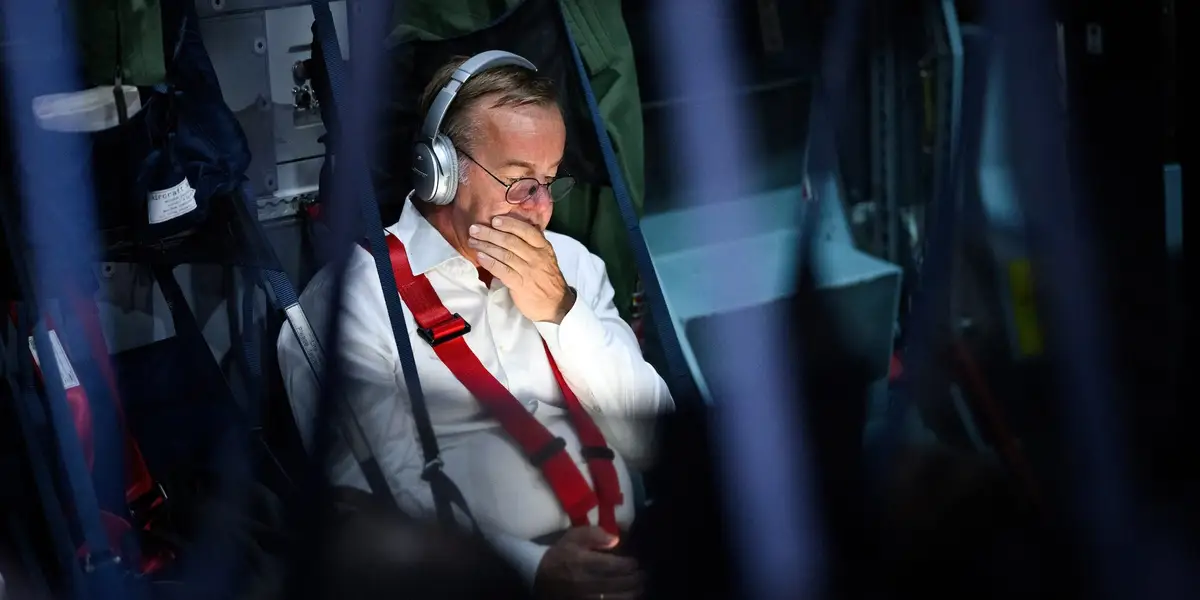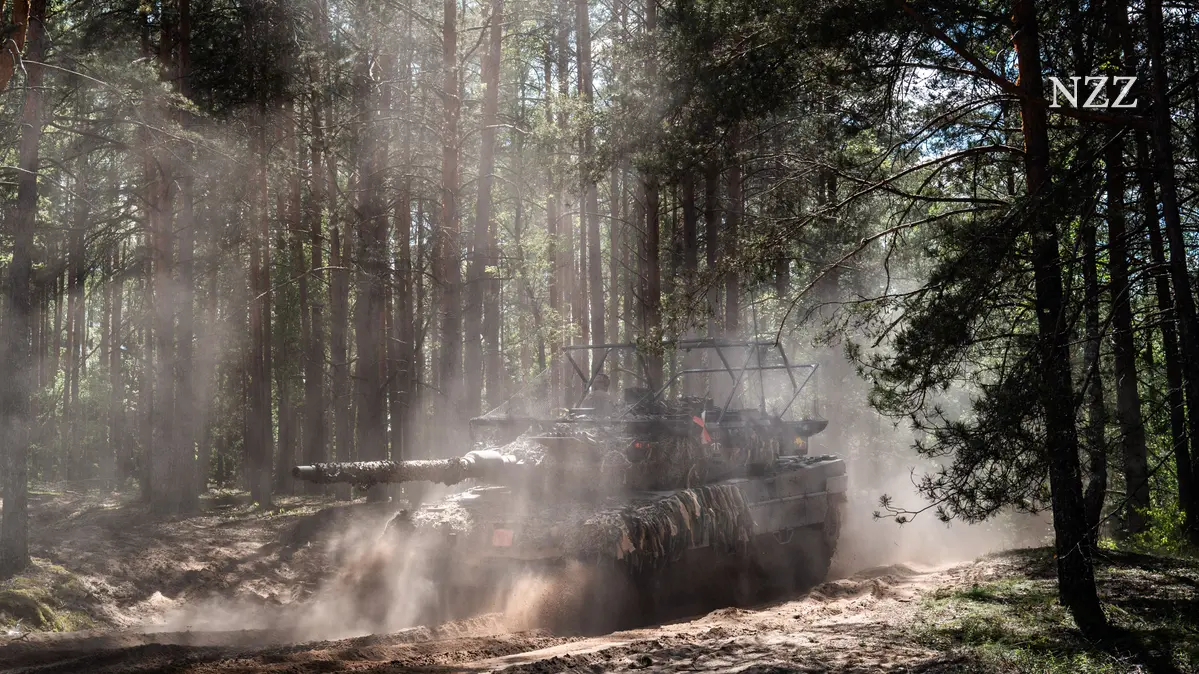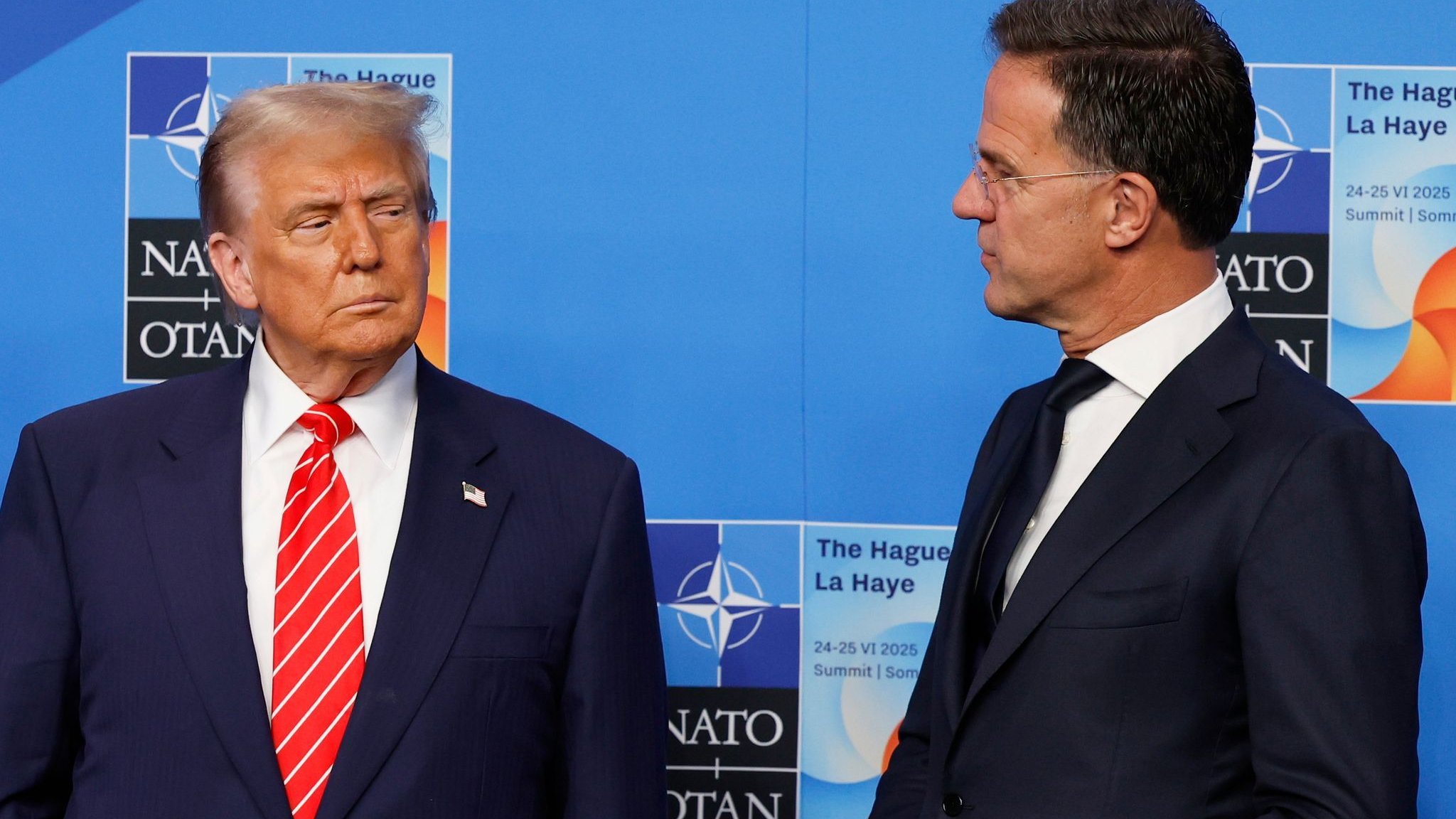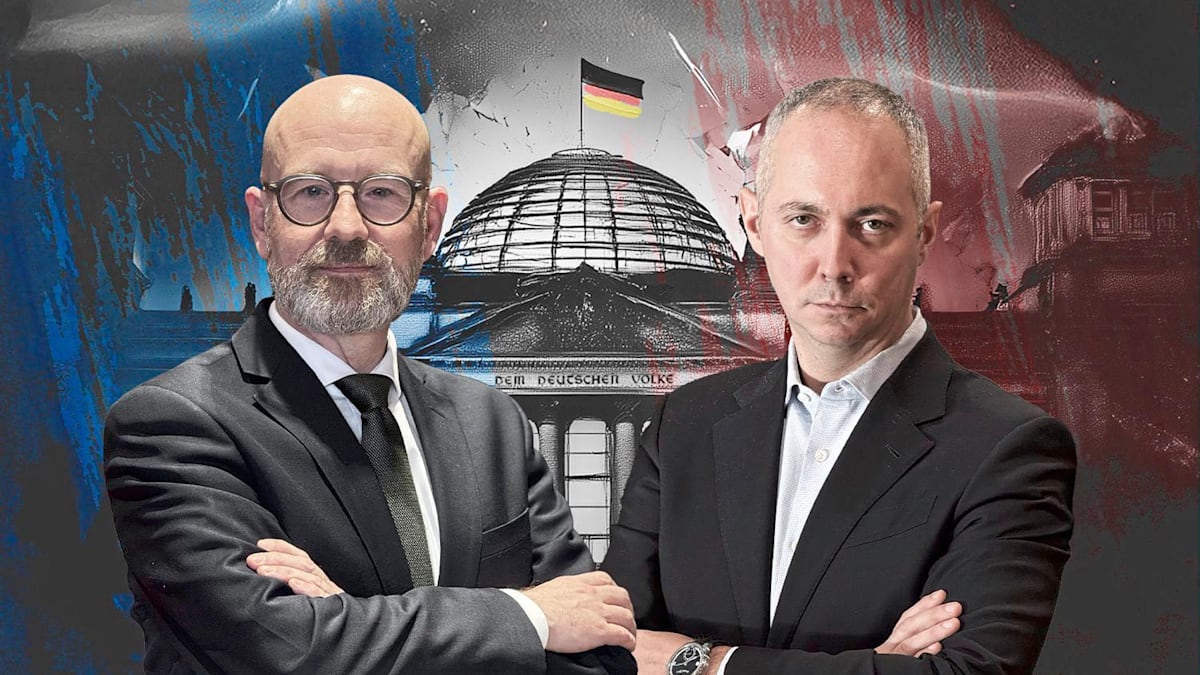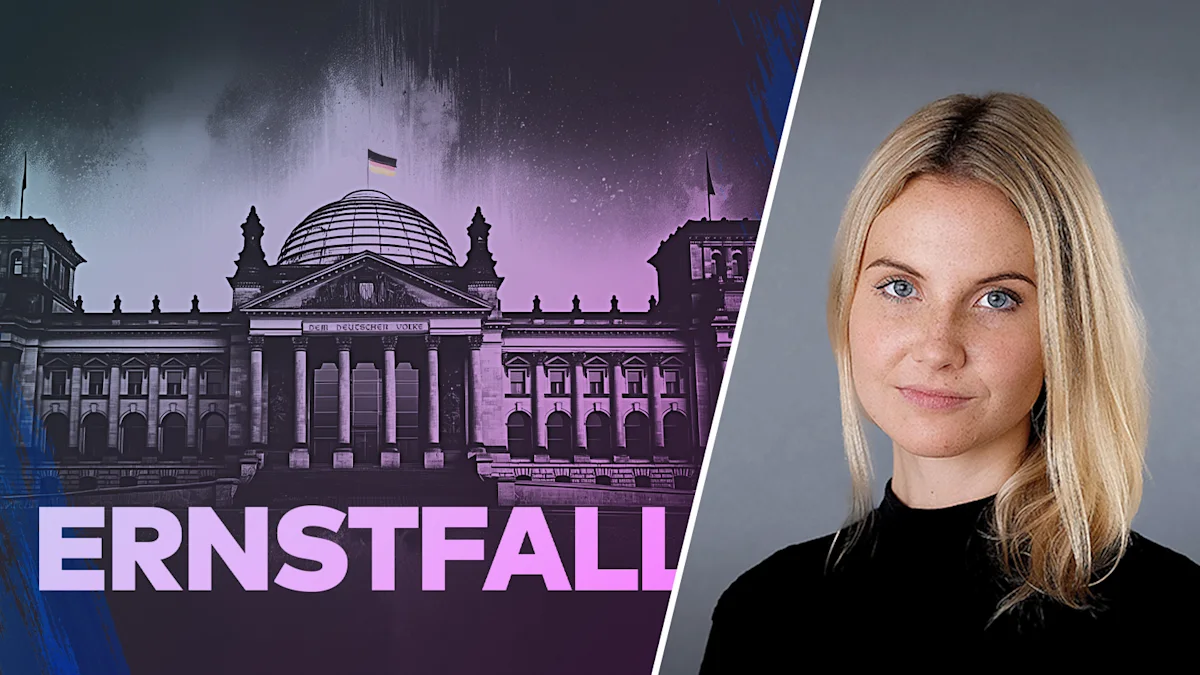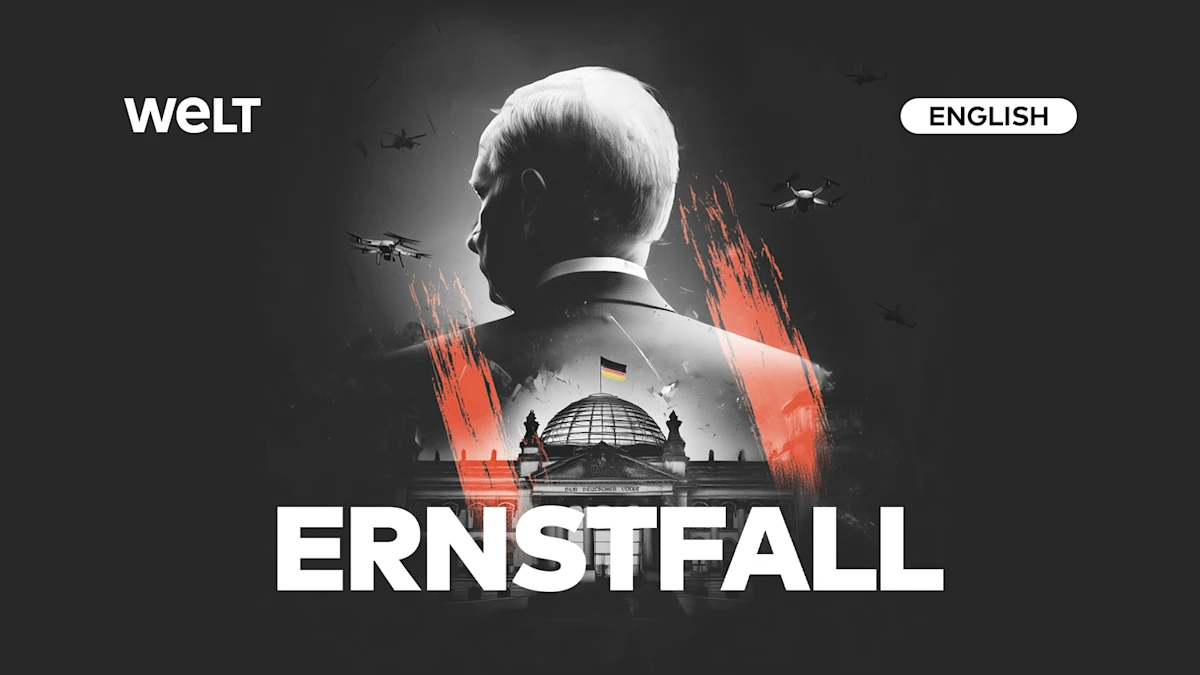
PfadnavigationHomePolitikAuslandErnstfall-Podcast in EnglishHow Reality Caught Up with a German NATO WargameStand: 07:08 UhrLesedauer: 4 MinutenQuelle: Generative Illustration: Infografik WELT/Dominik SchmittAs NATO leaders prepare to gather in Ankara next week, a German public wargame conducted months earlier offers a glimpse of what Europe’s future security landscape might look like without firm U.S. leadership.When NATO leaders meet in Ankara next week, they are expected to focus on a pressing question within the alliance: how, and how fast, Europe can shoulder the responsibility for its defense as the United States reduces its military role on the continent. „It is happening“, Germany’s defense minister Boris Pistorius said in June, „and Germany will assume responsibility.“ He added that an „orderly transition“ was needed, „because nobody – including the Americans – should have any interest in seeing dangerous capability gaps arise as a result of a disorderly withdrawal that cannot be compensated for in a timely manner.“Those capability gaps are at the center of the debate. While European governments are increasing defense spending and expanding military capabilities, many acknowledge that the continent will need time before it can replace key U.S. assets. The main concern is what happens if a major security crisis emerges before the transition is complete.A public wargame simulating a Russian attack on Lithuania explored that question earlier this year, focusing on Berlin’s response. As Europe’s largest economy, NATO’s logistical hub for reinforcing the alliance’s eastern flank, and a country that has pledged to build the continent’s strongest conventional army, Germany would be expected to play a central role in such a crisis. Here you’ll find all the accompanying information (in German).Lesen Sie auchDeveloped by the German media outlet WELT together with the German Wargaming Center at Helmut Schmidt University of the German Armed Forces, the wargame examined how Berlin would respond under pressure, whether it could assume a leadership role if American support proved uncertain, and which legal and political constraints would shape its choices. By the end of the exercise, Russia had achieved its immediate military objective. Germany, meanwhile, remained focused on managing the crisis rather than altering its course, suggesting that its greatest challenge lay in the speed and nature of political decision-making.Lesen Sie auchOne of the central variables in the wargame was the role of the United States. Set after a ceasefire in Ukraine, the scenario assumed a U.S. administration determined to avoid being drawn into another war in Europe. Represented by former U.S. diplomat and NATO official Jeff Rathke, Washington initially declined to discuss invoking NATO’s collective defense clause after Russian troops entered Lithuania.Since then, the question of how quickly — and to what extent — the United States would become involved in a future European crisis has become more pressing. Washington is reviewing its military posture in Europe, plans to withdraw capabilities from NATO’s force model, and recently ended the rotational deployment of more than 1,000 U.S. troops in Lithuania without an immediate replacement. U.S. President Donald Trump said in April he was weighing whether to pull out of NATO, disgruntled with alliance members resisting his calls to join offensive operations in the war on Iran.„All of that has added to fractures within the alliance“, said Alexander Gabuev, director of the Carnegie Russia Eurasia Center, who played the Russian president in the wargame. Since the outcome of the simulation was first published, he said, uncertainty surrounding the future U.S. role in European security has become “much more pronounced.“The wargame drew international attention when its results were first published in German earlier this year. Among those responding publicly was NATO Secretary General Mark Rutte, who said the alliance was „well prepared“ to respond to any attack against its members. This week, WELT is releasing an English-language version of the five-part podcast titled „Ernstfall“ based on the wargame.Subscribe to the podcast on Spotify or Apple Podcasts so you don't miss an episode. If you have any questions, suggestions, or feedback, please feel free to email us at wargame@welt.de.
Ernstfall-Podcast in English: How Reality Caught Up with a German NATO Wargame - WELT
As NATO leaders prepare to gather in Ankara next week, a German public wargame conducted months earlier offers a glimpse of what Europe’s future security landscape might look like without firm U.S. leadership.
659 words~3 min read