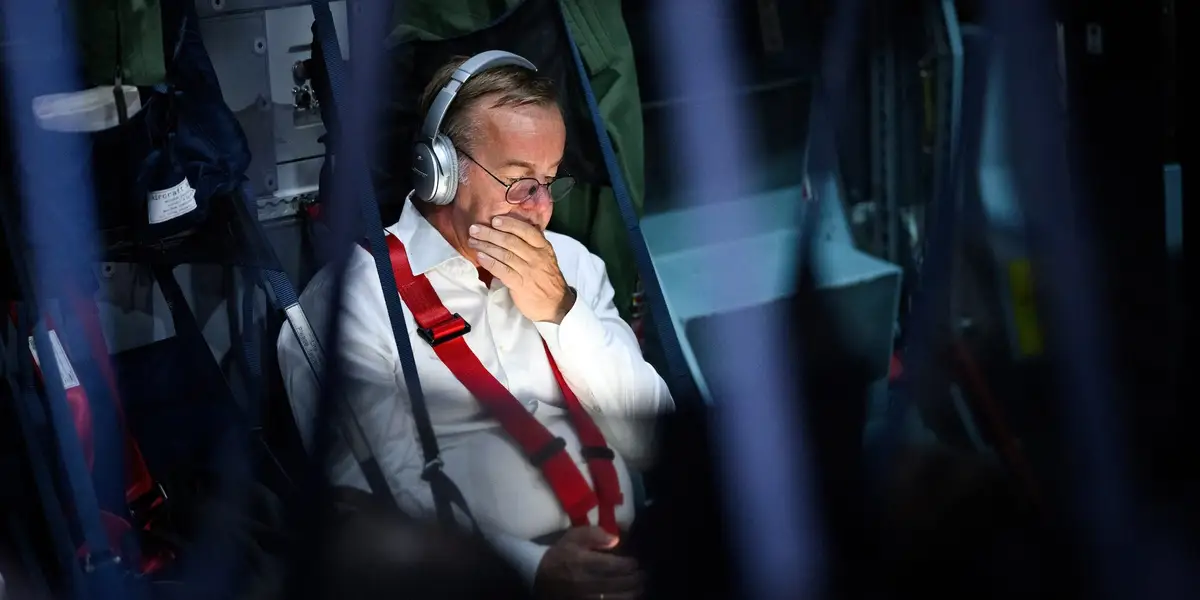
Boris Pistorius, the German minister of defense, said Germany will assume some responsibility for assets the US is withdrawing from Europe.
Bernd von Jutrczenka/picture alliance via Getty Images
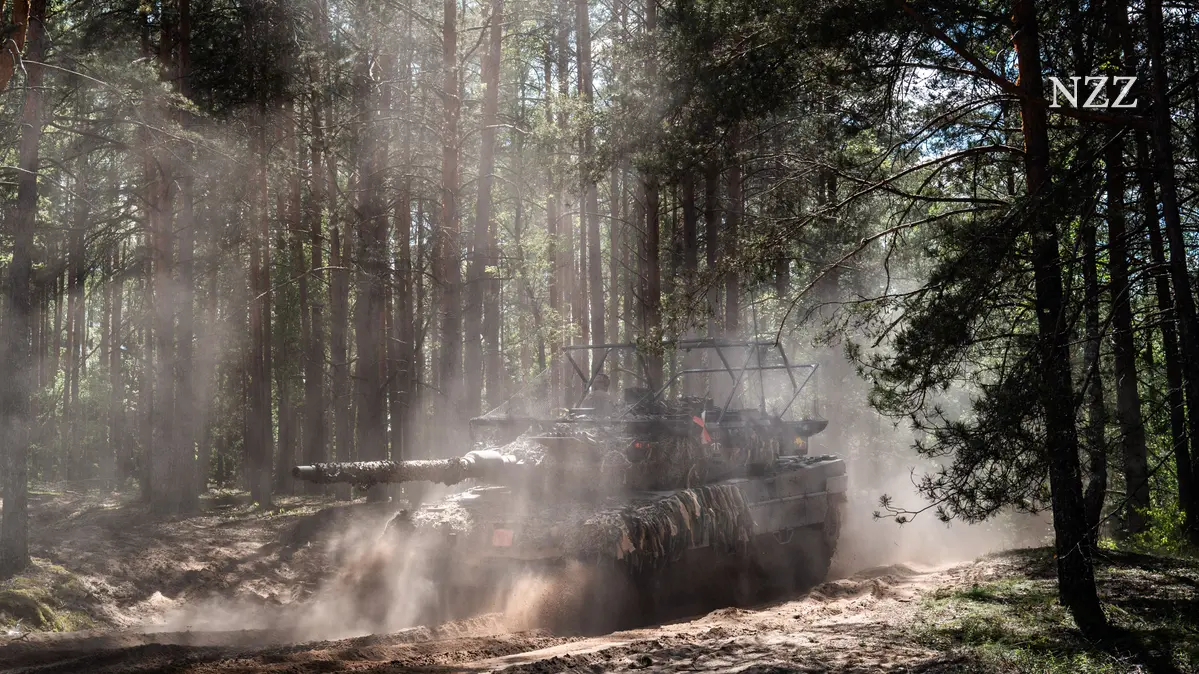
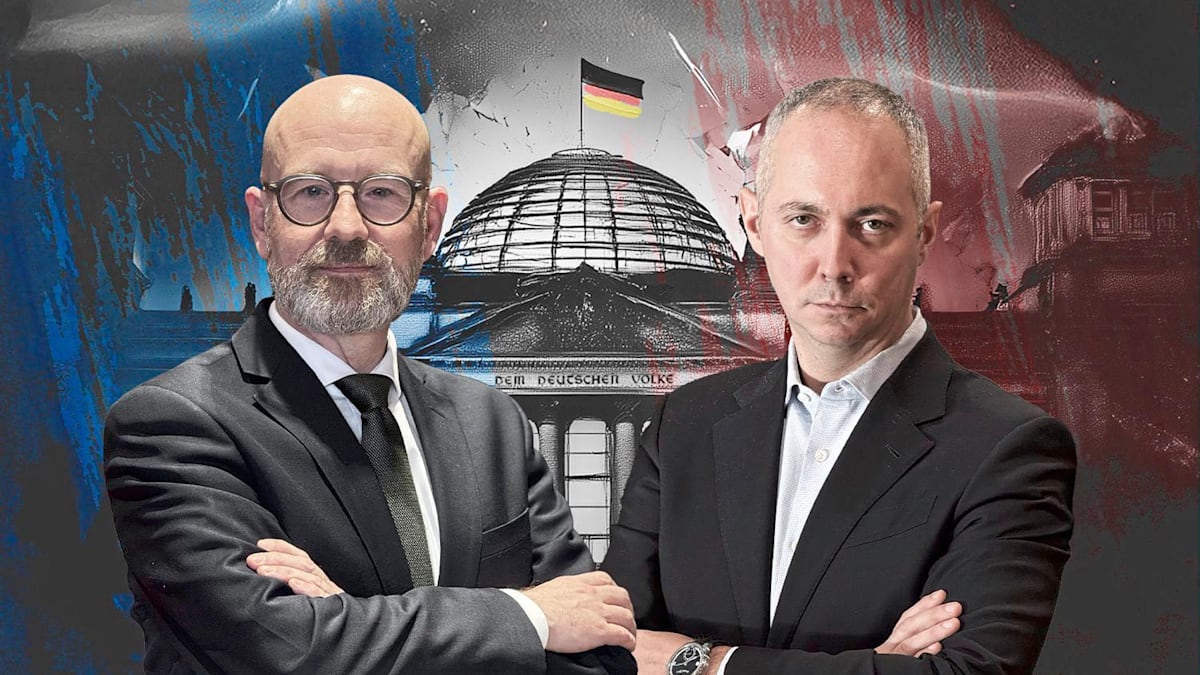
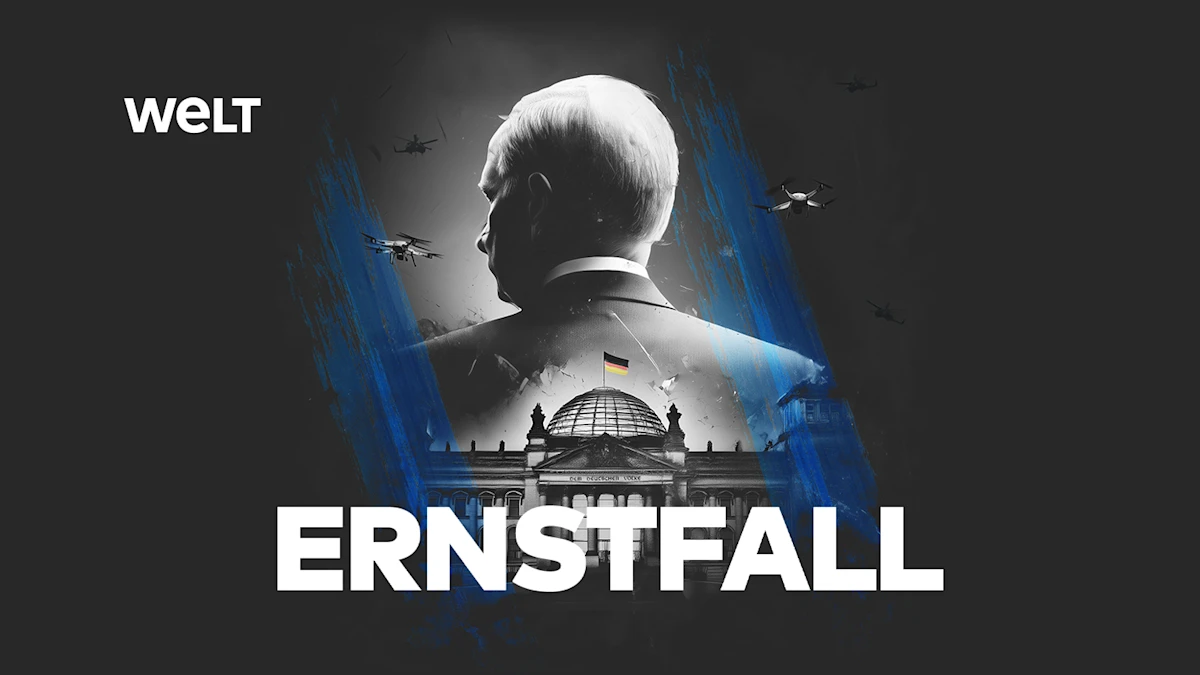
When NATO leaders meet in Ankara next week, they are expected to focus on a pressing question within the alliance: how, and how fast, Europe can shoulder the responsibility for its own defense as the United States reduces its military role on the continent."It is happening," Germany's defense minister Boris Pistorius said in June, "and Germany will assume responsibility." He added that an "orderly transition" was needed, "because nobody — including the Americans — should have any interest in seeing dangerous capability gaps arise as a result of a disorderly withdrawal that cannot be compensated for in a timely manner."Those capability gaps are at the center of the debate. While European governments are increasing defense spending and expanding military capabilities, many acknowledge that the continent will need time before it can replace key US assets. The main concern is what happens if a major security crisis emerges before the transition is complete.A public wargame simulating a Russian attack on Lithuania explored that question earlier this year, focusing on Berlin's response. As Europe's largest economy, NATO's logistical hub for reinforcing the alliance's eastern flank, and a country that has pledged to build the continent's strongest conventional army, Germany would be expected to play a central role in such a crisis.Developed by the German media outlet WELT together with the German Wargaming Center at Helmut Schmidt University of the German Armed Forces, the wargame examined how Berlin would respond under pressure, whether it could assume a leadership role if American support proved uncertain, and which legal and political constraints would shape its choices.By the end of the exercise, Russia had achieved its immediate military objective. Germany, meanwhile, remained focused on managing the crisis rather than altering its course, suggesting that its greatest challenge lay in the speed and nature of political decision-making.