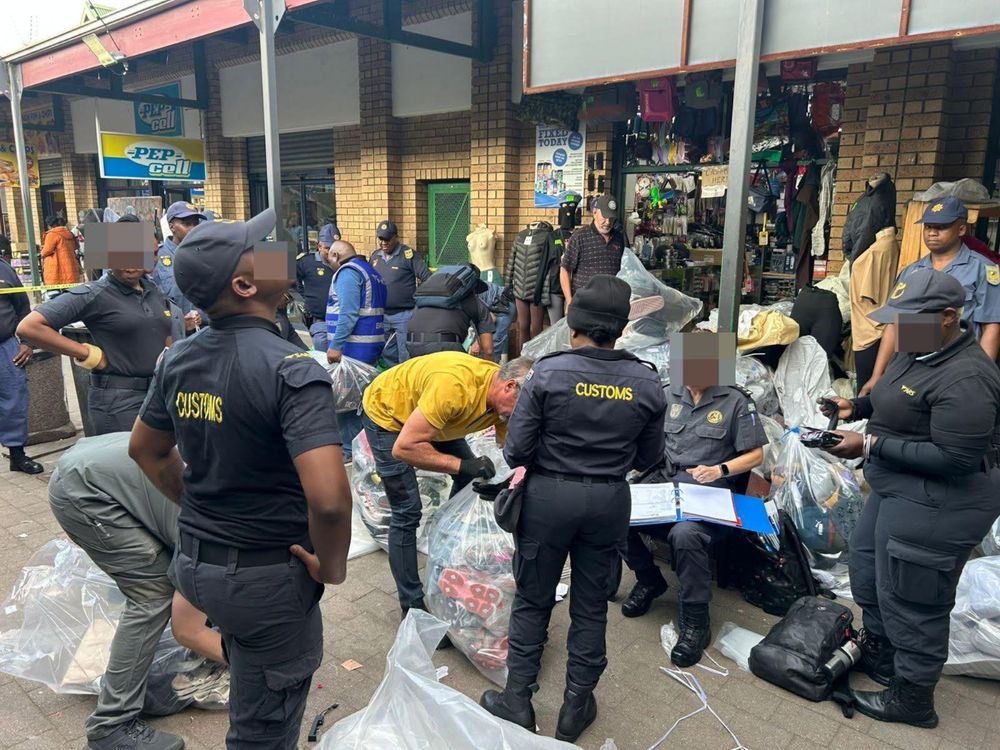
South Africa has constitutionally recognised adult private cannabis use and cultivation, yet it has failed to build the practical systems that turn this recognition into lawful, taxable economic activity. This policy inaction carries a heavy and growing price tag for the country.Recognition without infrastructure is not reform. It is an expensive structural liability affecting the whole country.Policy documents promise economic growth, rural development, job creation and transformation. On the ground, the absence of workable lawful pathways has created a large fiscal drain. Compliant operators struggle with bottlenecks while the informal black market expands. The state spends on enforcement but forgoes the revenue, jobs and development gains a coherent framework could deliver.One of the clearest costs is continued enforcement expenditure. South African Police Service (SAPS) resources, already under severe strain, are still routinely used to police what is largely a regulatory vacuum rather than clear criminal activity. This includes arrests that later prove to be wrongful or constitutionally questionable considering the Constitutional Court’s Prince judgment, which held that adults may lawfully use and cultivate cannabis in private for personal consumption.Each such arrest carries direct costs: police time, transportation, detention, prosecution, court appearances and potential legal challenges against the state. Magistrates’ courts, already badly backlogged, spend valuable time on low-level cannabis matters that would largely disappear under clear lawful pathways. These cases divert resources from serious violent crime and contribute to unnecessary criminal records that damage lives and employment prospects long after the event. The resulting constitutional litigation and civil claims against the state further increase the financial burden on taxpayers.Government estimates have placed the potential value of a properly regulated cannabis sector at about R28bn or more. In a formal market, this could generate substantial VAT, income tax, licence fees, excise duties and other revenue streams.Every year of delay deepens this fiscal loss and increases the overall cost to the government through sustained enforcement spending, lost economic multipliers and growing social grant and service demands.The broader ledger is even heavier. Rising public health risks from unregulated products are likely to drive up future healthcare costs in public and private systems. Deepening rural poverty in traditional production areas puts extra pressure on already strained social services and grant systems. Eroded public trust in the reform process makes future policy implementation more difficult and expensive. The lack of action by the state is also responsible for reduced foreign exchange earnings from potential exports, another missed opportunity in a country desperate for growth and investment.South Africa does not need uncontrolled deregulation. The lessons from other countries where rapid or poorly managed deregulation occurred are real, from fragmented markets and public health crises in parts of the US to serious implementation problems elsewhere. What South Africa needs is coherent, practical regulation that closes the gap between constitutional rights and operational reality.A 100-Site Lawful Participation Pilot, already submitted to parliament and relevant departments, offers a ready-made, low-risk mechanism to test tiered pathways, gather real data, protect public health and demonstrate measurable progress on inclusion and economic participation.Recognition and rollout of this pilot, supported by co-ordinated action across the department of health, the South African Health Products Regulatory Authority, the department of justice, law enforcement agencies, the department of agriculture, department of trade, industry & competition, customs and provinces, would allow the state to start capturing revenue, to build and certify proper testing laboratories and to finally develop a credible cannabis export market that South Africa has so far failed to establish, while creating genuine market access routes.The incoherence is no longer theoretical. It is fully operational and the costs keep mounting: lost livelihoods and stalled small businesses; wasted SAPS and court resources on avoidable arrests and prosecutions; forgone tax revenue; rising public health burdens; deepening rural poverty; eroded trust in reform; mounting legal claims against the state; and huge missed opportunities for genuine economic transformation and job creation.• Botha, a legal strategist and cannabis policy specialist, is cofounder of H3 Legal Solutions.
CHARL BOTHA | The financial cost of inaction on cannabis regulation
Government continues to spend heavily on enforcement and legal proceedings, missing out on tax revenue, growth, and job creation, while informal market thrives
656 words~3 min read