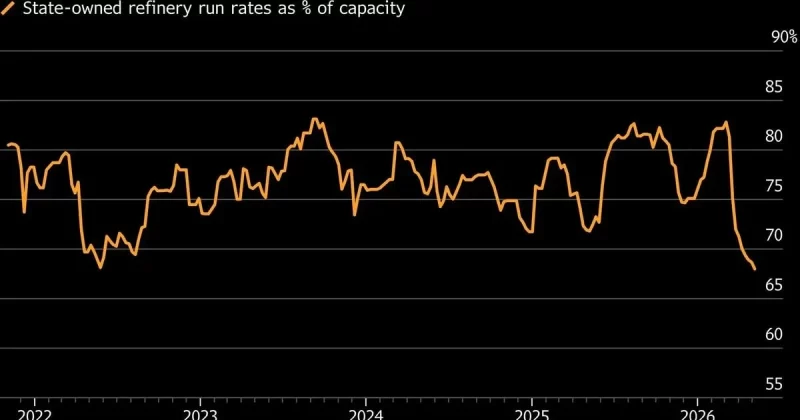
The war in Iran has done something that years of trade policy couldn’t: it gave China’s bloated petrochemical industry somewhere to send all that excess product.
With the Strait of Hormuz effectively closed and Middle Eastern production disrupted, China is stepping into the vacuum, ramping up exports of the key building blocks for plastics, rubber, and textiles.
From glut to gold mine
The Iran conflict, which kicked off with significant US and Israeli military strikes in February 2026, upended that calculus almost overnight. The effective closure of the Strait of Hormuz disrupted an estimated $20-25 billion in annual petrochemical flows. Plastic and polymer prices surged to multi-year highs. And China, sitting on mountains of excess capacity, suddenly found itself holding exactly the inventory the world needed.
The strategic pivot has been selective, though. Beijing curtailed certain refined oil and fuel exports starting in March 2026 to manage domestic supply amid rising producer prices. So while China is happy to ship polypropylene and other petrochemicals abroad, it’s keeping fuel for itself.