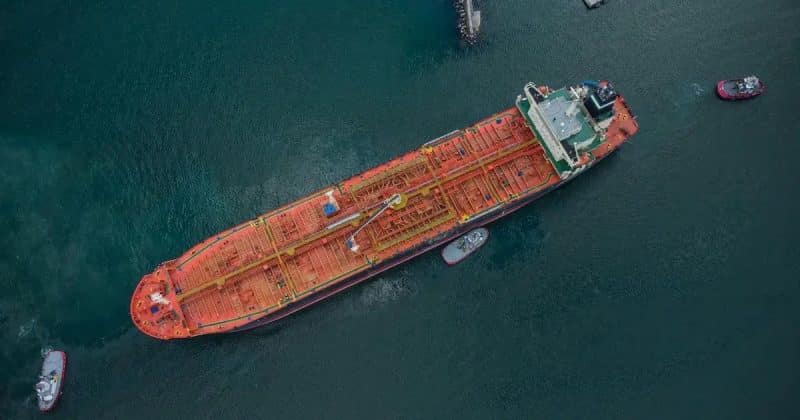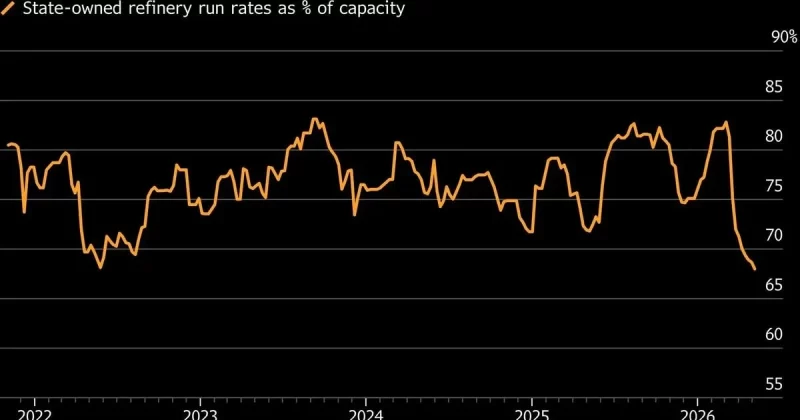
China’s crude oil imports cratered in April 2026, falling 20% year-on-year to 38.5 million metric tons. That’s the lowest level since July 2022, when parts of Shanghai were still under COVID lockdown.
The culprit this time isn’t a virus. It’s a war. The ongoing conflict in Iran has effectively shuttered the Strait of Hormuz, one of the most critical chokepoints in global energy logistics. That narrow waterway historically handles somewhere between 40% and 55% of all the crude oil China imports.
The Iran-shaped hole in China’s oil supply
Iran had become a quietly essential supplier to China’s energy machine. In 2025, Iranian crude accounted for roughly 12-13% of China’s total imports, flowing at a rate of approximately 1.4 million barrels per day. Much of that oil moved through an elaborate network of sanctions-evasion tactics, ship-to-ship transfers, and relabeled cargoes that allowed Chinese buyers to snag Iranian barrels at steep discounts.
The buyers feeling this most acutely are China’s independent refineries, commonly known as “teapots.” These smaller operators, concentrated heavily in Shandong province, were the principal purchasers of discounted Iranian crude. Now they’re scrambling for replacement barrels at significantly higher prices.