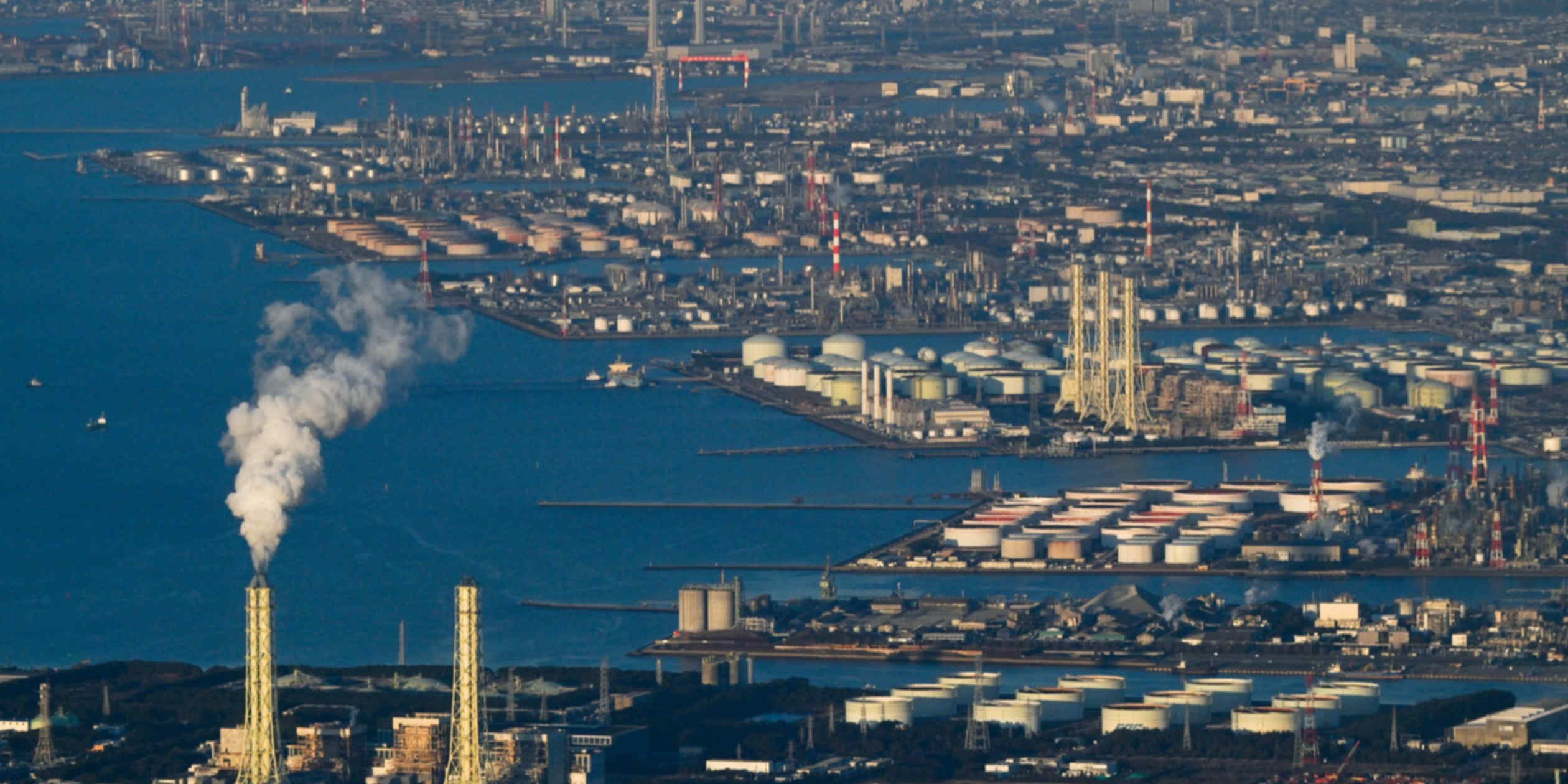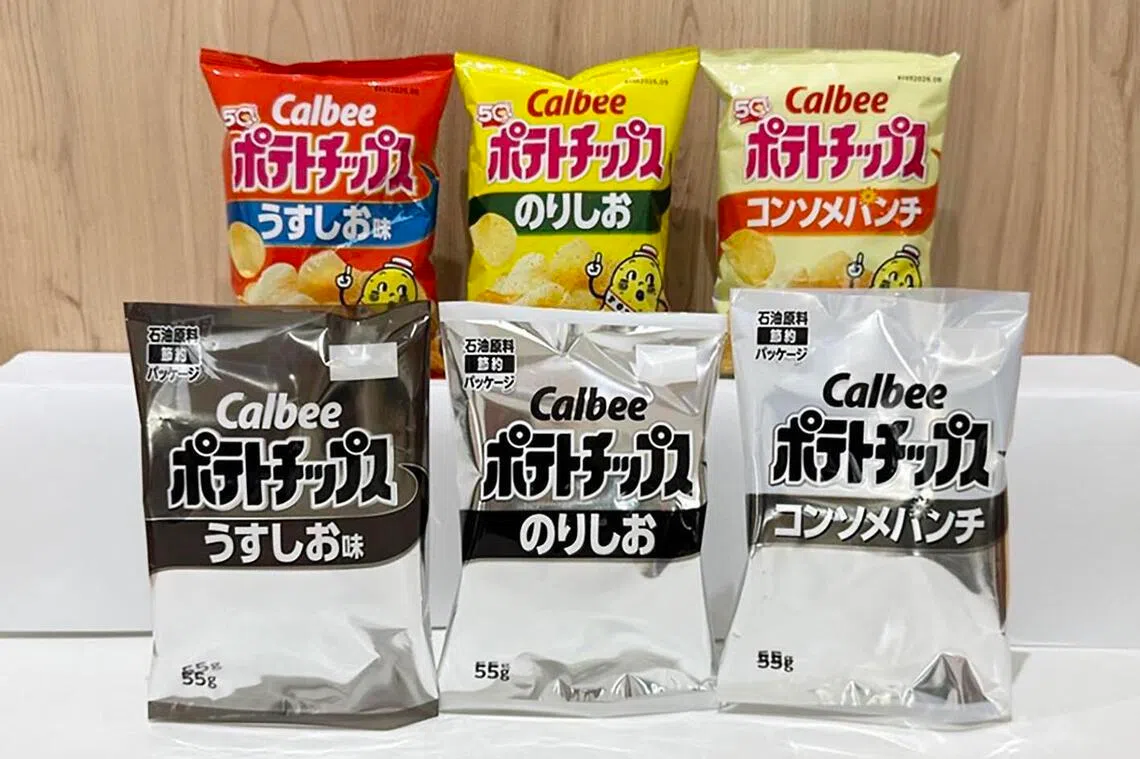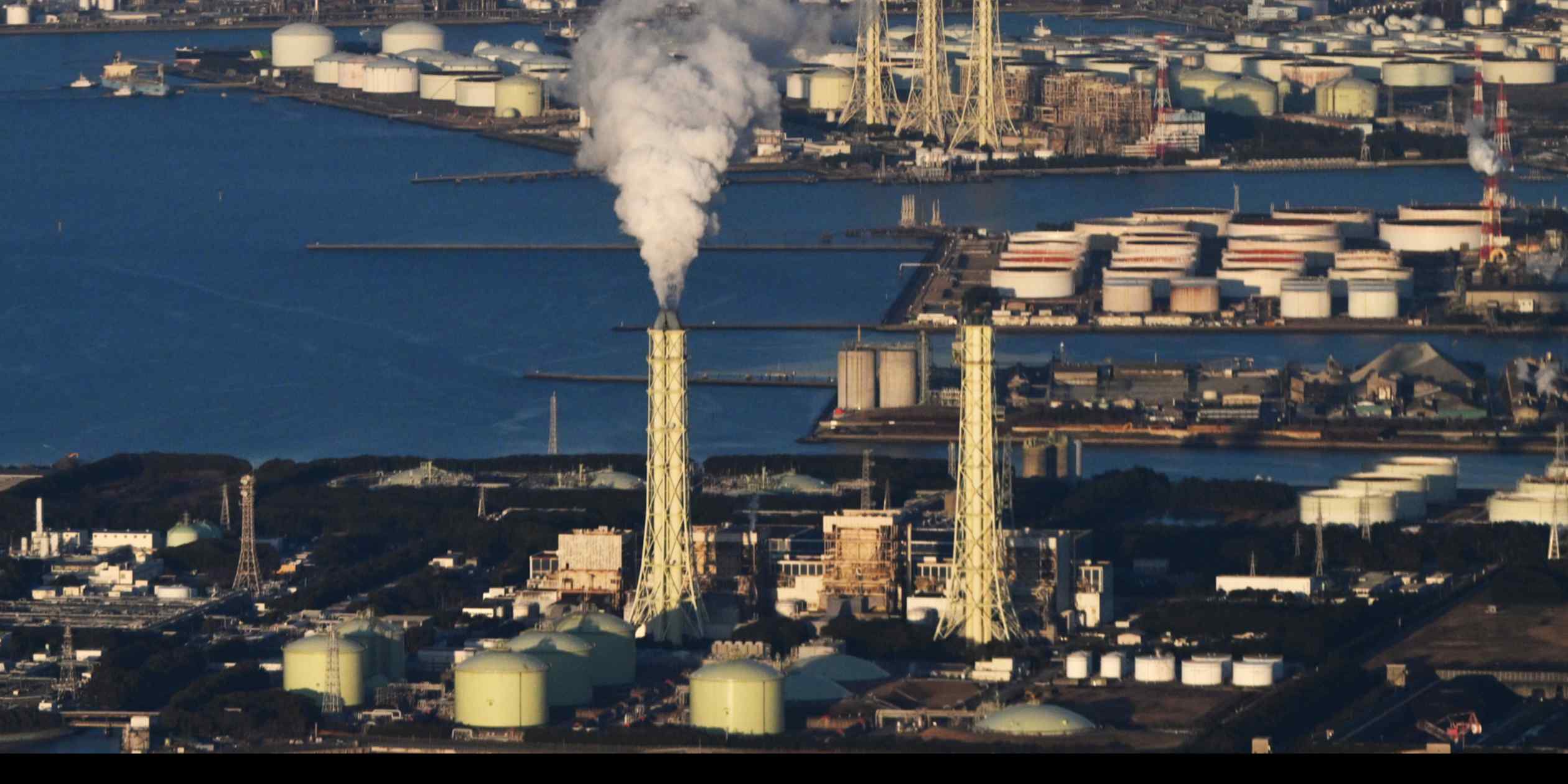
Japan, South Korea, and other big Asian economies have been dealt a blow by the Iran war’s disruption of naphtha imports—all except China, which has weathered the crisis thanks to its diversified supply networks.
“The recent blockade of the Strait of Hormuz has emerged as a major crisis that exposes the Asian petrochemical industry’s structural vulnerabilities,” said Baek Jong-hoon, acting chairman of the Korea Chemical Industry Association and CEO of Kumho Petrochemical, at an industry event in Fukuoka, Japan, last month.
The de facto closure of Hormuz, through which about 20% of global crude oil exports transit, has hit Asia the hardest. Over 80% of crude oil passing through the maritime chokepoint was bound for Asian markets, according to the US Energy Information Administration.
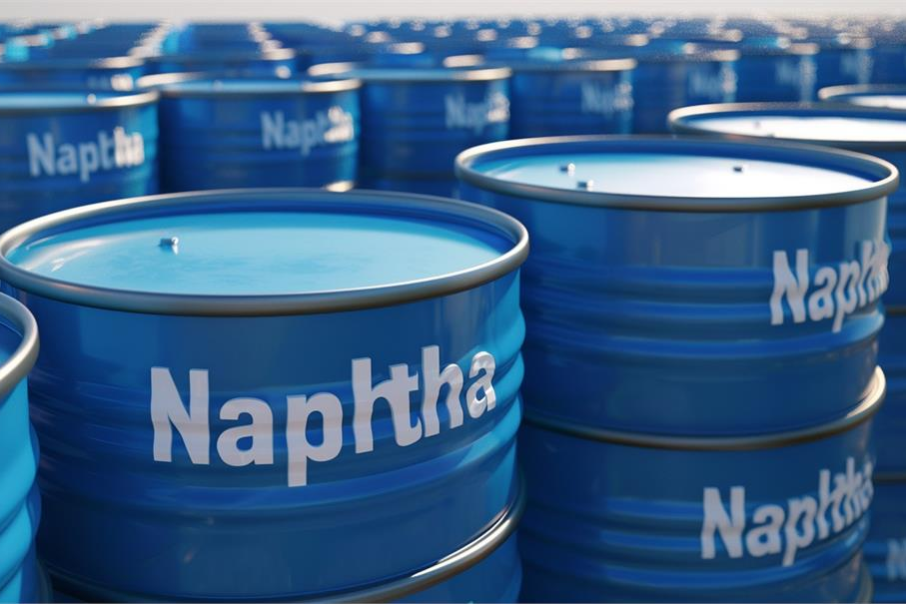
Many Asian countries, including Japan and South Korea, rely heavily on imported naphtha, produced when crude oil is refined, to make chemicals for plastics, inks and other products.
Japan has cut production at ethylene plants that use naphtha, while some plants in South Korea and Vietnam have been shut down. All these countries are trying to maintain supply chains by procuring naphtha from outside the Middle East.