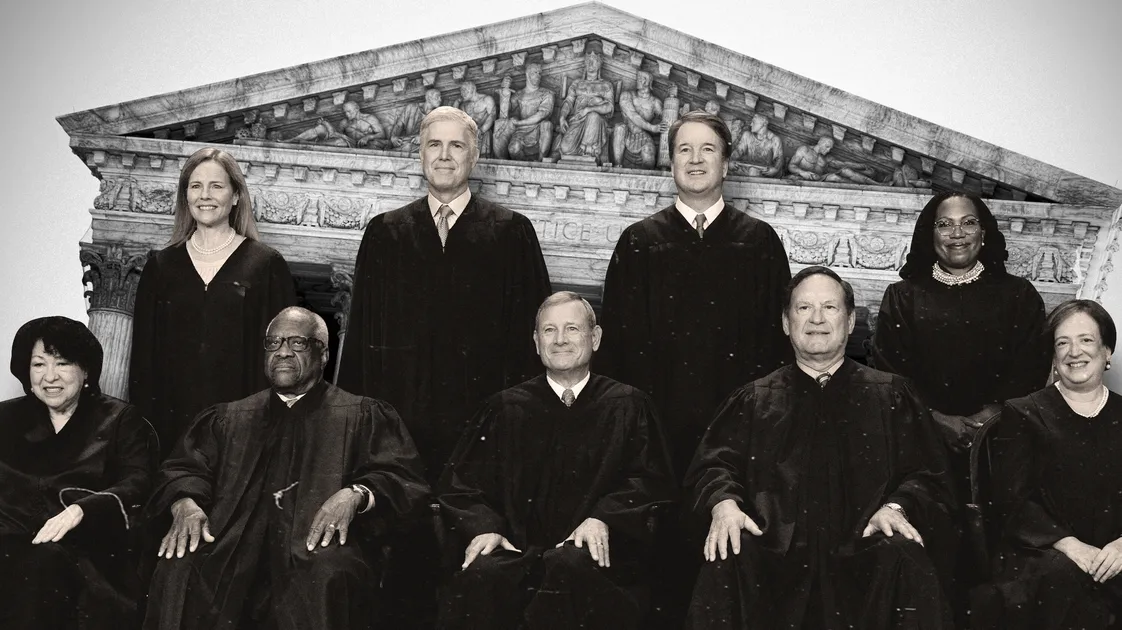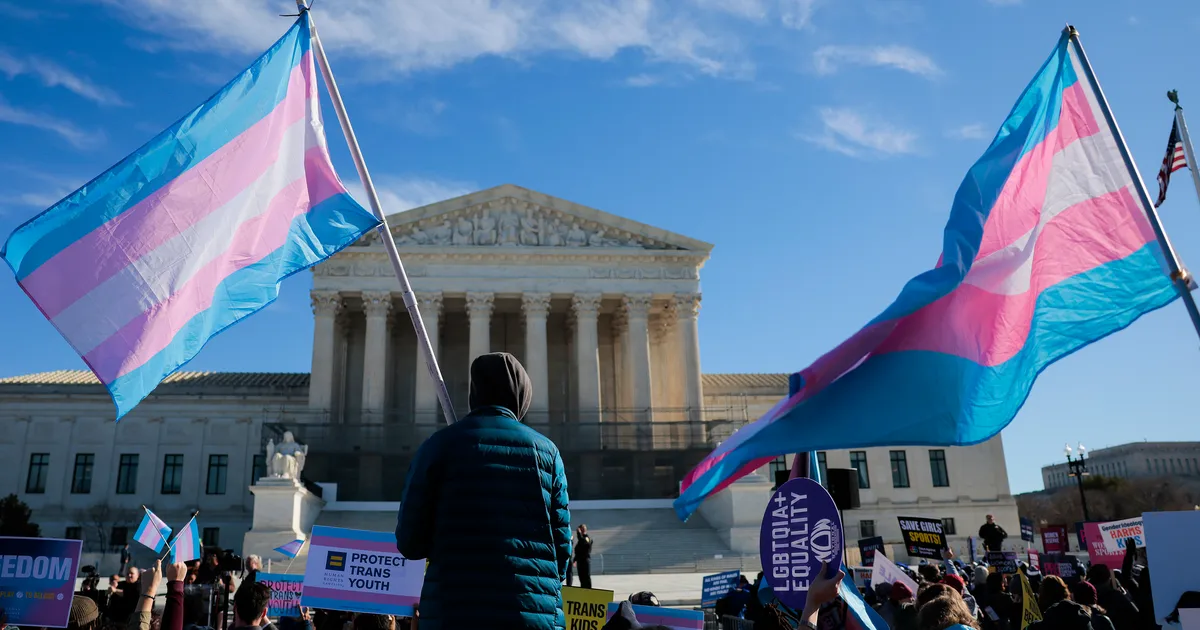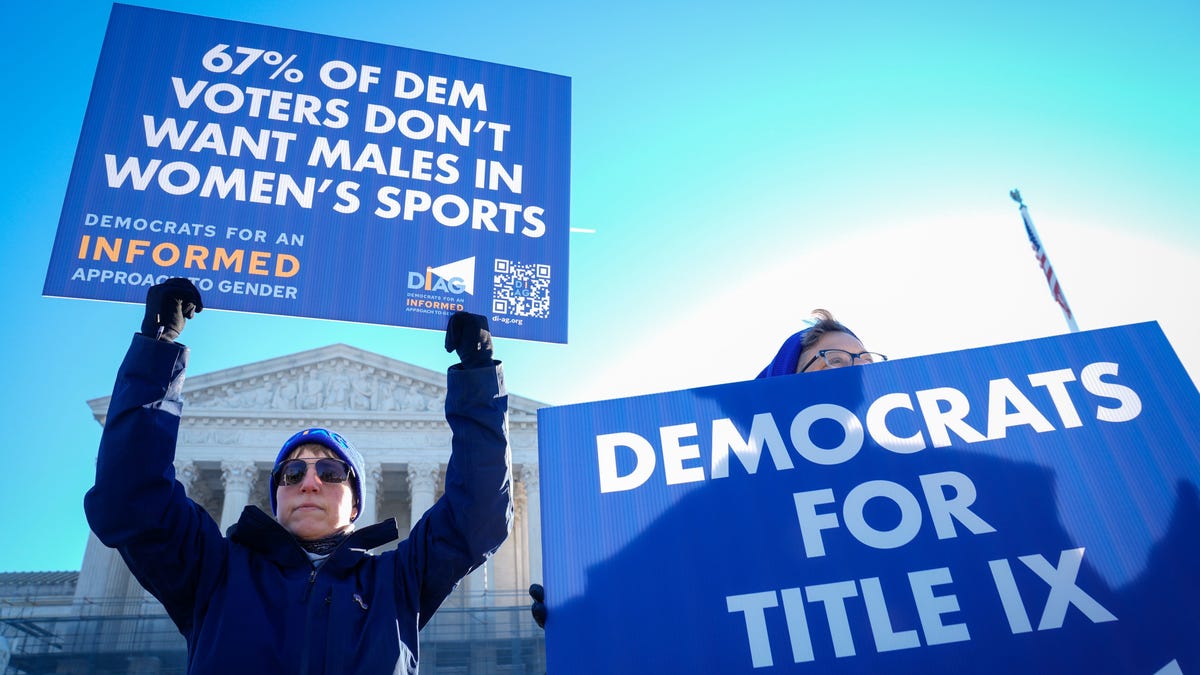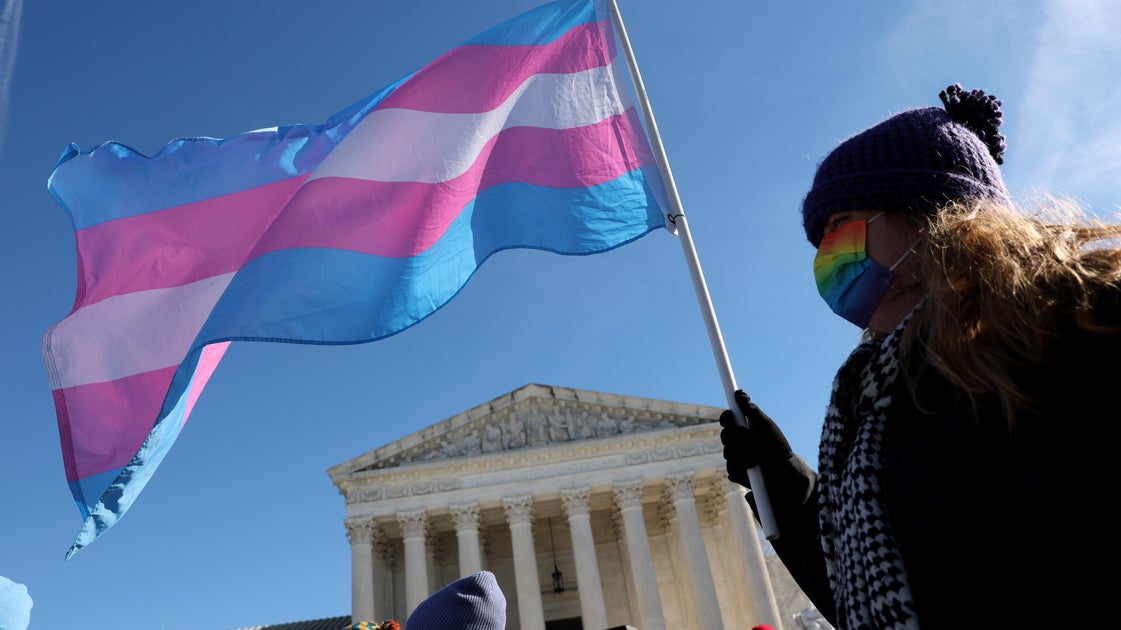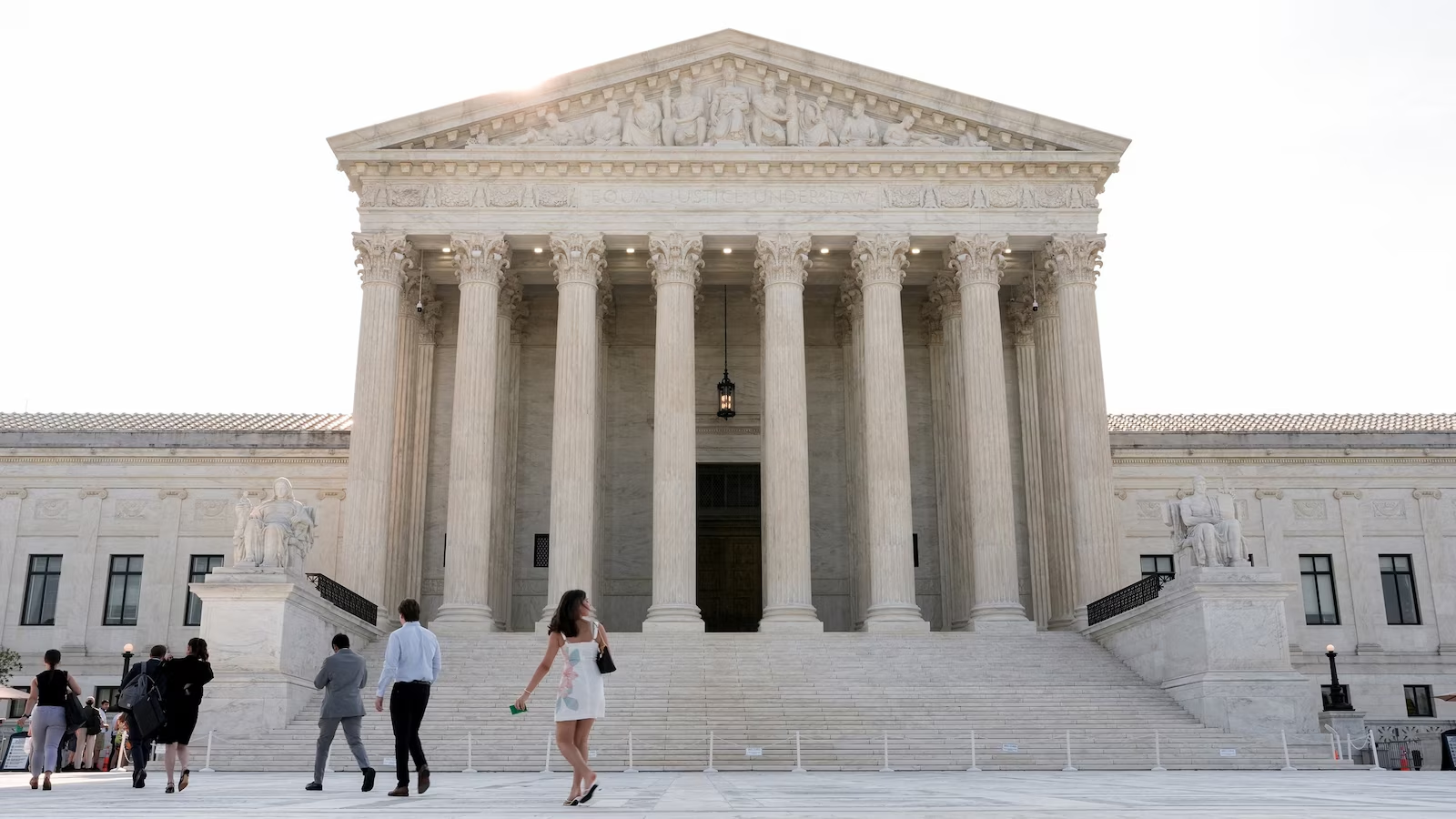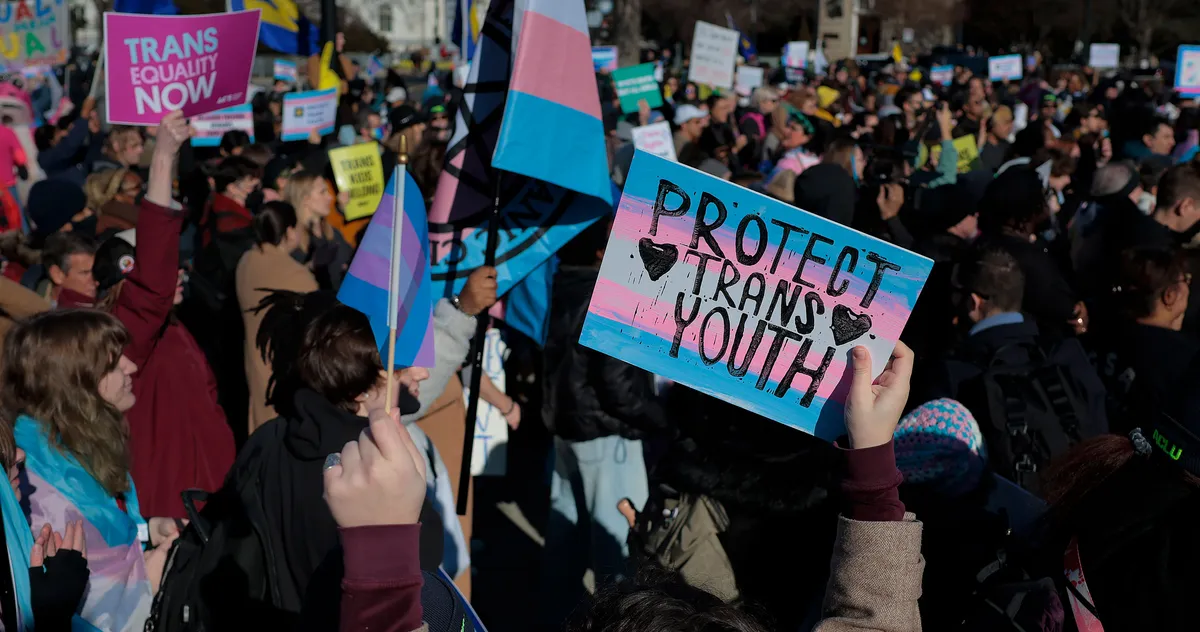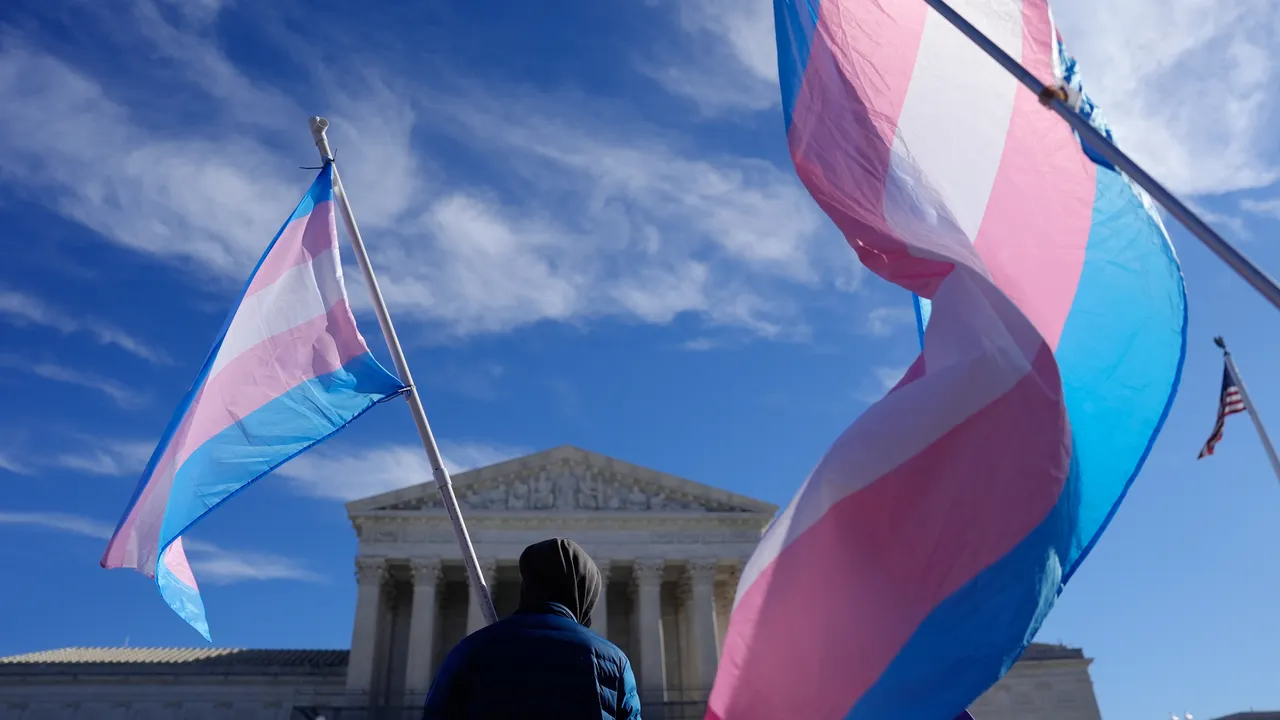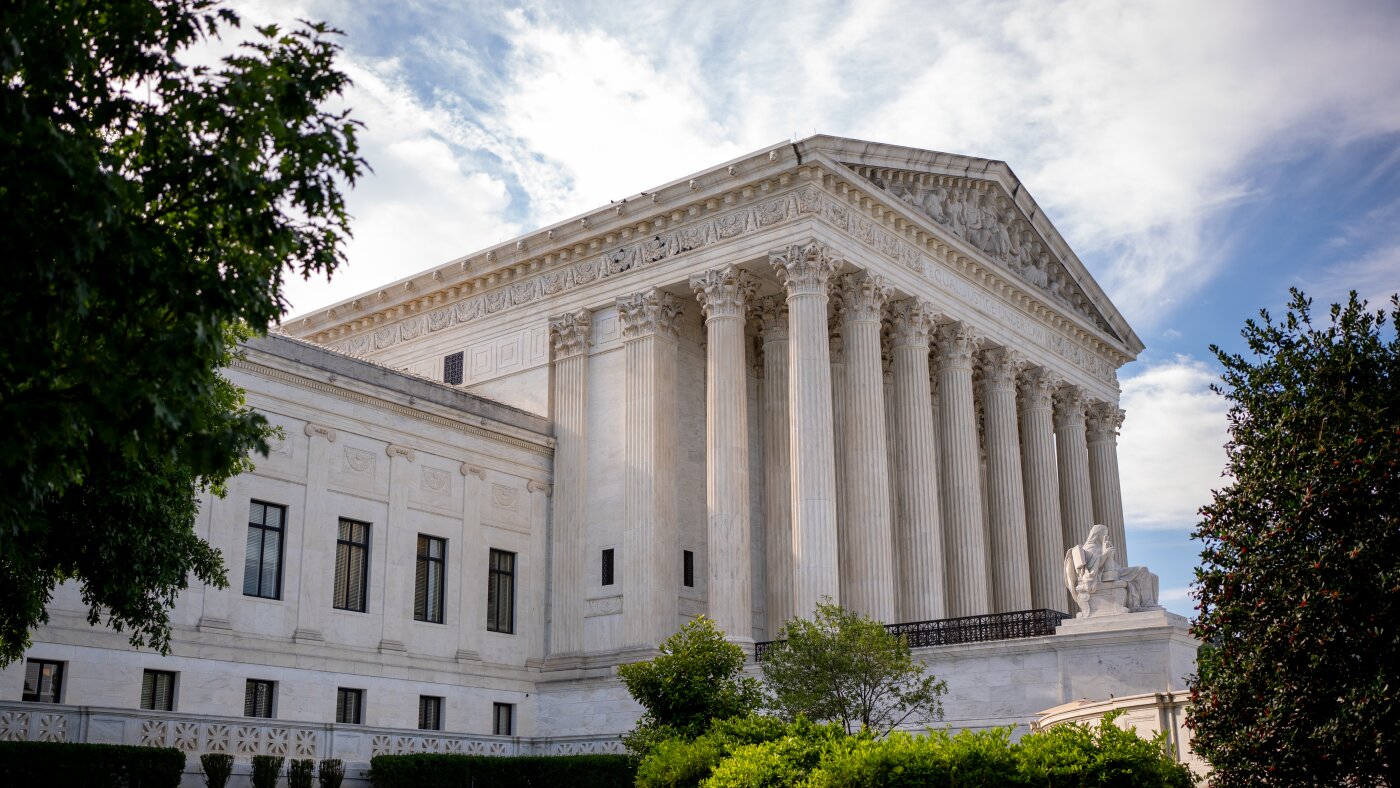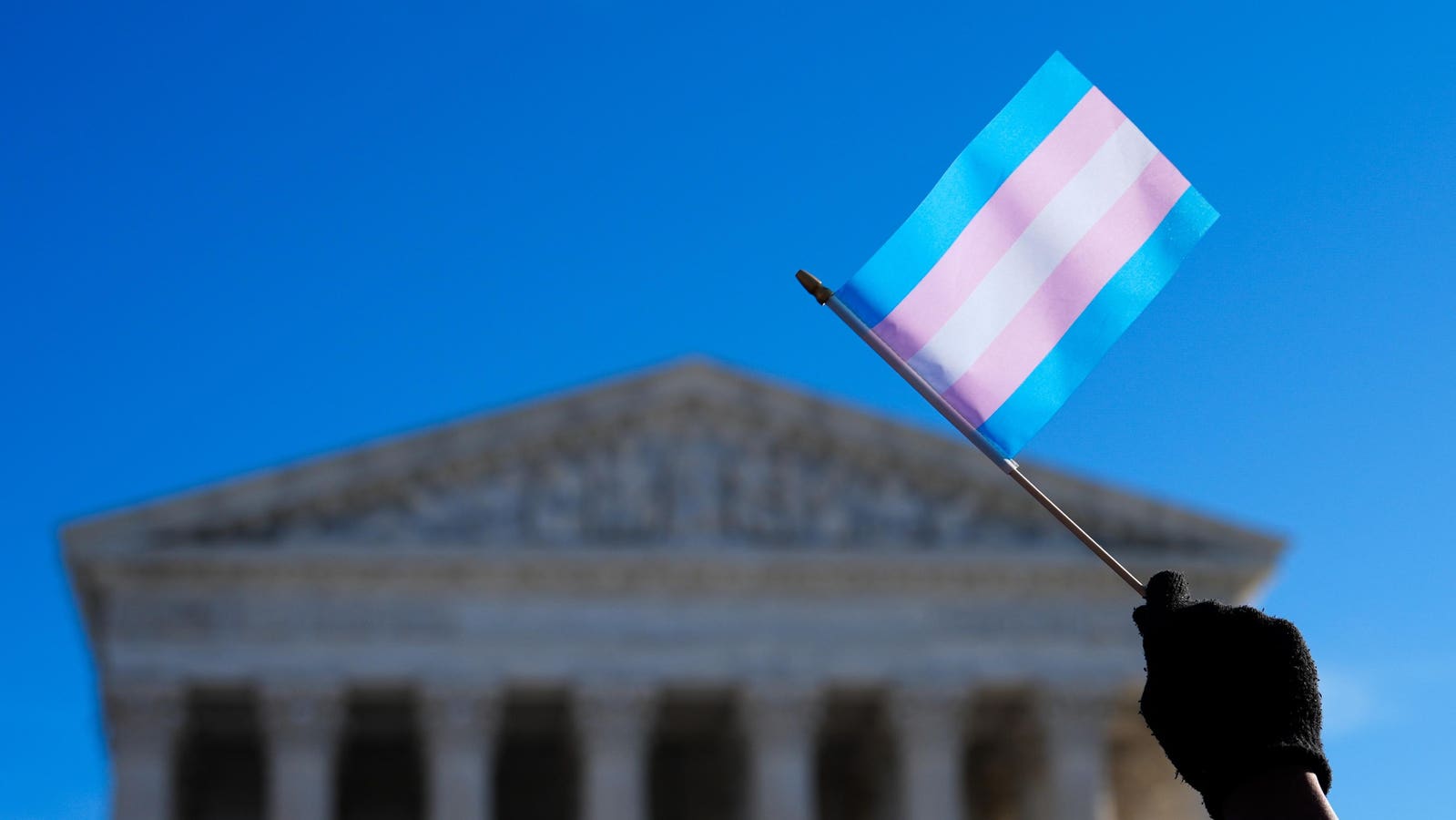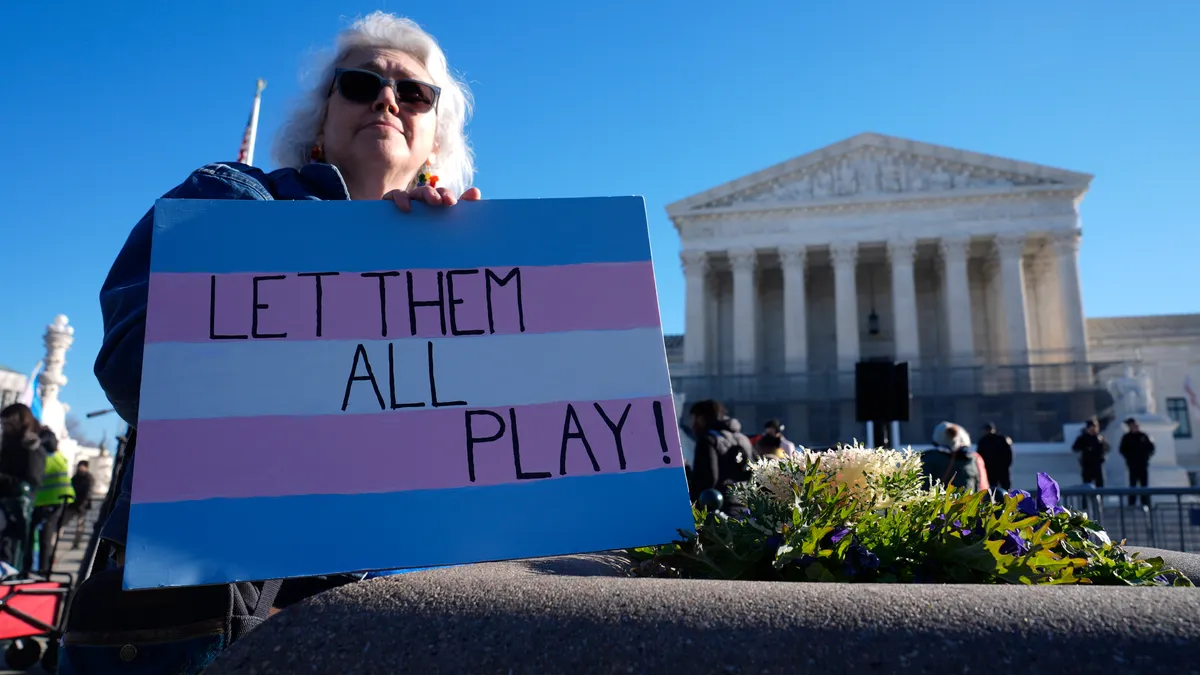
When the Supreme Court ruled on Tuesday that states can ban transgender girls and women from playing on female sports teams, they based their logic on the Constitution’s equal protection clause and Title IX, a federal antidiscrimination law that prohibits sex discrimination in schools. Justice Brett Kavanaugh, who authored the majority opinion, wrote that “legislatures and the schools are better equipped” than the courts to make determinations around trans athletes’ participation on school sports teams.Now a key question hangs over what comes next: How exactly will states, schools and sports officials determine whether a student athlete is a woman or a girl, under the court’s ruling? LGBTQ+ advocates expressed concern that the ruling could lead to invasive questioning of both transgender and cisgender athletes alike.“I am absolutely concerned that this ruling opens the door to more intrusive scrutiny to all students that don’t fit gender norms, in particular gender nonconforming and Black students,” Kel O’Hara, a senior attorney at Equal Rights Advocates, told HuffPost Tuesday afternoon. As of June 2026, 27 states have enacted bans on trans athletes, with varying requirements to “prove” a student’s gender. Idaho’s law, for example, allows anyone to raise a claim disputing a student-athlete’s sex, which would require the student to see a doctor to verify their sex based on their reproductive organs, testosterone levels or genetics. These types of laws in school sports have already targeted both trans and cisgender girls.In 2022, a cisgender girl in Utah was investigated after she won a high school swimming competition because the parents of another swimmer filed complaints questioning her gender. In 2024, a Utah school board member falsely suggested that a different cisgender girl on the basketball team was trans. “We’ve already seen what this looks like. Athletes are singled out because they are taller, or stronger, or have short hair. If you don’t fit the expectation of what someone thinks a girl or woman should look like, then you could face harassment,” Sam Lau, vice president of communications at the Human Rights Campaign, told HuffPost. While the ruling said schools may determine eligibility for women’s sports based on “biological sex,” the majority did not define the phrase “biological sex,” which advocates say skirts the responsibility of the actual harm these laws will cause.O’Hara says the use of the term “biological sex” reflects that the justices are choosing to interpret Title IX with an outdated definition of sex as it was understood in 1972, when it was enacted by Congress as sex assigned at birth — and not with the more recent understanding of biology, which illustrates a diversity among gender and sex. “The policing of gender will now be allowed to stand in schools,” O’Hara said. “My prediction is that given that particular [Idaho] law was challenged and upheld, that will signal an increased reliance on medical verification as an enforcement mechanism.” Several state laws banning trans athletes also require students to provide documentation, such as an original birth certificate or sworn affidavit from a medical provider, or engage in annual physical exams in order to verify a student’s sex. “Today’s decision encourages harmful, intrusive, and humiliating sex verification testing for all women and girls,” Anya Marino, the chief programs officer at Advocates for Trans Equality, said in a statement. “Any girl that does not conform to arcane sex stereotypes or who excels in athletics risks this type of testing. These policies will deter women and girls and decrease women’s and girls’ participation in athletic programs.”President Donald Trump also embraced the terminology of “biological sex” in an executive order that he signed last year, which defined sex as binary and immutable. He has used this order as a means to threaten federal funding and investigate schools that have trans-inclusive athletic policies. Tuesday’s ruling is just part and parcel of that push, advocates say. “Today’s decision is another painful reminder that transgender young people continue to be used as political pawns in a manufactured culture war,” David Johns, CEO and executive director of the National Black Justice Collective, said in a statement. “Let’s be clear: this has never really been about sports. It has always been about whether our transgender siblings, brothers, sisters, and babies deserve the same dignity, opportunities, and freedoms as everyone else.” RelatedSupreme CourtLGBTQCivil RightsTransgendersports
Advocates Raise Alarm Bells About The Disturbing Implications Of SCOTUS' Trans Sports Ruling
"Harmful, intrusive and humiliating," one advocate warned.
712 words~3 min read