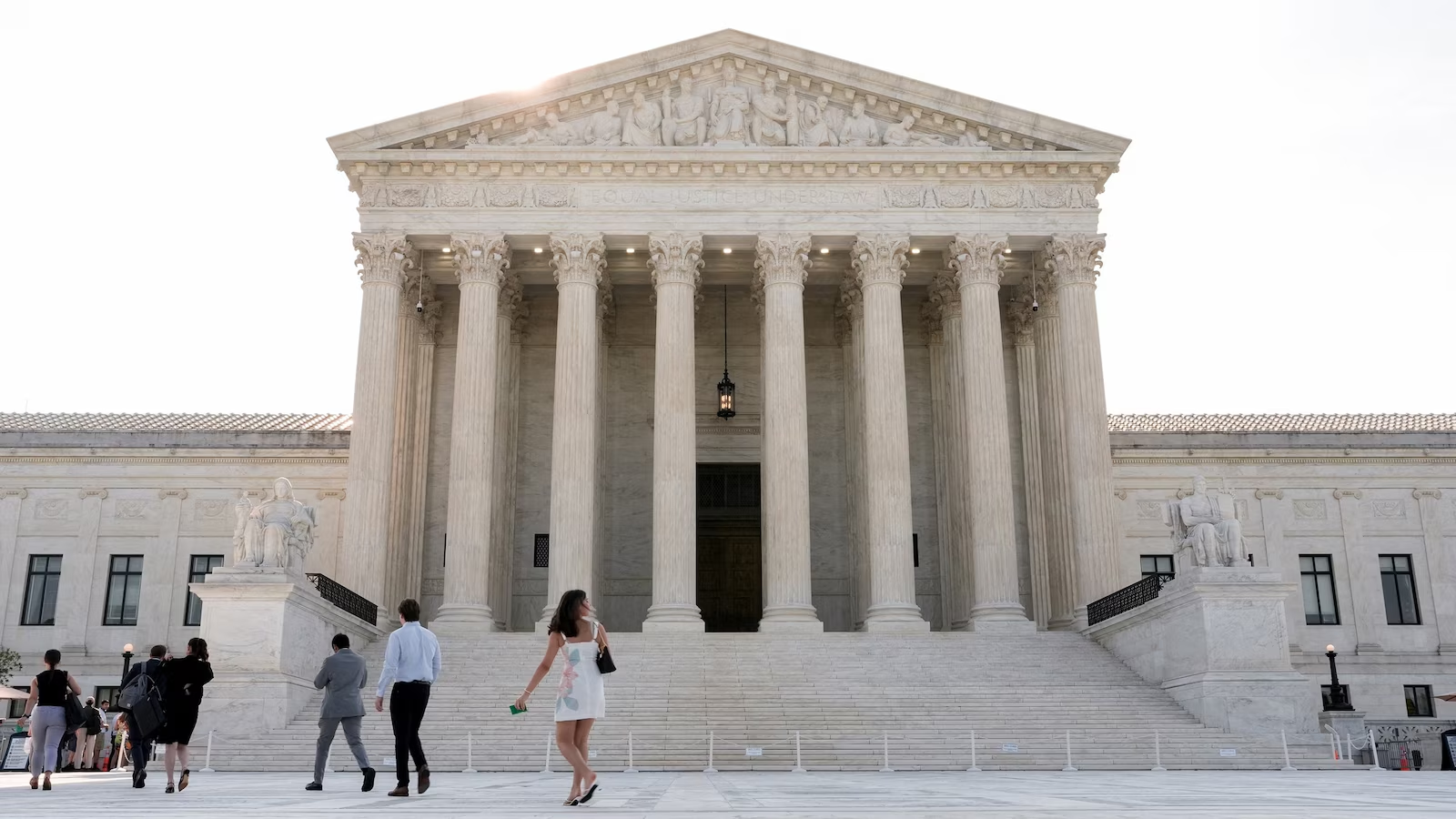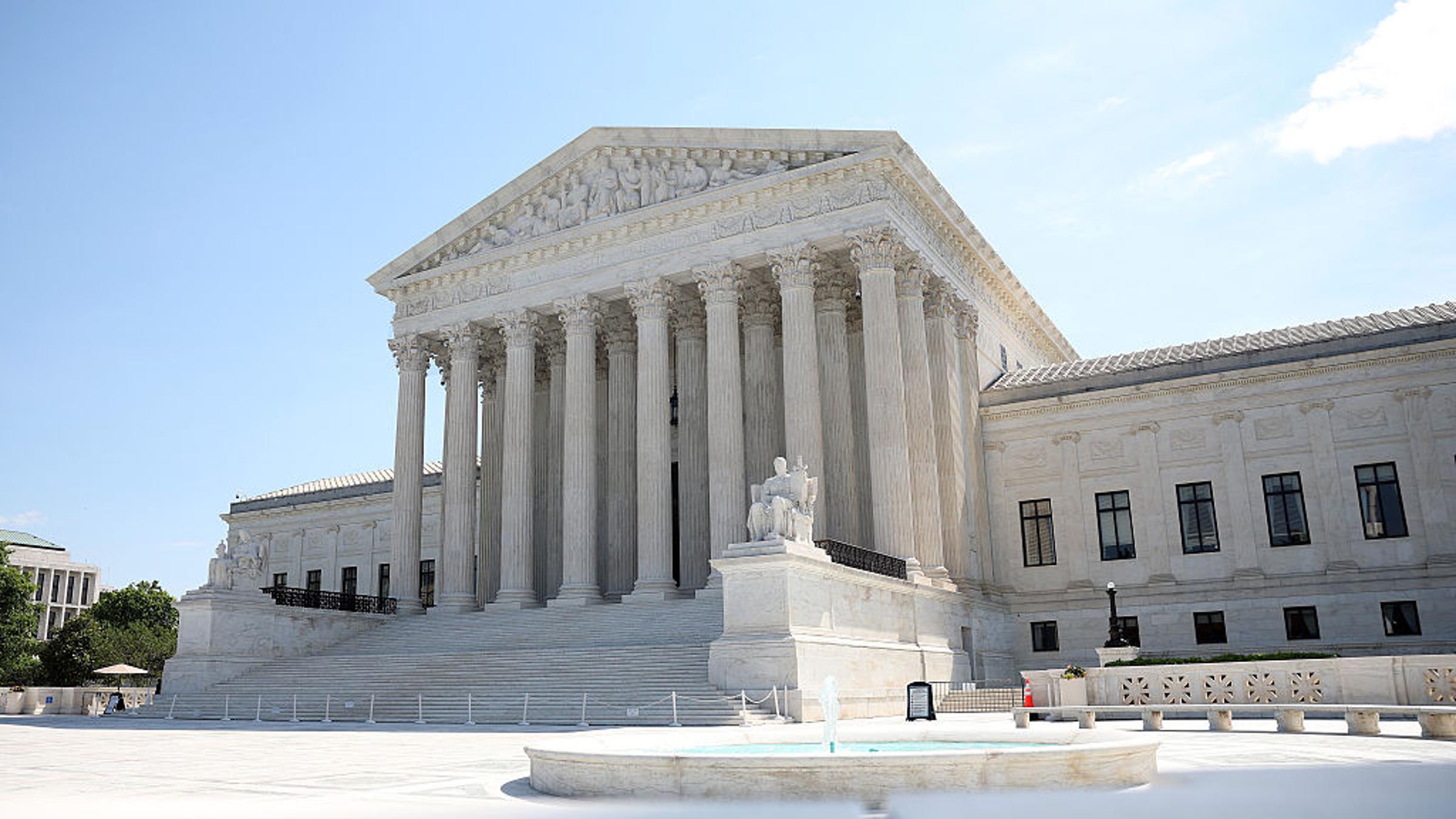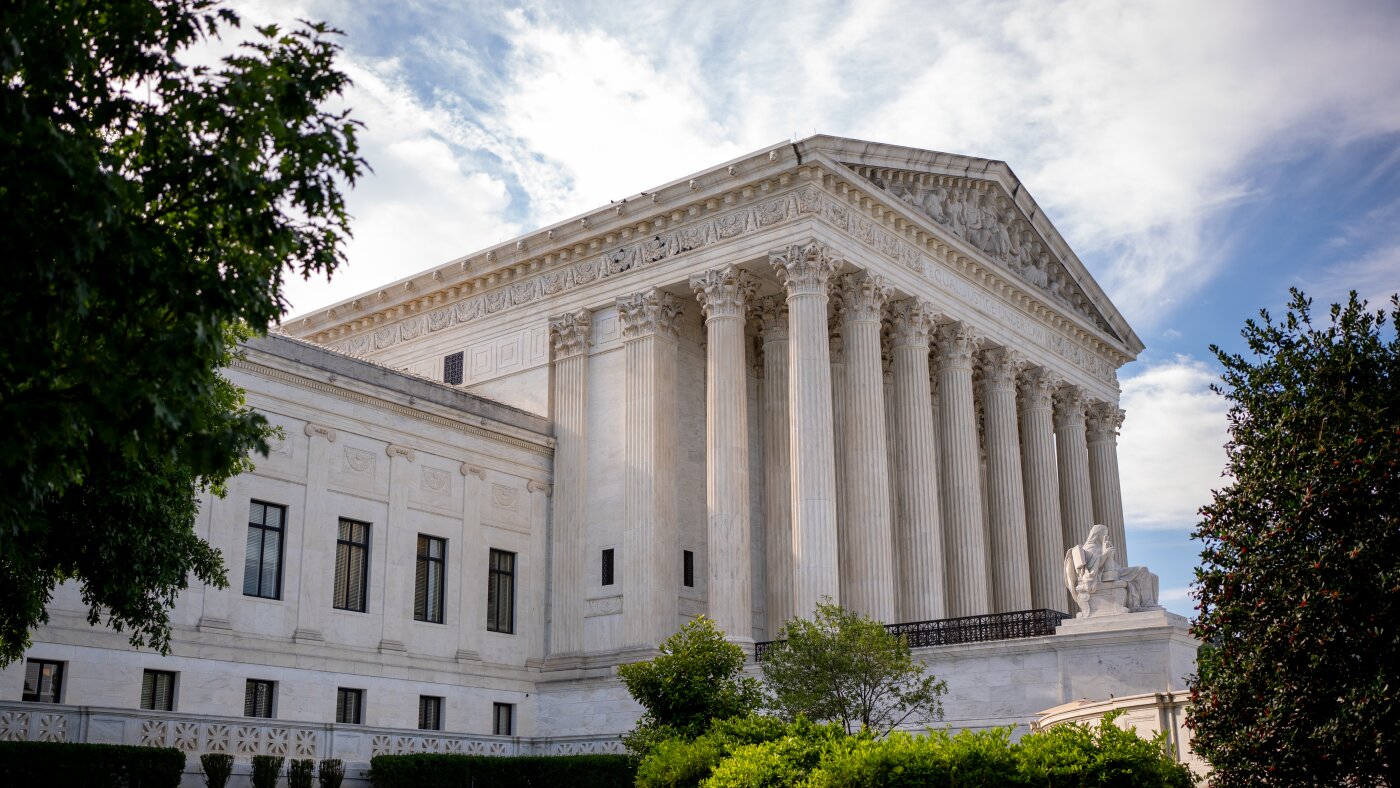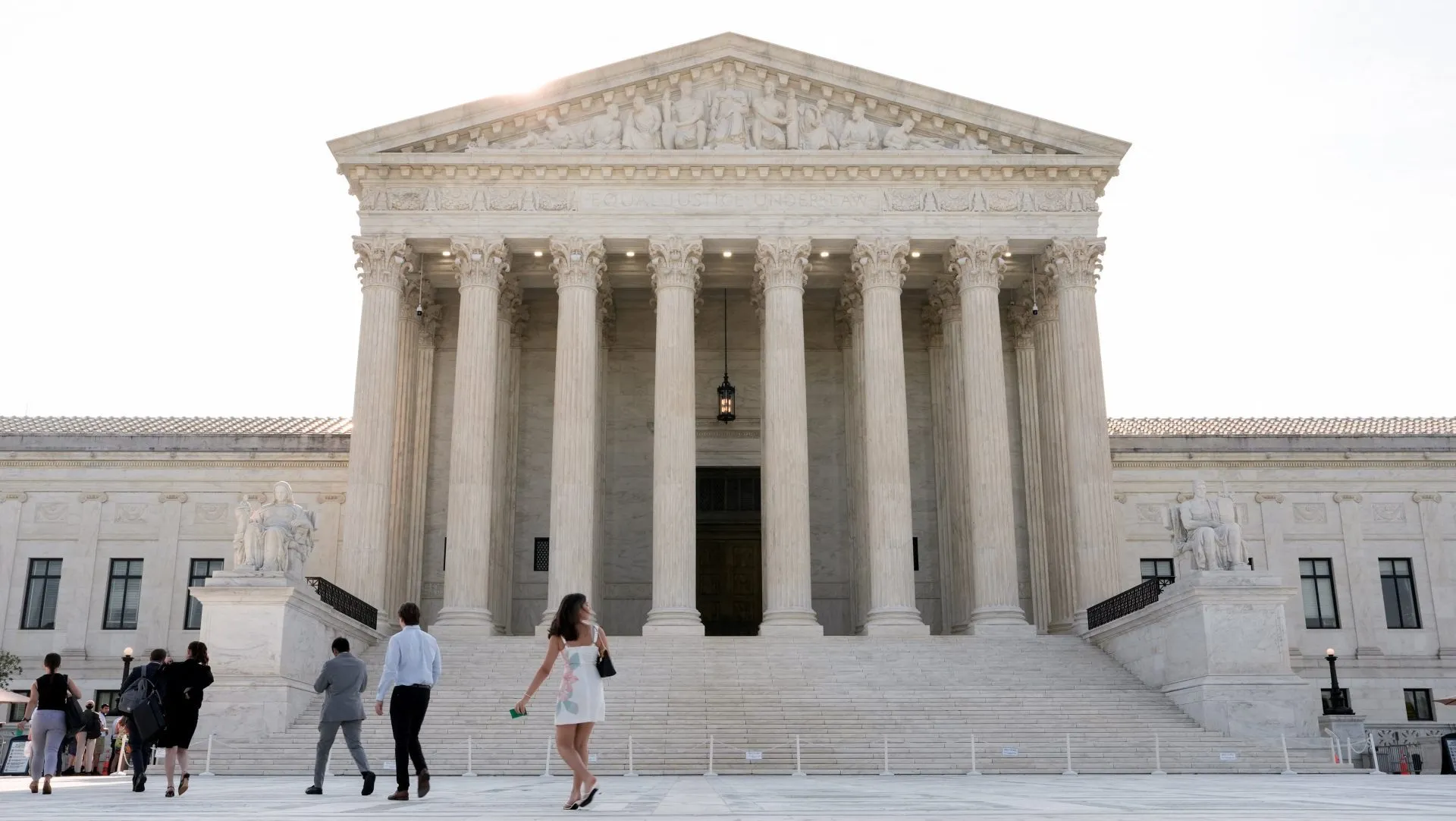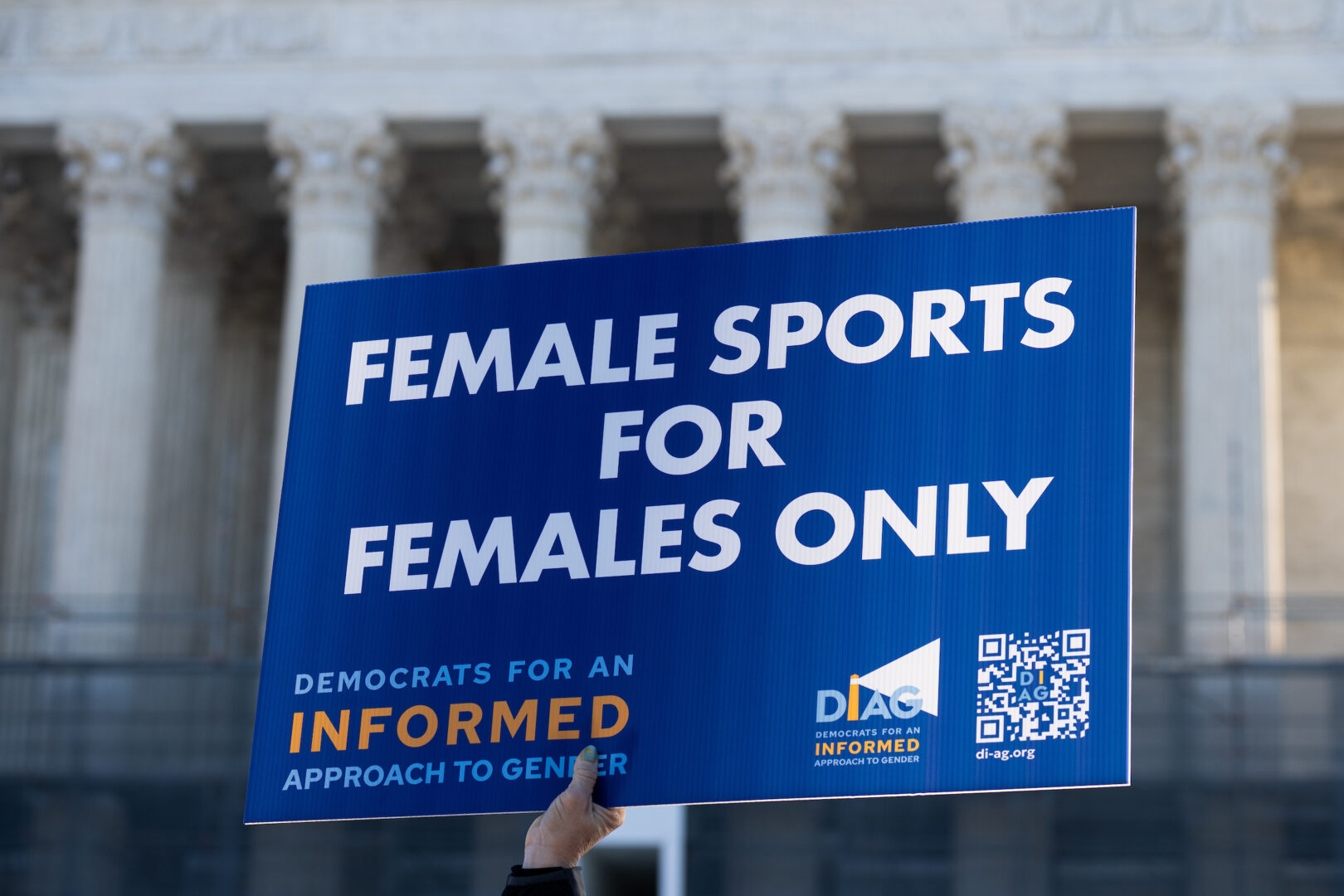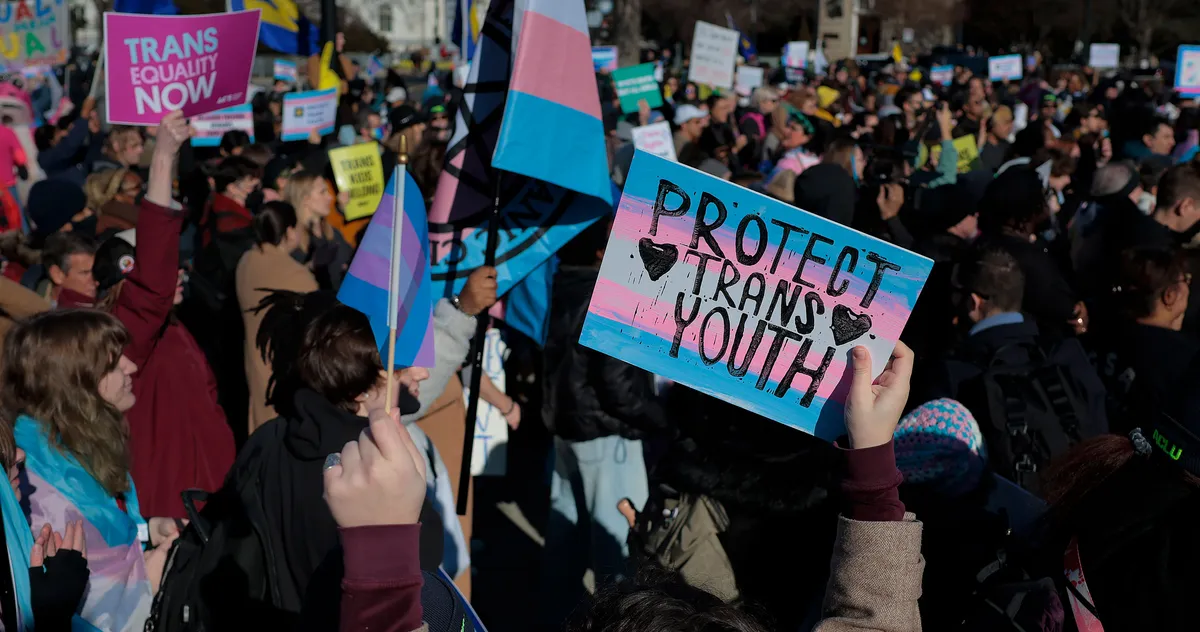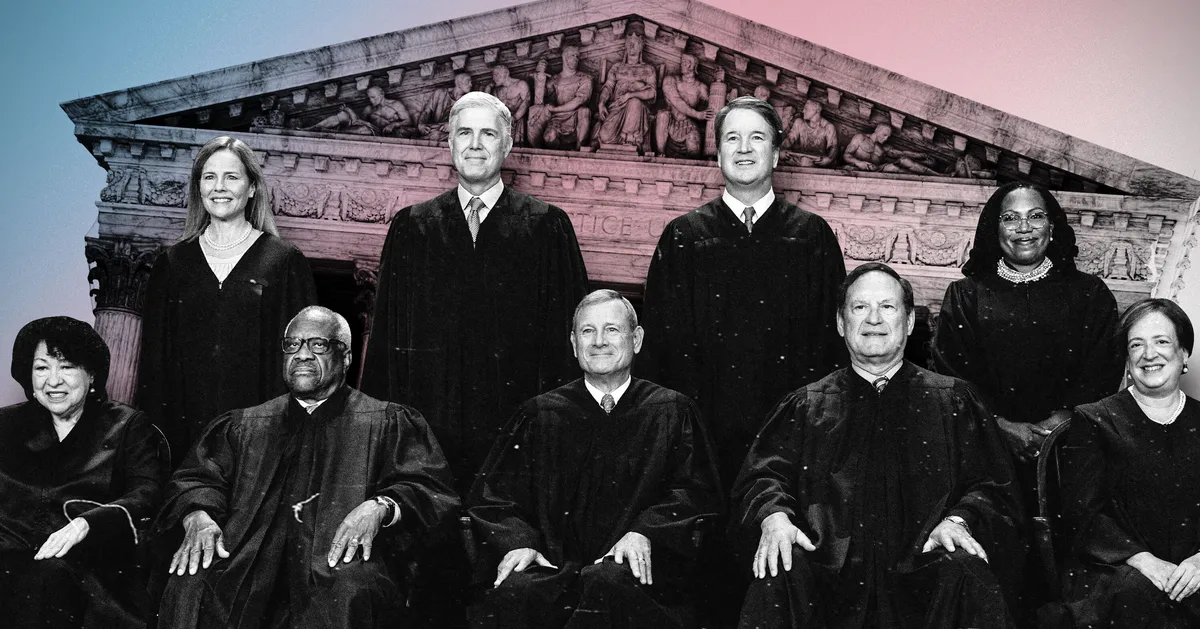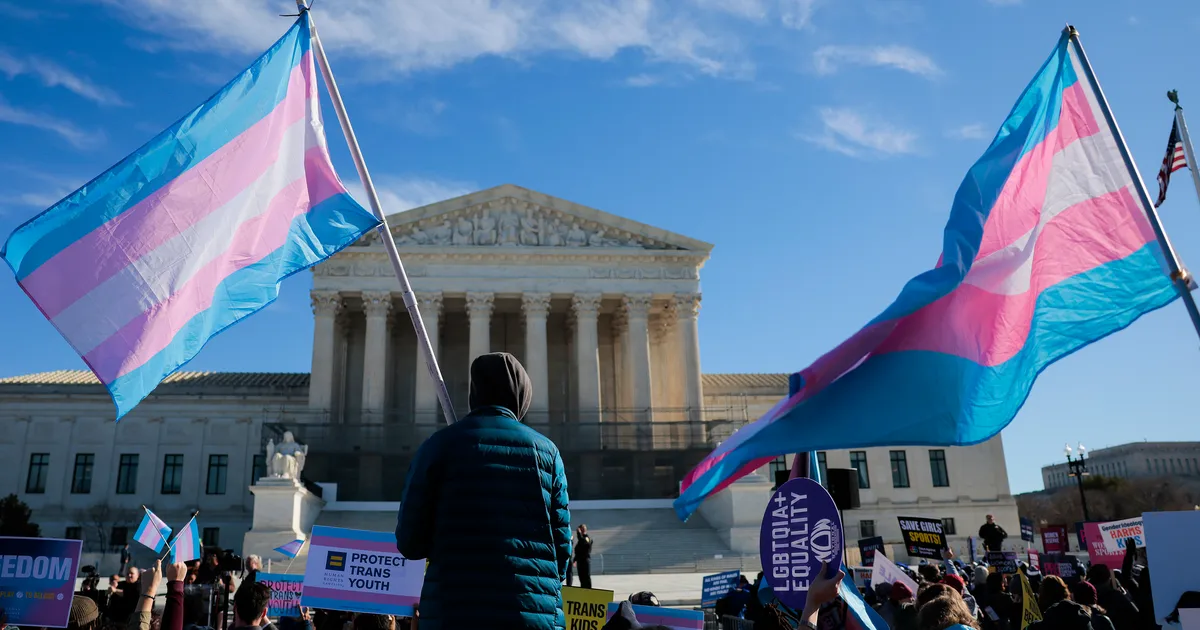
The Supreme Court on Friday ruled that Title IX, the federal gender equity law, allows bans on trans girls’ and women’s participation in female school sports to stand.Justice Brett Kavanaugh wrote the 6-3 decision, which combined two cases, West Virginia v. B.P.J. and Little v. Hecox. He was joined by Justices John Roberts, Samuel Alito, Neil Gorsuch, and Amy Coney Barrett. “The question before the Court is: Under Title IX and the Equal Protection Clause of the Fourteenth Amendment, may schools maintain women’s and girls’ sports for biological females? In other words, may schools determine eligibility for women’s and girls’ sports based on biological sex? The answer is yes,” Kavanaugh wrote.The more liberal justices concurred in part and dissented in part.The Hecox case arose in 2020 when Idaho became the first state in the nation to pass a ban on trans girls’ and women’s participation in women’s athletics. That year, Lindsay Hecox, a trans woman who was then a first-year student at Boise State University, challenged Idaho’s law, claiming it violated her rights to equal protection under the 14th Amendment. Hecox won both her cases in the district court and the 9th U.S. Circuit Court of Appeals, before the Supreme Court granted Idaho’s petition to hear the case in July of last year. Hecox has since asked the court to consider her case moot because she no longer plays or intends to play any sports. She said in her brief to the Supreme Court that she feared for her safety and ability to graduate as the subject of a high-profile case.The other case, West Virginia v. B.P.J., examined a similar law and alleged that West Virginia’s ban also infringes on the gender equity law Title IX. In both cases, the lawyers for the plaintiffs expressed fairly modest claims. They argued that only trans women and girls who have undergone hormone therapy should be allowed to play on women’s teams. Both Hecox and Becky Pepper-Jackson, the plaintiff in the other case, have done so.The conservative Christian legal group representing both Idaho and West Virginia, the Alliance Defending Freedom, tried to make the case to the court for broader restrictions on trans rights by arguing that transgender identity is not the same as sex, and therefore should not be covered by equal protection statutes that prohibit sex discrimination.LGBTQ+ advocates say anti-trans sports bans not only impact trans athletes but also open the door to invasive sex verification that can target anyone. Idaho’s law allows anyone to raise a claim disputing a student-athlete’s sex, which would require the student to see a doctor to verify their sex based on their reproductive organs, testosterone levels or genetics. So far, 27 states have passed bans on trans athletes’ participating in women’s sports. This is a developing story. Please check back for updates.
Supreme Court Delivers Blow To Trans Kids In Ruling On Sports Bans
Trans athletes urged the court to protect their right to be free from discrimination so they could play the sports they love and enjoy the same protections as others.
467 words~2 min read