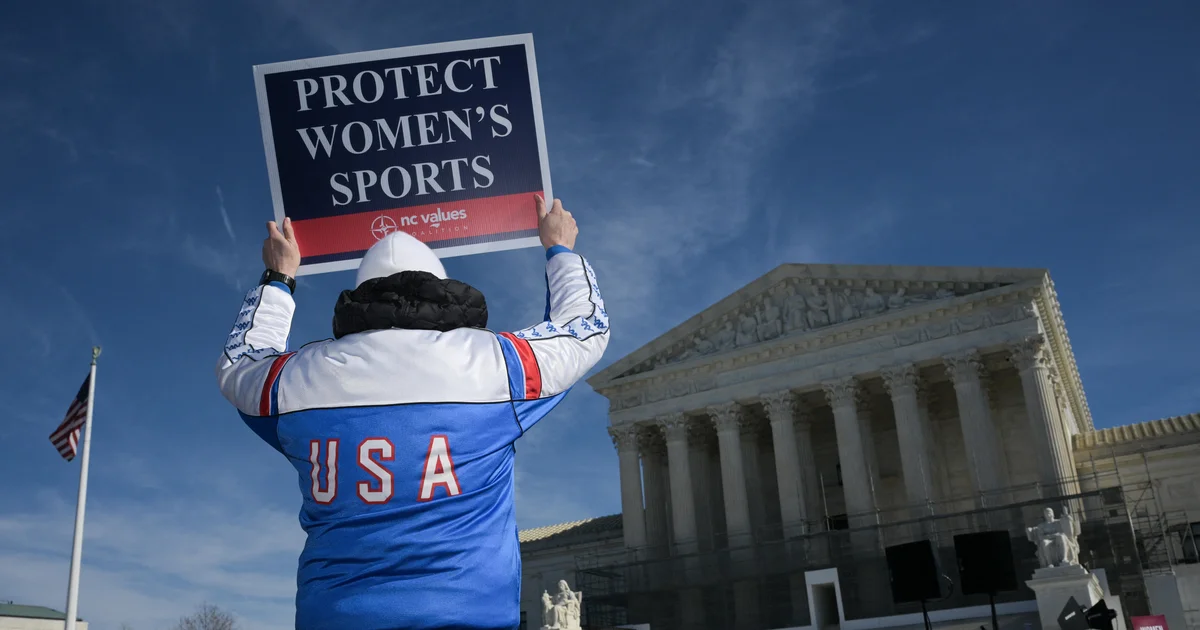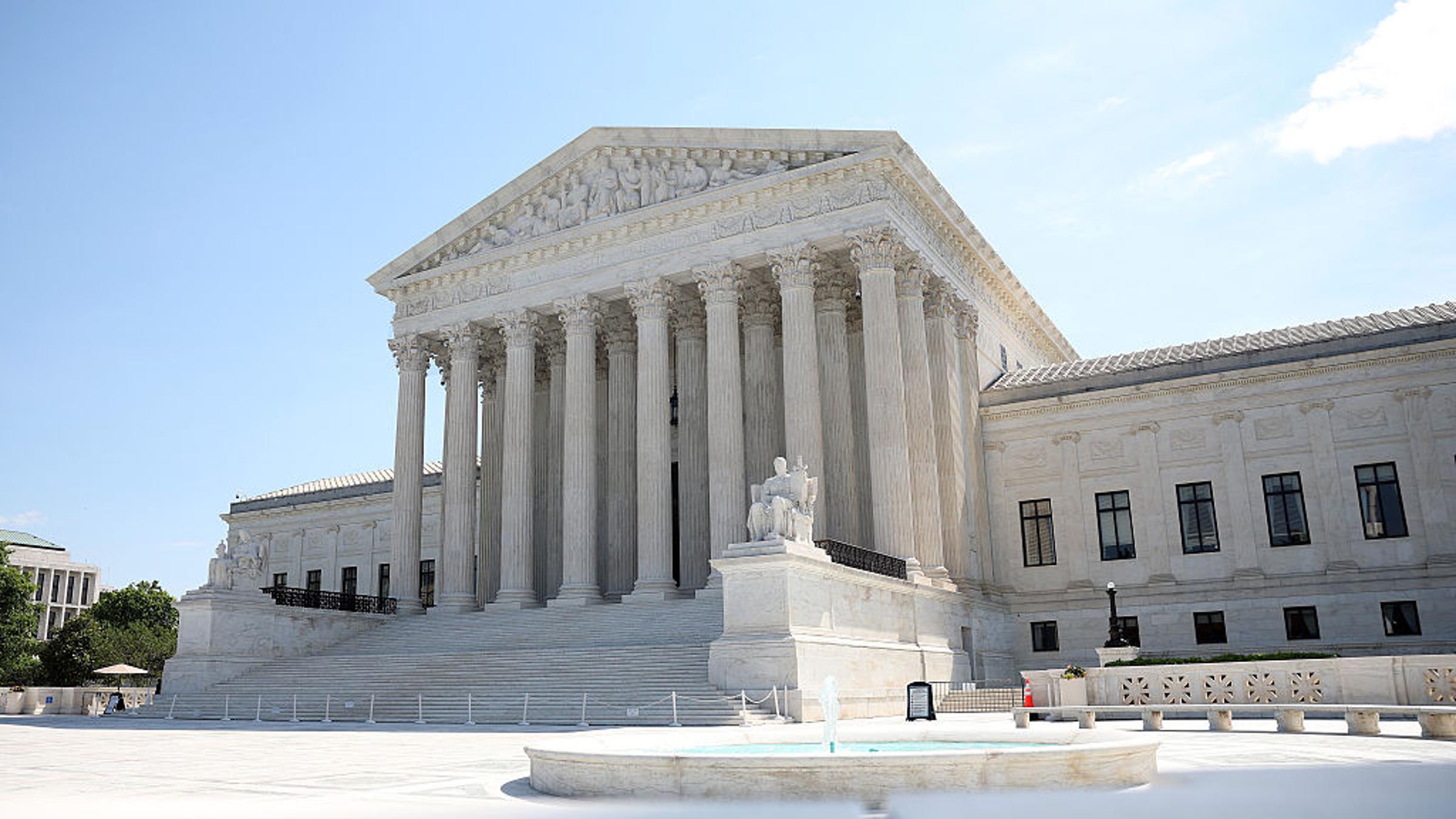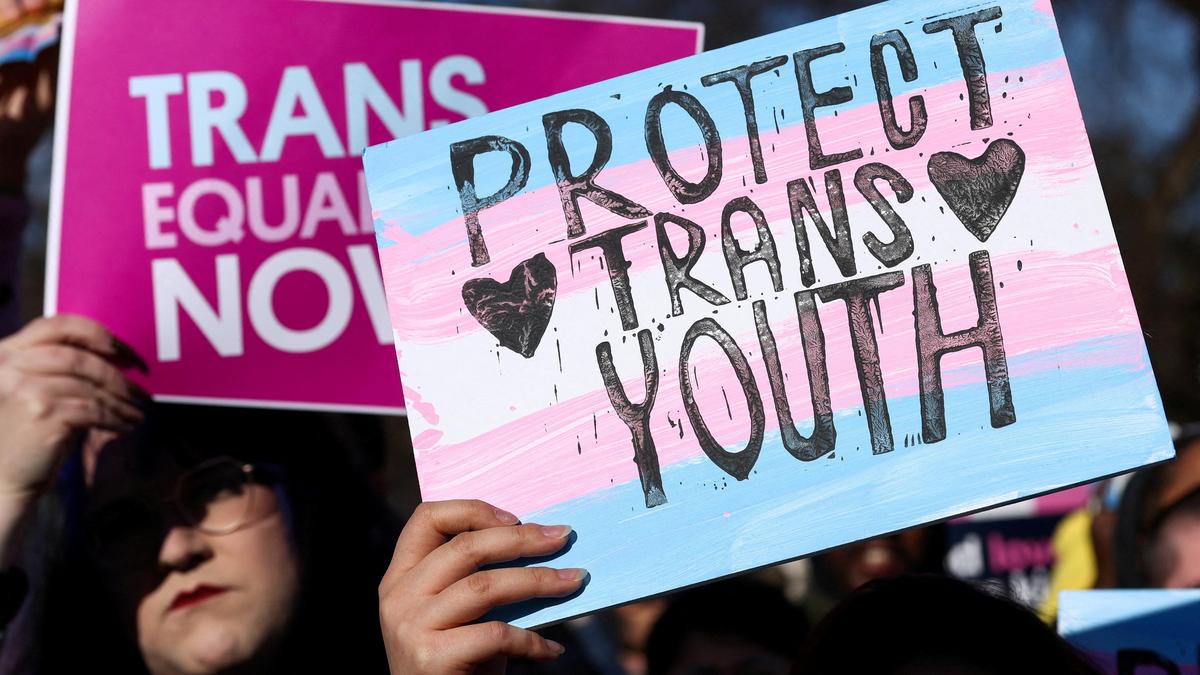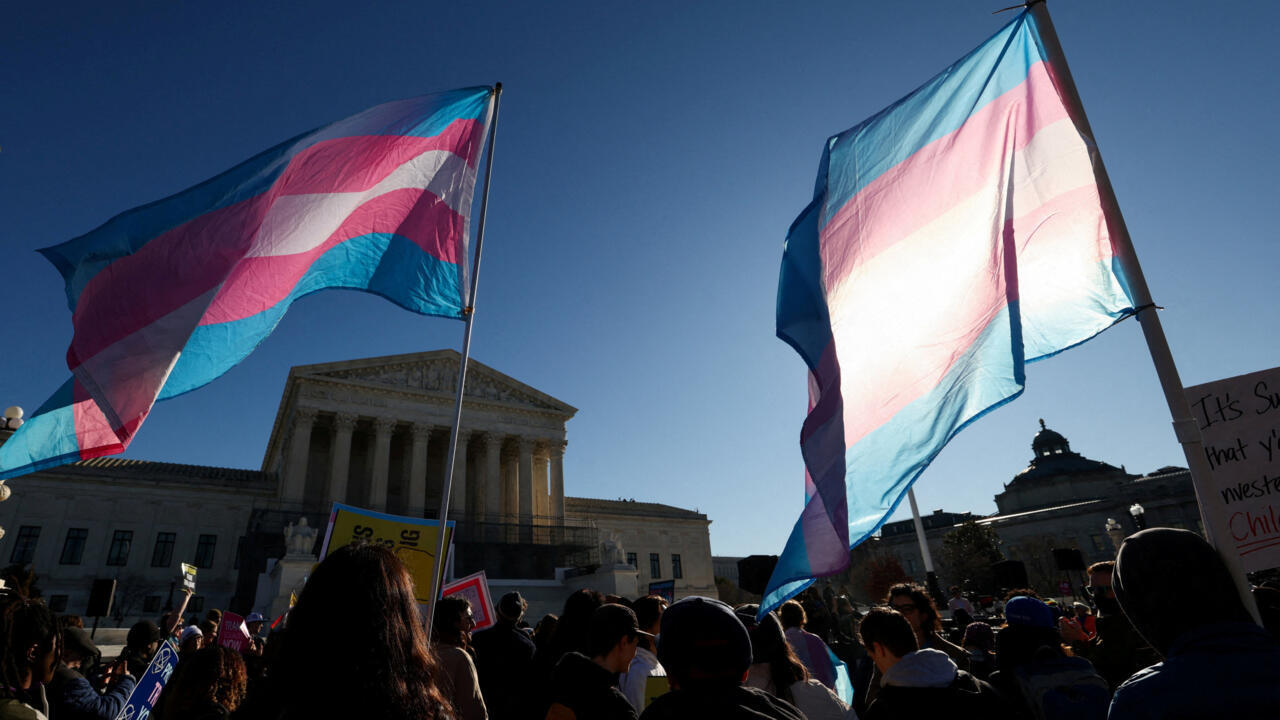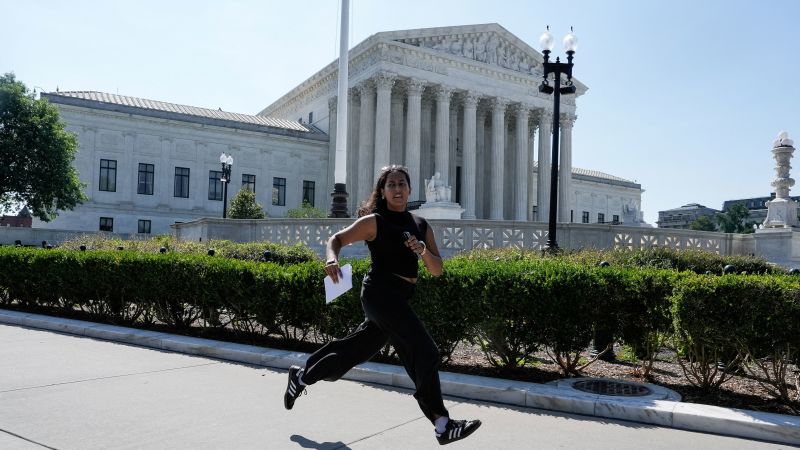
The Supreme Court on Tuesday upheld state bans on transgender students playing on girls sports teams, delivering another blockbuster setback to trans youth and their families in a decision that is likely to sustain similar laws in about half of the nation.
In a 6-3 decision over the dissent of the court’s liberals, the conservative majority ruled that the bans enacted by West Virginia and Idaho do not violate the Constitution’s equal protection clause, and the court unanimously agreed it did not run afoul of a federal anti-discrimination law.
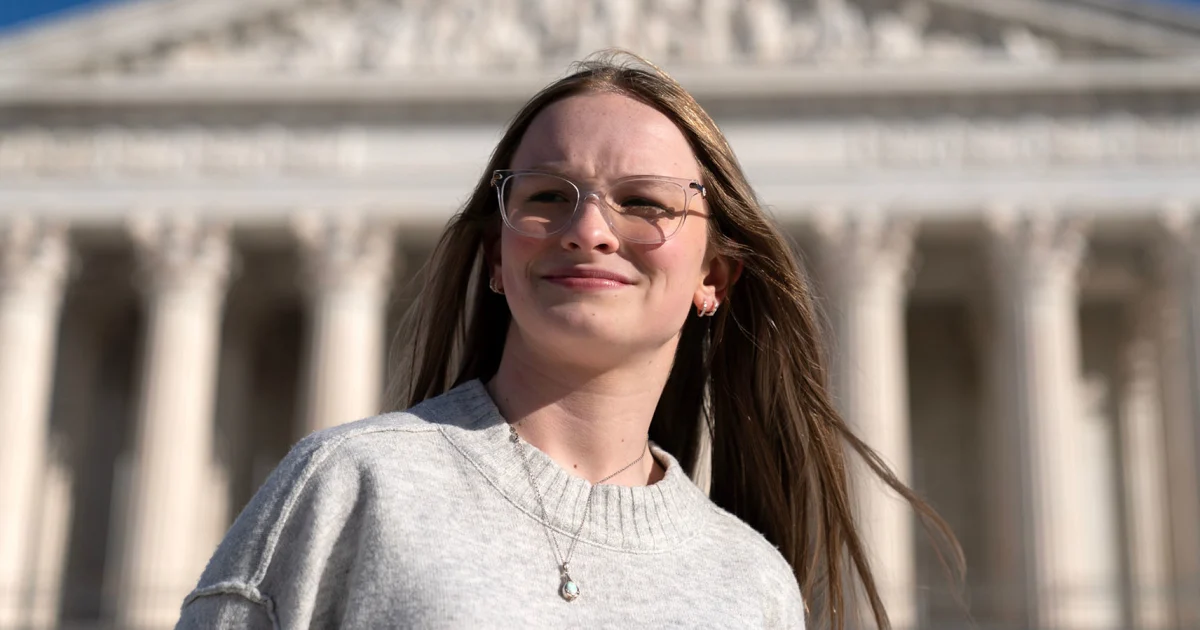
The lawsuits were filed by Becky Pepper-Jackson, a West Virginia high school student who is transgender and who competes on her school’s track team, and Lindsay Hecox, a senior at Boise State University.
Here’s what to know about the court’s decision in what was arguably its most important culture war dispute of the year.
The central element of the Supreme Court’s decision, which divided the court 6-3, was that the bans on transgender girls competing on girls sports teams did not run afoul of the 14th Amendment.