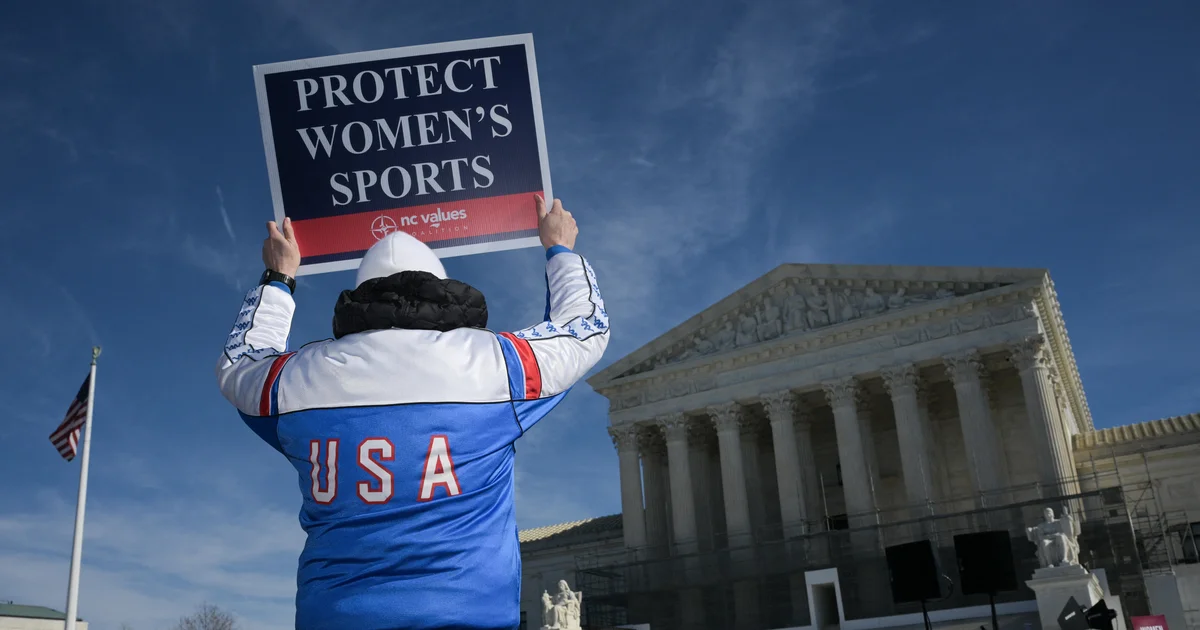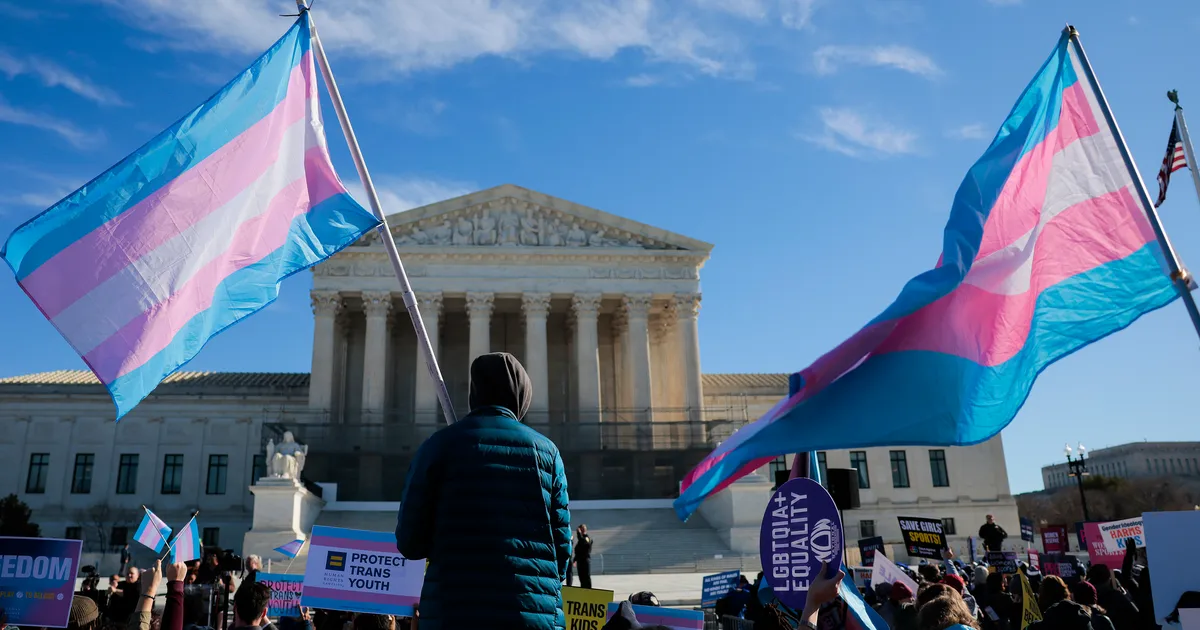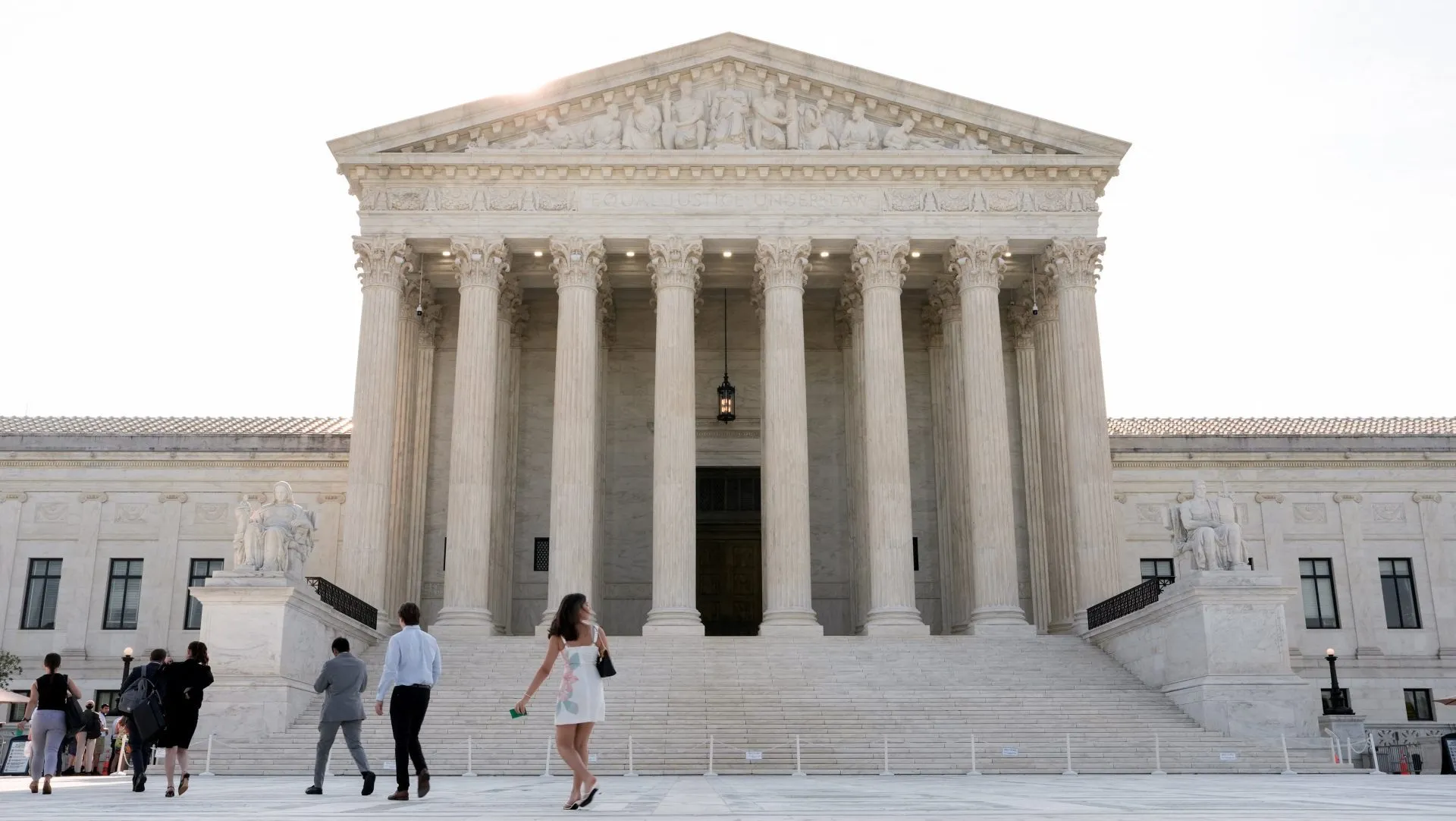
The Supreme Court on Tuesday issued a decision that allows states to bar trans athletes from competing on women’s and girls’ sports teams.
The two cases at the center of the opinion—Little v. Hecox, originally filed in Idaho, and West Virginia v. B.P.J.—focused on what the plaintiffs argued were violations of Title IX, which bars educational programs that receive federal funding from discriminating based on sex, and the 14th Amendment. The court ruled against the plaintiffs in both cases, upholding the state laws that prevent trans athletes from playing on women’s and girls’ teams.
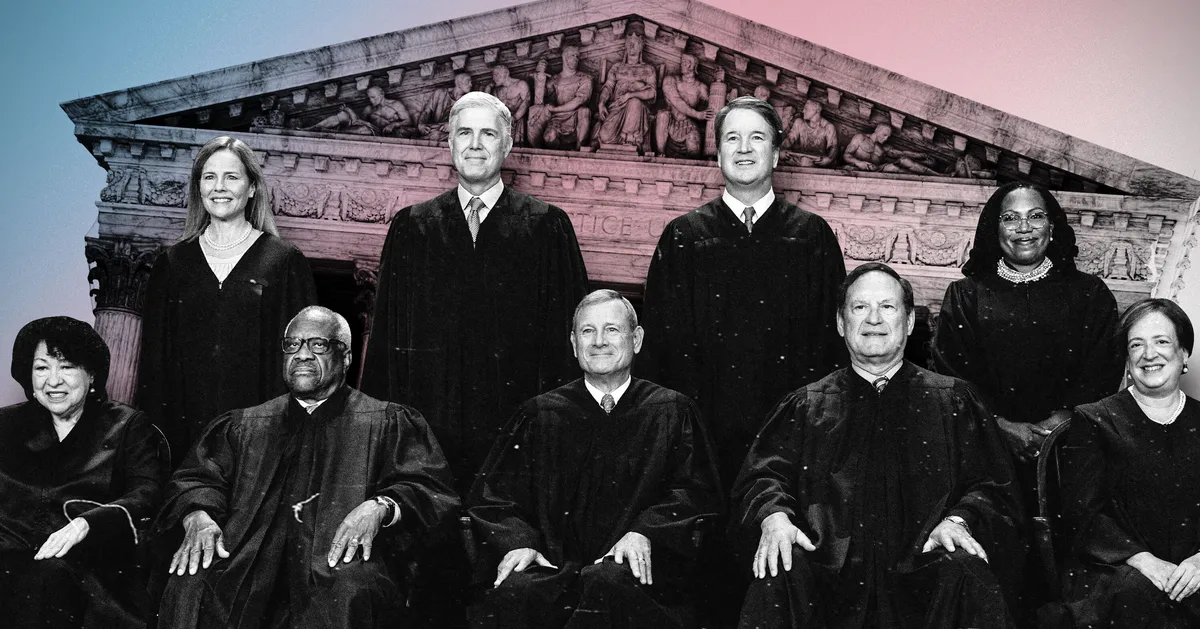
The opinion, written by Justice Brett Kavanaugh, said West Virginia did not violate Title IX when it determined plaintiff B.P.J, a transgender girl, could not participate on her school’s girls’ track team. The decision says because Title IX explicitly allows states and schools to create male and female teams, the laws do not violate federal statute.
The court announced one consolidated opinion that also sided with the defendants in Little v. Hecox. Chief Justice John Roberts and Justices Clarence Thomas, Samuel Alito, Neil Gorsuch, and Amy Coney Barrett joined Kavanaugh’s opinion.
Justice Sonia Sotomayor shared a concurring opinion in part and dissenting in part. She was joined by Justices Elena Kagan and Ketanji Brown Jackson. Sotomayor writes that B.P.J.’s Title IX claim fails, but disagrees with the majority’s opinion in regards to her equal protection claim. She argued that unresolved factual questions lead the court to be unable to accurately assess the merits of B.P.J. ‘s claim and said the court should let the district court address the uncertainties.