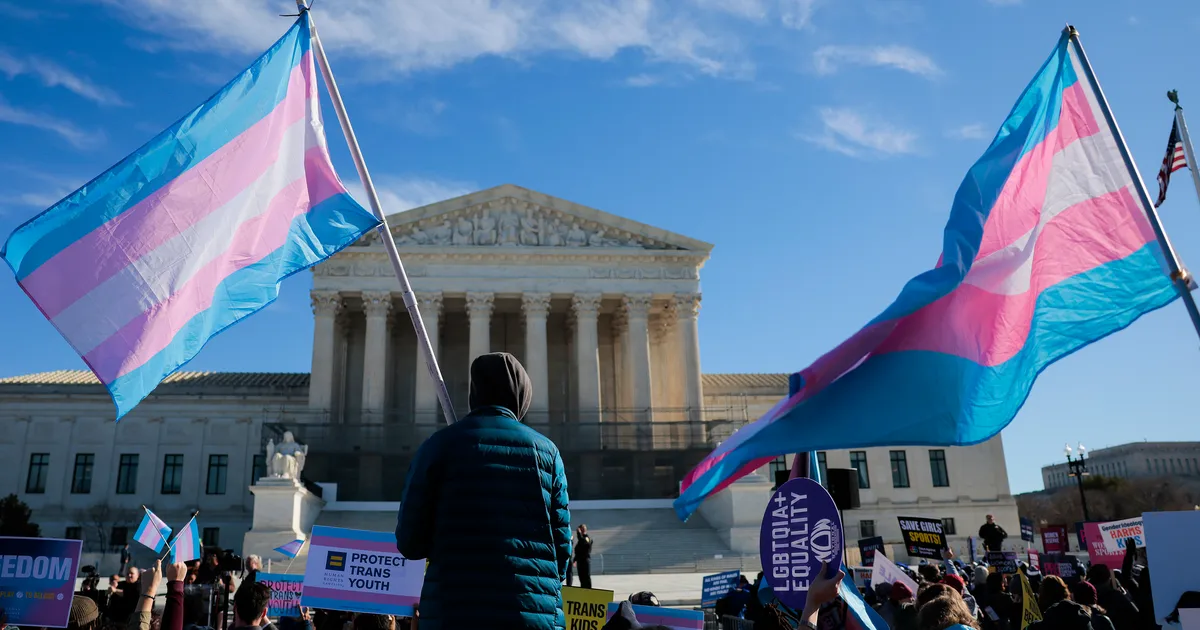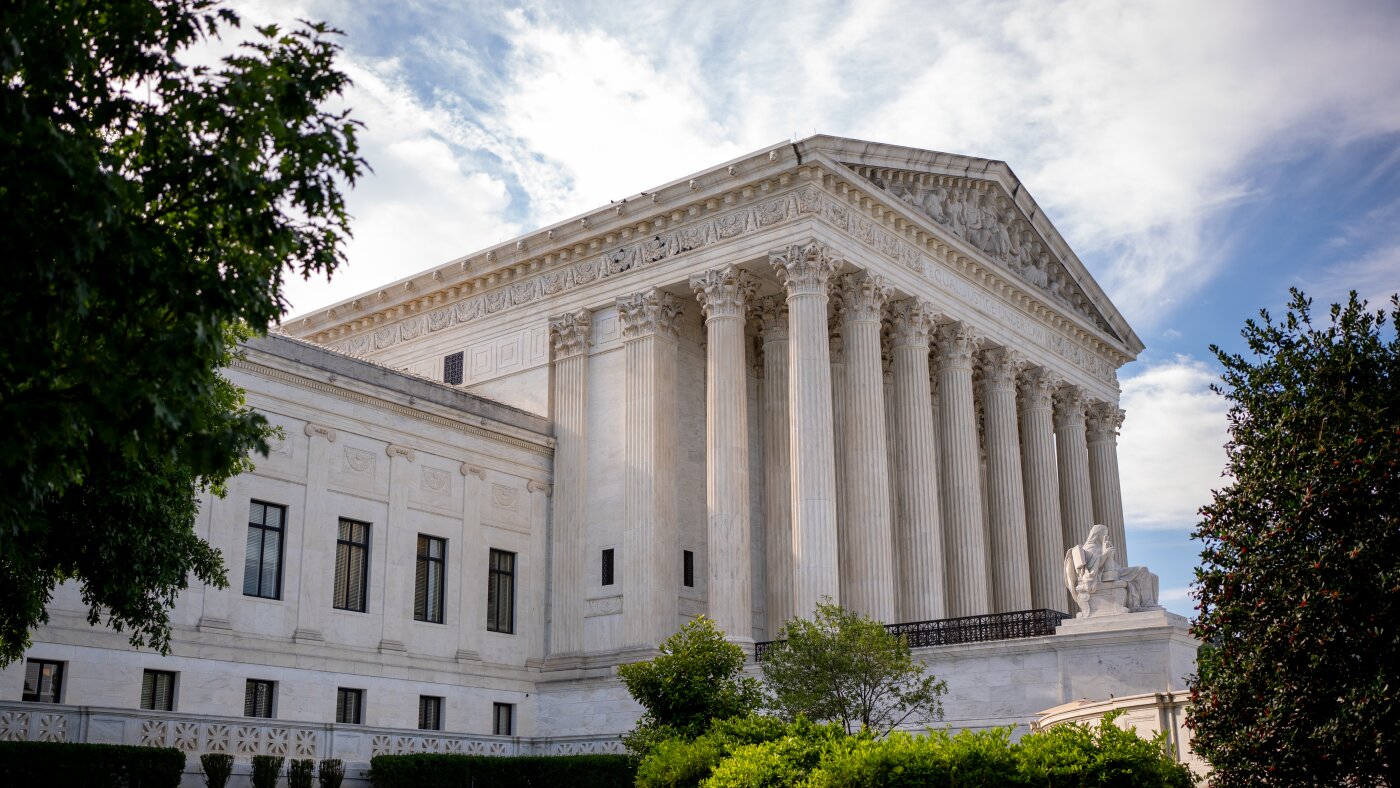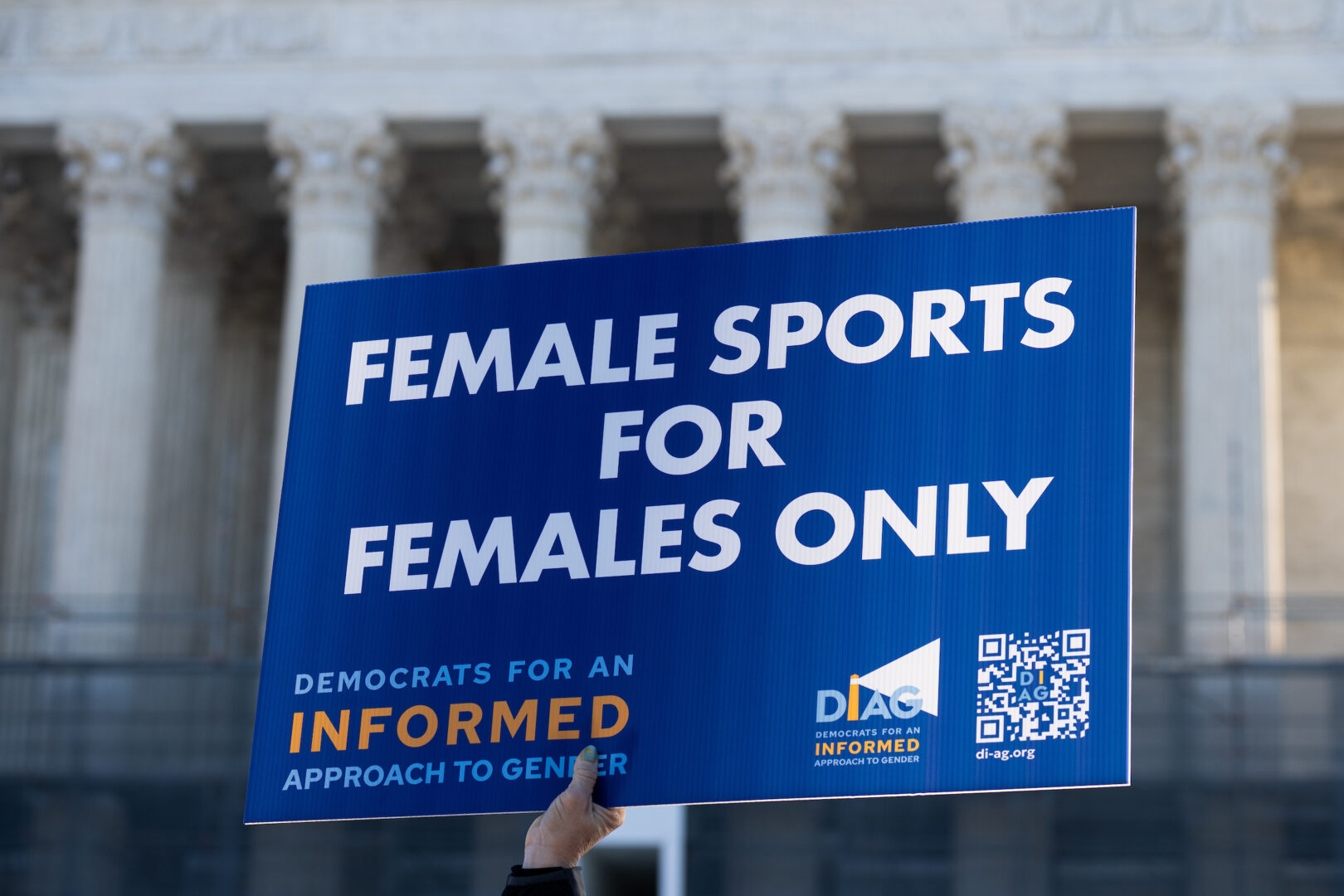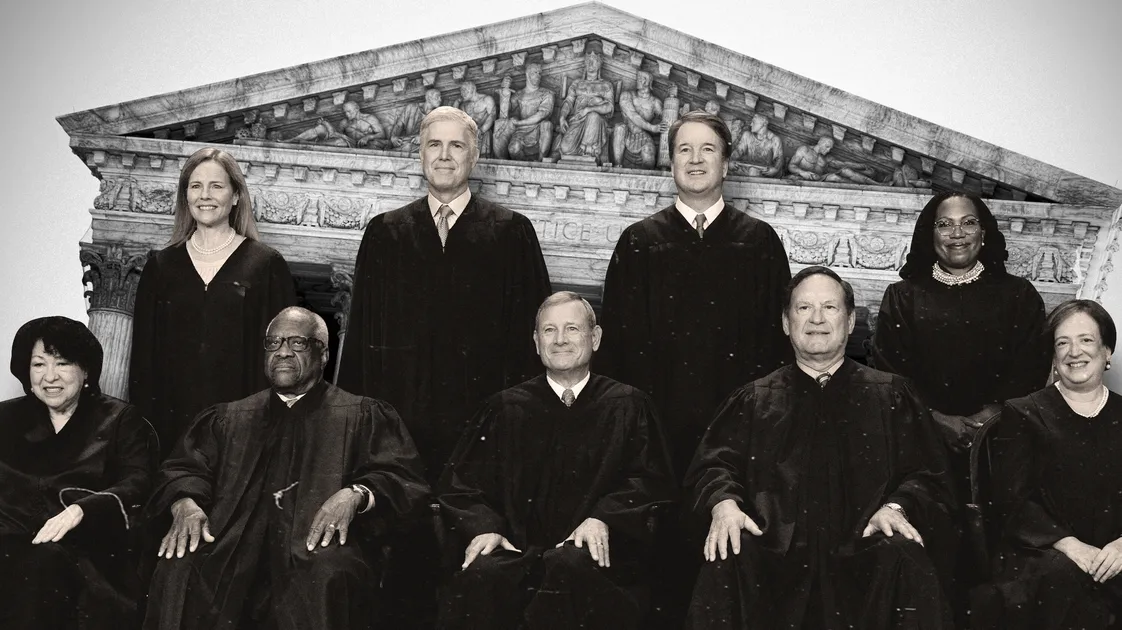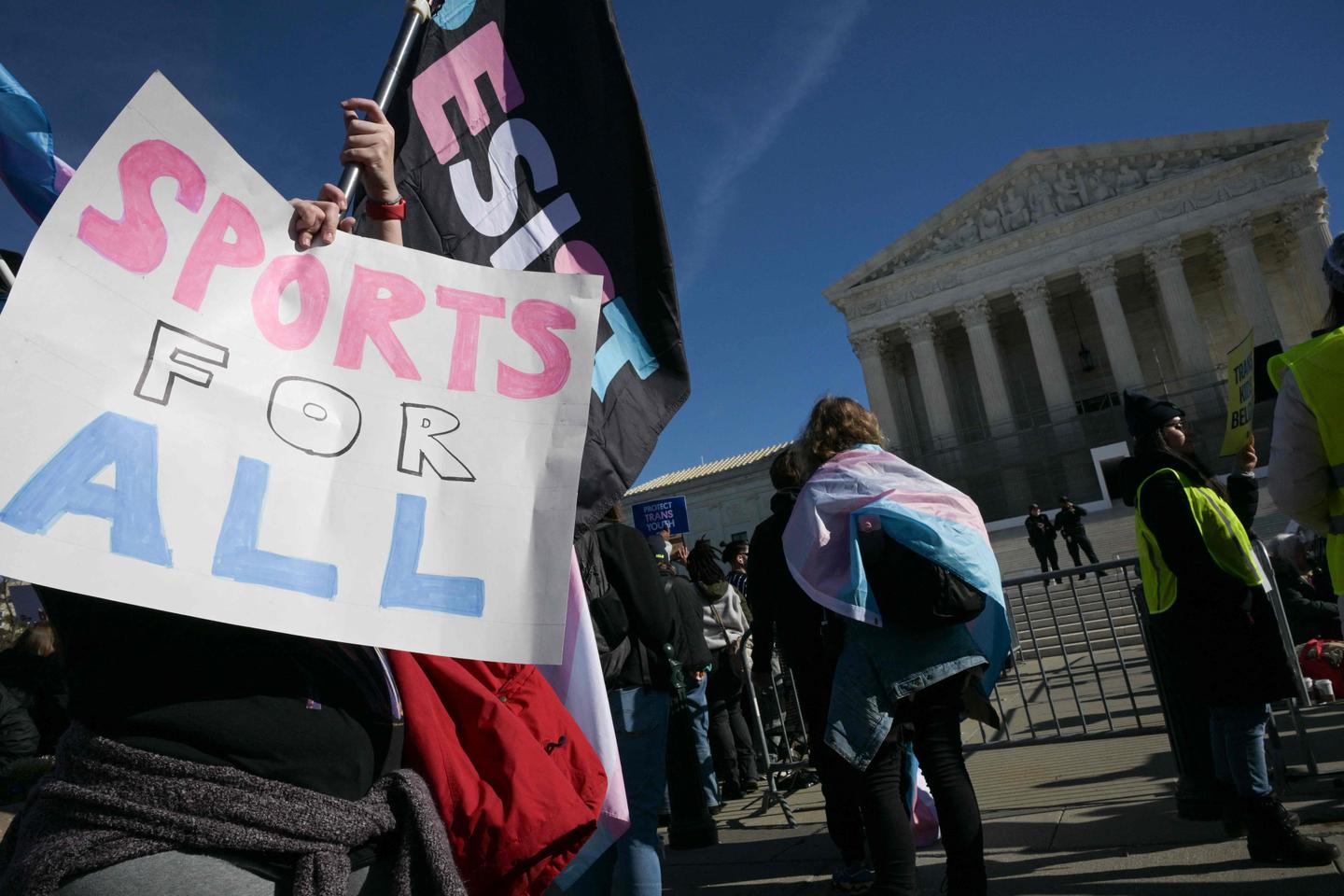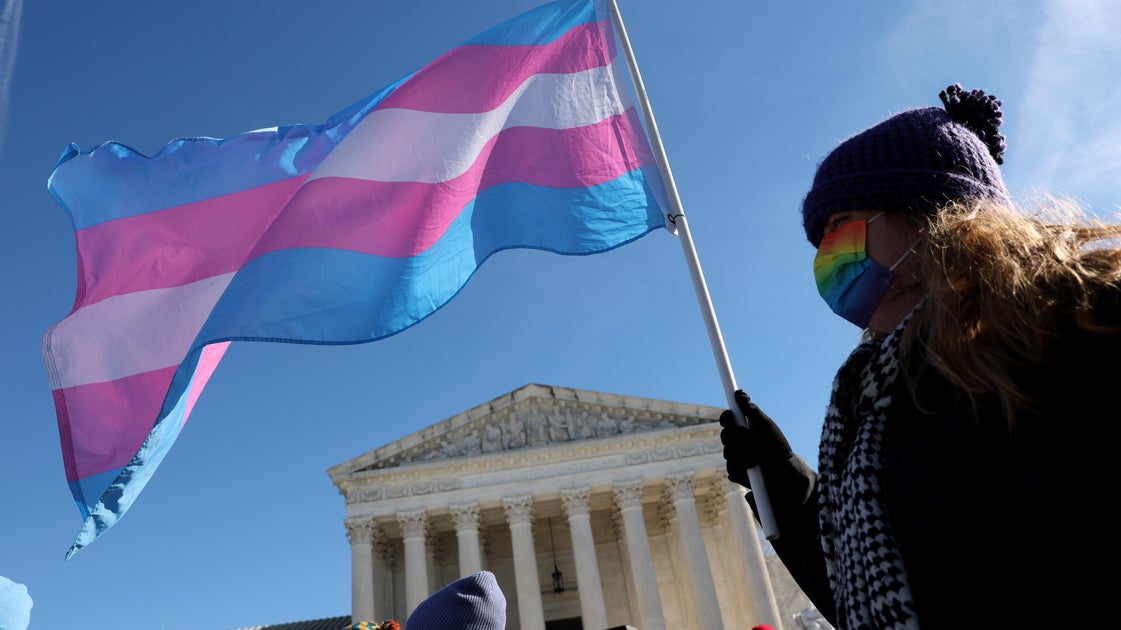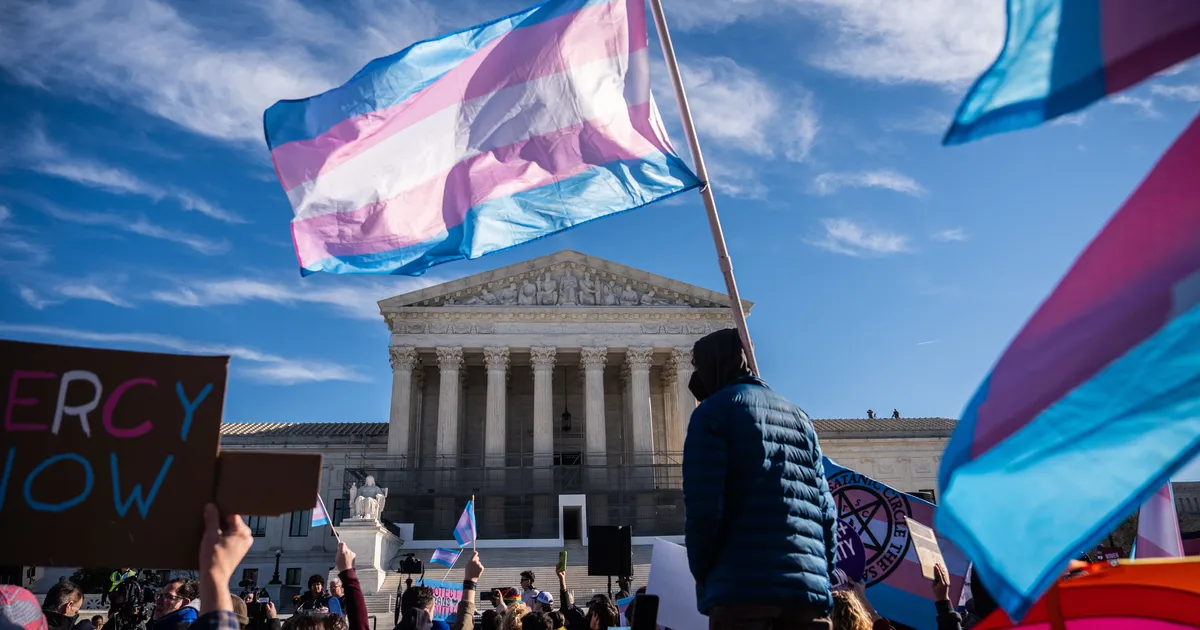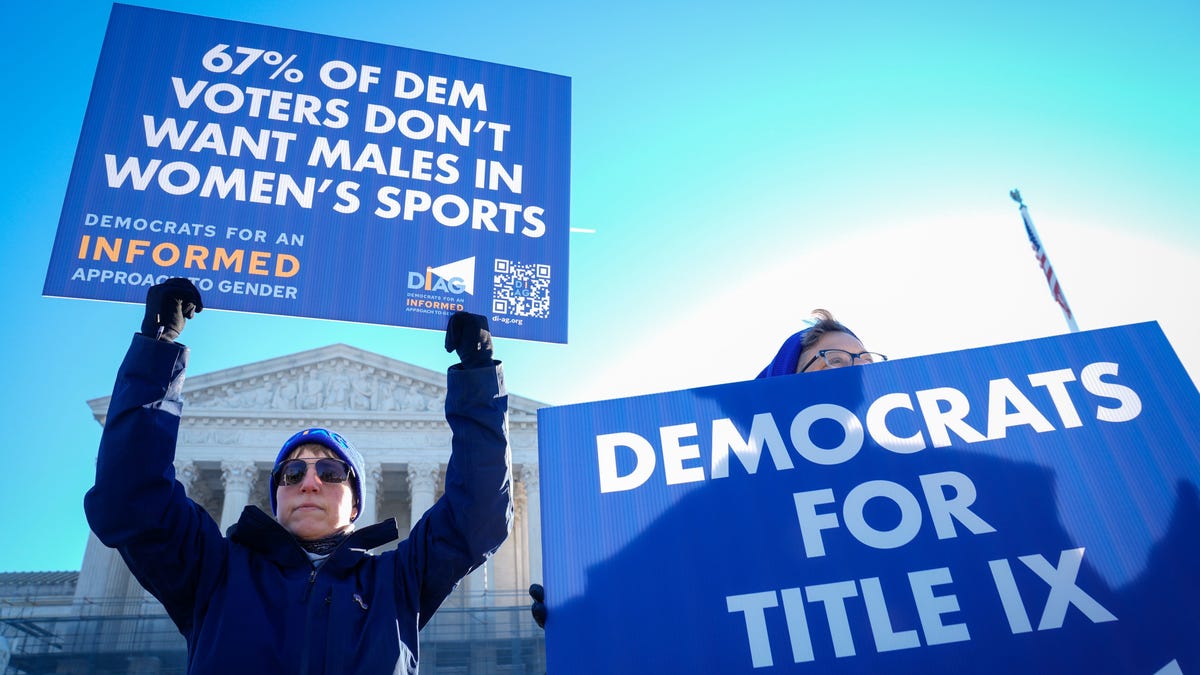
WASHINGTON − Supreme Court Justice Brett Kavanaugh seemed to draw from personal experience coaching his daughter’s basketball team when the high court debated on Jan. 13 whether states can ban transgender girls from playing on female teams.
“I hate, hate that a kid who wants to play sports might not be able to play sports. I hate that,” Kavanaugh told the lawyer representing the transgender student challenging West Virginia’s ban. “But it's kind of a zero-sum game for a lot of teams.”
If a transgender girl makes a team or a starting line-up, she will bump someone else, he said, backing the argument for “fairness” that has driven the bans passed by more than half the states.
Although the court’s three liberal justices focused, during the more than three hours of oral arguments, on whether transgender females should have the right to prove they don’t have physical advantages after receiving medical treatments, a majority of the court’s six conservatives seemed likely to uphold bans in West Virginia and Idaho.
Lawyers for those states, as well as the Justice Department, argued that the laws pass legal muster because they’re fair when applied to nearly all students who were designated male at birth.