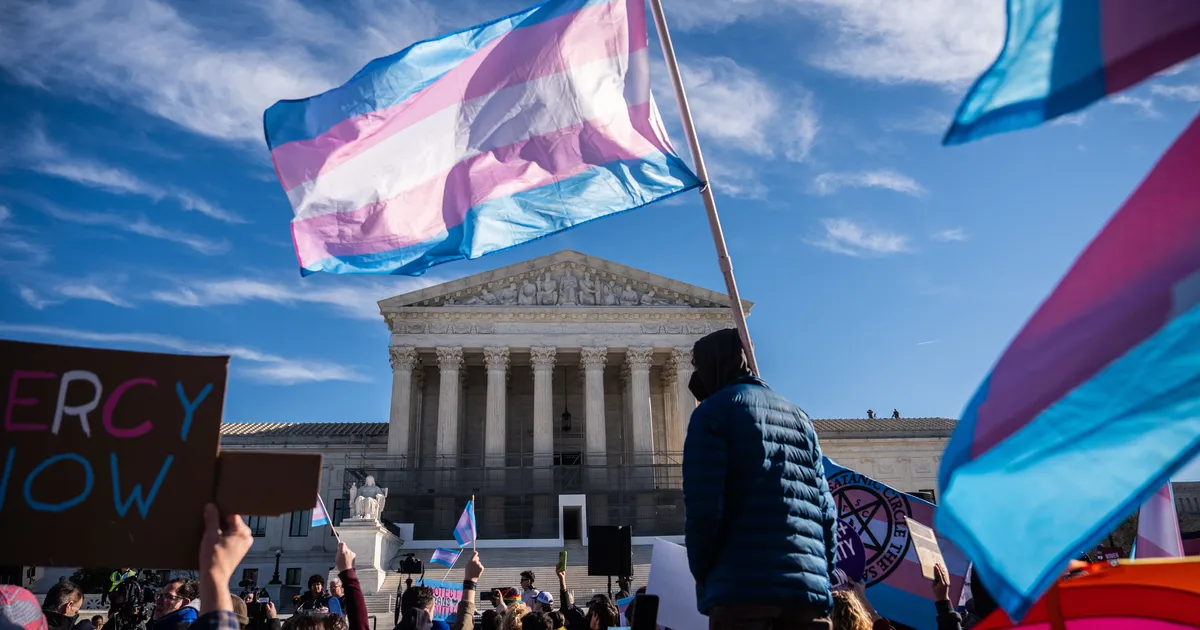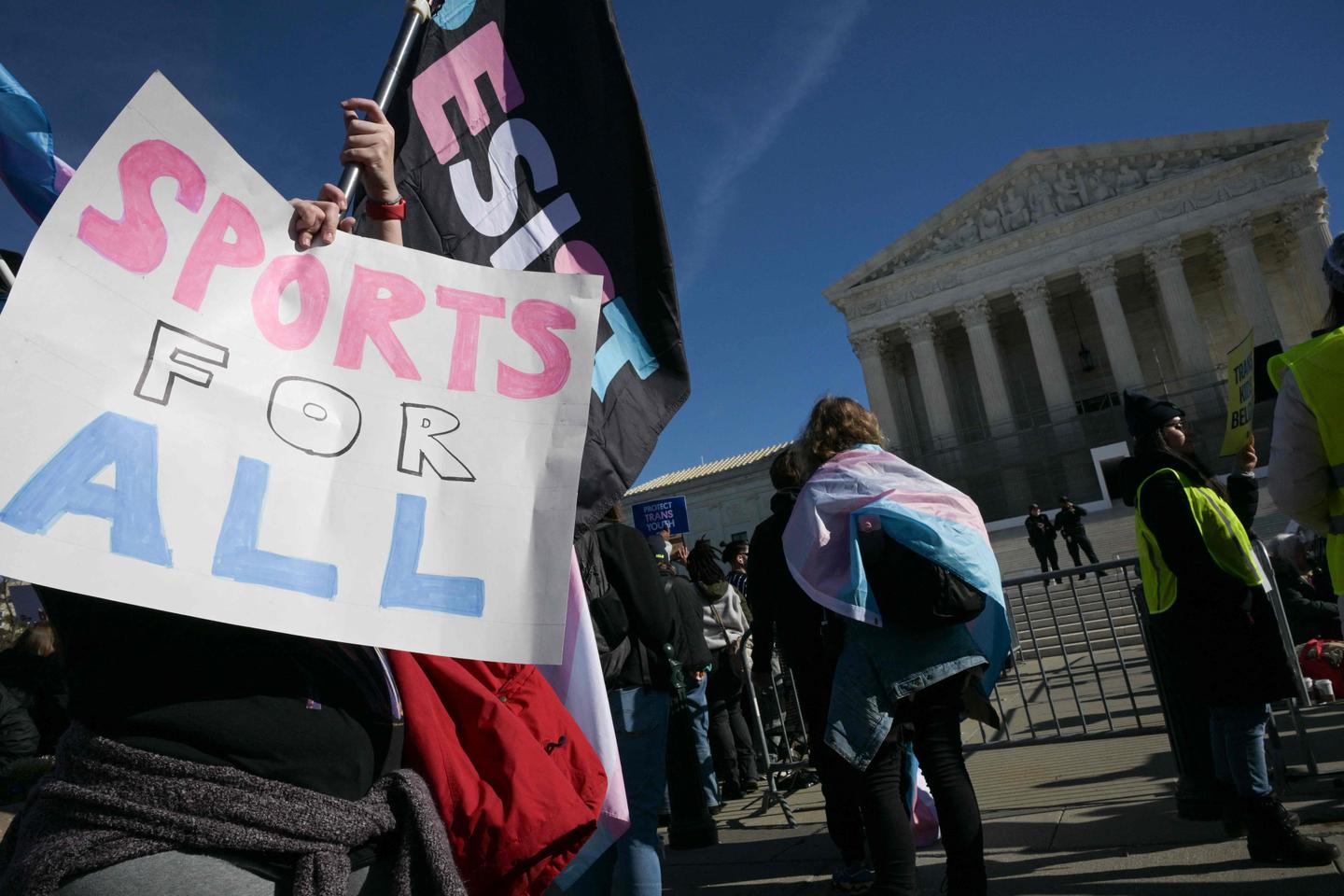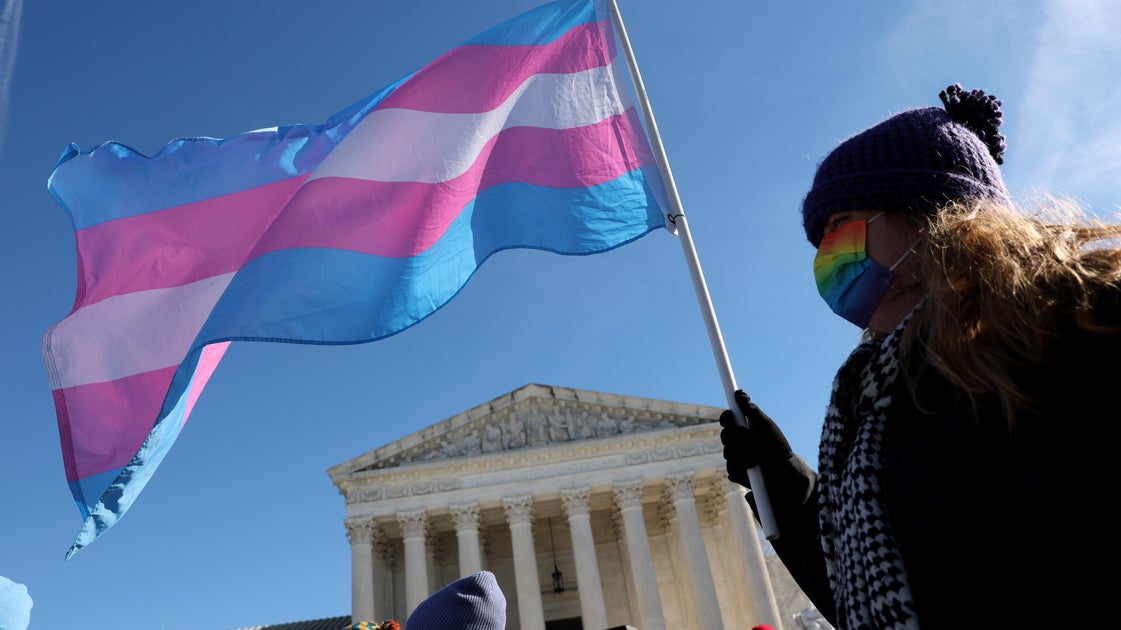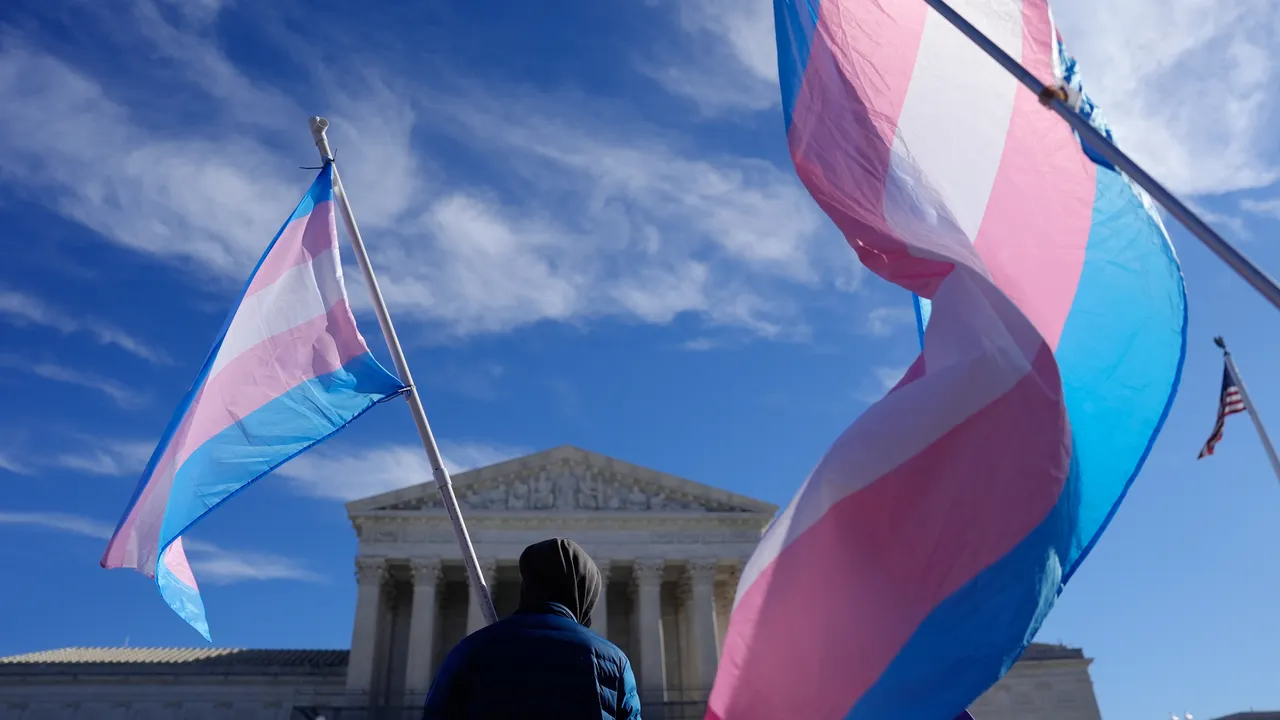
WASHINGTON − Becky Pepper-Jackson was in elementary school, already sure she was a girl despite being designated male at birth, when the nation took notice of two transgender athletes.
The debate over whether the high school runners in Connecticut had an unfair advantage richocheted around the country, prompting more than half the states to block transgender girls from competing on female teams.
In Pepper-Jackson’s home state of West Virginia, lawmakers “reasonably expected that the mounting stories” of transgender athletes outperforming competitors because they’re bigger, faster and stronger would soon reach their communities, state officials said.
In reality, Pepper-Jackson’s lawyers said, the law enacted in 2021 banned exactly one transgender girl – who hadn’t experienced typical male puberty − from participating on her school’s cross-country and track and field teams.
“Rarely has there been such a disconnect between a law’s actual operation and the claimed justifications for it,” lawyers for the now 15-year-old told the Supreme Court in advance of the Jan. 13 oral arguments about her case challenging the law.