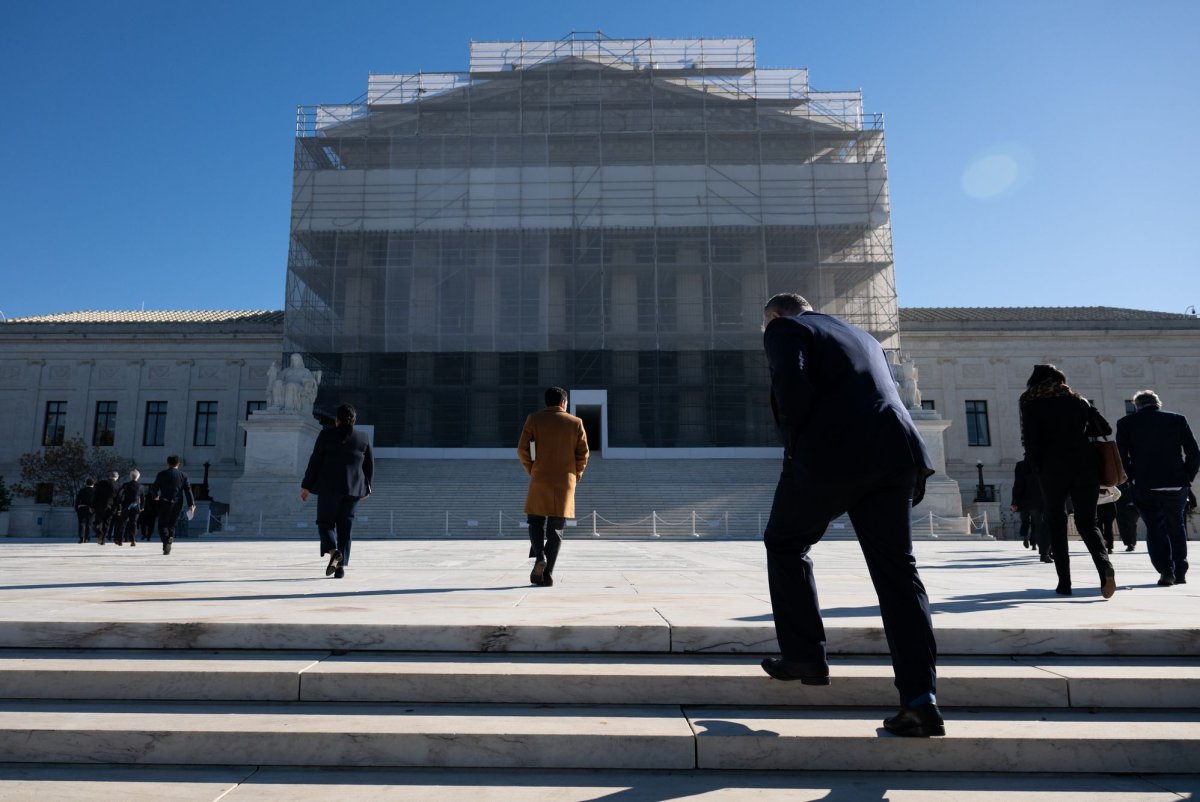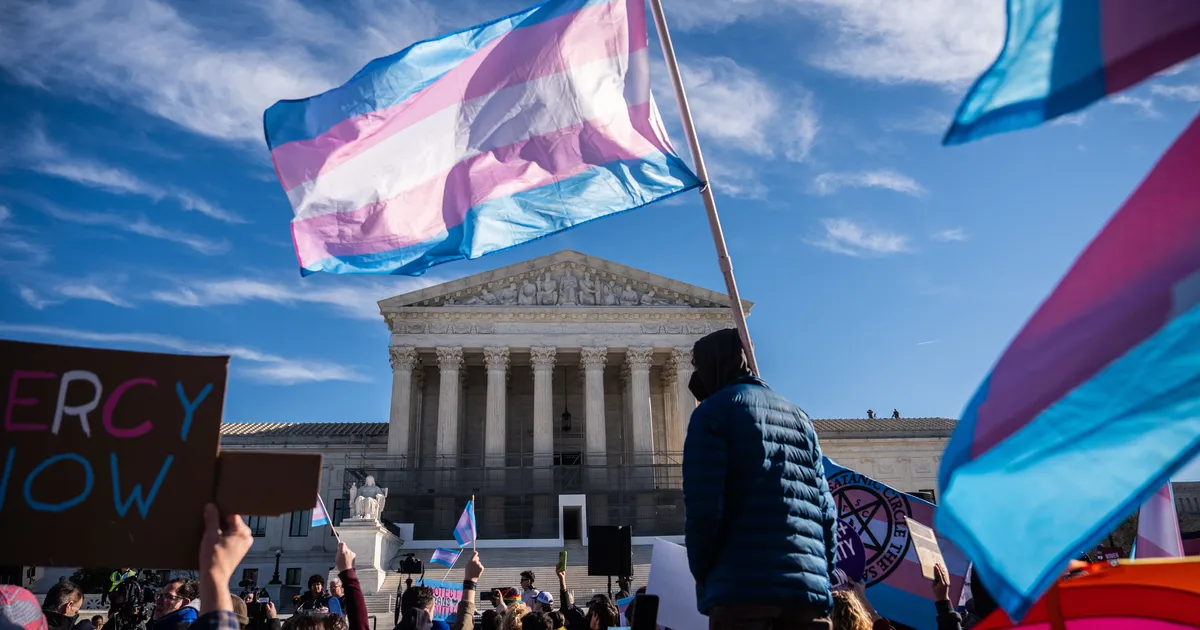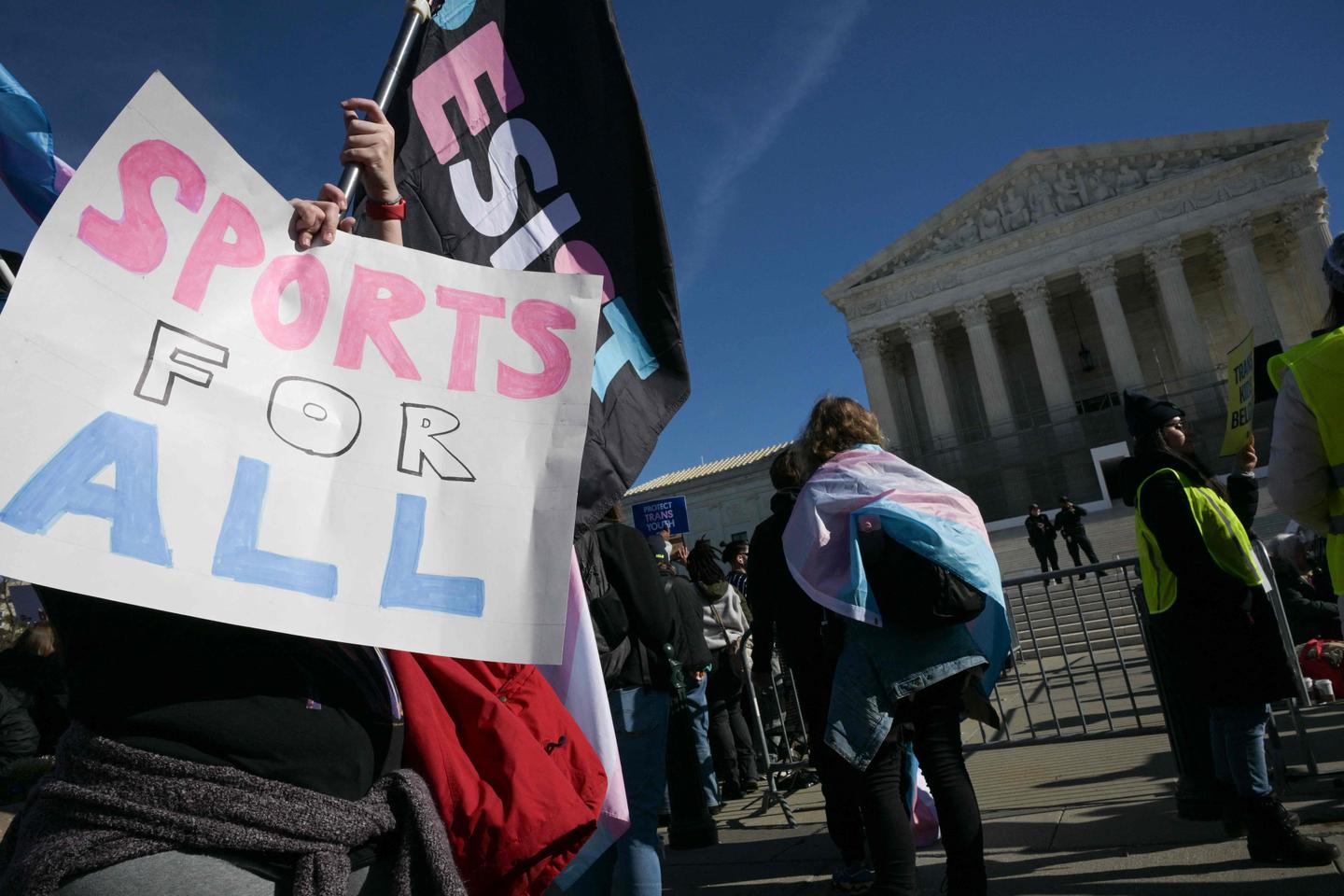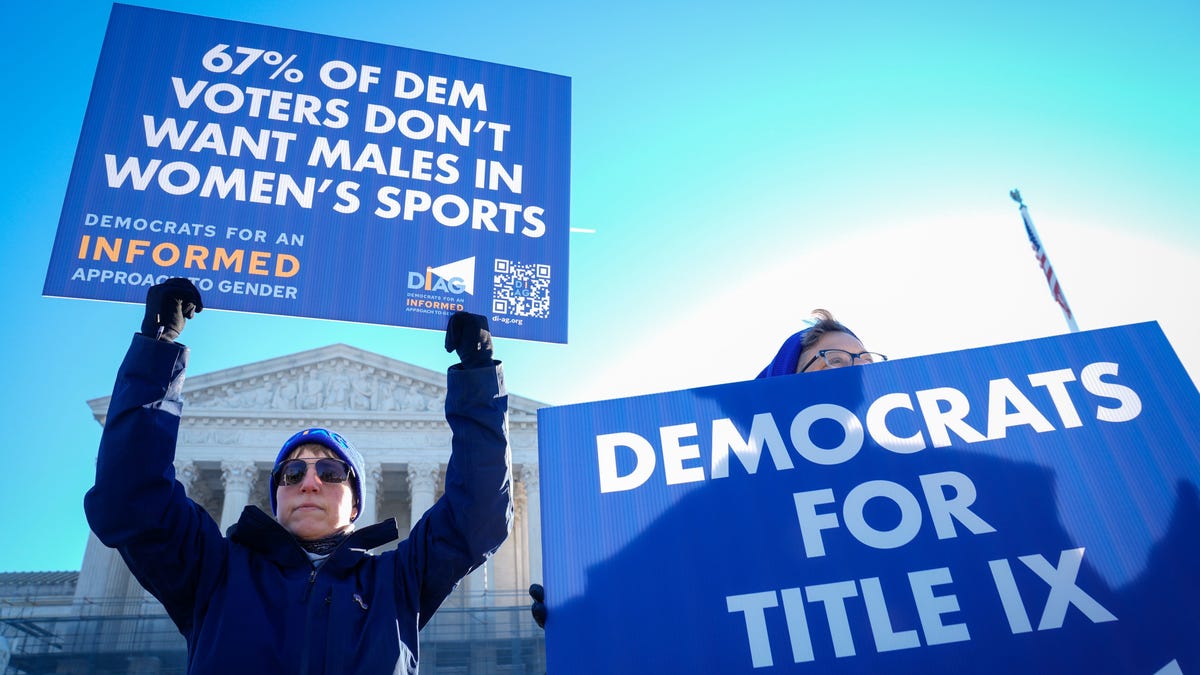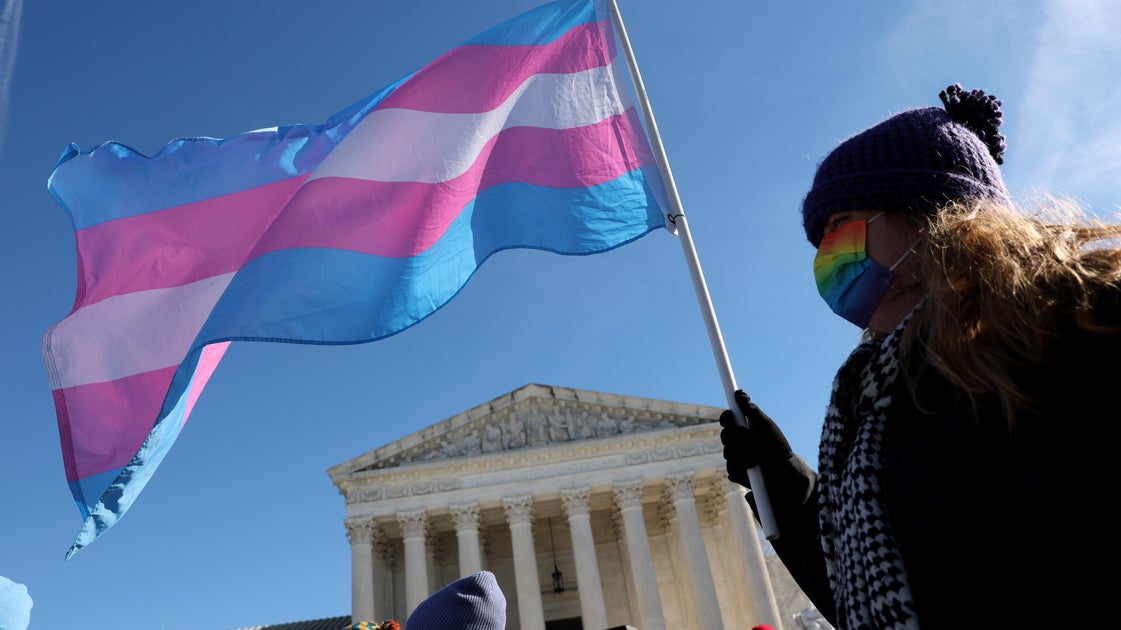
The Supreme Court will hear back-to-back oral arguments on Tuesday for two cases that both consider whether state laws banning transgender girls and women from playing on women’s sports teams violate federal law and the Constitution.
On the stacked-argument day, the justices will first deliberate on Little v. Hecox, a lawsuit brought in Idaho by a trans college student, and West Virginia v. BPJ, brought by a trans high school student and her mother. The plaintiffs in both cases, represented by the American Civil Liberties Union, allege that state bans on trans girls participating in sports violate the equal protection clause of the 14th Amendment, and that West Virginia’s law in particular violates Title IX.
The cases could have sweeping implications for both transgender and cisgender girls and women, and raise broader legal questions around sex discrimination and privacy in education, advocates said.
In 2020, Idaho passed House Bill 500, the first ban on trans girls’ and women’s participation in women’s athletics to be enacted nationwide. The law includes a provision that allows anyone to dispute a student-athlete’s sex, which would subject them to what civil rights advocates have called invasive sex-verification, including having a doctor verify a student’s sex based on their “reproductive anatomy, normal endogenously produced levels of testosterone, or genetic makeup.”