view more
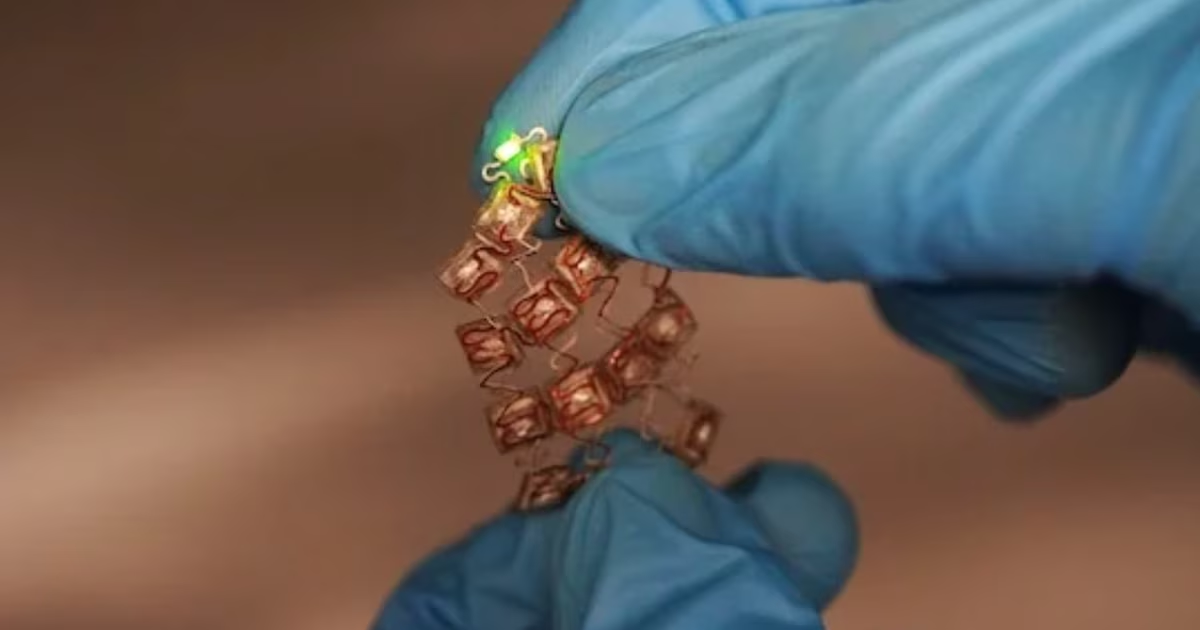
EL PASO, Texas (June 30, 2026) – A team of researchers at The University of Texas at El Paso has developed a way to 3D-print an essential battery component in nearly any shape. Their innovation could free engineers from the constraints of standard rechargeable battery sizes and allow energy storage to be built directly into the devices the batteries power.
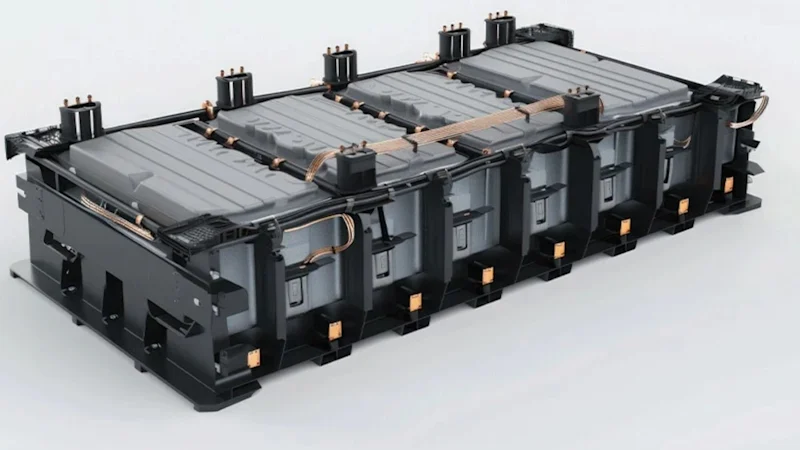
The work, detailed in a study published in Communications Engineering, part of the Nature family of journals, centers on gel polymer electrolytes, the material inside a battery that carries the ions (the particles which carry the electrical charge) between the electrodes – the two terminals where chemical reactions occur and electricity enters or leaves the battery. Conventional electrolytes are liquids that must be sealed inside rigid casings, a design that limits battery shapes and raises safety concerns about leaks. The UTEP team instead created a printable gel by combining a light-curable resin with a lithium-based liquid electrolyte, then hardened it layer by layer using a technique called vat photopolymerization.
The printed material performed on par with electrolytes made by conventional methods, reaching ionic conductivities of up to 3.4 × 10⁻³ siemens per centimeter, close to the performance of the liquid electrolytes it could replace. The researchers also pinpointed an optimal recipe, a one-to-four ratio of resin to electrolyte, that balanced strong electrochemical performance with clean, reliable printing.