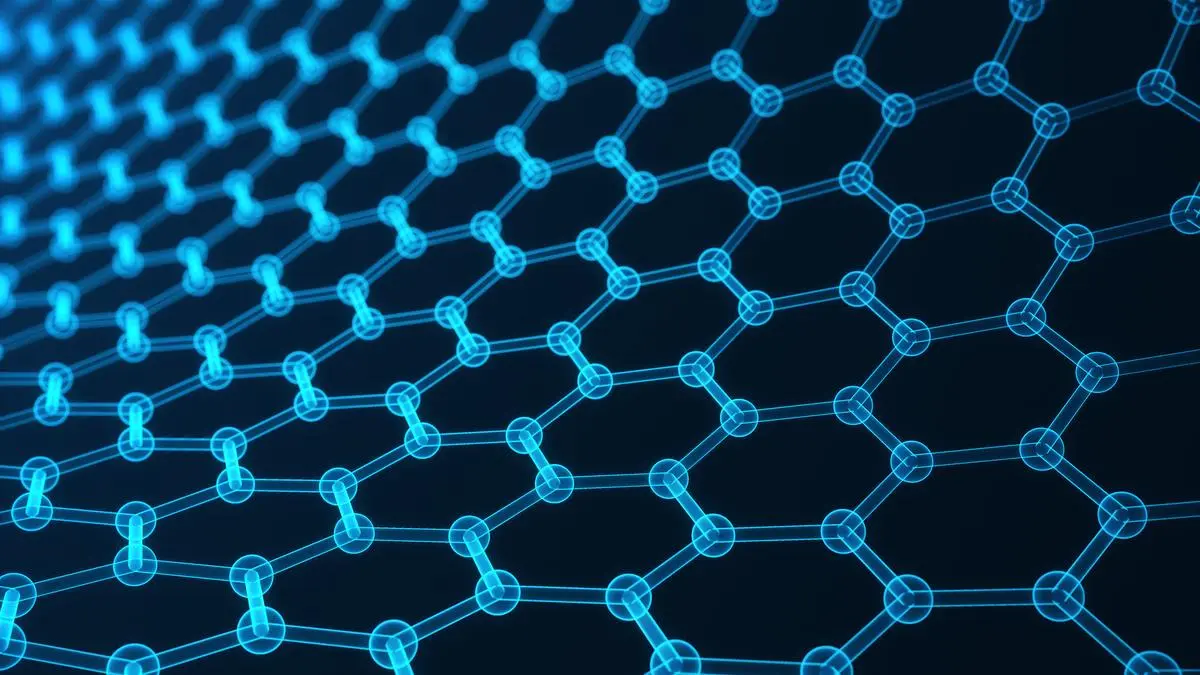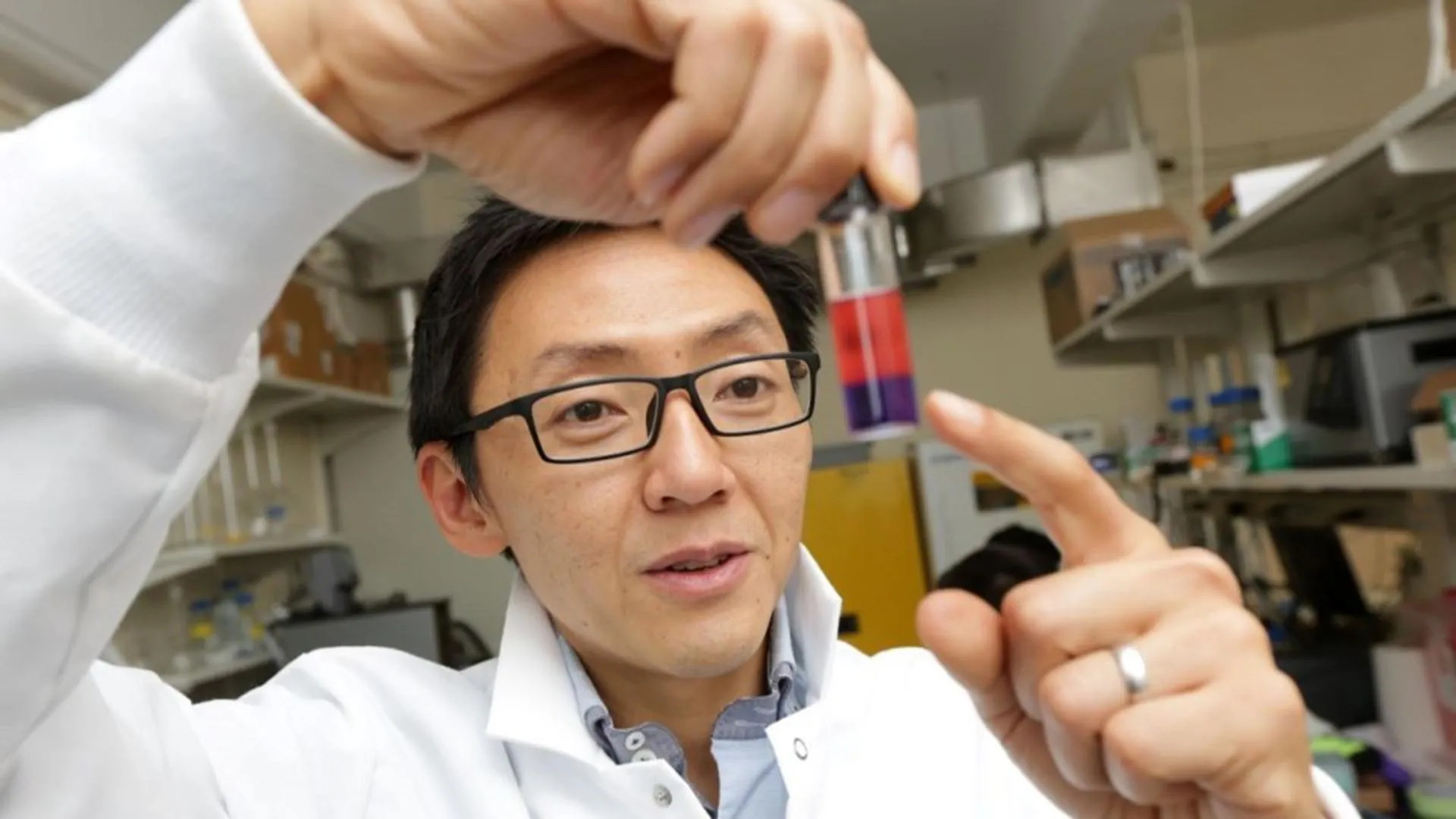
A team of scientists at Texas A&M University accidentally discovered a new method for producing a critical component in lithium-ion batteries. The team, based in College Station, Texas, was trying to study an entirely different phenomenon when they discovered that they could produce graphene oxide directly from natural gas. Not only does this discovery mean that a critical battery component could be produced more efficiently and cheaply, the process also creates green hydrogen as a byproduct.Initially, the team was trying to experiment with ways to improve clean hydrogen production, but they soon realized that a part of their process created something much more valuable. The plasma-based process that the team developed uses methane and “a nonthermal plasma-water interface” with the original intent of creating hydrogen. Originally, the high-purity graphene oxide produced along the way was considered to be byproduct, before the team realized that the roles should be reversed, with hydrogen considered to be the byproduct of the process instead of the graphene oxide.“As we continued the research, we realized the carbon material we were producing was actually one of the most valuable outcomes,” David Staack, PhD, an associate professor at Texas A&M, was recently quoted by Interesting Engineering. But the amount of hydrogen produced in the process is nothing to sneeze at, either. And, as an added bonus, the researchers say that the process yields minimal greenhouse gas emissions.Set OilPrice.com as a preferred source in Google here.Graphene oxide is an ultrathin carbon material “particularly known for its strength, electrical conductivity, and versatility.” These qualities make it extremely useful in applications like energy storage, a burgeoning economic sector. At present, the majority of the world’s graphene oxide is produced using a costly and chemically intensive process. “We’re taking a very different approach,” says Staack. “Instead of starting with a bulk material and breaking it apart, we’re building the material from methane molecules.” The process is described in a scientific paper published earlier this year in the prestigious journal Nature Communications.The breakthrough comes at a critical juncture for battery technology and for the energy storage sector overall. As the artificial intelligence boom causes energy demand projections to skyrocket and global oil markets face a long road to recovery after the monthslong closure of the Strait of Hormuz, battery energy storage systems are becoming an increasingly critical component of global energy security.Global energy think tank Ember recently described battery storage systems as the “ultimate clean flexibility tool for making clean electricity available when it is needed most, while keeping power grids stable and secure.” Against this backdrop, it should come as no surprise that rates of manufacturing and purchase of battery-powered storage systems are skyrocketing on a global scale.Indeed, production of these systems is becoming an increasingly central focus for massive business entities like China’s CATL and the United States’ General Motors. “The market for grid-scale batteries and backup power isn’t just expanding, it’s becoming essential infrastructure,” Kurt Kelty, General Motors’ vice president of batteries, propulsion, and sustainability, stated in a 2025 press release. “Electricity demand is climbing, and it’s only going to accelerate. To meet that challenge, the U.S. needs energy storage solutions that can be deployed quickly, economically, and made right here at home.”Texas A&M’s discovery of a new technology that could make battery production cheaper is a big win for clean energy tech writ large, but it’s also a major win for the United States in a drawn-out energy dominance war between the world’s two largest economies. Currently, China dominates global lithium-ion battery manufacturing and is also leading the charge in cutting-edge research to discover next-gen battery models. Breaking away from Chinese battery tech could be a critical step for the United States in terms of energy security as well as national security.By Haley Zaremba for Oilprice.comMore Top Reads From Oilprice.comTrump Targets California Again In SpaceX FeudTrump Declares Iran Deal “Over” After Fresh Military EscalationGlobal Nuclear Power Capacity Set to Jump by 44% by 2036
How an Accidental Discovery in a Texas Lab Could Reshape Battery Manufacturing | OilPrice.com
Texas A&M researchers stumbled onto a cheaper way to make graphene oxide from natural gas, a find that could boost US battery production.
656 words~3 min read