Better than conventional batteries?
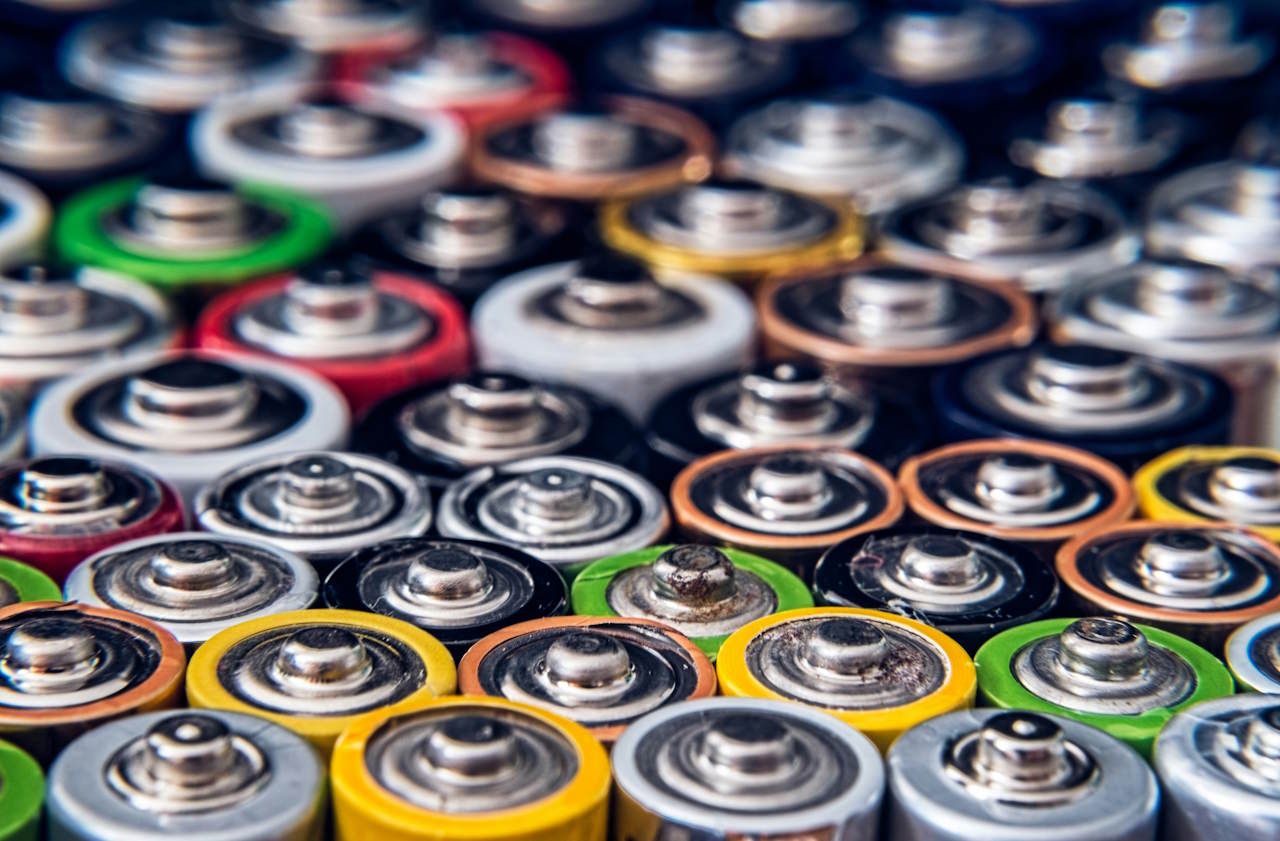
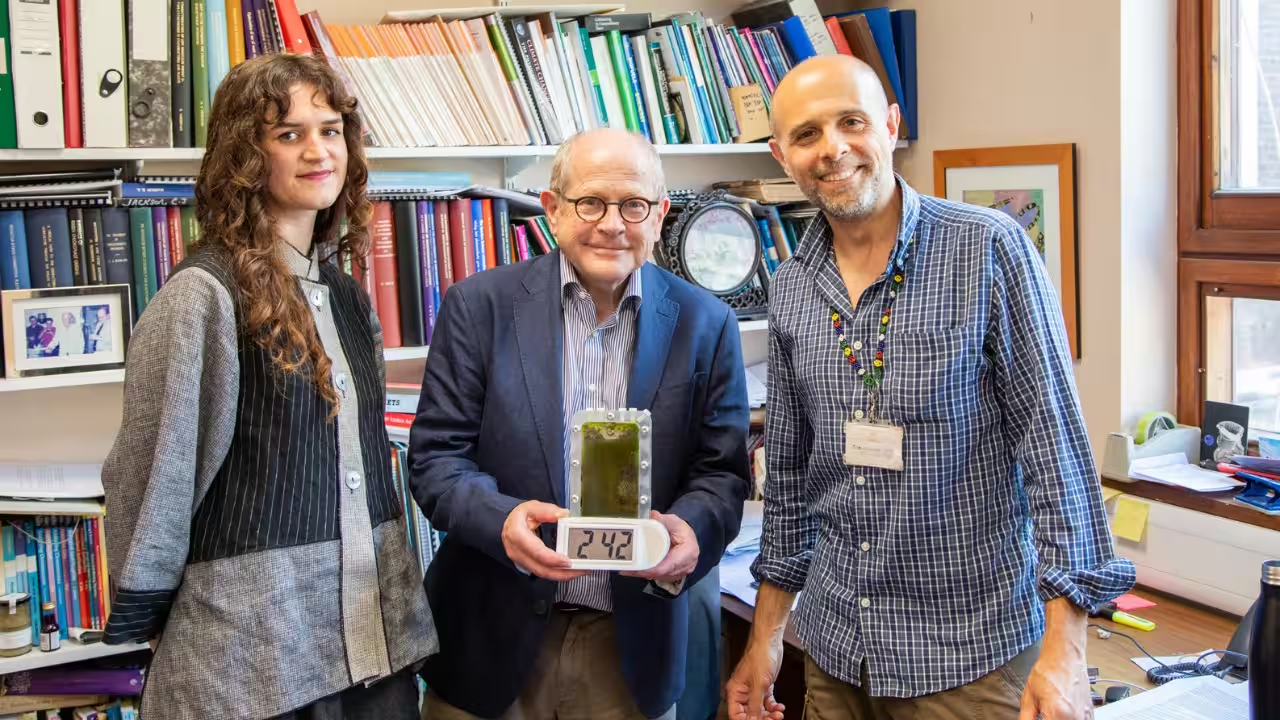
“Disposable batteries, which you just throw away when they stop working, are very bad for the planet and we want to use our biocells as a replacement,” says Professor Chris Howe, Principal Investigator of the project in the Department of Biochemistry.
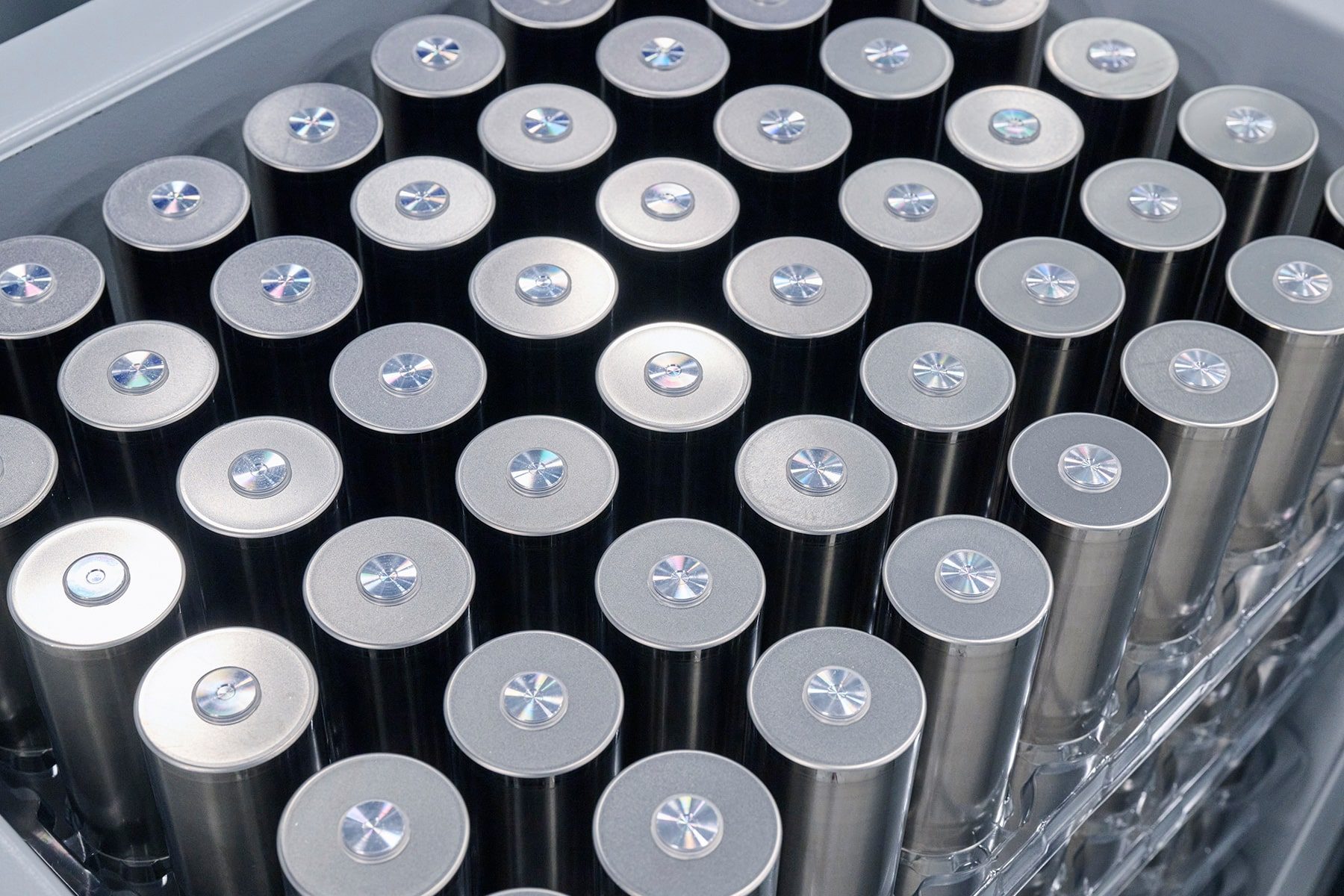
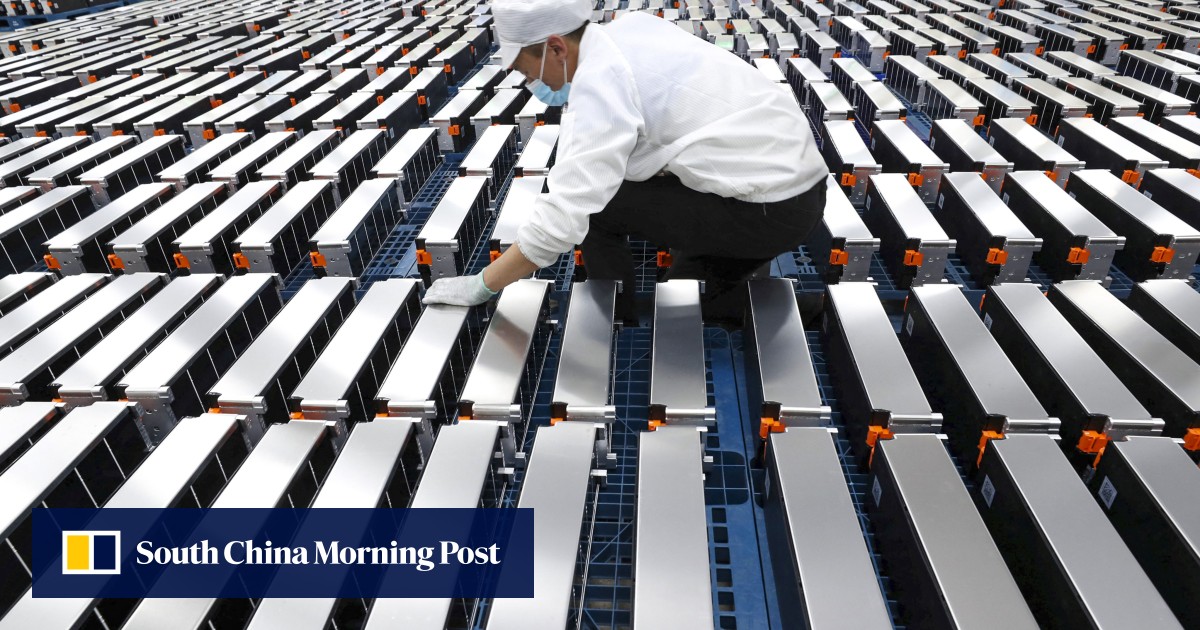
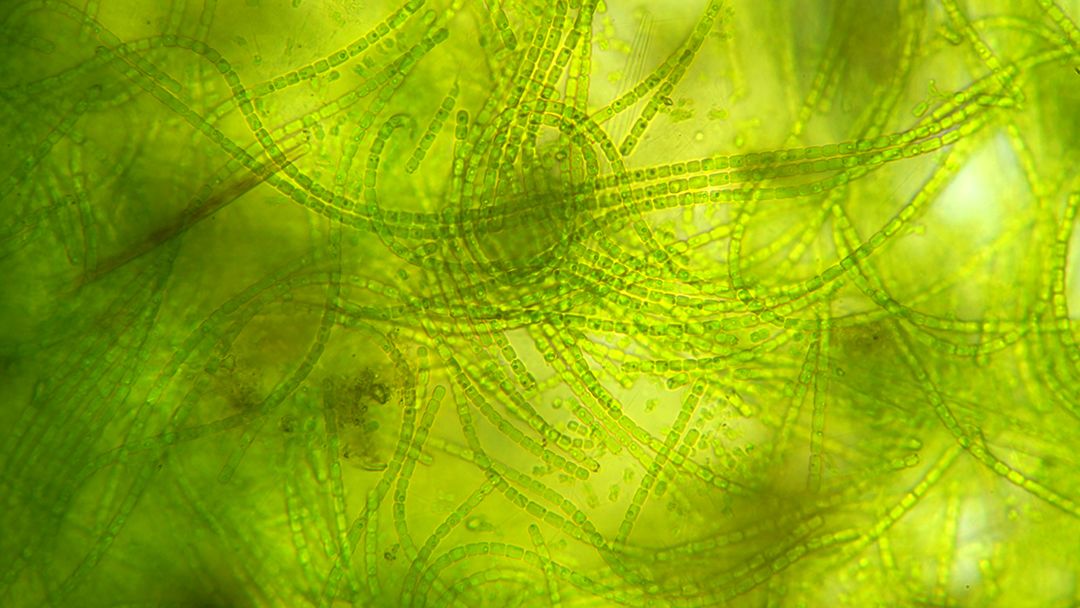
Conventional chemical batteries are built with mined materials like lithium that cause a range of environmental issues: extraction methods are energy-intensive, release greenhouse gases and cause local ecological degradation and habitat destruction. In contrast the biocells are made of common, inexpensive and largely recyclable materials.
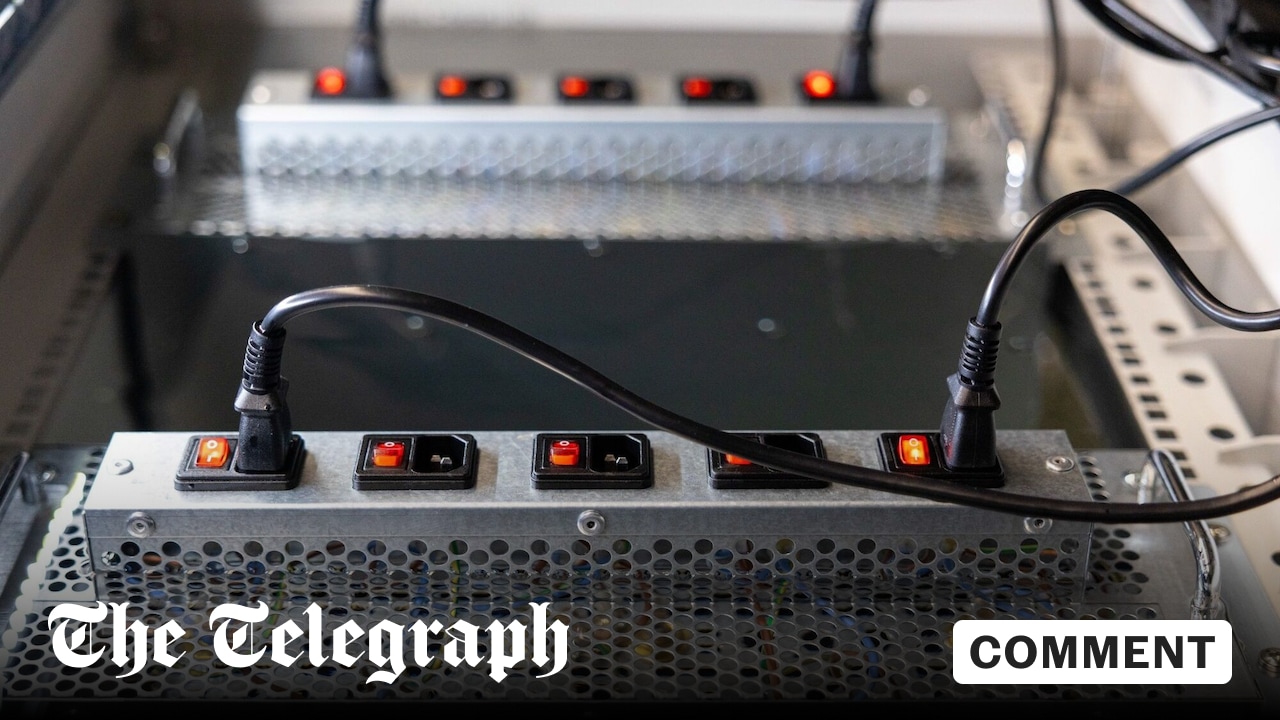
The power output of the biocells is low, so the technology can’t be used for devices that need lots of power. The team’s idea is to use it to power large numbers of devices that would normally be powered using small, disposable batteries – for example remote controls or smoke alarms.
“Our technology could replace millions of small disposable batteries with a much a cleaner source of energy – that’s a huge environmental benefit and a really exciting prospect,” says Howe, adding, “there are so many potential applications.”