systems
Fancy a thorium microreactor capable of delivering up to 30 MWe of juice for up to 30 years?
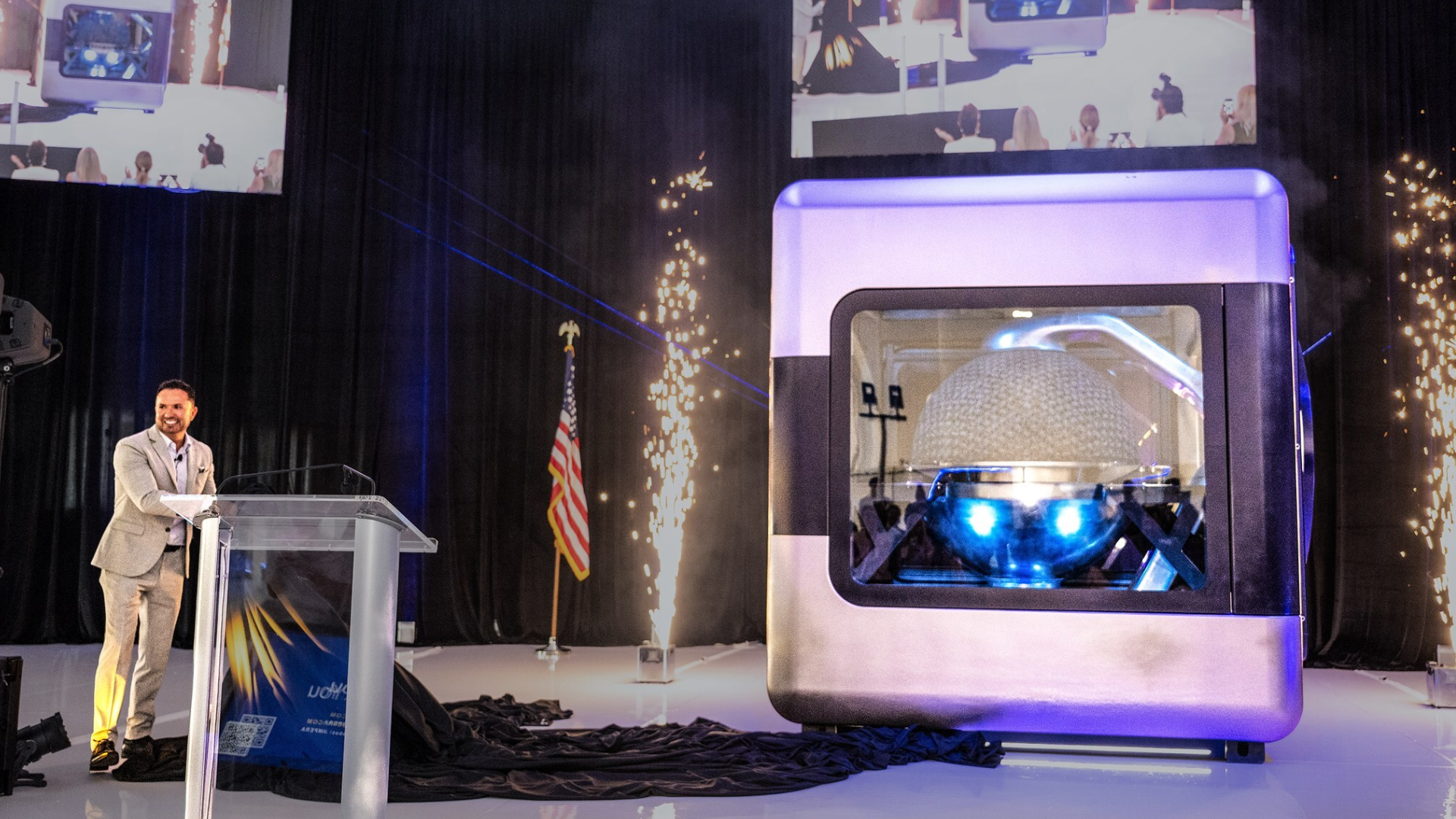
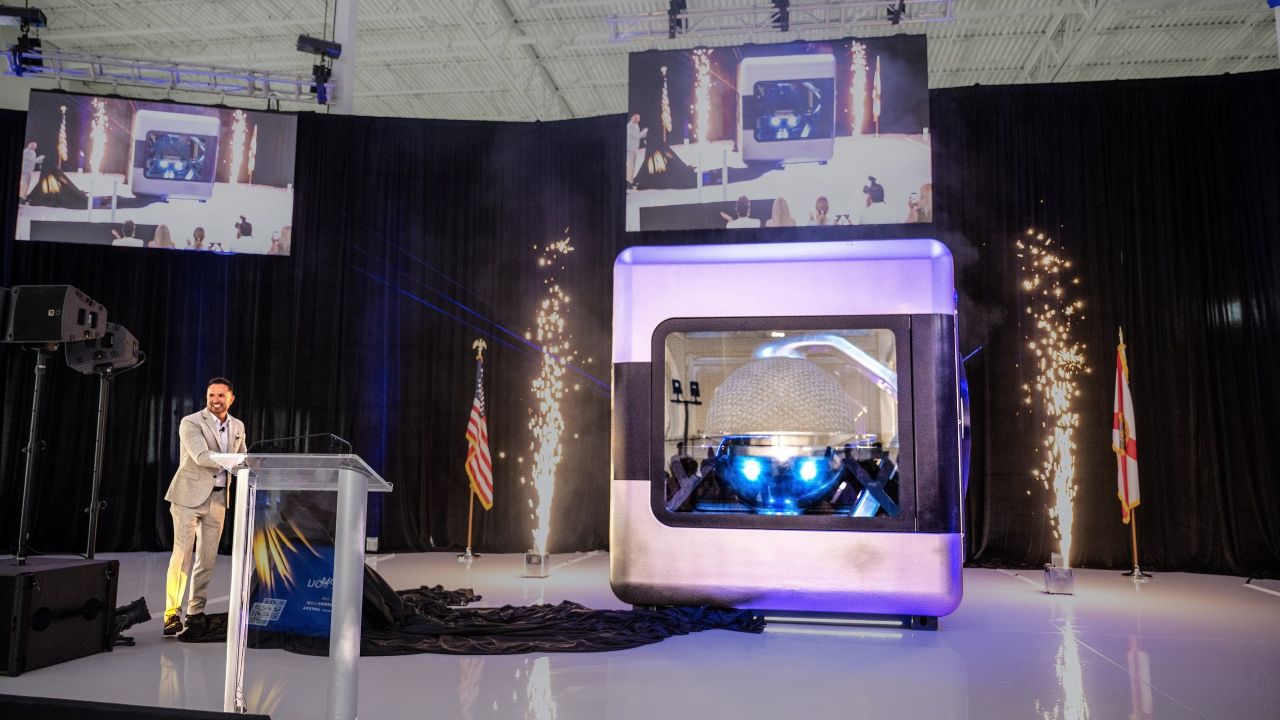
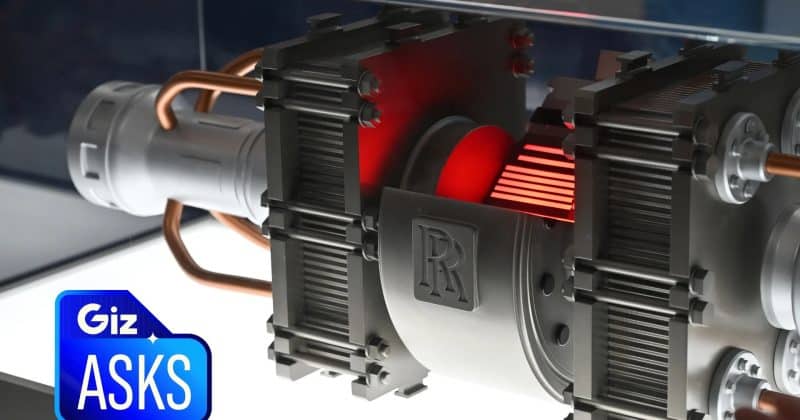
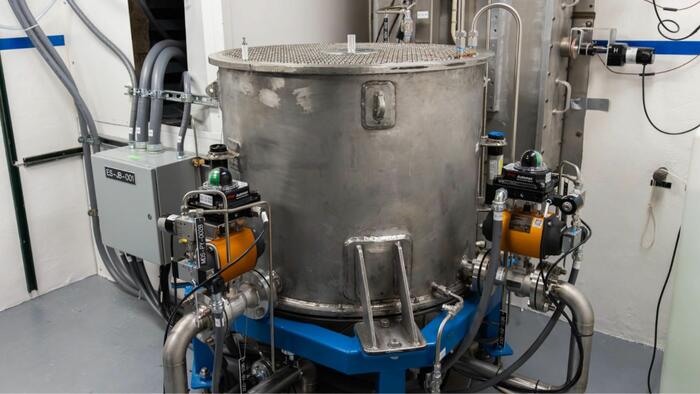
US startup Ampera has produced what it claims is the first 3D-printed nuclear reactor module. The firm says it is working towards delivering scalable, emission-free power for datacenters, defense applications, and off-grid sites.Ampera unveiled its first nuclear reactor module during an event at the firm's innovation center in Palm Beach Gardens, Florida. More than 100 people attended, including local officials, business leaders and employees.Founder and CEO Brian Matthews revealed the prototype microreactor, which features a fully 3D-printed silicon carbide reactor core and pressure vessel.
"This next-generation nuclear core and pressure vessel sets the foundation for factory-built, mass-produced nuclear energy," Matthews said. "The advanced technology and additive manufacturing used demonstrate a clear commercial path for new nuclear technology coming to market in an accelerated manner."
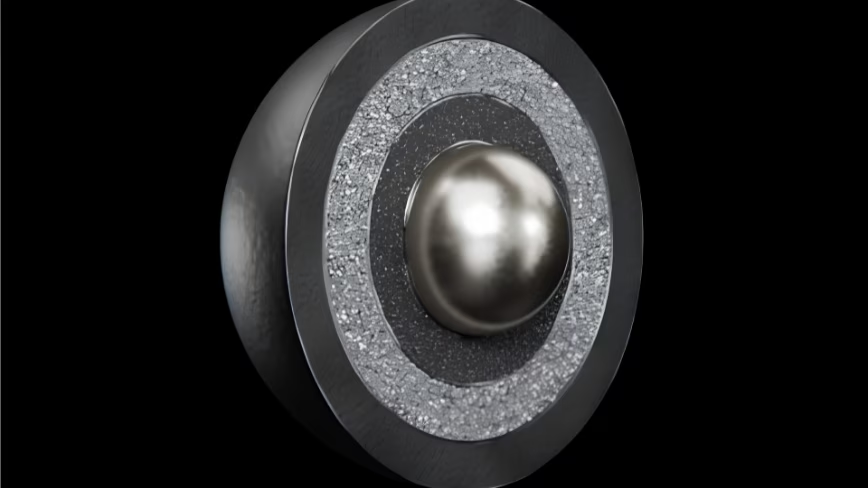
His company is developing a subcritical, solid-state, factory-built thorium-based nuclear reactor. Subcritical means the fuel cannot sustain a nuclear chain reaction on its own, which prevents a runaway power excursion.Ampera uses "solid-state" to describe a design with solid rather than liquid fuel. The proposed fuel uses tristructural isotropic, or TRISO, particles, consisting of a fuel kernel containing thorium, surrounded by multiple ceramic and carbon layers.Thorium-232 is not fissile. After absorbing a neutron, it ultimately decays through thorium-233 and protactinium-233 into fissile uranium-233. This requires a separate source of neutrons, and Ampera says its design features a proprietary neutron driver to provide a stable external neutron source to start and sustain operation.In June, Ampera announced it had established an Australian subsidiary to secure thorium supplies, and said it plans to produce the fuel kernels itself.