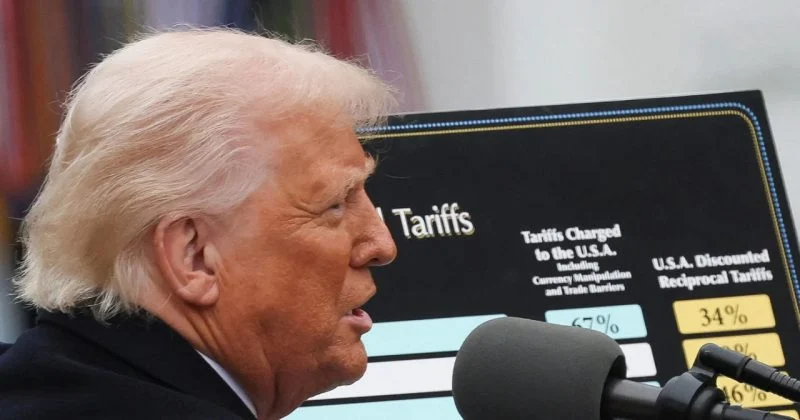
Bloomberg’s Mark Burton, who covers industrial metals, has been tracking the growing unease among traders trying to position themselves around a tariff policy that keeps shapeshifting. The core problem is straightforward: even after the US Supreme Court ruled 6-3 on February 20, 2026, to limit Trump’s expansive use of tariffs under the International Emergency Economic Powers Act (IEEPA), the White House signaled it would simply find alternative legal channels to impose them. Traders who thought the court ruling would bring clarity got a rude awakening.
The court ruled, markets shrugged, then panicked
Bitcoin’s initial reaction looked like relief. The asset surged approximately 2% to above $68,000 in the hours following the ruling. Then it gave back those gains almost entirely.
The administration has been explicit about pursuing alternative frameworks for imposing tariffs. That means the underlying source of uncertainty, whether and when new trade barriers will materialize, hasn’t actually been resolved. The legal channel changed. The intent didn’t.
Crypto’s tariff sensitivity is no longer a footnote