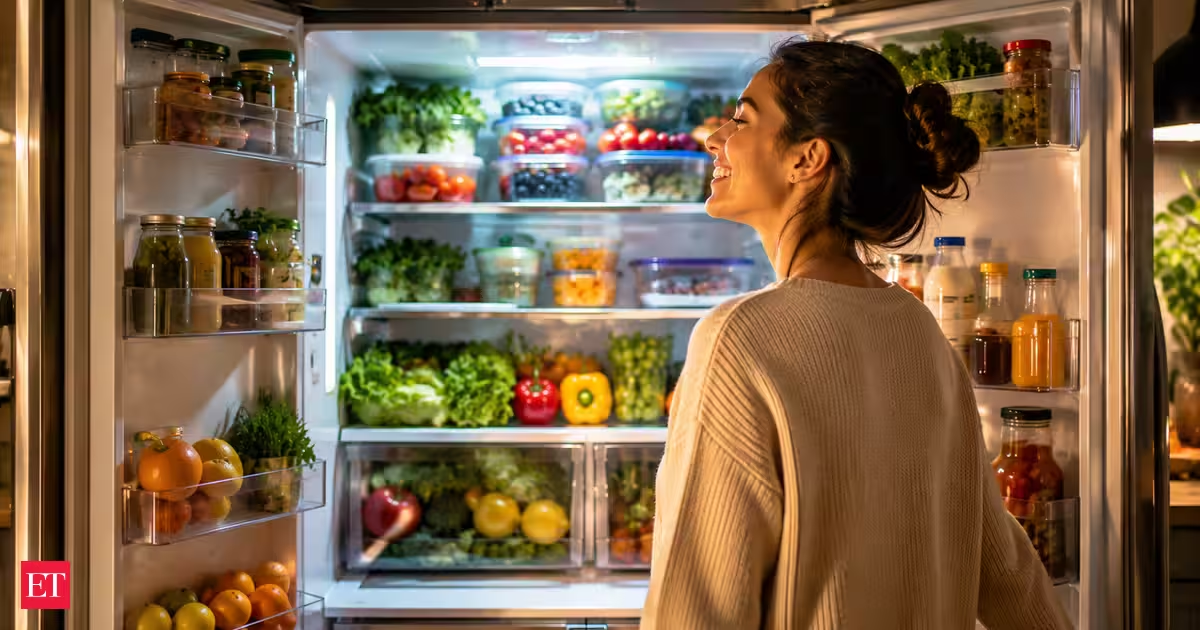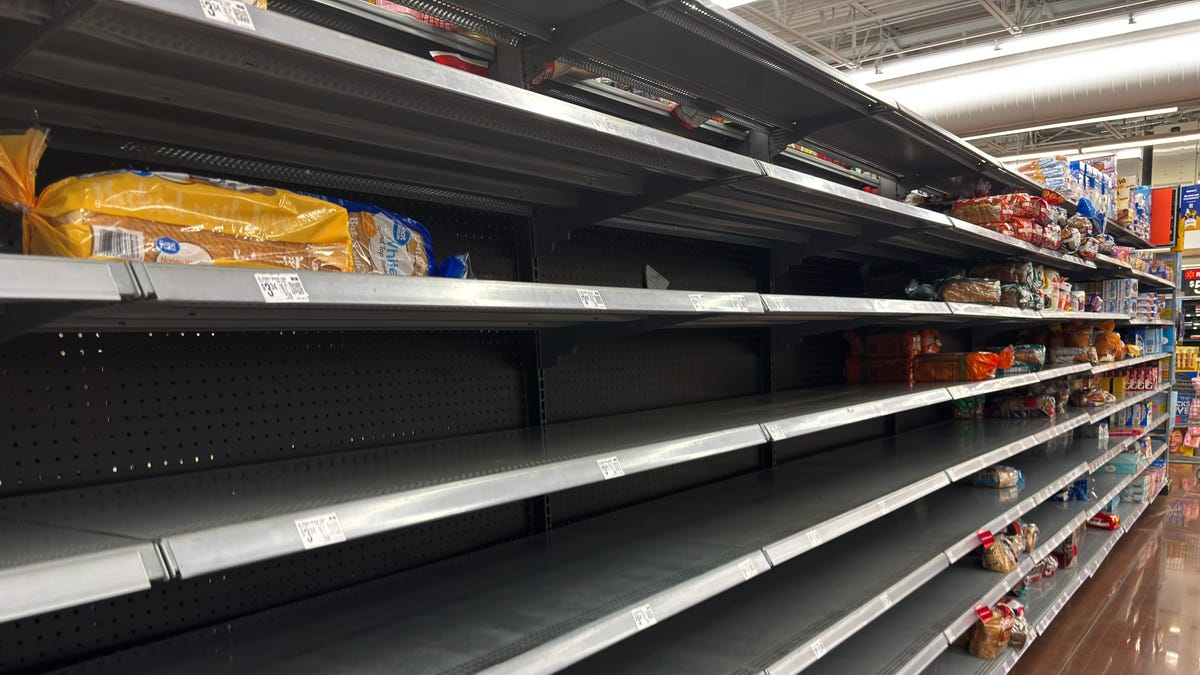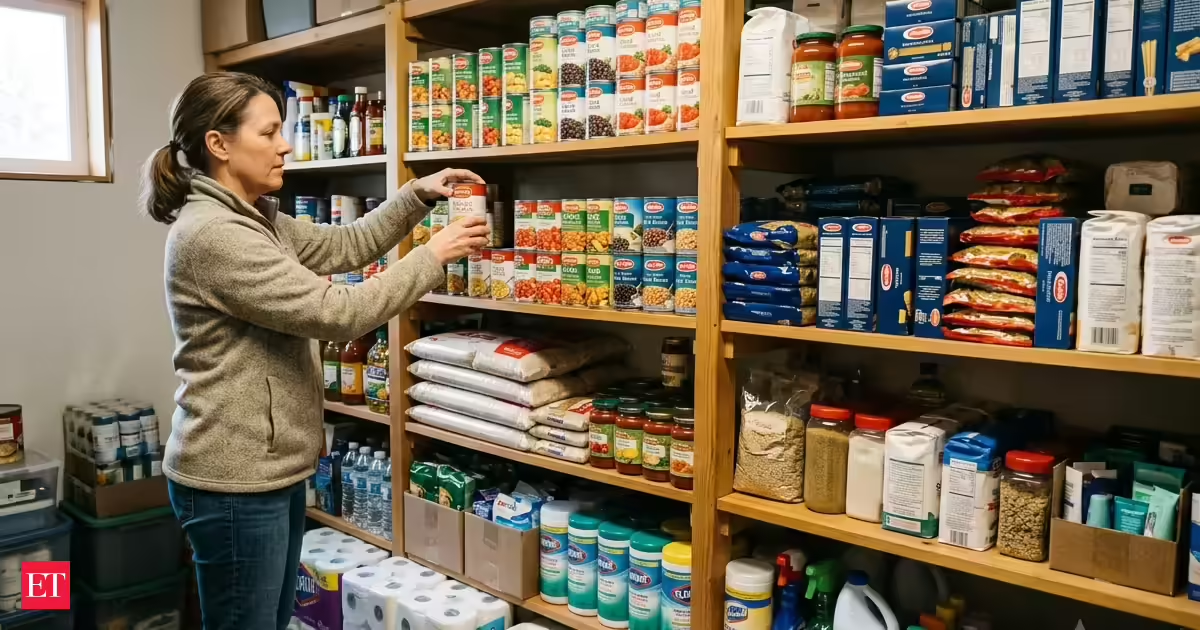
Psychology says people who store food, groceries or supplies for any kind of lockdown-like situation aren't simply expecting another emergency. Many people keep extra household items because they want to be ready if unexpected events interrupt daily life. Experiences such as the COVID-19 pandemic, natural disasters, transport delays, or temporary shortages have changed how many people think about preparedness. Psychology explains that people often try to reduce uncertainty by planning ahead. Having essential supplies at home can create a sense of security and help people respond calmly when daily routines are disrupted. The behavior is influenced by several psychological factors.Preparedness can be linked to planning rather than fearPsychology says people who store food, groceries or supplies for any kind of lockdown-like situation aren't necessarily anxious or expecting disaster. In many cases, they simply prefer to plan ahead.Psychologists explain that human beings naturally prepare for possible future events. This preparation reduces uncertainty and helps people feel ready for situations that cannot be predicted. Keeping extra food, medicines, cleaning products, or household supplies may simply be part of a long-term planning habit.People who prepare in advance often believe that solving problems before they occur is easier than reacting after supplies become limited. Instead of rushing to stores during emergencies, they prefer to have important items already available. This behavior may also reduce daily stress because people know they have enough supplies if unexpected situations arise.What psychology says about this behavior?Psychology views preparedness as one way people manage uncertainty. Humans generally dislike situations where they have little control. When future events become uncertain, many people take practical actions that help them feel more secure. Keeping extra groceries or supplies creates a feeling that basic needs can still be met even if outside conditions become difficult.You Might Also Like:Psychologists explain that preparedness behaviors become stronger after people experience events that disrupted normal routines. If someone has lived through shortages, lockdowns, severe weather, or supply chain problems, they may continue preparing for similar situations later. The goal is often to reduce uncertainty instead of increasing fear. What does this behavior mean?Storing extra supplies does not automatically indicate that someone expects another lockdown. Instead, it may show that the person values planning, responsibility, and risk management. Some people regularly buy extra products when prices are lower. Others replace supplies before they run out. Some prefer maintaining emergency stocks for several weeks or months.These habits may also reflect practical thinking. People often believe that preparing today can prevent unnecessary problems tomorrow. Psychology suggests that preparedness can become part of a person's normal routine after repeated experiences.You Might Also Like:Why do people do this?Several psychological reasons can explain why people maintain extra supplies. One important reason is previous experience. The COVID-19 pandemic showed many people that supply shortages could happen without warning. Those memories remain powerful even after normal conditions return.Another reason is reducing stress. Knowing that food and household items are already available allows people to feel calmer during uncertain situations. Family responsibility also plays a role. Parents and caregivers often prepare more because they want to make sure their family has everything needed during emergencies.Economic reasons matter too. Buying larger quantities during discounts or sales helps some families manage household expenses. For many people, preparedness becomes both a financial decision and a psychological comfort.You Might Also Like:Which psychology theory explains this behavior?Several psychological theories help explain why people prepare for uncertain situations.One is the Protection Motivation Theory. This theory suggests that people take protective actions when they recognize possible risks and believe preparation can reduce those risks.Another explanation comes from the Need for Control concept. Research shows that people generally experience less stress when they believe they have some control over future events. Stocking supplies becomes one practical way of maintaining that control.The Behavioral Decision Theory also explains that people often make decisions based on previous experiences. If earlier shortages created inconvenience, people may prepare differently in the future to avoid repeating that experience.These theories suggest that preparedness often develops through learning rather than panic.This psychology study saysStudies conducted after the COVID-19 pandemic found that many people changed their shopping habits permanently. Researchers observed that households became more likely to keep extra food, hygiene products, medicines, and household essentials after experiencing supply shortages during the pandemic.Studies also found that people who experienced uncertainty directly were more likely to prepare for future disruptions. Their goal was often to avoid stress instead of reacting to emergencies. Research also showed that preparedness was influenced by personal experience, family responsibilities, financial planning, and confidence in handling future challenges. The findings suggest that storing supplies often becomes a learned response after major disruptions.Psychology study links stockpiling to uncertainty and social influencePsychology research suggests that people who stockpile food, groceries, or other essentials are often responding to uncertainty rather than acting selfishly. Professor Melissa Norberg of Macquarie University told The Guardian that the scarcity heuristic makes items appear more valuable when they seem difficult to obtain. Studies during the COVID-19 pandemic found that perceived risk, previous shortages, and social influence encouraged people to buy extra supplies. Researcher Dr. Karina Rune told The Guardian, panic buying is usually a short-term response to stress, while experts recommend reassuring people and promoting shared responsibility instead of blaming or shaming those who prepare.The principle behind this behaviorThe main psychological principle is reducing uncertainty. People often feel more comfortable when they know they have enough resources available for basic needs. Preparedness also increases confidence because individuals believe they can manage unexpected situations without immediate dependence on outside resources.Psychologists explain that small actions which improve feelings of safety often become regular habits over time. This does not mean people constantly expect emergencies. Instead, they prefer having a backup plan.What can we learn from this?This behavior shows that planning ahead can reduce unnecessary stress. Preparedness does not always involve large amounts of stored supplies. Even maintaining reasonable emergency essentials can make unexpected situations easier to handle.Psychology encourages balanced preparation. Keeping useful supplies while avoiding unnecessary panic buying creates a healthier approach. Preparedness works best when decisions are based on realistic needs rather than fear. It also reminds people that simple planning today can reduce pressure during future disruptions.Life lessons from this behaviorThis behavior offers several practical lessons.It shows the value of thinking ahead instead of waiting for problems to appear.It highlights the importance of learning from previous experiences.It encourages people to balance preparation with responsible consumption.It reminds families that planning can create peace of mind.Finally, it demonstrates that feeling prepared often improves confidence during uncertain times.Rather than assuming the worst, many people simply choose to be ready for situations they cannot fully predict.You Might Also Like:
Psychology says people who store food, groceries or supplies for any kind of lockdown-like situation aren't always overreacting: What this preparedness behavior can reveal
Psychology says people who store food, groceries or supplies for any kind of lockdown-like situation aren't always acting out of fear. Psychology explains that this behavior can come from planning, past experiences, uncertainty management, and a desire to stay prepared. Research shows that people often stock essential supplies because they want to reduce future stress, feel more in control, and protect themselves and their families during uncertain situations.
1,107 words~5 min read